
Where Civilization Began, and Where Almost No One Goes
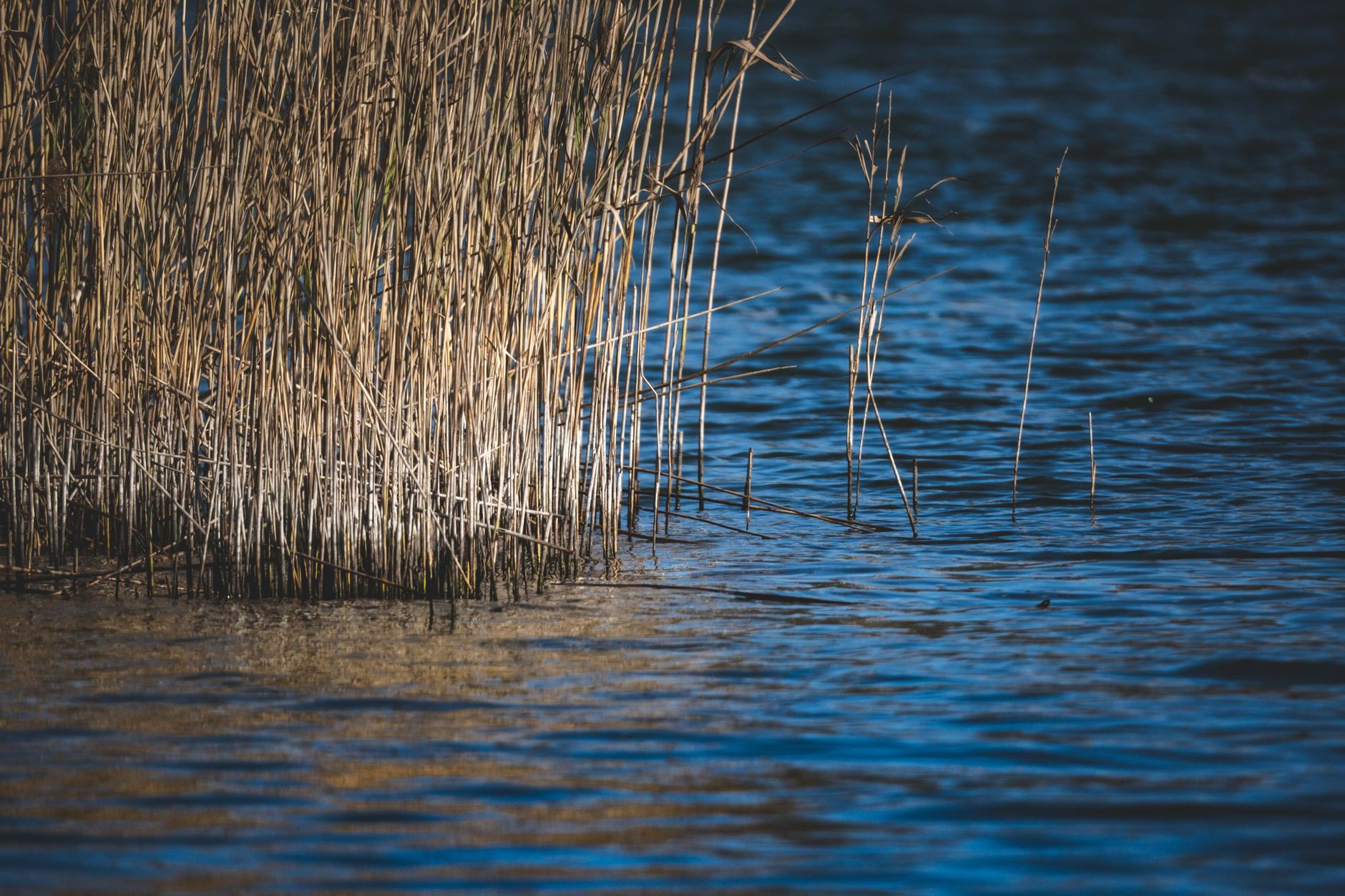
The rose-red cliffs of Petra draw millions of visitors each year to Jordan’s desert interior, and the images are everywhere – travel magazines, bucket lists, Instagram grids. But roughly 1,200 kilometers to the east, in southern Iraq, a landscape just as ancient and considerably more strange sits largely unvisited. The Mesopotamian Marshes – a vast, reed-threaded wetland system straddling the Tigris and Euphrates rivers – are where the Sumerians built the world’s first cities, where the Epic of Gilgamesh was set, and where a culture of water-dwelling people called the Marsh Arabs has survived for millennia. The tourism industry has barely noticed.
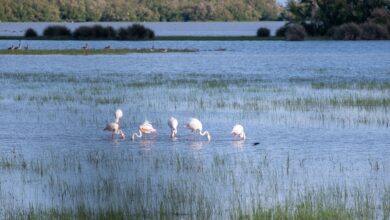
That may be changing. Iraq quietly opened its doors to independent tourism in recent years, and a small but growing number of travelers are making their way to Nasiriyah, the gateway city to the marshes, and discovering something that feels genuinely untouched – not in the sanitized, resort-brochure sense, but in the way that places feel when they have not yet been curated for outside consumption. The marshes were drained almost entirely by Saddam Hussein in the 1990s, decimating both the ecosystem and the Marsh Arab population. Since then, the water has returned to large portions of the wetland, and with it, the herons, the water buffalo, and the reed houses rising from the shallows like something out of a pre-history textbook.
The Architecture of Reeds
What stops first-time visitors cold is the architecture. The Marsh Arabs – known locally as the Ma’dan – have constructed their homes, their guest halls, and their floating islands entirely from qasab, a giant river reed that grows in dense thickets across the wetland. The mudhif, a traditional meeting hall, uses no nails, no mortar, and no wooden frames. Bundles of reed are bent into interlocking arches that form a cathedral-like interior, with filtered light coming through the woven walls in shifting patterns. These structures have been built this way for at least five thousand years, depicted in Sumerian carvings and still going up today by craftsmen who learned from their fathers and grandfathers.
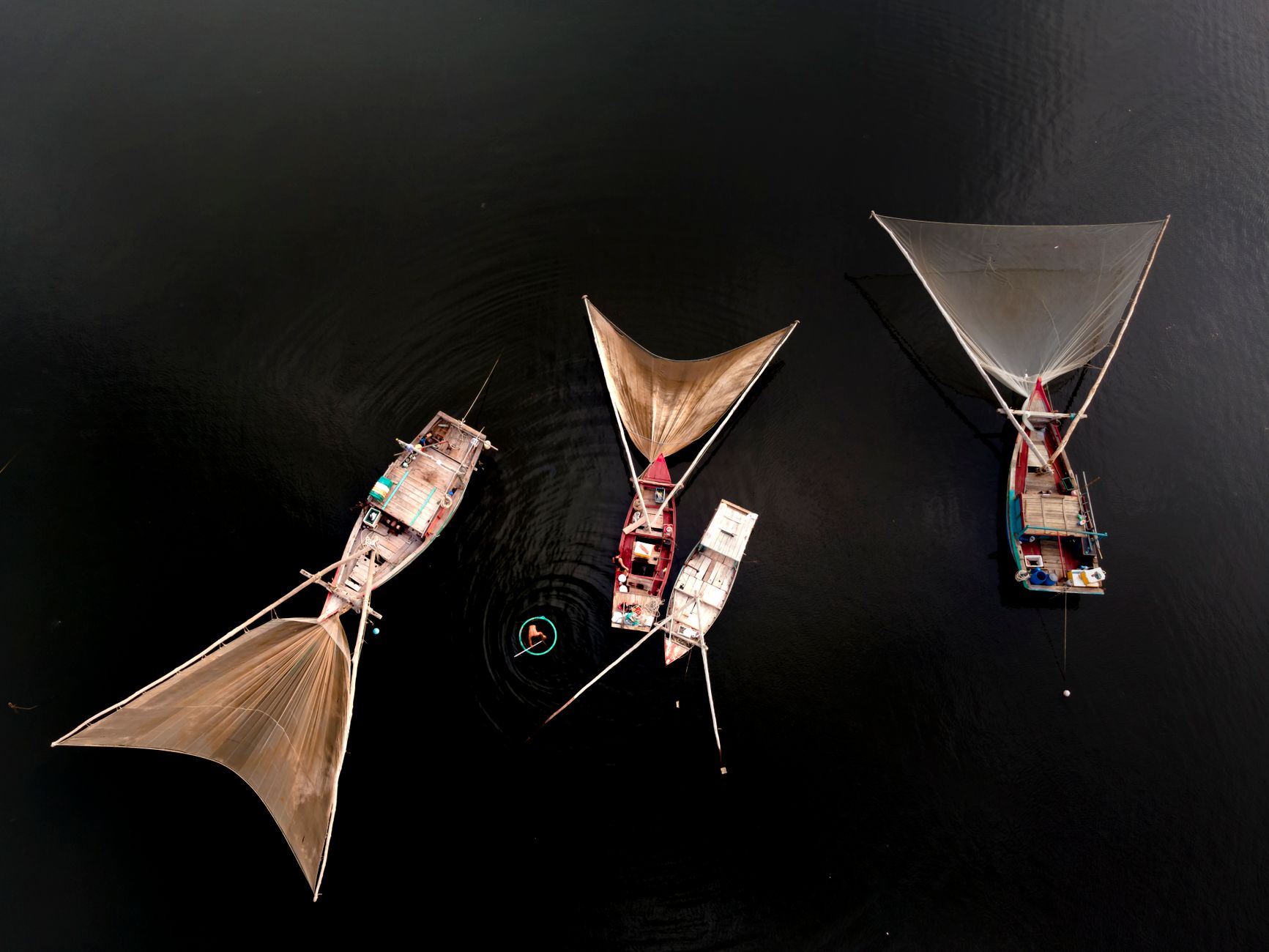
Traveling through the marshes means moving almost entirely by small motorboat or the traditional low-slung wooden canoe called a mashuf. The experience is disorienting in the best possible way. There are no roads, no signage, and no smartphone signal in the deeper sections. Navigation happens by recognizing particular reed channels, particular bends in the water, particular villages where children wave from reed platforms and water buffalo stand chest-deep in the current. The sky is enormous. The sound is wind and birds and the motor cutting out when a local fisherman wants to show you something in the water.
The ecological significance of the area earned it UNESCO World Heritage status in 2016 – recognition that came alongside the ancient city of Uruk and the broader archaeological landscape of southern Iraq. Uruk, considered by many historians to be the world’s first true city, sits within driving distance of the marshes’ edge, its eroded ziggurats rising from flat desert in a way that makes the whole region feel like a compressed timeline of human civilization. You can stand in a five-thousand-year-old reed house and look toward ruins that are older still.
Getting There Without a Tour Group
Logistics remain genuinely challenging, which is part of why the marshes have not followed the path of other rediscovered destinations. Most international flights into Iraq land in Baghdad or Erbil, with Basra serving as the closest major airport to the marshes. From Basra, Nasiriyah is roughly two to three hours by road, and from Nasiriyah, local guides can arrange marsh access within a single morning. The road infrastructure between these points is functional, though the journey through Iraq’s southern plains – flat, sun-bleached, dotted with date palms – is an adjustment for travelers expecting a more polished arrival experience.
Visas for Iraq are available on arrival for citizens of a growing list of countries, and the process, while bureaucratic, is navigable. Travel advisories from Western governments remain cautious regarding parts of the country, and travelers should read them carefully and research current conditions before committing to an itinerary. The southern marsh region is broadly considered more stable than other areas, but Iraq is not a destination where you improvise. Going with a local fixer or a small specialist tour operator – ones with actual on-ground presence in Nasiriyah, not agencies simply reselling itineraries – makes a significant difference to both safety and depth of access.
What Petra Has That the Marshes Don’t – and Vice Versa
Petra has infrastructure. It has a visitor center, a luxury hotel carved into the rock face, camel rides on a set route, and a well-marked trail system. It has a high-end restaurant scene in nearby Wadi Musa and an airport connection through Aqaba that takes about ninety minutes. All of this is genuinely useful, and none of it exists in the Iraqi marshes. The nearest thing to a hotel in Nasiriyah that caters to foreign visitors is a handful of mid-range guesthouses, and inside the marshes themselves, overnight stays typically happen in reed guest houses hosted by Ma’dan families – an arrangement that is as vivid and memorable as anything the Middle East has to offer, but requires a comfort level with basic conditions and a willingness to eat what is cooked that evening.
What the marshes offer that Petra cannot is the living quality of the place. Petra is extraordinary, but it is a ruin – magnificently preserved, emotionally moving, but emptied of the people who built it. The Iraqi marshes are occupied. The culture that the Sumerians documented on clay tablets is still running boats through the reeds, still weaving the same structures, still fishing the same channels. That continuity is rare enough to be worth traveling across significant inconvenience to witness.
The Ma’dan were reduced to fewer than one hundred thousand people during the drainage era of the 1990s, down from estimates of several hundred thousand in earlier decades. The ones who remained or returned after the water came back are now navigating a strange position: keeping a traditional way of life intact while the country around them rebuilds, and while a tentative trickle of curious visitors begins arriving with cameras and questions. Some communities have begun hosting travelers with real enthusiasm. Others are wary. The difference is visible and worth respecting.
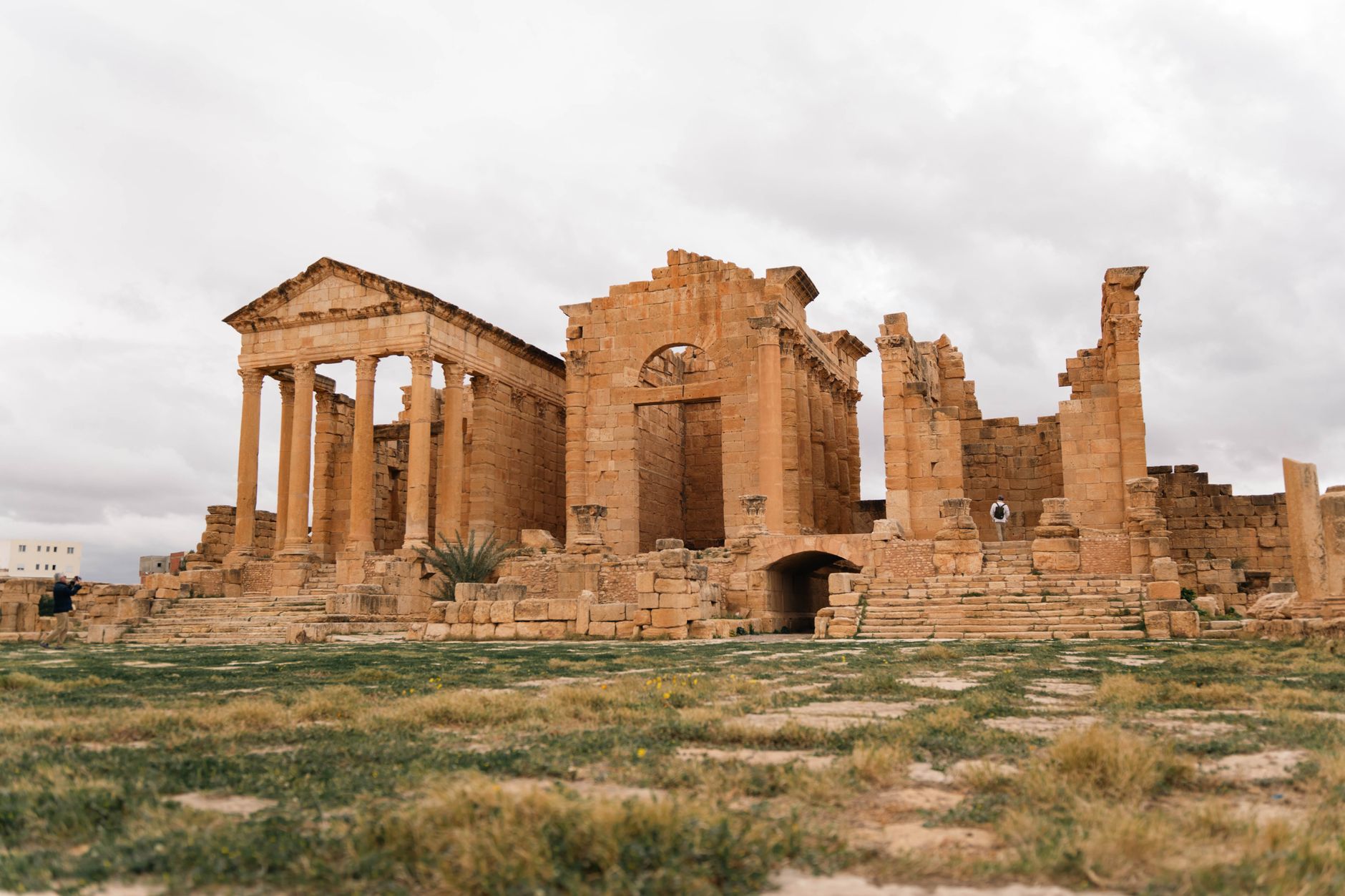
The region around the marshes also contains Tell al-Ubaid, one of the earliest known settlements in human history, and the ziggurat at Ur – the Great Ziggurat, partially restored and entirely extraordinary, rising from the desert floor in the kind of scale that photographs consistently fail to communicate. These sites sit within an easy day trip of the marsh’s edge, meaning a traveler could, in a single week, visit the world’s first city, sleep in a reed house built by the world’s oldest surviving wetland culture, and watch the sun set over water that once gave the ancient world its understanding of paradise. The Sumerian word for the marshes translates roughly as “the place where the sun rises.” They were not speaking metaphorically.
Whether Iraq’s marshes become the next Petra depends entirely on whether the travel industry decides to sell them that way – and whether the Ma’dan want that kind of attention at all.