
The Valley That Tourists Keep Walking Past
Petra gets the headlines, the bucket lists, the Instagram feeds clogged with rose-red facades at golden hour. And it deserves much of that attention – the ancient Nabataean city carved into sandstone cliffs is genuinely extraordinary. But Jordan holds another landscape entirely, one that sits about three hours south and operates on a completely different emotional register. Wadi Rum is not a ruin. It is not a monument. It is a living desert, vast and indifferent, and it has been pulling a quieter crowd of travelers toward it for years now.
The valley stretches across roughly 720 square kilometers of protected wilderness, a joint UNESCO World Heritage site recognized for both its natural formations and its layered human history stretching back thousands of years. Bedouin communities have called it home continuously. Camel caravans passed through it for centuries. Lawrence of Arabia camped here during the Arab Revolt, and the landscape has appeared in so many science fiction films – most recently standing in for extraterrestrial terrain – that first-time visitors sometimes feel an odd sense of recognition before they have even set foot on the sand.
That cinematic quality is real, but it does not quite prepare you for the scale.
What the Desert Actually Looks Like Up Close
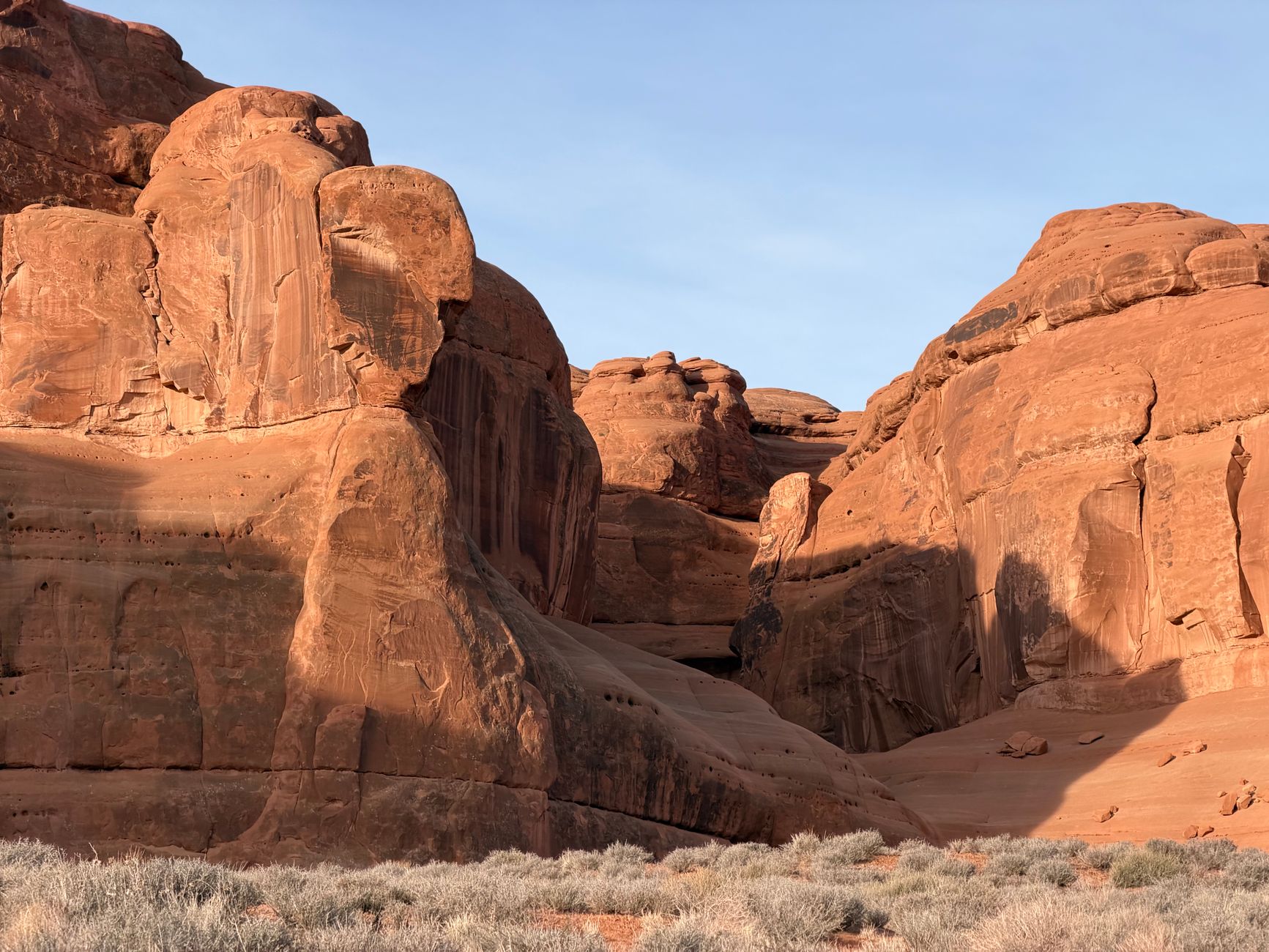
Descriptions of Wadi Rum tend to reach for the word “alien,” and there is a reason for that. The rock formations here – called jebels – rise abruptly from flat, rust-colored sand in shapes that do not follow the gentle rolling logic of most desert landscapes. Some formations stretch 1,700 meters above sea level. Others have been carved by wind and water erosion into archways, canyons, and narrow slot passages that require visitors to turn sideways to pass through. The colors shift through the day in ways that feel almost theatrical: pale amber in the morning, deep burnt orange by midday, and something close to violet when the sun drops.
The standard way to enter the desert is by 4×4, arranged through local Bedouin operators who know the terrain in a way that no map fully captures. Routes wind past petroglyphs etched into cliff faces, spring-fed water sources that have sustained travelers for millennia, and dunes that seem to have been placed deliberately, like props. For travelers who want more physical engagement, guided trekking routes exist at varying difficulty levels, including multi-day traversals that require overnight camping in the open desert. Rock climbing has also become a draw, with routes established on sandstone faces that attract technical climbers from across Europe and beyond.
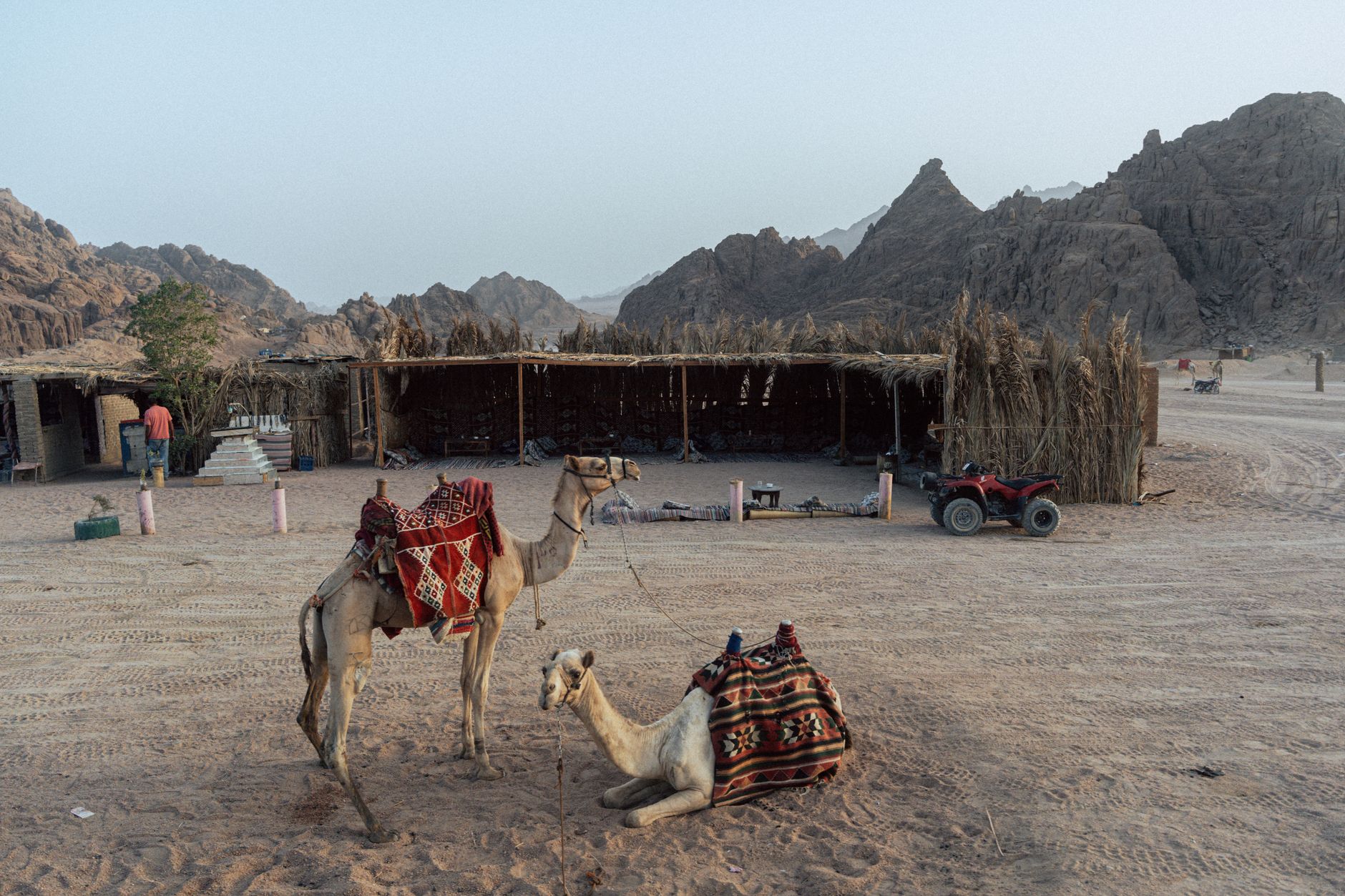
What separates Wadi Rum from many desert experiences marketed to tourists is the genuine absence of infrastructure inside the protected zone. There are no hotels with lobby bars and swimming pools sitting in the middle of the wilderness. Accommodation comes in the form of Bedouin camps – some basic, some increasingly designed with a kind of low-impact luxury involving transparent bubble tents and candlelit dinners under open sky. The camps remain spread out enough that you can spend an entire night without seeing light pollution from a neighboring site.
The Bedouin Economy and How Visits Actually Work
Tourism in Wadi Rum is structured differently than in most Jordanian destinations, and that structure matters for travelers trying to plan a visit responsibly. The protected area is administered through a visitors center at the village of Rum, and all entry into the desert must go through licensed local guides – primarily from Bedouin families who have managed this land for generations. This is not a bureaucratic formality. It is the economic engine that sustains the community and the primary reason the desert has not been overrun with the kind of infrastructure that tends to degrade sensitive landscapes.
The Bedouin guides bring knowledge that genuinely changes the experience. They know which rock faces carry ancient inscriptions, which canyons funnel wind in ways that make photography interesting at specific hours, and where the sand holds the prints of desert foxes that passed through before dawn. Some guides speak multiple languages and can contextualize the landscape historically and culturally in ways that no guidebook replicates. Travelers who try to rush Wadi Rum – arriving for a half-day jeep tour and leaving before sunset – consistently report feeling like they missed something. The desert rewards time and patience in a way that compressed itineraries cannot accommodate.
Logistically, the most common base for visiting Wadi Rum is the nearby town of Aqaba, Jordan’s only coastal city, which sits about an hour’s drive away on the Red Sea. Many travelers combine Wadi Rum with a few days of diving or snorkeling in Aqaba before continuing north to Petra. The Jordan Pass, purchased in advance online, covers the Wadi Rum entry fee along with Petra and dozens of other sites across the country, and represents reasonable value for anyone planning a multi-stop Jordan itinerary.
Why It Holds Its Own Against Petra
Petra commands around a million visitors per year on strong seasons. Wadi Rum draws significantly fewer, and that gap itself has become part of its appeal. The question of which site is “better” is mostly the wrong question – Petra is an archaeological feat, a city built by hand in rock, and nothing in Jordan directly compares to it. But for a certain kind of traveler, the one who finds meaning in silence and space rather than in carved facades and carved history, Wadi Rum delivers something Petra cannot. The desert does not ask you to understand it. It simply exists at a scale that makes personal concerns feel appropriately small.
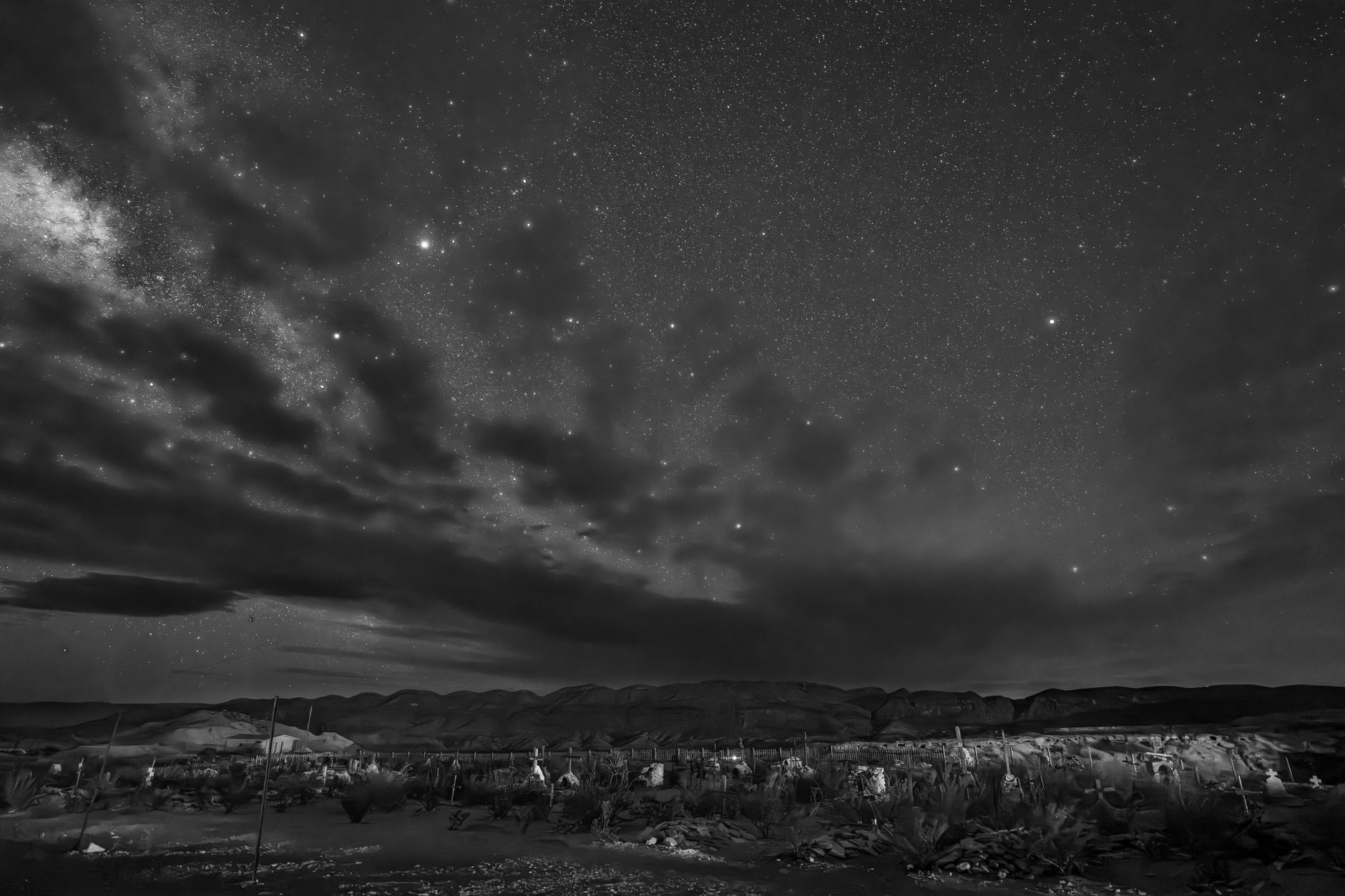
A growing number of travel operators are building Jordan itineraries that give Wadi Rum equal billing rather than treating it as a day-trip afterthought, and that shift in framing is long overdue. The desert warrants at least two nights – ideally three – to experience both the harshness of midday and the extraordinary stillness that settles over the valley after dark, when the Milky Way becomes visible in a way that most city-based travelers have never actually seen in person.
For travelers drawn to other undervisited desert landscapes – the kind that Oman’s Dhofar region offers in a completely different seasonal register – Wadi Rum operates on familiar logic: the further you travel from the obvious landmark, the more the landscape starts to speak for itself. The sand here is fine enough to run through your fingers like water, and after two days in it, most visitors find it almost impossible to describe the color correctly once they have left.