
The Desert That Hollywood Found First
Petra gets the headlines, the UNESCO designation, and the Instagram queues stretching back to the Siq entrance by 9 a.m. But roughly 60 kilometers to the south, Wadi Rum sits in a silence so complete that first-time visitors often stop talking altogether within minutes of entering it. The valley is not a consolation prize for travelers who couldn’t afford Petra. It is a fundamentally different experience – one that rewards people who want to feel genuinely small against a landscape, not simply impressed by human achievement within one.
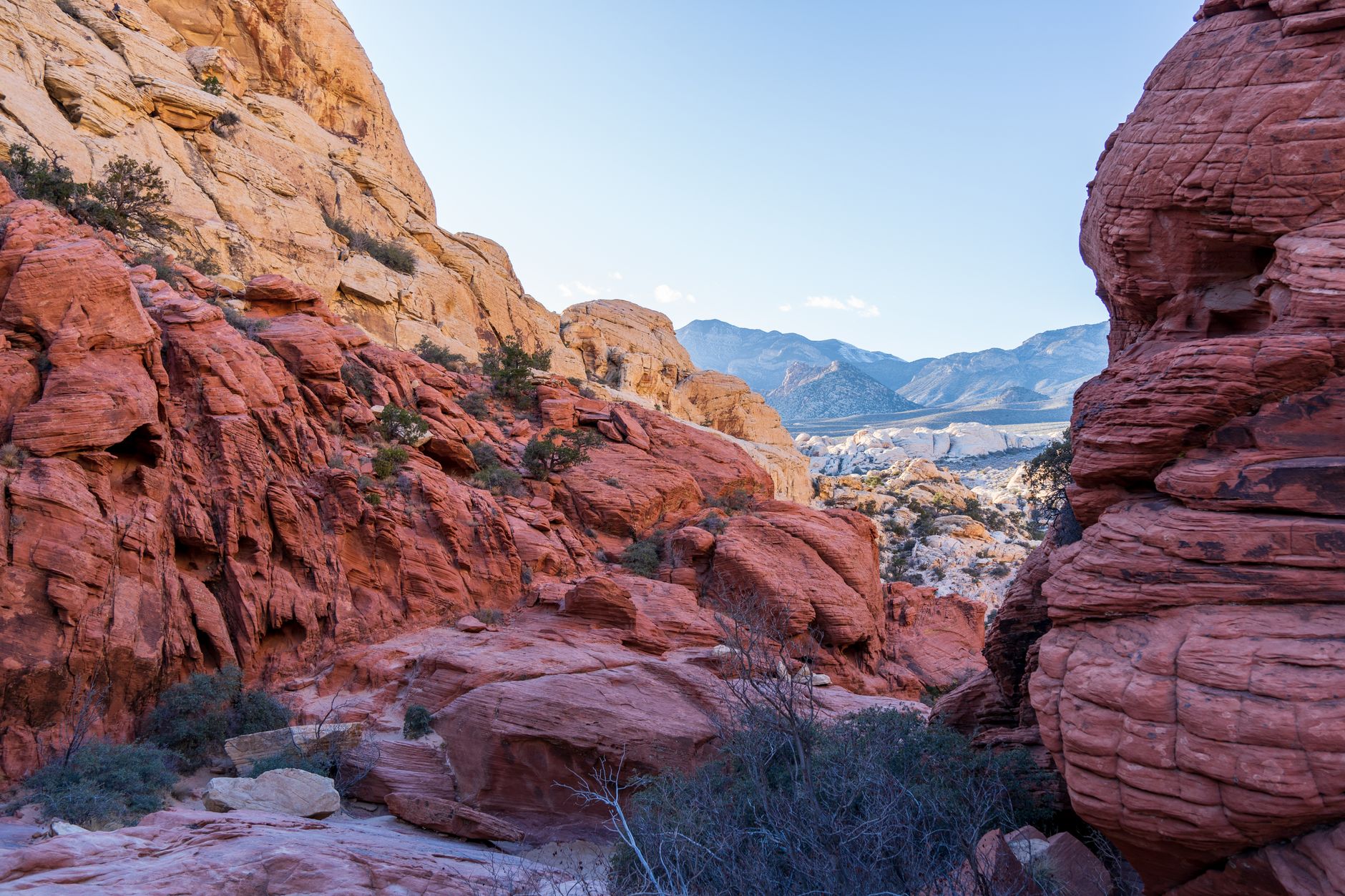
The irony of Wadi Rum’s growing reputation is that cinema found it decades before the broader travel market did. The valley’s rose-red sandstone towers and wind-carved arches have stood in for Mars, Arabia, and fictional alien worlds across dozens of productions. Visitors arrive already holding a visual memory of the place without having visited it. That familiarity cuts both ways – it draws people in, but it also means first-time travelers sometimes expect a film set rather than a living desert with its own rhythms, its own wildlife, and a Bedouin culture that predates every camera crew by centuries.
What Wadi Rum Actually Is
The protected area covers around 740 square kilometers of desert in southern Jordan, designated as a UNESCO World Heritage Site in 2011 for both its natural landscape and its concentration of ancient rock art, inscriptions, and archaeological remains. The valley floor sits at roughly 900 meters above sea level, ringed by dramatic jebels – the Arabic term for mountains – that rise another 500 to 800 meters above it. The colors shift throughout the day from pale amber at sunrise to deep burnt orange at midday and something close to violet at dusk, all without any assistance from filters.
The Bedouin Aqaba tribes have lived in this valley for generations, and the current tourism economy inside Wadi Rum is largely run by those same families. This is not an incidental detail. It determines the texture of a visit in ways that purely commercial desert tourism elsewhere rarely matches. Guides who grew up navigating these rock formations by starlight offer a different caliber of local knowledge than operators who trained for a season and moved on. The relationship between visitor and guide feels personal rather than transactional, which is either exactly what a traveler wants or something they didn’t anticipate needing.
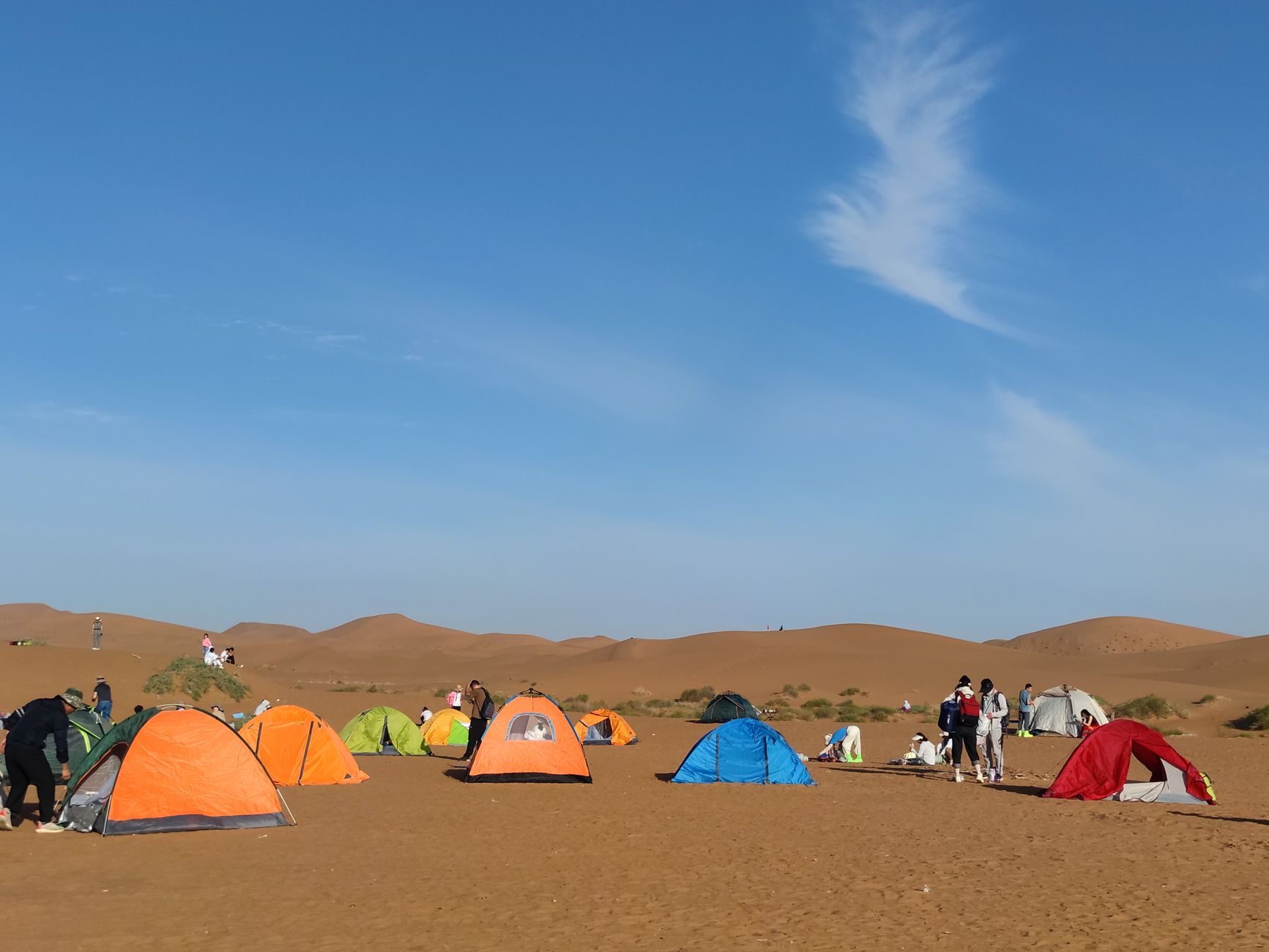
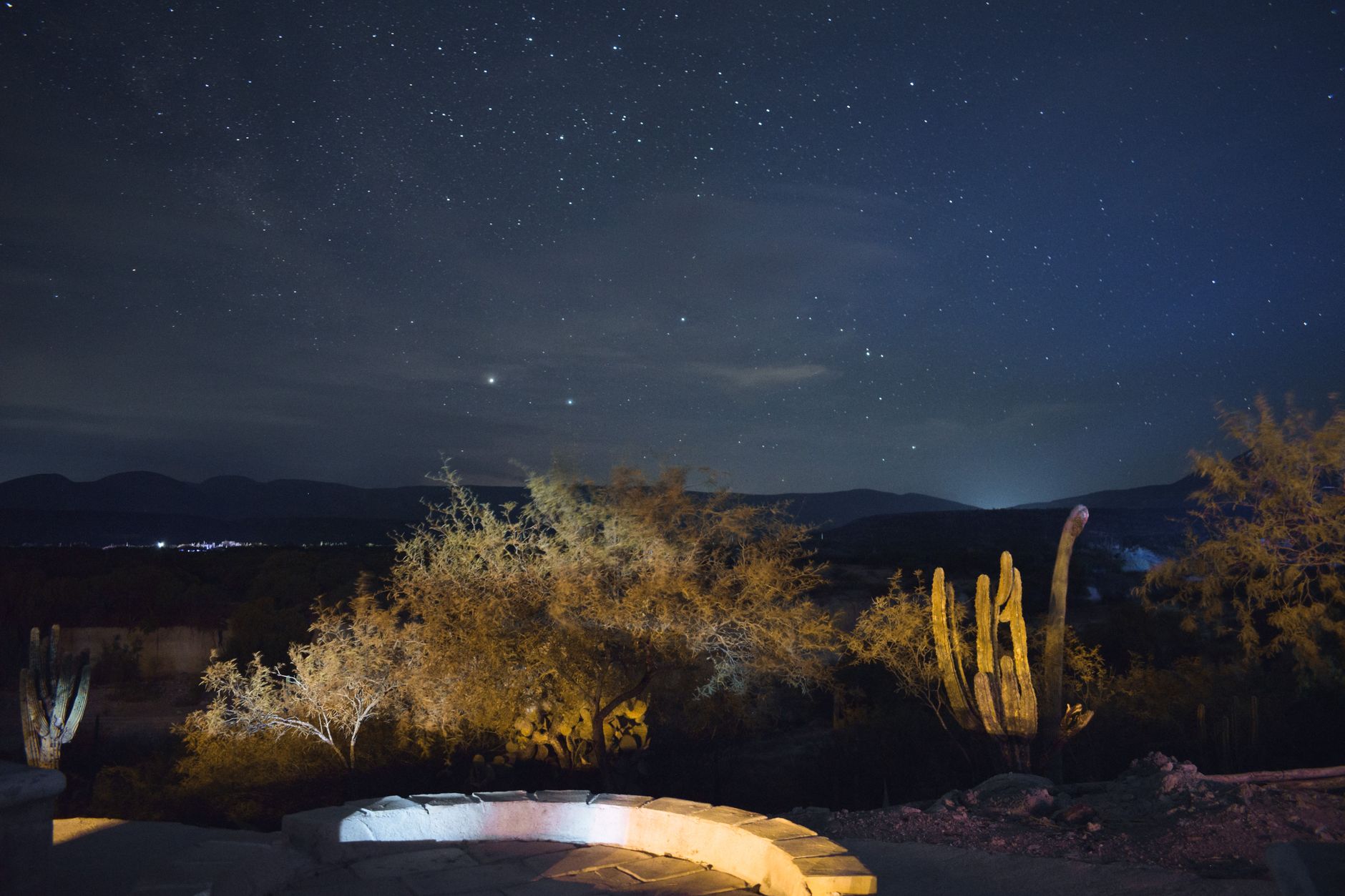
Accommodation inside the protected area runs from traditional Bedouin goat-hair tents to what are now marketed as “bubble camps” – transparent dome structures designed to give unobstructed views of a night sky that, away from any city glow, shows the Milky Way as a physical object overhead. The bubble camps have attracted criticism for their aesthetic departure from the landscape, and that tension between authenticity and comfort tourism is worth watching play out over the next several years.
The Petra Comparison Is Useful but Limited
Petra and Wadi Rum are both in Jordan’s southern corridor, both reachable from Aqaba, and both frequently packaged together by tour operators. The comparison ends at geography. Petra is an archaeological site; you go there to witness what the Nabataean civilization built inside rose-red cliffs roughly 2,000 years ago. Wadi Rum is a natural landscape with human history layered inside it rather than built over it. Choosing between them is not a matter of one being better – it is a matter of what a traveler actually wants from a day or a night or a week in Jordan.
What Wadi Rum offers that Petra structurally cannot is solitude at scale. Even during busy seasons, the sheer size of the protected area means that a 4×4 excursion deeper into the valley puts genuine distance between a visitor and the main tourist cluster near Rum Village. That kind of quiet – the variety that makes a person aware of their own heartbeat – has become genuinely scarce across the Middle East’s most-visited sites. Wadi Rum has not yet lost it, though the pace of new camp openings suggests that window may not stay open indefinitely.
Planning a Visit That Goes Beyond the Day Trip
The most common mistake travelers make with Wadi Rum is treating it as a half-day extension of a Petra itinerary. A jeep tour that starts at 10 a.m. and ends before dinner delivers the major rock formations and a sunset, and there is nothing wrong with that if time is genuinely limited. But the desert’s character changes so dramatically between pre-dawn, midday, and night that a single window misses most of what makes the place memorable.
Staying overnight inside the protected area, at minimum one night, exposes a traveler to the desert’s thermal logic – cold nights that shift abruptly into dry, penetrating heat by mid-morning. It also reveals the star density above the valley floor, which is among the darkest-sky environments accessible to tourists in the region without requiring serious hiking or camping equipment. A growing number of visitors are now building two-night stays into Jordan itineraries specifically to experience both a full dawn inside the valley and a complete night under those conditions.
The best entry point is Rum Village, which serves as the operational hub for the protected area. From there, guides organize trips by jeep, camel, or on foot depending on what a visitor has arranged in advance. Hiking routes through the valley range from short scrambles to multi-day treks that cross the landscape entirely, arriving near the Saudi border. Those longer routes require permits, proper preparation, and guides who know the routes under changing conditions – this is not terrain to read from a blog and improvise.
Jordan’s broader tourism infrastructure has improved considerably over the past decade, with Aqaba’s airport connecting to regional hubs and the Desert Highway linking Wadi Rum to both Petra and Amman in reasonable driving time. The Jordan Pass, which bundles entry to Petra and a national park network, does not currently cover Wadi Rum’s internal guide fees, so visitors should budget separately for those costs – they vary based on duration and the type of excursion arranged. What does not vary is the entry fee to the protected area itself, which is controlled by the Aqaba Special Economic Zone Authority and updated periodically. Anyone who hasn’t confirmed current rates within the last few months before traveling should check directly rather than relying on older itineraries. Price information in the region moves faster than most travel articles get updated.
Frequently Asked Questions
How far is Wadi Rum from Petra?
Wadi Rum is approximately 60 kilometers south of Petra, making both sites accessible as part of the same southern Jordan itinerary, typically via the Desert Highway.
Do I need a guide to visit Wadi Rum?
Independent entry is limited. Most areas of the protected zone require booking with a licensed Bedouin guide, both for navigation and because access is regulated by the Aqaba Special Economic Zone Authority.