
The Valley of the Moon, Without the Crowds
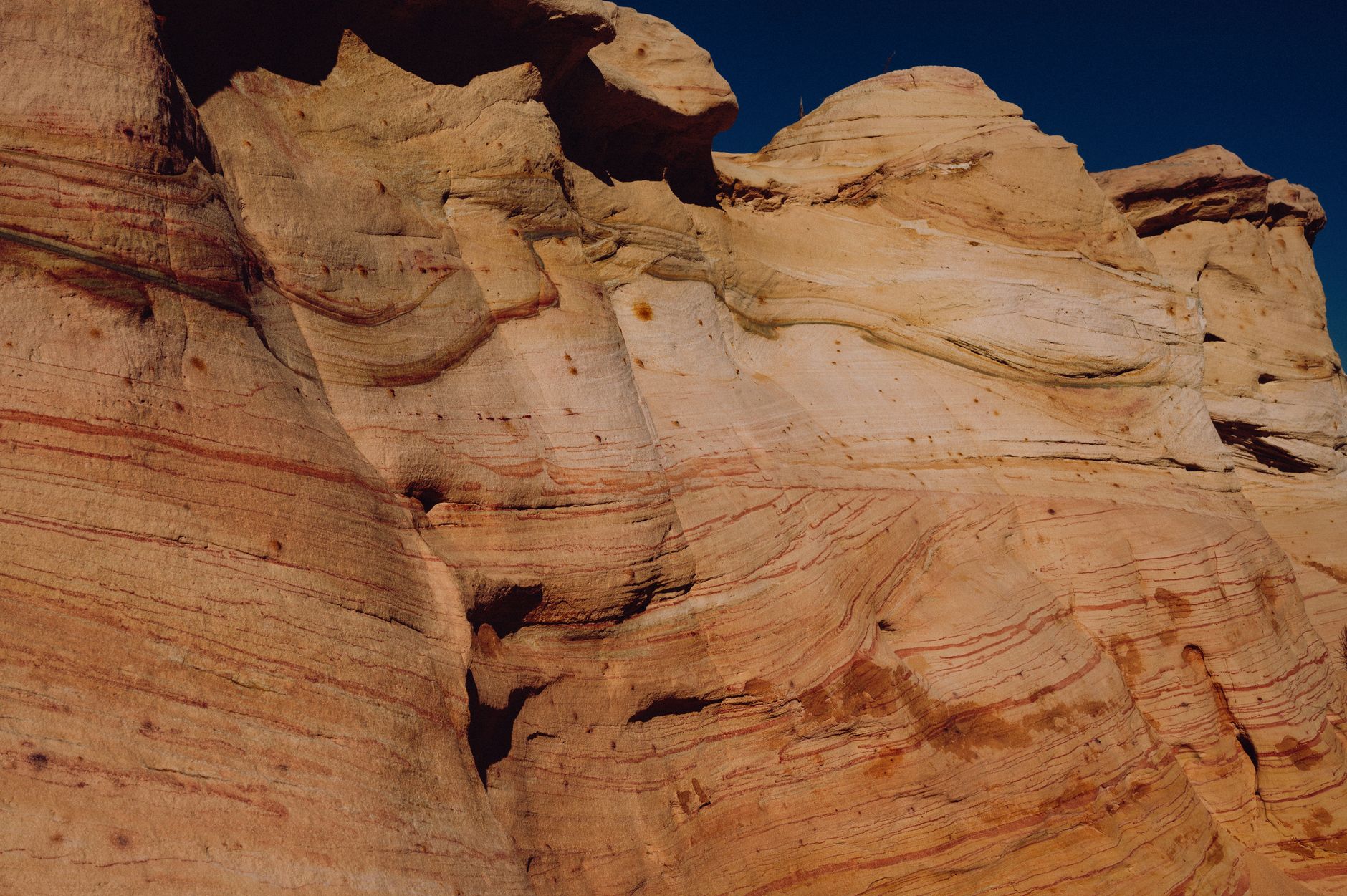
Petra gets the postcards, the UNESCO plaques, and the tour bus convoys. But roughly three hours south, Wadi Rum sits under the same Jordanian sky with something Petra increasingly cannot offer: silence. The protected desert reserve stretches across 720 square kilometers of sandstone cliffs, rust-colored sand, and ancient rock inscriptions that predate the Nabataean civilization Petra is famous for. Most visitors treat it as a half-day detour before crossing into Saudi Arabia or catching a flight home from Aqaba. That calculation is starting to look like a serious mistake.
The landscape has played Mars in multiple film productions and served as a backdrop for some of the most iconic desert cinematography of the past two decades. That pop culture footprint has slowly pushed Wadi Rum onto more serious travel radar, drawing visitors who arrive expecting a scenic pit stop and leave rearranging their entire Jordan itinerary. The reserve is neither a second-tier attraction nor a budget alternative to Petra. It is a genuinely different experience, built around immersion rather than archaeology, and movement rather than monuments.
What the Desert Actually Offers
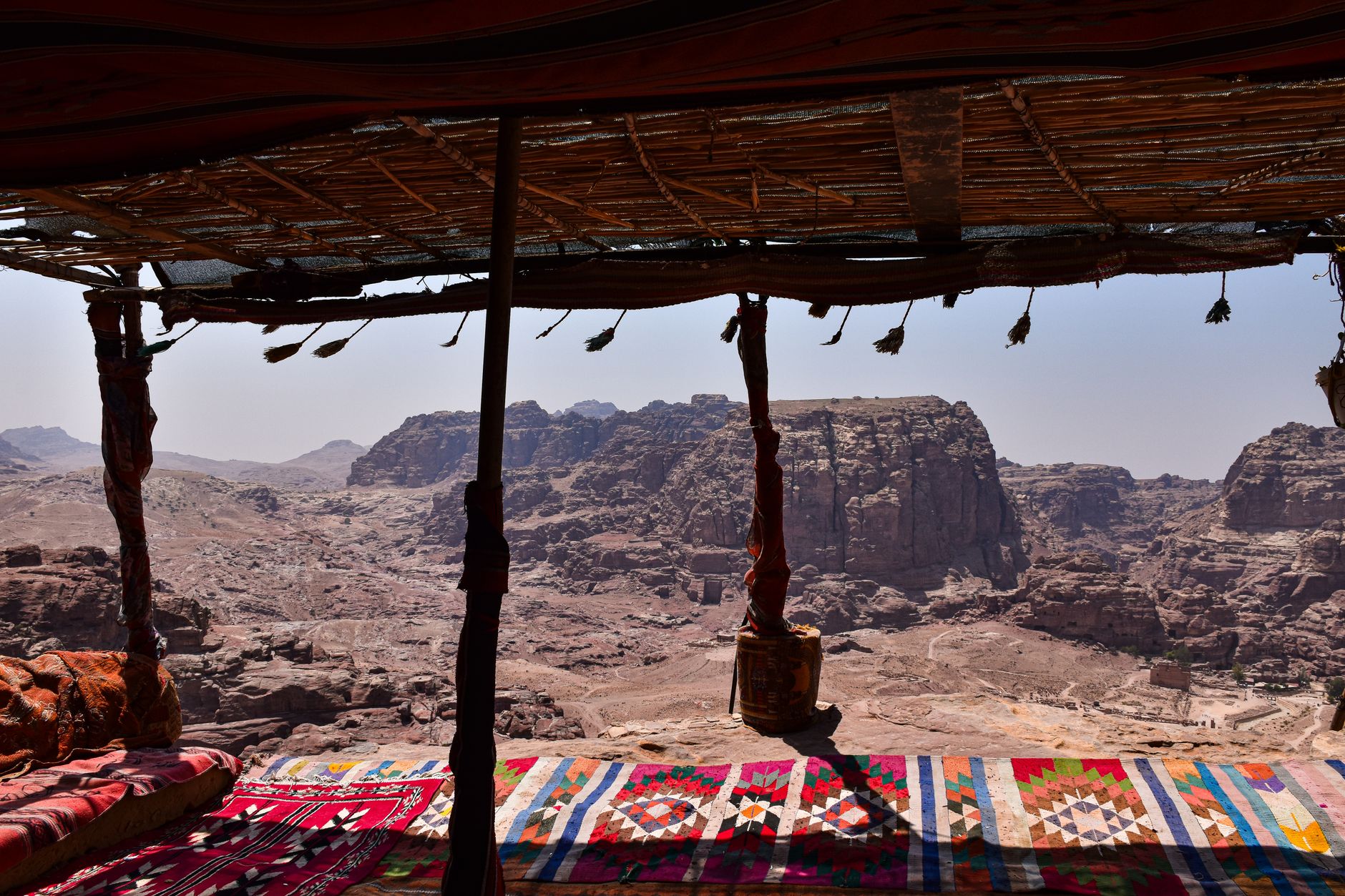
Access to Wadi Rum runs through the visitor center at the village of Rum, where licensed Bedouin guides organize everything from two-hour jeep circuits to multi-day camel treks. The pricing structure is transparent and regulated, which is a rarity in heavily touristed parts of Jordan. Guides are legally required to be local Bedouin, which keeps money within the community and ensures visitors are working with people whose families have navigated these canyons for generations.
The terrain divides into several distinct zones. The southern areas near Jebel Rum feature the reserve’s tallest formations and the most technically demanding climbing routes, drawing a steady stream of sport climbers who come specifically for the sandstone crack systems. The northern areas around Lawrence’s Spring and Khazali Canyon are more accessible and contain the highest concentration of Thamudic and Nabataean rock inscriptions. A single jeep day can realistically cover both zones, but most guides suggest committing two days minimum to understand how the light changes the landscape between morning and late afternoon.
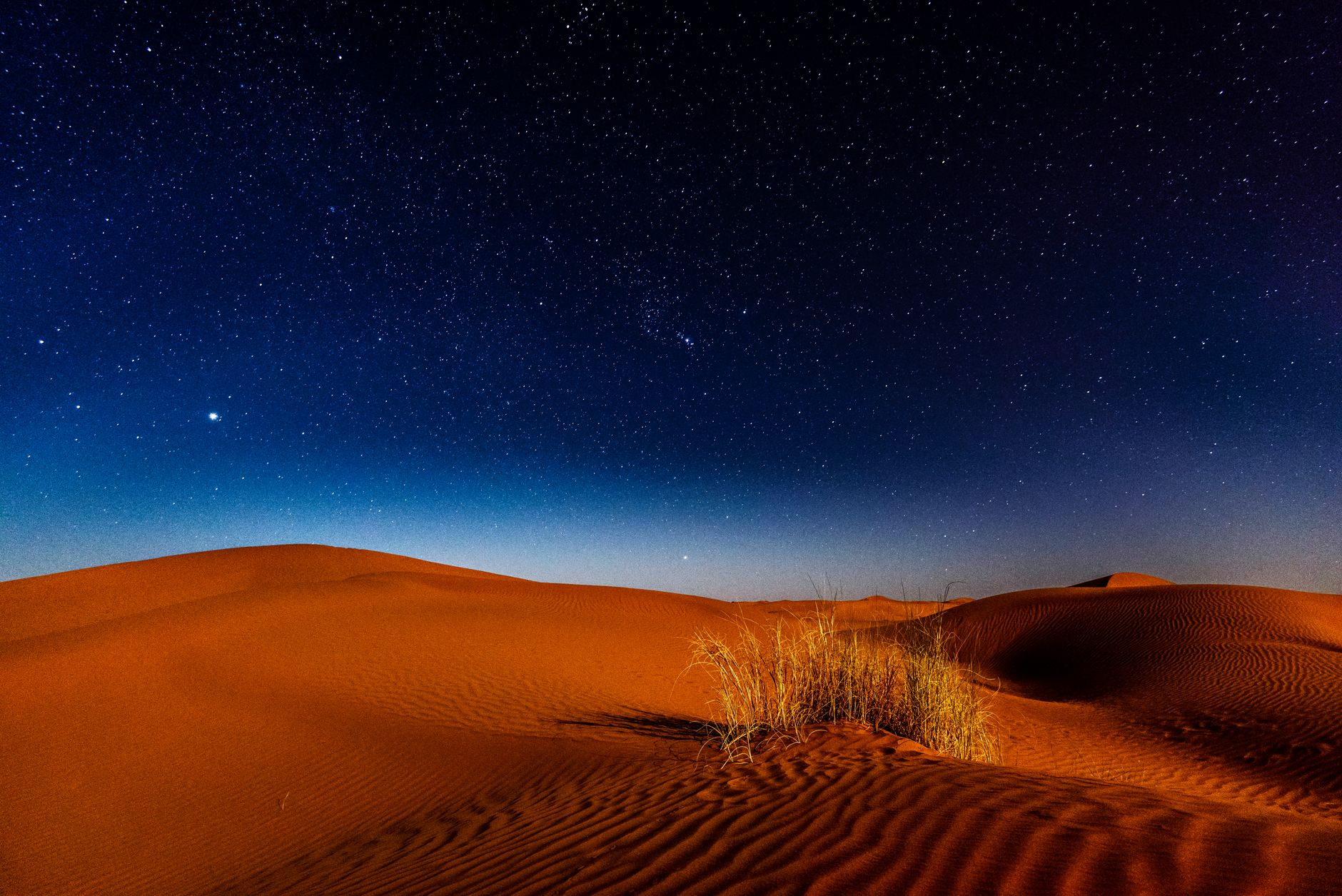
Overnight camping inside the reserve is where Wadi Rum separates itself from almost any comparable desert destination. Bedouin-run camps range from basic mattress-and-blanket setups under open-sided tents to fully enclosed “bubble” accommodations with transparent domes for stargazing. The sky above Wadi Rum carries minimal light pollution, and on clear nights the Milky Way is visible with the naked eye, running horizon to horizon across the desert floor. That experience, alone, justifies the detour from Petra’s candlelit Treasury walk.
How It Stacks Against Petra
Petra commands its reputation honestly. The rose-red city carved into sandstone cliffs is a genuine archaeological marvel, and the Siq canyon approach to the Treasury is one of travel’s great theatrical reveals. But Petra has also become a victim of its own fame. The main circuit from the entrance to the Monastery is congested from mid-morning onward throughout peak season. Vendors crowd the donkey path. The candlelit night event, while atmospheric, runs on a fixed schedule and packages hundreds of tourists into the same space simultaneously.
Wadi Rum offers none of those friction points, at least not yet. The reserve’s structure naturally disperses visitors across a vast area. Two jeeps can park 500 meters apart and their passengers will hear nothing from each other. That dispersal is geographic luck as much as careful planning, but the Jordanian government has shown awareness of the overcrowding problems that have hit Petra and has kept Wadi Rum’s permit system relatively controlled. How long that restraint holds as global interest grows is the open question the reserve’s future depends on.
Practical Reality for Desert Wanderers
The practical case for extending a Jordan trip to include serious time in Wadi Rum is straightforward. Most international visitors fly into Amman and structure a loop: Amman, the Dead Sea, Petra, Wadi Rum, Aqaba, then back north. This circuit works efficiently and the distances are manageable. The drive from Petra’s Wadi Musa village to the Wadi Rum visitor center takes under two hours on the Desert Highway. Anyone already committed to Petra has almost no logistical reason to skip the reserve entirely.
Budget spread across Wadi Rum is relatively low compared to Petra’s entrance fees, which rank among the highest in the Middle East for non-Jordan Pass holders. The Jordan Pass, worth purchasing for any trip covering three or more days, includes Wadi Rum entry alongside Petra access and most other major sites. Accommodation inside the reserve itself varies widely – a basic Bedouin camp for two might run sixty to ninety US dollars per night including dinner and breakfast, while the premium bubble tent operations charge several hundred. Neither end of that range represents poor value against what the experience delivers.
What catches first-time visitors off guard is the physical scale of the place. Photos of Wadi Rum tend to compress the distance between formations, making the desert look like a contained set piece. Standing at the base of Jebel Khazali, with nothing but sand flats stretching several kilometers in every direction, the reserve reveals itself as something that cannot be adequately previewed. Guides who have worked the area for decades report that Western visitors consistently underestimate how disorienting the terrain becomes once they move beyond the first ridge line. Navigation without a local is genuinely inadvisable.
Wadi Rum also functions as a destination in seasons when Petra becomes uncomfortable. Summer heat in both locations is intense, but Wadi Rum’s nighttime temperature drops dramatically, making summer evenings in the open desert surprisingly tolerable. Winter visits bring cold nights but crystalline visibility and near-empty trails. Spring, specifically March through May, delivers the best overall conditions, with moderate temperatures, occasional desert wildflowers along canyon edges, and the low-angle morning light that photographers specifically schedule their trips around. The reserve at dawn in April, when the red cliffs catch the first hour of sun, looks like a planet that has not yet decided what it wants to become.
For desert destinations that reward patience over spectacle, the comparison with Algeria’s Tassili n’Ajjer is worth making: both places carry ancient inscriptions across remote sandstone terrain that tour operators have barely scratched. Wadi Rum has the logistical advantage of sitting inside a stable, tourist-ready country with good infrastructure and a well-established Bedouin guide network. Tassili demands considerably more planning and permits. That difference explains why Wadi Rum is now seeing the attention it is – the barrier to entry is low enough that a serious traveler can do it right without a six-month lead time. Whether that accessibility becomes the thing that eventually overwhelms it is exactly the tension Wadi Rum is now living with.