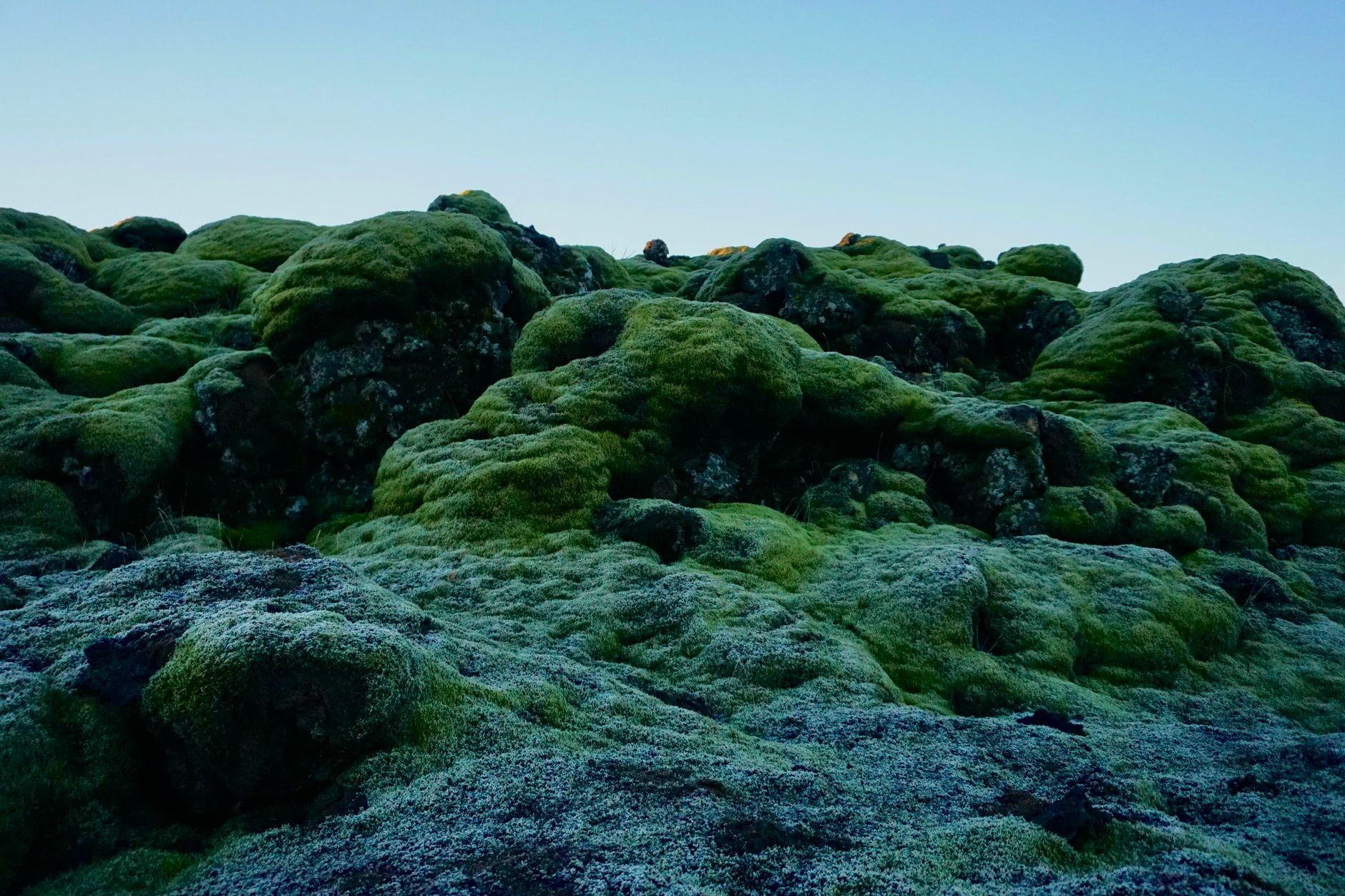

Amboseli gets the postcards. Kilimanjaro looms over its flatlands, elephants parade through dust clouds, and every safari operator in Nairobi has a polished itinerary ready to go. But roughly 80 kilometers northwest, a younger volcanic landscape sits largely unbothered – the Chyulu Hills, where lava tubes snake beneath rolling green ridges and the crowds are almost nonexistent.
A Landscape Built by Fire, Shaped by Rain
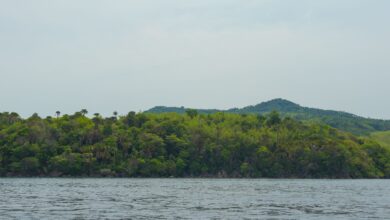
The Chyulu Hills are geologically young by any measure – some sections are estimated to be only a few centuries old, making them among the most recently formed volcanic features in East Africa. The result is a terrain that looks nothing like the dusty savanna surrounding it. The hills are draped in montane forest and open grassland, fed by rainfall that filters through porous lava rock and eventually surfaces as springs feeding the Tsavo ecosystem downstream. The landscape has a lushness that catches visitors off guard, especially those expecting the parched plains of classic Kenya safari country.
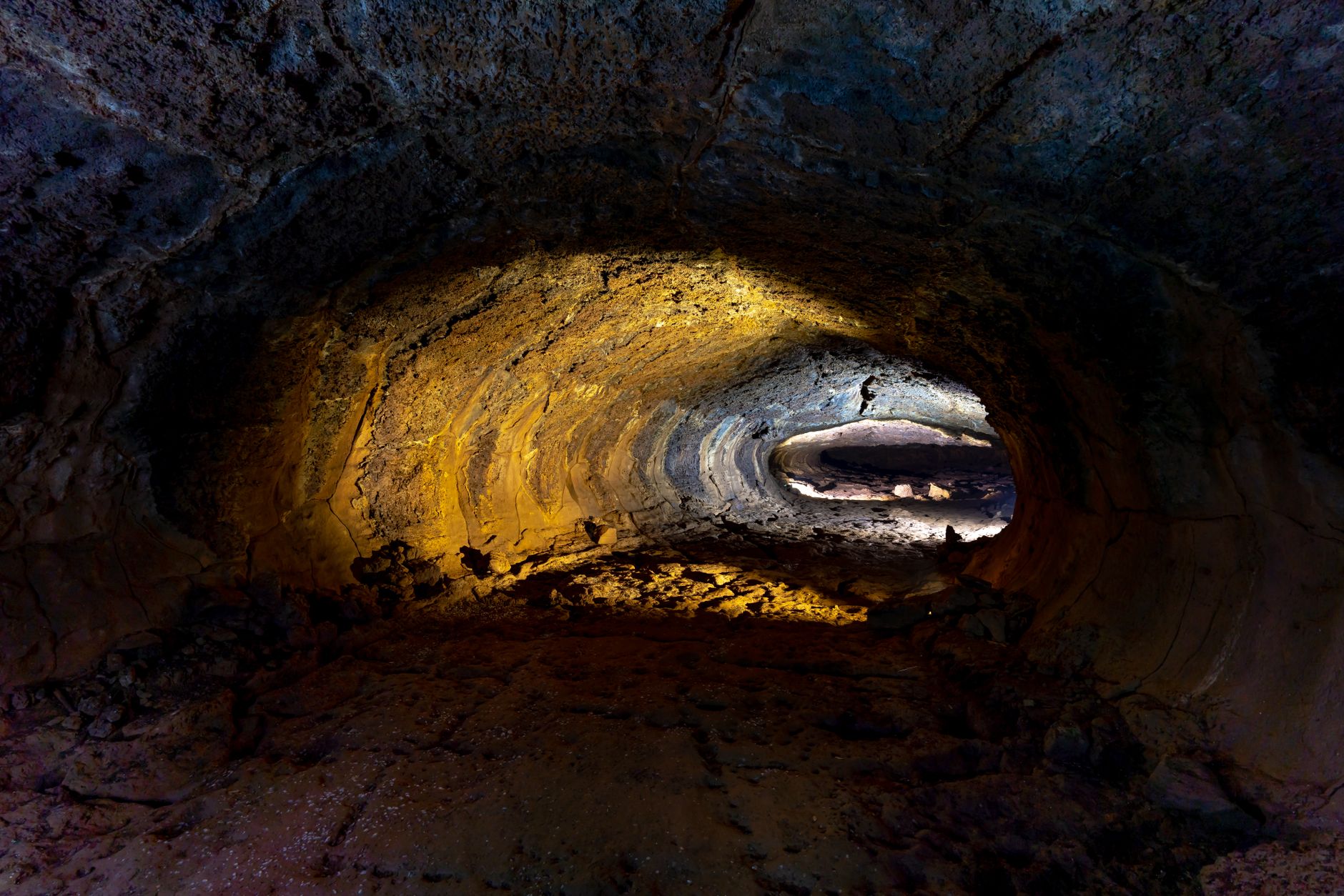
Below the surface, a network of lava tubes runs for kilometers beneath the hills. Leviathan Cave, one of the longest known lava tubes in the world, draws the kind of travelers who show up with headlamps and a tolerance for tight spaces. Inside, the cave opens into cathedral-sized chambers where formations of cooled lava ripple along the walls like frozen waves. The cave is not commercially developed in any heavy sense – no gift shop, no paved path, no light installations. You enter with a guide, a torch, and the understanding that this place has not been softened for tourists.
Above ground, the hiking is quietly extraordinary. The hills rise to around 2,188 meters at their highest point, and trails wind through cloud-touched forest that supports populations of buffalo, eland, leopard, and a remarkable density of bird species. The views north toward Amboseli and south into Tsavo West offer a geographic context that no flat-ground safari can match – you are standing on a spine of solidified magma looking out over two of Kenya’s most famous protected areas simultaneously.
The ecological connection between the Chyulus and Amboseli is not incidental. Water that percolates through the lava rock of the hills emerges in Amboseli’s swamps, supporting the iconic marshland that makes that park function as a year-round wildlife haven. Without the Chyulus acting as a slow-release reservoir, Amboseli’s famous greenery in an otherwise semi-arid landscape would simply not exist. That relationship makes the hills less a rival to Amboseli than its hidden engine – which may explain why they have been overlooked for so long.
What You Actually Experience on the Ground
Access to the Chyulu Hills runs through Chyulu Hills National Park, a protected area that connects directly to Tsavo West, effectively creating a vast unfenced wilderness corridor. The lack of fencing is significant – wildlife moves freely between ecosystems here, and the safari experience tends toward the unpredictable rather than the curated. A morning game drive might produce a leopard sighting or nothing particularly dramatic, and the guides operating in this area tend to be the type who find meaning in tracking signs and reading landscape rather than radioing other vehicles toward a guaranteed lion sighting.
The main accommodation options are deliberately low-density. Several camps operate inside or adjacent to the park, all of them small by East African standards, most of them built with the explicit philosophy that the landscape should remain dominant. One prevailing design approach in the area uses elevated platforms and open-sided structures that keep guests inside the sounds and temperatures of the bush rather than sealed behind air conditioning. Evenings here are genuinely dark – no town glow on the horizon, no generator hum from a nearby resort complex.
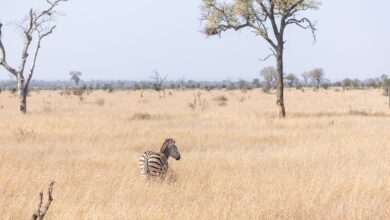
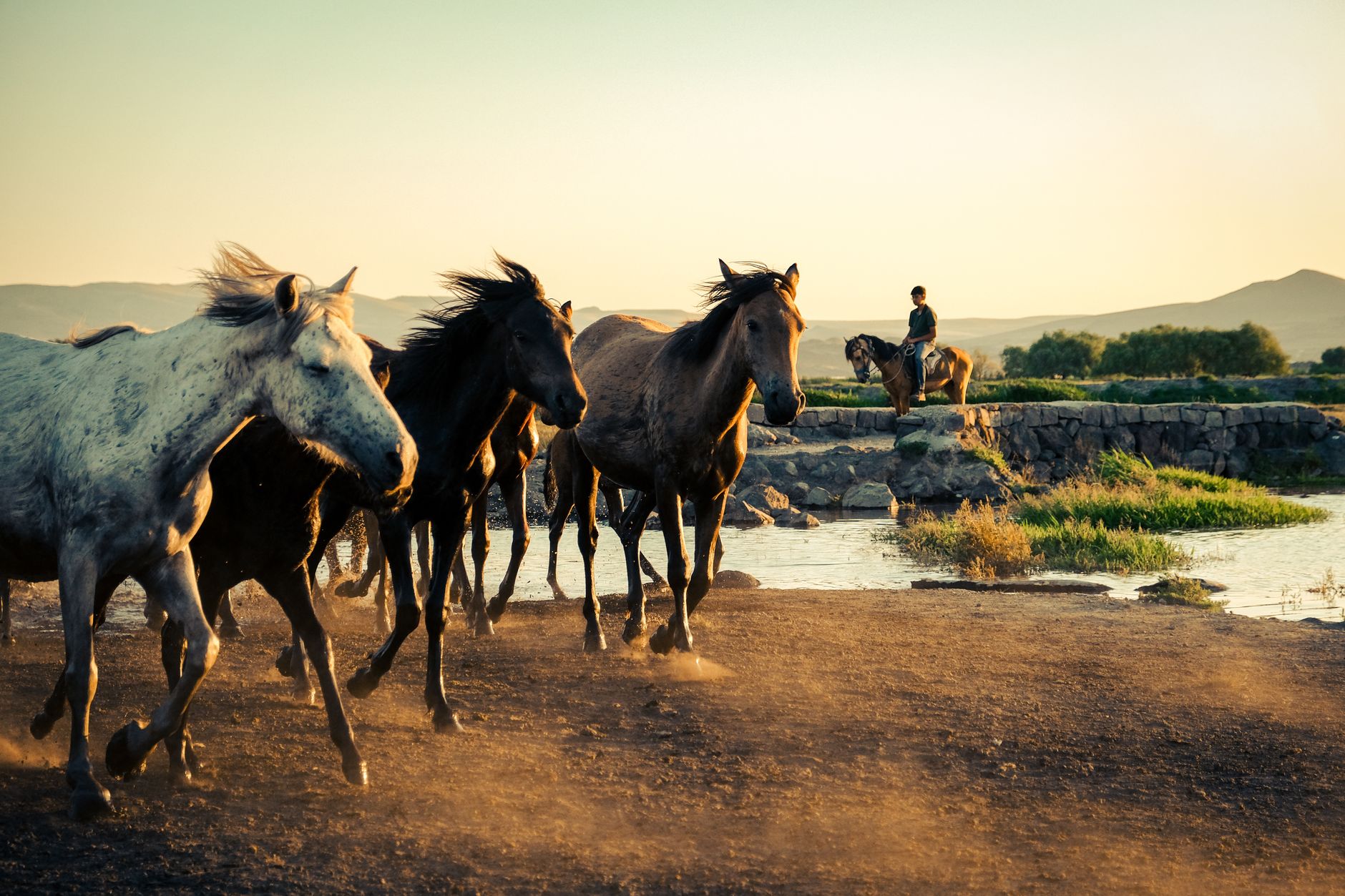
Horseback safaris are a specialty of the Chyulus in a way they are not at most Kenyan parks. The volcanic grasslands are well-suited to riding, and approaching wildlife on horseback changes the encounter entirely. Animals that would move away from a vehicle will often hold their ground or show only mild curiosity when approached quietly on a horse. Zebra, giraffe, and buffalo can be observed at distances that no vehicle safari replicates. For travelers who have done the standard game-drive circuit and want something that requires a different physical engagement with the landscape, this is a legitimate reason to route a trip through the Chyulus specifically.
Night walks have become a draw as well. The invertebrate life active after dark in a lava field environment is genuinely strange – species adapted to porous rock substrates and underground micro-climates that do not exist in conventional savanna. A guided night walk across cooled lava flows with a knowledgeable naturalist produces the kind of observations that don’t make it into standard safari highlight reels but stay with travelers for years. This is the category of experience the Chyulus does best: slow, specific, slightly disorienting.
The Maasai community has a significant presence in the hills and surrounding areas, and several operations run with community partnerships that predate the recent wave of conservation tourism branding. That long-standing relationship shows in practical ways – guides with genuine multi-generational knowledge of the land, cultural interactions that have context and history rather than performance quality, and revenue structures where local benefit is built into the model rather than added as an afterthought. Travelers who ask about these arrangements before booking tend to find meaningful differences between operators.
Timing, Access, and the Question of When to Go
The Chyulus receive two rainy seasons consistent with the broader Kenya pattern – the long rains from roughly April through June and a shorter period in November. The green season transforms the hills into something almost implausibly lush, and while some camps close during peak rain months, those that remain open offer a completely different visual experience from the dry-season landscape. Wildlife can be harder to locate when vegetation is thick, but the cave systems and horseback riding are not weather-dependent in the same way, making the Chyulus a more viable wet-season destination than most Kenyan parks.
Getting there typically involves a flight from Nairobi’s Wilson Airport to a private airstrip near the park – a journey of roughly an hour that bypasses the long road drives across Tsavo. The combination of Chyulu Hills with Amboseli or Tsavo West is natural and logistically clean, and any itinerary that includes all three areas is essentially tracing a single connected wilderness from the air. The real question is whether travelers are willing to spend two or three nights somewhere without a signature species to guarantee, where the point is the landscape itself and what lives inside it rather than a checklist of megafauna. For a growing number of repeat Africa travelers, that trade is exactly the one they want to make.