Kenya’s Samburu Reserve Quietly Rivals the Masai Mara for Dry-Country Wanderers

The Masai Mara gets the magazine covers, the documentary voiceovers, the bucket-list checkmarks. But roughly 350 kilometers north, in Kenya’s parched Rift Valley scrubland, the Samburu National Reserve runs a quieter, stranger, and arguably more rewarding kind of wildlife theater.
A Different Kenya Entirely
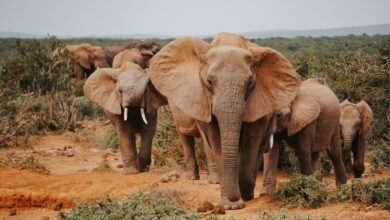
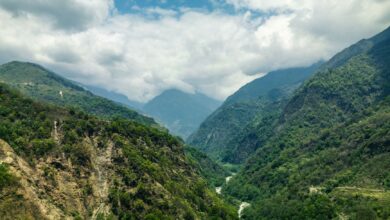
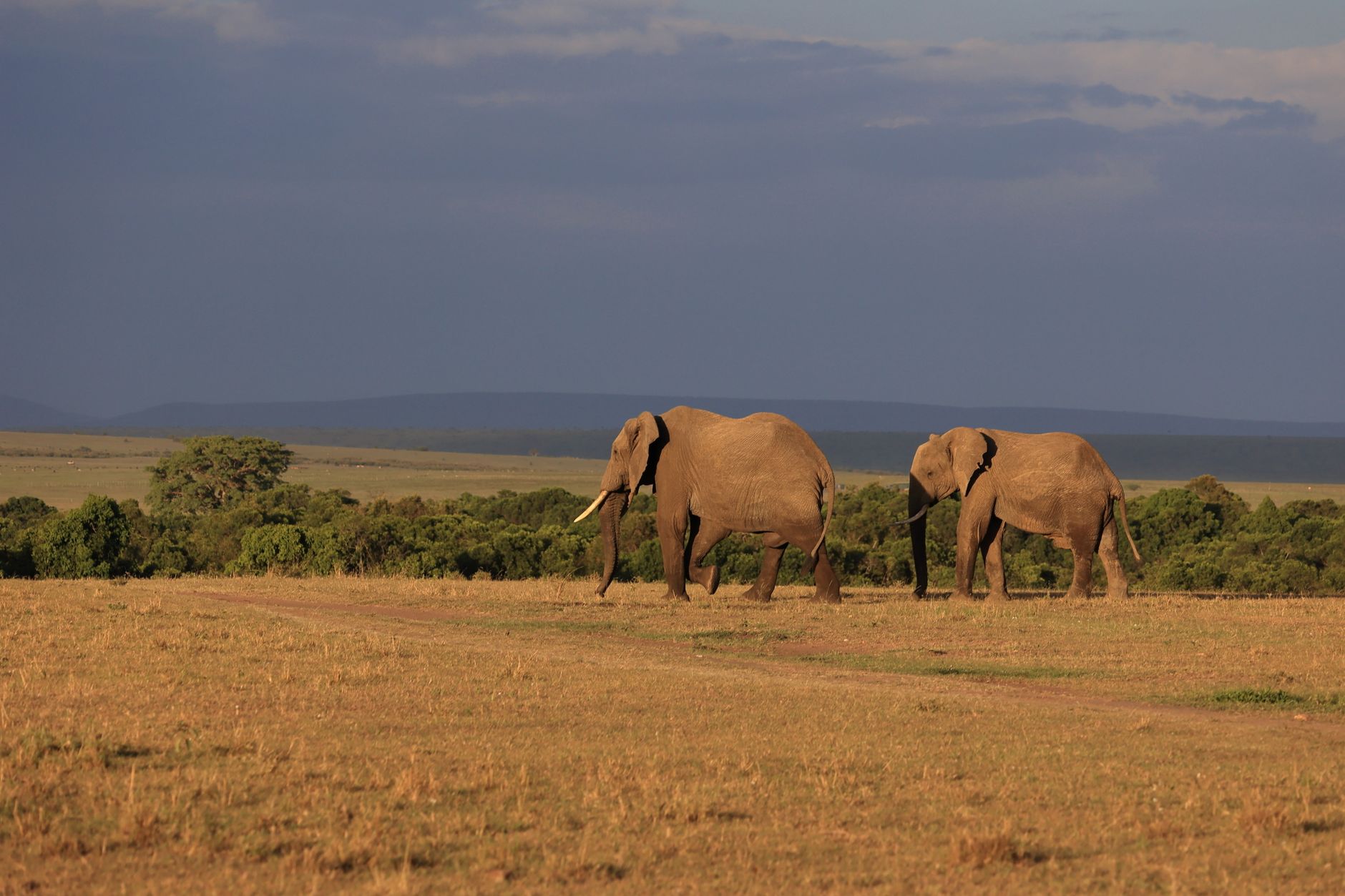
Samburu sits in the Northern Frontier District, a semi-arid stretch of acacia woodland and red-dust plains that feels nothing like the Mara’s rolling green savannah. The Ewaso Ng’iro River cuts through the reserve like a lifeline, drawing animals from the surrounding dry country into dense concentrations along its shaded banks. Crocodiles idle in the shallows. Elephants wade in broad family herds. Leopards drape themselves across overhanging branches with an indifference to human observers that takes most visitors off guard.
The reserve covers roughly 165 square kilometers, which makes it compact by East African standards – small enough that a single morning game drive can cross dramatically different habitats, from riverine forest to open thornbush to rocky kopje country. That compression works in a visitor’s favor. There is no grinding four-hour transfer between sighting zones, no convoy of identical Land Cruisers parked at a single lion kill. The logistics of wildlife-watching here are simply tighter, more immediate.
What Samburu offers above all else is exclusivity without the price barrier that word usually implies. The reserve sees a fraction of the visitors the Mara draws during peak season. Game drives rarely produce the bumper-to-bumper spectacle that has become a defining – and for many travelers, deeply uncomfortable – feature of the Mara’s wildebeest migration season. In Samburu, the animals and the silence tend to arrive together.
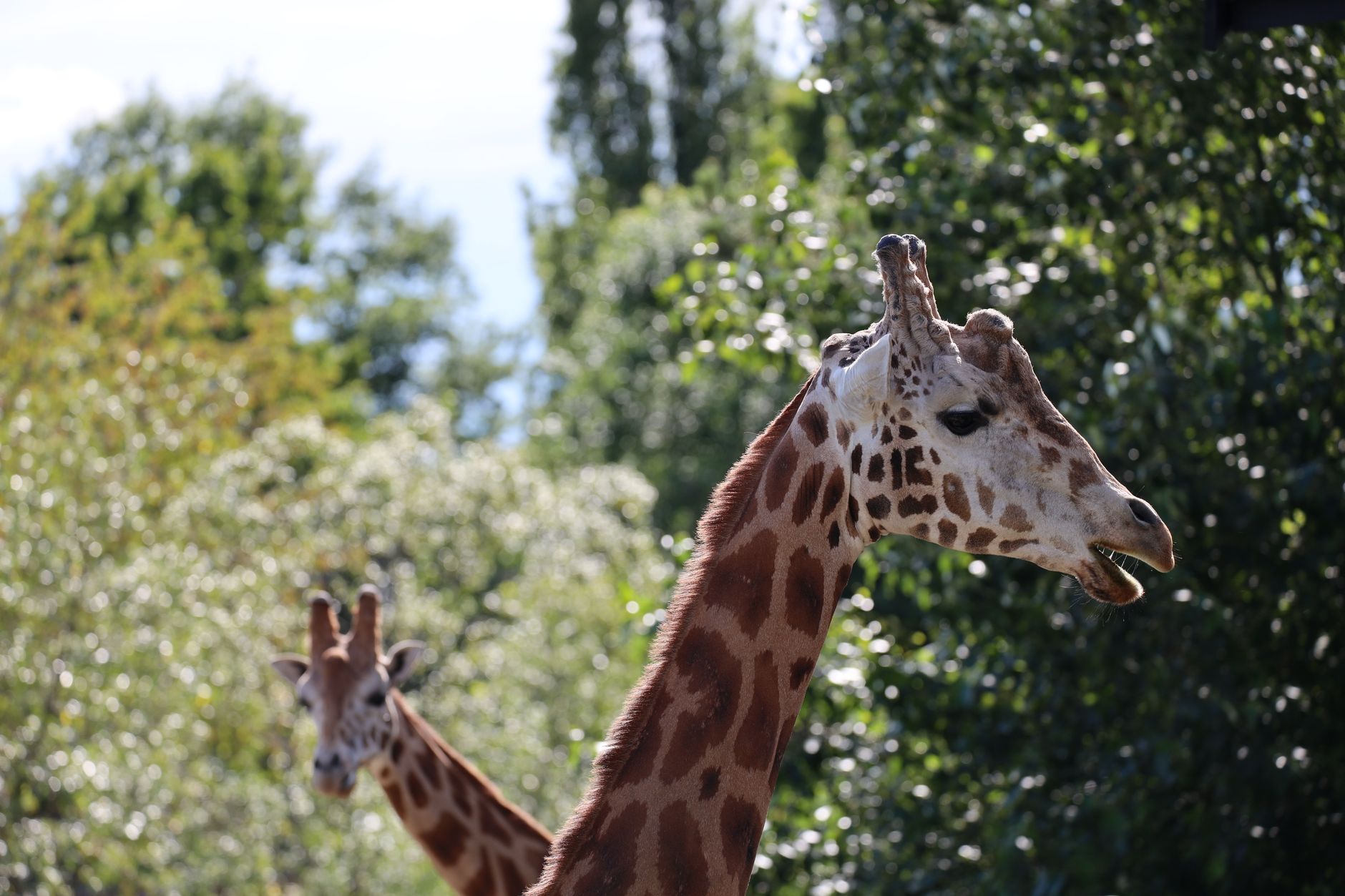
The reserve is also one of the few places in Kenya where the so-called “Special Five” replace the standard Big Five entirely. Reticulated giraffe, with their sharp geometric patterning, are so common here they barely register as a sighting after the first day. Grevy’s zebra, with rounded ears and narrower stripes than their southern cousins, graze alongside them. Beisa oryx, Somali ostrich, and gerenuk – the impossibly long-necked antelope that browses standing upright on its hind legs – complete the set. None of these animals appear reliably in the Mara, and several are found almost nowhere else in Kenya.
When to Go and What to Expect
Samburu operates on a different seasonal logic than the Mara. Because the ecosystem is semi-arid rather than true savannah, the dramatic flood-driven wildebeest migration that defines the Mara’s calendar simply doesn’t apply here. Wildlife is concentrated year-round by the Ewaso Ng’iro River, which means the dry seasons – January through March and July through October – produce the densest sightings rather than a single spectacular annual event. The river shrinks, surrounding waterholes dry up, and every species that depends on surface water funnels toward the same narrow corridor.
The short and long rains (April-May and November-December respectively) do thin the sightings somewhat, as animals disperse across a wider area when water becomes available. But the rains also bring the landscape alive in ways that drone footage struggles to capture honestly – the acacia woodland turns from beige to green almost overnight, and bird life explodes across the reserve in numbers that draw dedicated birders who care nothing about the big mammals. Samburu lists well over 350 bird species, including several Somali-zone endemics that cannot be ticked anywhere further south in Kenya.
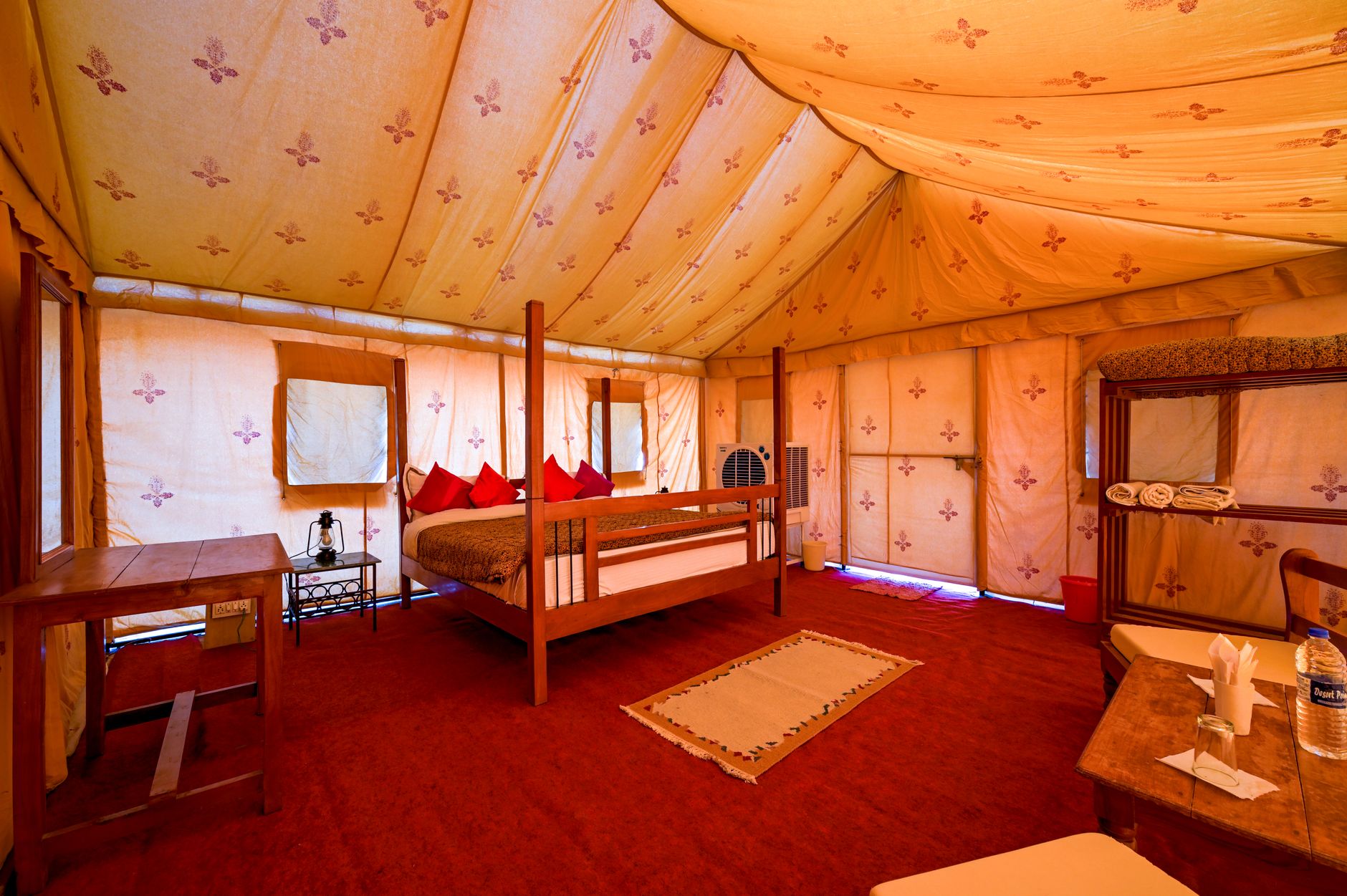
Accommodation ranges from mobile tented camps to permanent lodges built into the riverbank, and the quality gap between budget and luxury here is real. The mid-range and upper camps tend to position themselves along the river for a reason – nighttime visits to camp by elephant and buffalo are not unusual, and the experience of eating dinner while a herd of thirty elephants works the opposite bank is one that no staged safari encounter can replicate. Rates are generally lower than equivalent Mara properties, and the camps are smaller, which compounds the sense of personal access to the landscape.
Getting there involves either a short flight from Nairobi’s Wilson Airport to the Samburu airstrip – around ninety minutes – or a road transfer of roughly five to six hours through Nanyuki and Isiolo. The road route passes through Samburu community land before reaching the reserve boundary, and on a clear day, Mount Kenya’s snow-capped peaks dominate the rearview mirror the entire way north. It’s a reminder of how geographically layered Kenya actually is, stacking alpine, highland, and near-desert ecosystems within a single day’s drive.
The surrounding conservancies – Kalama, Sera, and the wider Laikipia plateau that edges the region – extend the experience considerably for travelers willing to plan beyond the reserve boundaries. Sera Conservancy, managed by the local Samburu community, runs the only community-owned rhino sanctuary in Africa, where black rhino are being reintroduced to an area they haven’t occupied in decades. Night game drives, unavailable inside the national reserve itself, are permitted in some of the private conservancies, which opens up a completely separate cast of nocturnal characters: aardvark, serval, honey badger, and the occasional caracal working the darkness between acacia groves.
The Case for Going Now
Samburu’s relative obscurity is genuinely finite. As overtourism pressure on the Mara intensifies and travelers start researching alternatives, the northern reserves are appearing more frequently in the kind of travel journalism that moves itineraries. Several new high-end camps have opened in the surrounding conservancies over recent years, and the infrastructure connecting Isiolo to the north has improved enough that road access is no longer the deterrent it once was. The window of visiting somewhere before it becomes a standard itinerary stop is open, but it is not indefinitely open.
What makes Samburu worth the argument is not just what it offers instead of the Mara, but what it offers that the Mara structurally cannot – a landscape that still absorbs visitors rather than managing them. The gerenuk standing on its hind legs to reach an acacia branch six feet off the ground doesn’t know it’s performing for anyone. That specific quality of indifference, the sense that the reserve would behave exactly the same way if no one showed up, is harder to find in East Africa every year.