
Kosovo’s Best-Kept Secret Runs Deep
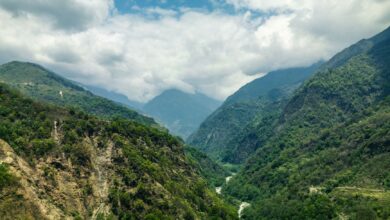
Rugova Canyon stretches nearly 25 kilometers through the Western Kosovo mountains, carving a path so dramatic that the rock walls in some sections rise over 1,000 meters above the canyon floor. It connects the city of Peja – one of Kosovo’s most historically layered urban centers – to the high alpine meadows of the Rugova highlands, and yet most canyon-focused travelers flying into the Balkans still route themselves toward Albania’s Valbona or Osumi without giving Kosovo a second glance.
That oversight is narrowing. A growing number of hikers, climbers, and long-route wanderers are making Rugova their anchor destination rather than a day trip afterthought. The canyon’s mix of technical climbing terrain, accessible gorge walks, and untouched village stays creates a layered experience that the more heavily trafficked Albanian corridors now struggle to match on pace alone.
What the Canyon Actually Offers
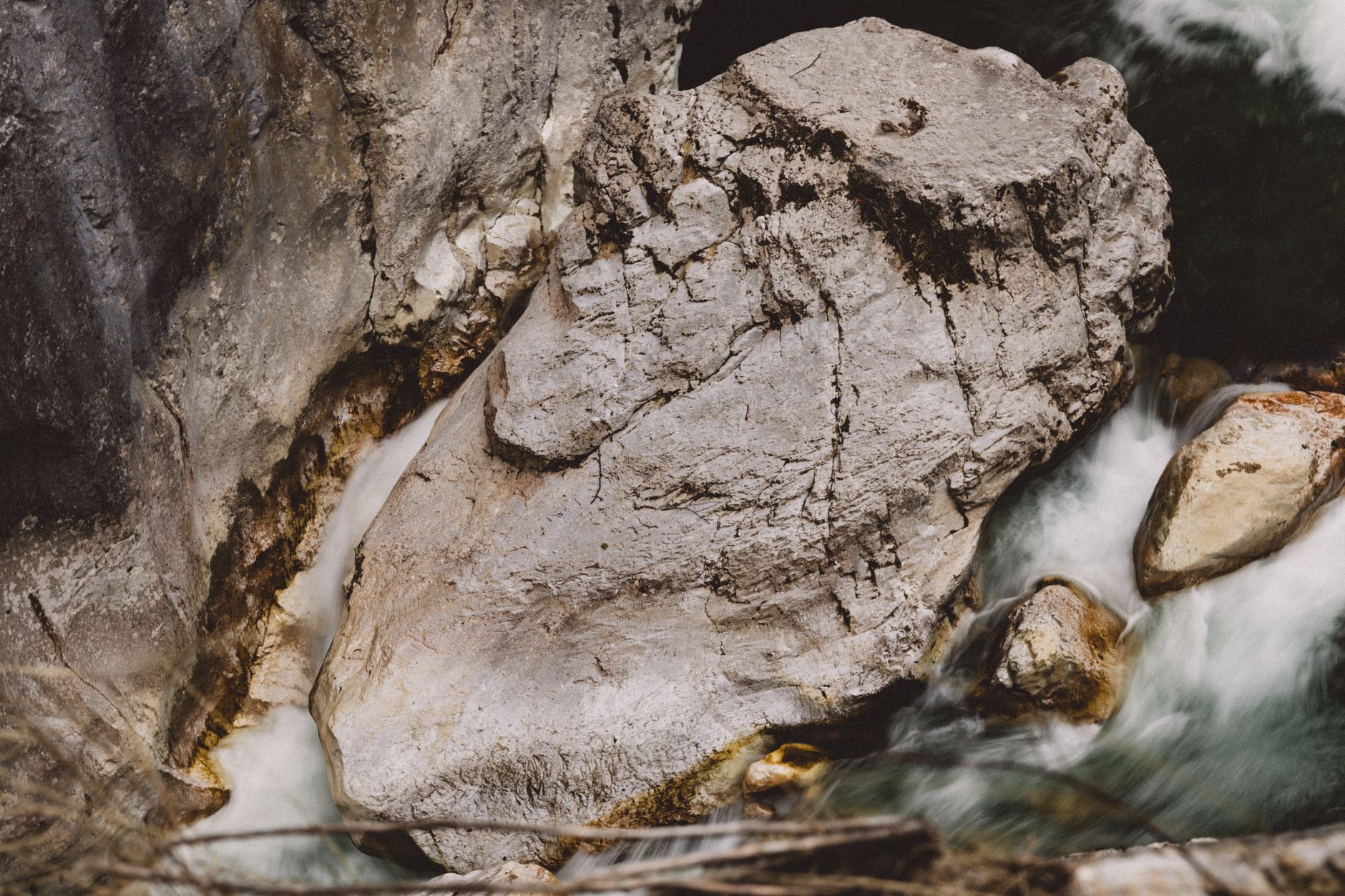
The lower canyon corridor runs along the Lumbardhi river, which runs clear and fast through a narrow limestone gorge. The road that follows it is paved but thin, carved against the cliff face, and the combination of rushing water, sheer walls, and mountain-fresh air at low altitude makes even the drive into the canyon feel like a destination. Hiking trails branch off the road at multiple points, some well-marked and others more instinct-based, leading up to ridgelines with views across to the Prokletije range.
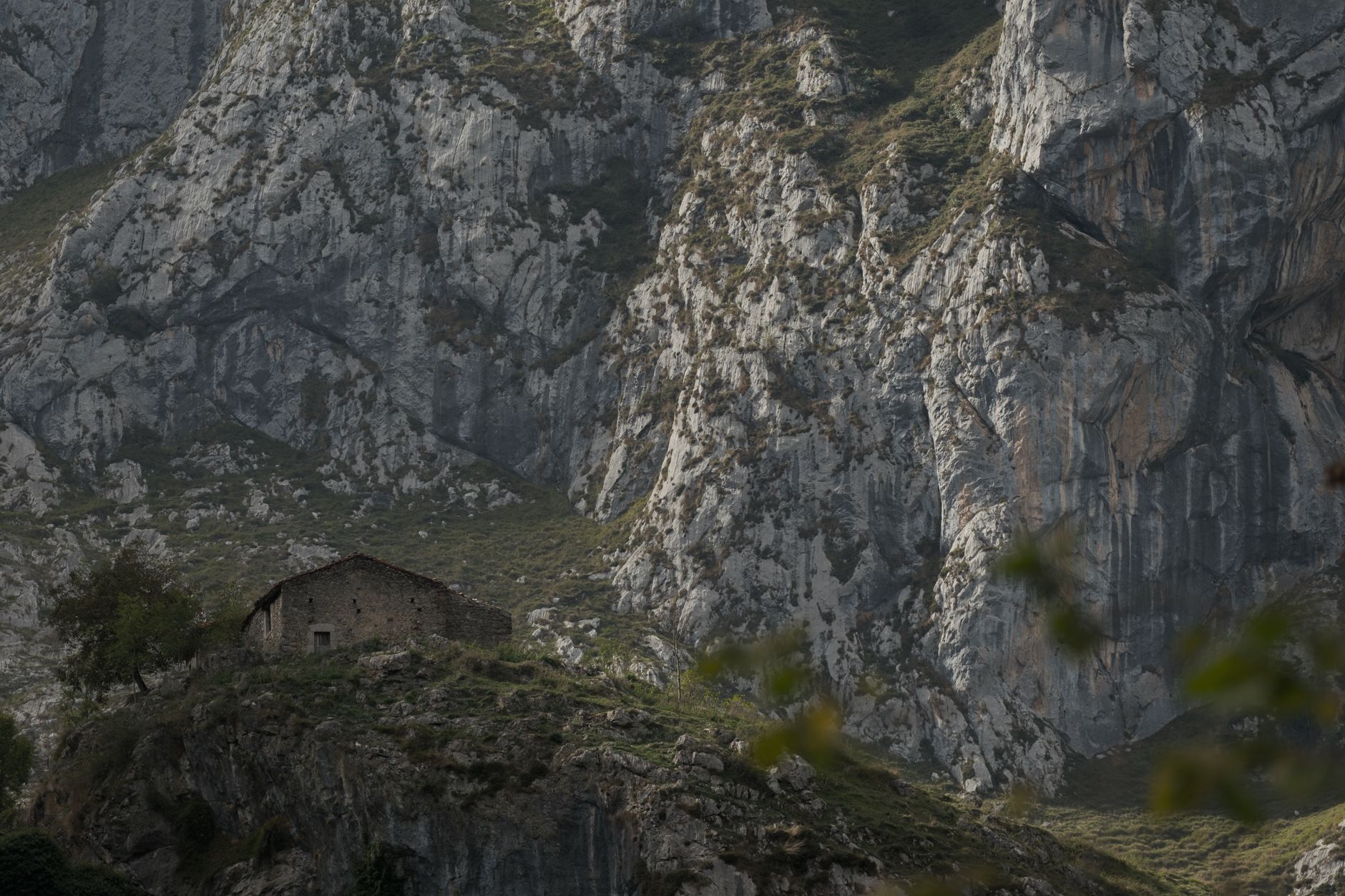
Rugova has been recognized as a climbing region for several decades, with hundreds of established sport climbing routes on the limestone faces near the canyon entrance. The density of routes, ranging from beginner-accessible lines to serious multi-pitch terrain, puts it on par with mid-tier climbing destinations in Montenegro and North Macedonia. The difference is that Rugova remains almost free of the weekend crowds that have started defining those places from May through September.
Accommodation in the canyon zone runs mostly through family-run guesthouses, several of which sit directly against the cliff walls or overlook the river. Meals are typically home-cooked, heavy on lamb, dairy, and foraged mountain greens. The cost is low by any Balkan standard, and the experience of eating dinner while watching the canyon walls shift color at dusk carries a quality that no boutique property in Tirana’s orbit currently replicates.
The Albania Comparison Is Real
Albania’s canyon tourism – particularly the Osumi gorge and the Valbona valley corridor – has spent the last several years building genuine infrastructure and international visibility. Tour operators are running boat trips into Osumi, and Valbona now sees enough seasonal traffic that trail erosion and accommodation pressure have become real concerns. That popularity was earned, but it has changed the character of the experience for travelers who came specifically for solitude and unmediated landscape access.
Rugova offers what those Albanian routes offered five or six years ago. The trails are not crowded. The guesthouses have not been bought out or formatted into boutique properties. The climbing crags on a Tuesday morning in July are likely to be nearly empty. This is not a value judgment about Albania’s direction – it is simply a description of where Rugova sits on the development curve right now.
Getting There and Staying Grounded
Peja is reachable by bus from Pristina in roughly two hours, and the road connection from Pristina’s Adem Jashari International Airport is direct and manageable by taxi or rental car. From Peja’s old bazaar – itself worth an afternoon given the Patriarchate of Peja monastery complex sitting at the canyon’s mouth – the canyon road begins almost immediately. There is no long transfer from the city to the nature. The transition is abrupt and intentional.
Most travelers building a Balkan itinerary around canyon terrain tend to anchor in one or two primary destinations. Rugova argues for being one of them rather than a footnote. A four-to-five day stay allows time for the main gorge walk, at least one ridge climb, a visit to the Hadum mosque and bazaar back in Peja, and an overnight in one of the highland villages above the canyon floor where the pace slows further. Those villages operate on agricultural time, and the contrast with a major European city – even a mid-sized one – is stark enough to feel genuinely restorative.
Kosovo as a country is still navigating recognition status internationally, which means some credit cards may not process reliably and certain booking platforms do not list local properties. Cash remains the practical standard, and arriving with euros is the right call. These are minor logistical adjustments, not barriers. They do, however, explain in part why the destination has not been algorithmically surfaced the way comparable spots in EU-member Balkan countries have been.
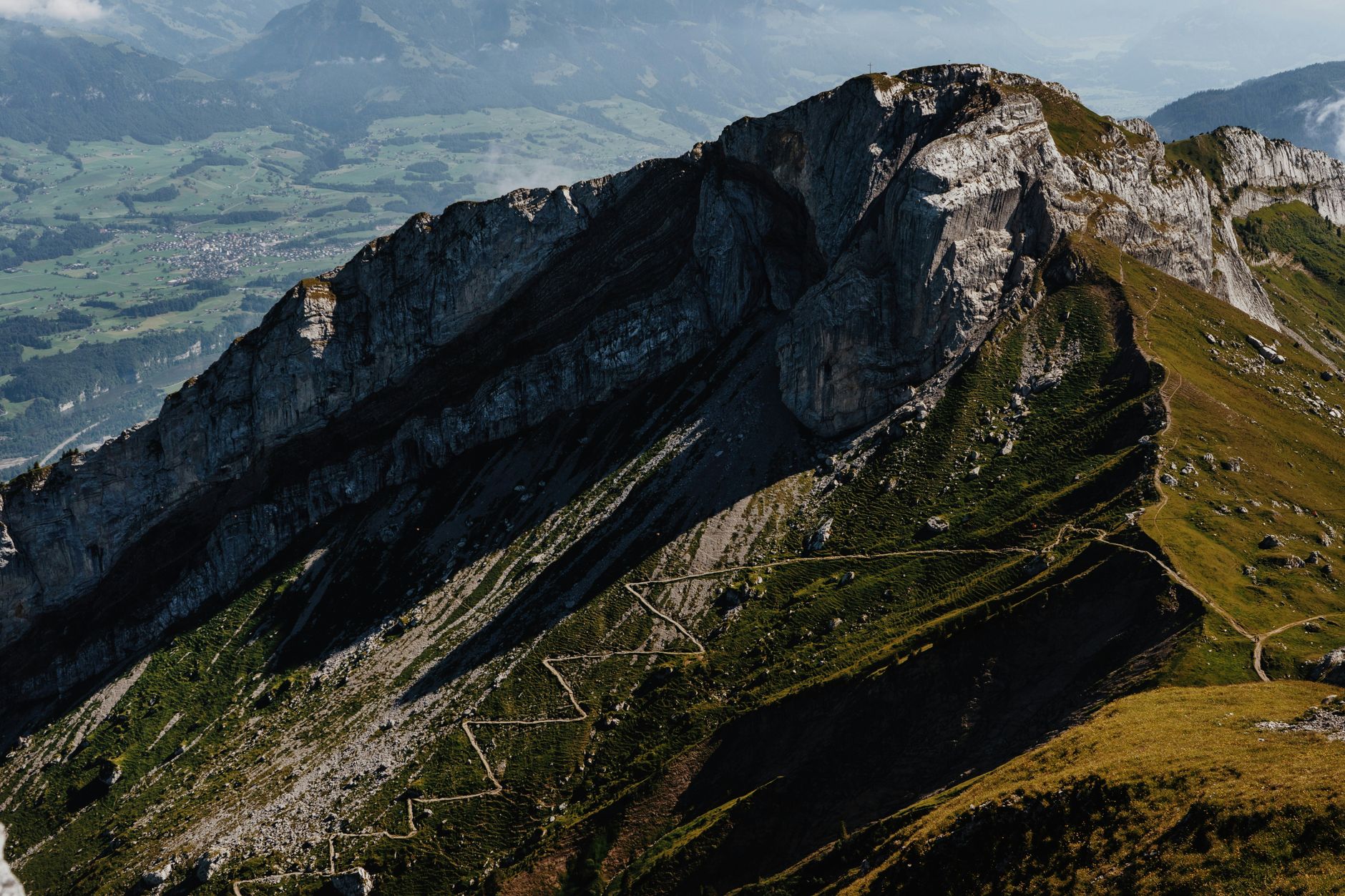
The Rugova highlands above the canyon connect to cross-border trail networks that extend into Montenegro and toward the Peaks of the Balkans long-distance route – a multi-country trail that village-focused wanderers in neighboring Serbia’s highland regions are increasingly treating as a natural extension of their itineraries. For anyone already moving through the Western Balkans on foot or by slow road, skipping Rugova no longer makes geographic or experiential sense. The only question is whether the canyon’s current quiet holds long enough for the next wave of travelers to find it before the trail counters start going up.
Frequently Asked Questions
How do you get to Rugova Canyon from Pristina?
Take a bus or taxi to Peja, roughly two hours from Pristina. The canyon road begins at the edge of the city near the Patriarchate of Peja monastery.
Is Kosovo safe for tourists visiting Rugova Canyon?
Kosovo is generally considered safe for tourists. Rugova Canyon and the Peja region are well-traveled by hikers and climbers with no significant safety concerns reported.