
The Walnut Forest That Most Travelers Still Miss
Karakol has long held the title of Kyrgyzstan’s adventure base camp – the place where trekkers load up on permits, hire horses, and launch into the Tian Shan range. It earns that reputation. But in the country’s southwest, a small town sits inside what may be the world’s largest natural walnut forest, drawing a quieter crowd of travelers who care less about altitude records and more about walking under a canopy that has been producing food for local communities for centuries. Arslanbob doesn’t advertise itself. That’s a large part of why it works.
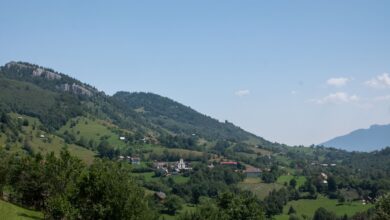
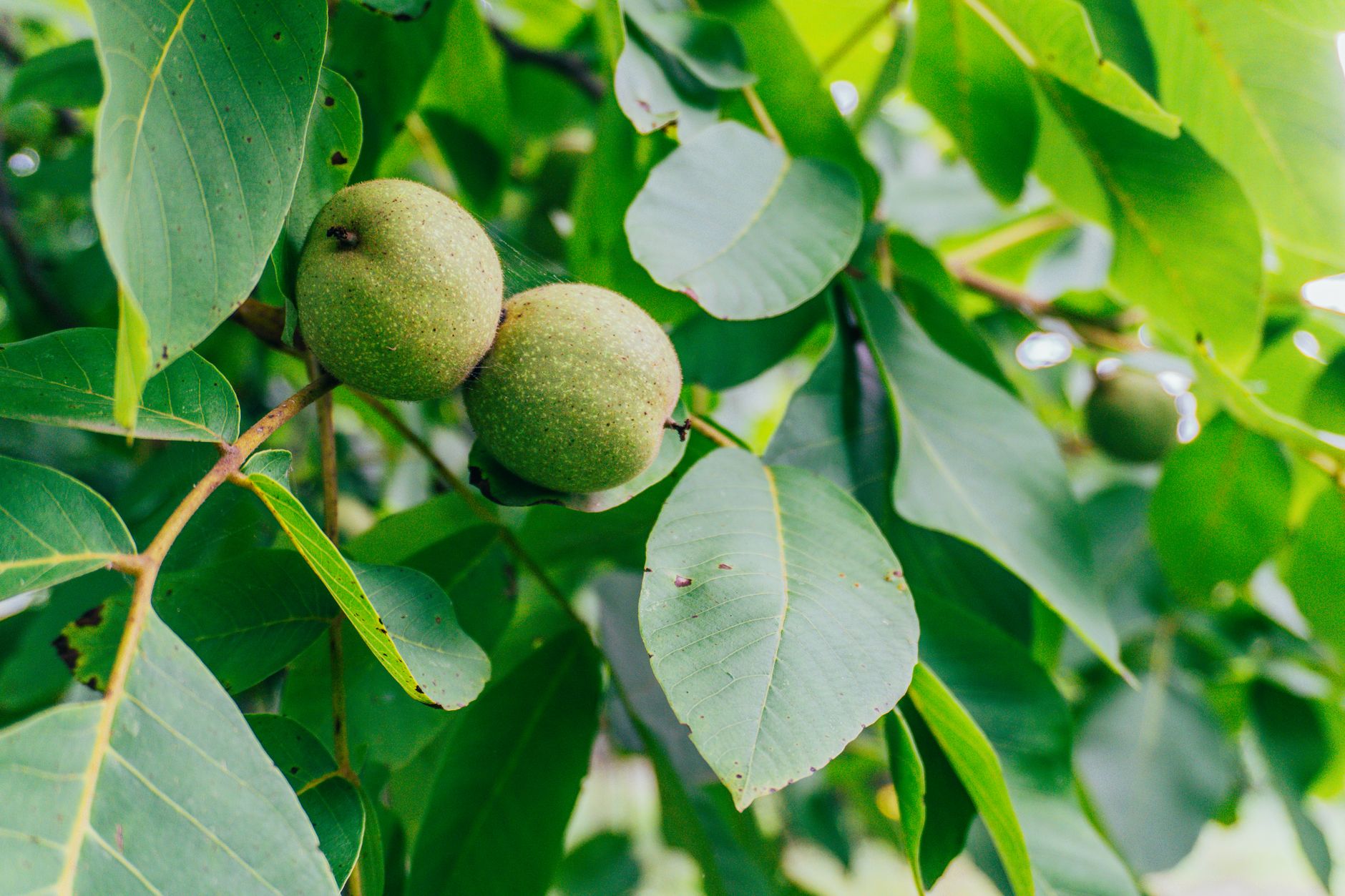
The Fergana Valley foothills that cradle Arslanbob create a microclimate unlike anything else in Central Asia. Rainfall, elevation, and soil combine to support a walnut forest spanning tens of thousands of hectares – wild, unplanted, and largely intact. Every autumn, families from surrounding villages spread out through the trees to harvest by hand, using methods passed down across generations. For travelers who arrive during that window, the experience looks nothing like what Kyrgyzstan typically sells to the outside world.
What Arslanbob Actually Offers
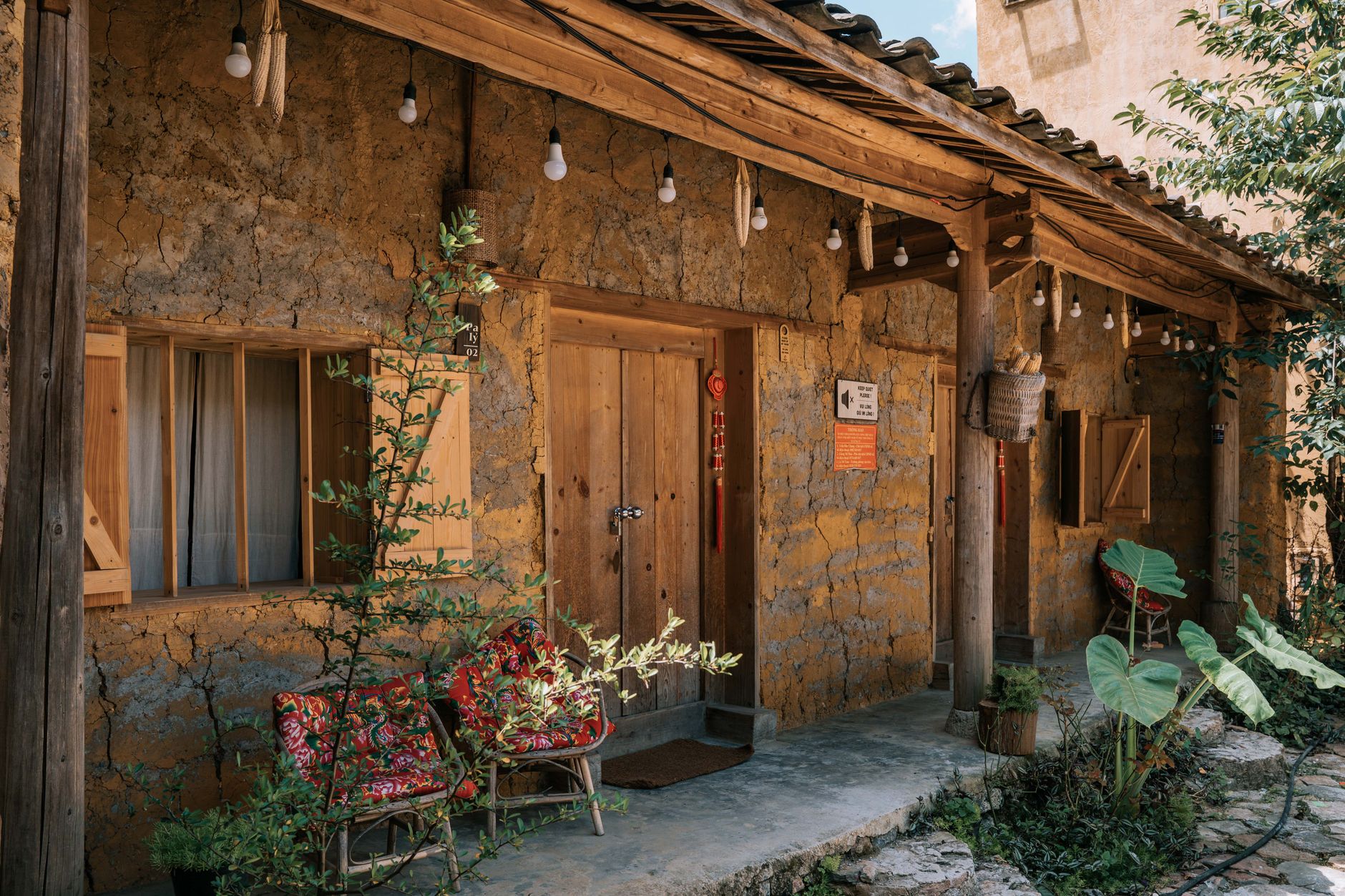
The town itself is compact and Uzbek-speaking – a linguistic and cultural pocket that surprises visitors expecting the Kyrgyz-majority profile of northern destinations. Homestay culture here runs deep. Guesthouses are family-run operations where meals are built around whatever is in season: fresh walnuts in autumn, dried fruit and preserves through winter, garden vegetables in summer. The hospitality is genuine rather than curated, which makes a meaningful difference when you’re spending multiple days in the same household.
Two waterfalls accessible on foot from the village center draw day hikers, but the longer routes into the forest are where Arslanbob separates from any comparison to a standard tourist stop. Trails move through dense canopy that rarely opens up for panoramic views – this is immersive walking, not summit-bagging. The forest floor in October is covered with walnut shells, leaves turning in overlapping shades, and the sound of harvesting happening just off the path. Guides from the village know the terrain by family plot rather than by trail number.
A community-based tourism network, active in the region for years, manages much of the trekking infrastructure without stripping away the organic feel. Horses are available for longer routes toward alpine pastures above the tree line, where the landscape shifts abruptly from dense forest to open jailoos – the high meadows Kyrgyzstan is more widely known for. The transition happens within a single day’s ride, which gives Arslanbob a geographic range that its modest profile doesn’t suggest.
Autumn Is the Point
Timing determines everything about what kind of trip Arslanbob delivers. Summer visits are pleasant but relatively ordinary – the forest is green, the waterfalls are strong, and the hiking is straightforward. Autumn is a different proposition entirely. From mid-September through October, the harvest season activates the whole valley. Families establish temporary camps inside the forest, children climb into branches, and the economic logic of the entire region becomes briefly visible in a way that no guided cultural tour can replicate.
The walnut harvest is not a performance. It’s a working operation that travelers can observe and, in some cases, participate in through homestay hosts with forest plots. That directness – watching a family’s annual income take physical shape under the trees – carries a weight that manicured cultural experiences rarely manage.
How Arslanbob Compares to Karakol – and Why the Comparison Falls Short
Karakol rewards a particular type of traveler: someone organized around physical challenge, with itineraries built toward Ala Kol Lake or the Karakol Valley trek. The infrastructure there is calibrated for throughput. Equipment rental shops, established guesthouse booking systems, and well-worn trail maps mean that independent travelers can arrive with minimal preparation and still execute a solid trip. Arslanbob doesn’t run on those rails. Logistics require more flexibility, Uzbek or Russian language basics help considerably, and the reward structure is experiential rather than physical.
That gap is exactly why comparisons between the two miss the point. They serve different versions of the same traveler – one who wants to push physical limits against dramatic peaks, and one who wants to move slowly through a landscape with deep agricultural roots. The Kyrgyzstan that Arslanbob shows is not the Tian Shan postcard version. It’s older, quieter, and more connected to the way land has actually been used across this part of Central Asia for a very long time.
The walnut forests themselves carry a biological history that reinforces that slowness. These are not plantations. The trees are wild descendants of ancient forest stock, some of them several hundred years old, and scientists studying the genetic diversity of Juglans regia – the Persian walnut – have identified this region as a key refuge for species variation. Walking through the forest knowing that context changes how the canopy feels overhead. It stops being scenery and starts being something closer to an archive.
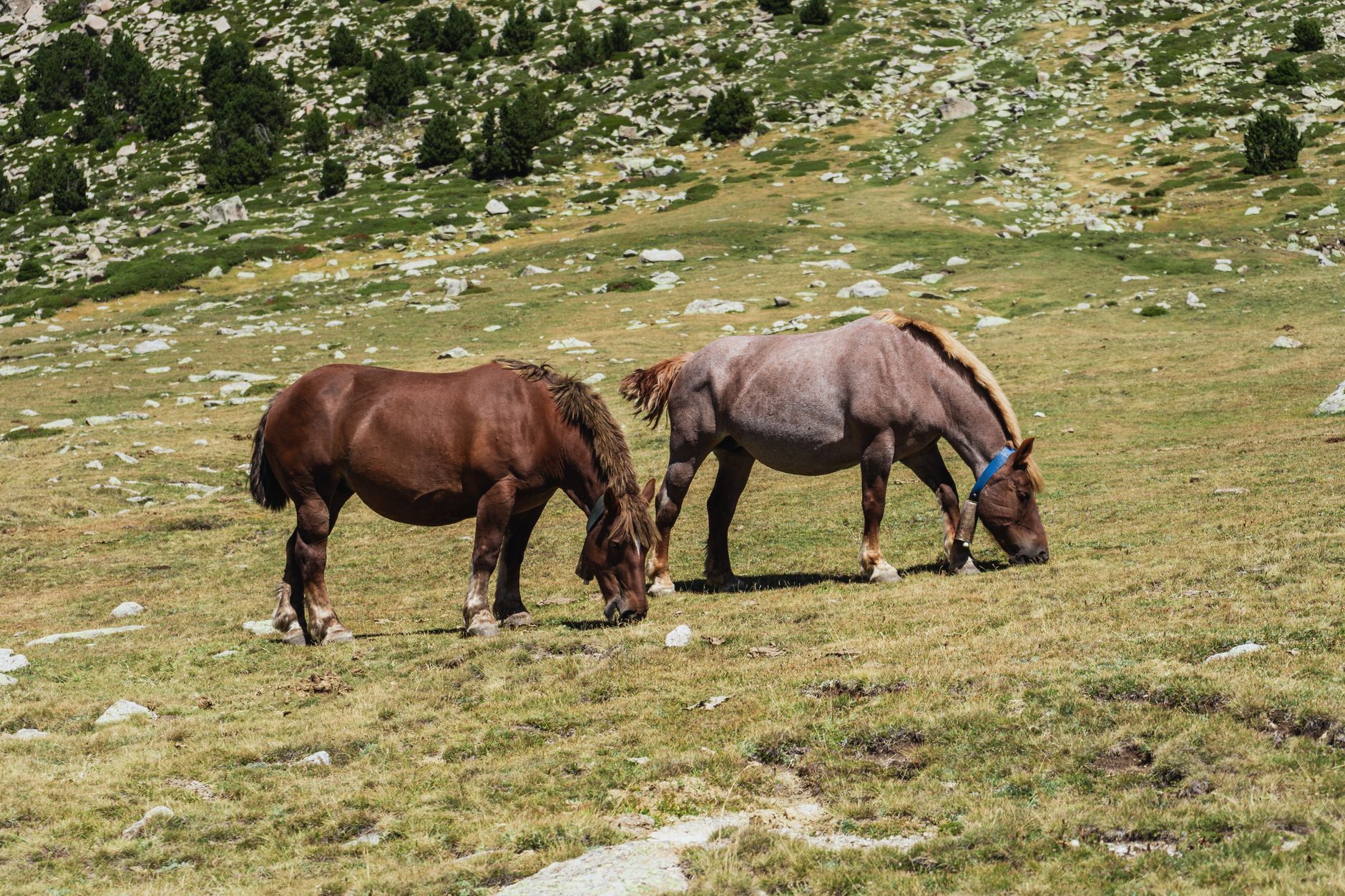
Practical access runs through Jalal-Abad, the nearest city with regular marshrutka connections. The road into Arslanbob winds through hillside villages and takes longer than maps suggest – a recurring theme in Kyrgyz travel that rewards patience and punishes tight schedules. Most visitors spend three to five nights, enough time to cover the waterfall trails, book a half-day horse route toward the upper meadows, and eat enough dried walnut and apricot to last the flight home. The travelers who show up expecting Karakol’s gear-shop energy tend to leave after two days. The ones who arrive already knowing what the forest is tend to extend their stay.