Kyrgyzstan’s Arslanbob Walnut Forest Quietly Rivals Osh for Ancient Wanderers

The Forest That Time Forgot
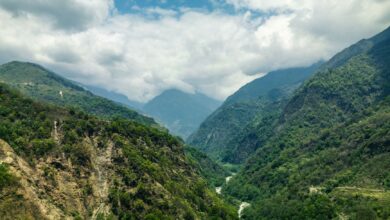
Somewhere in the Fergana Valley foothills of southern Kyrgyzstan, a walnut forest stretches across the mountains in a way that feels less like nature and more like architecture. Arslanbob – a small Uzbek-speaking village in the Jalal-Abad region – sits at the edge of what is considered the largest natural walnut forest in the world, a living canopy that has been producing food, shelter, and livelihood for local communities for thousands of years. Most travelers who make it to Central Asia head straight for Osh, the ancient Silk Road city two hours south, drawn by its famous Sulaiman-Too sacred mountain and its labyrinthine bazaars. Arslanbob rarely makes the itinerary. That is changing, slowly, among the kind of traveler who prefers depth over convenience.
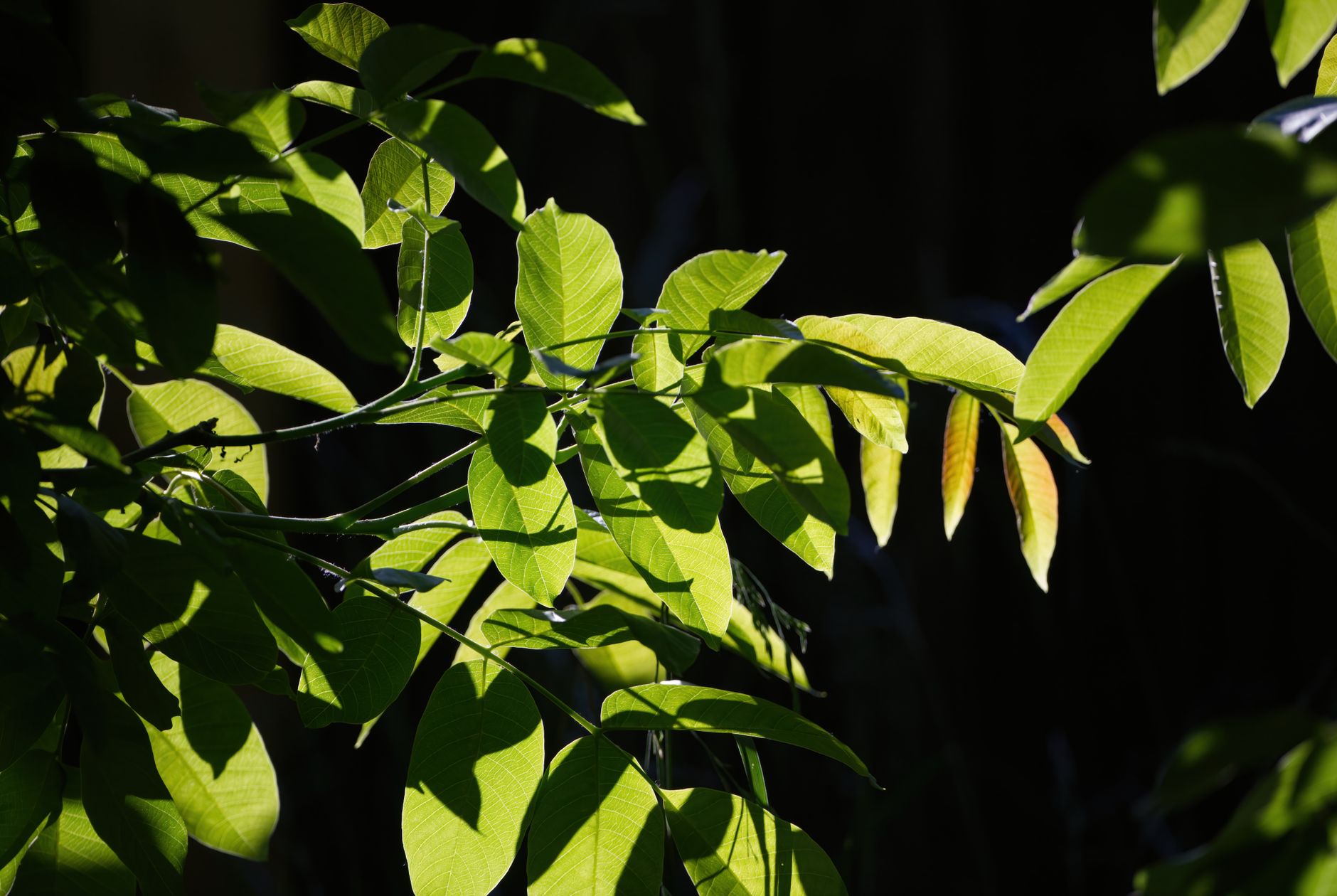
The forest covers roughly 600,000 hectares of the Babash-Ata mountain range, and it is old in a way that rewires your sense of time. Local oral tradition holds that the walnuts here were carried from paradise by the prophet Suleiman himself – the same figure honored at Osh’s UNESCO-listed sacred mountain. Whether or not you follow that mythology, the trees themselves are staggering. Some of the oldest specimens are estimated to be over a thousand years old, their trunks wider than a man’s arm span, their root systems woven into the hillsides like permanent infrastructure.
What Osh Gets Right – and What It Cannot Offer
Osh earns its reputation. The city has been a trading crossroads for at least three millennia, and Sulaiman-Too – a rocky outcrop rising from the city center – carries genuine religious and historical weight across the Muslim world. The bazaar culture is vivid and layered, the food scene is accessible, and the infrastructure for tourism, while modest by European standards, is far more developed than anything you will find in Arslanbob. For first-time visitors to Kyrgyzstan, Osh makes sense as a base. It is a city that performs its history visibly, and that performance is worth witnessing.
Arslanbob performs nothing. The village has no curated walking tours, no multilingual museum placards, and the guesthouses are family-run operations where you eat what the household eats. This is not a complaint – it is the entire point. The community-based tourism network here, developed partly with international development support over the past two decades, keeps money inside the village rather than funneling it toward outside operators. Visitors sleep in homes, hike with local guides who grew up in these hills, and buy walnuts directly from the families who harvest them each autumn.
The Walnut Harvest as Living History
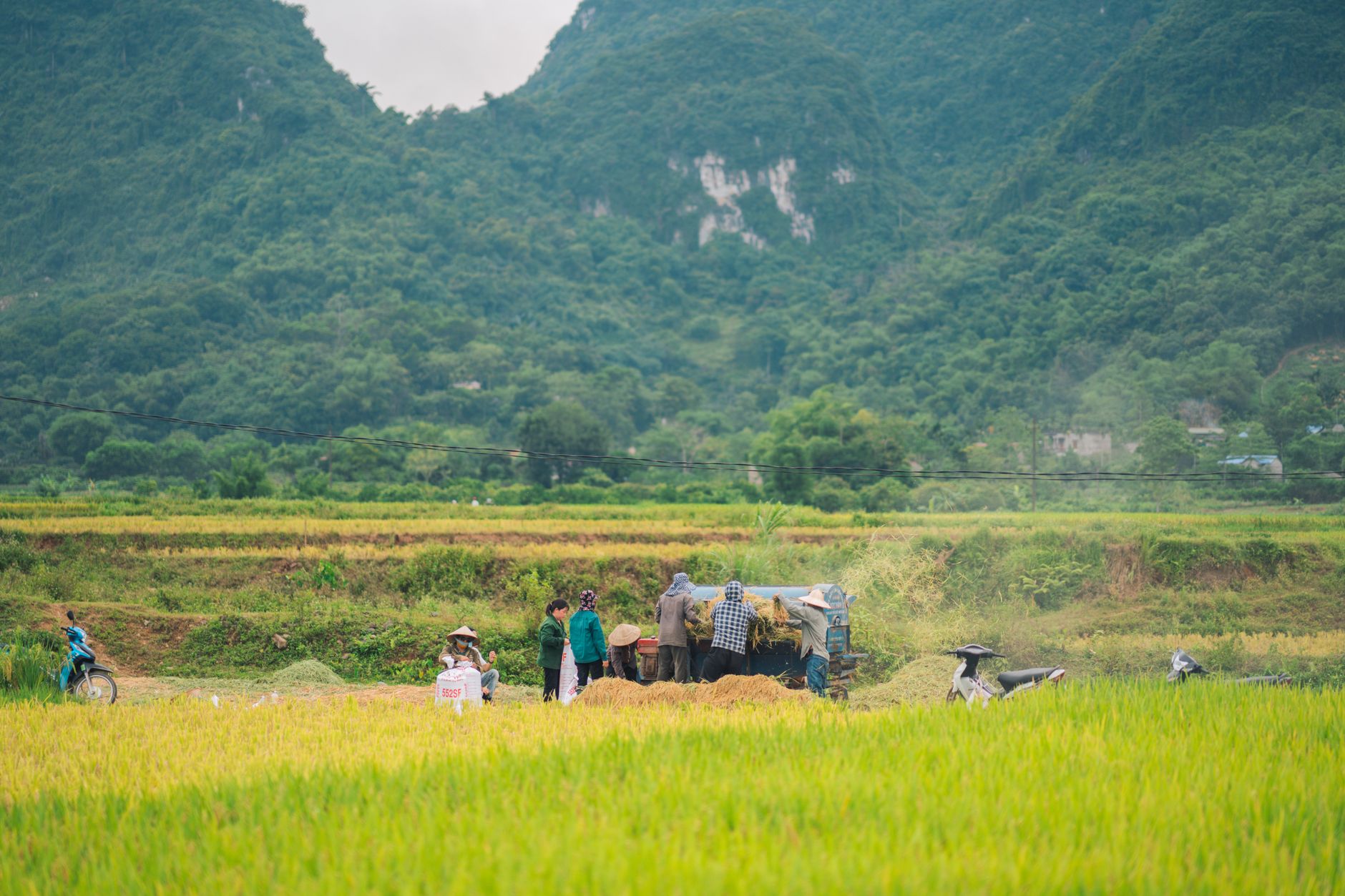
The harvest season runs from late September through October, and it is the best time to visit – not for photogenic reasons, though the forest turns gold and rust in ways that are genuinely difficult to describe, but because the village is fully alive with work. Entire families move into the forest for weeks at a time, collecting walnuts, drying fruit, and preparing stores for the winter. This practice has continued with minimal interruption for generations, making Arslanbob less a museum of Silk Road culture and more an ongoing demonstration of it. The walnuts themselves travel far – into Kyrgyzstan’s cities, across borders into Kazakhstan and Russia, and increasingly into specialty food markets in Europe.
The forest is also ecologically significant in ways that matter to travelers who think about where they go and why. It represents one of the last large intact remnants of the ancient Tethyan flora – the plant communities that once covered much of Central Asia before climate shifts and human land use reduced them to fragments. Hiking through it, you move through a biological archive. The understory is thick with wild apples, pears, and plums, many of them the direct ancestors of the cultivated fruit varieties now grown across the world. Botanists have been coming here quietly for years.
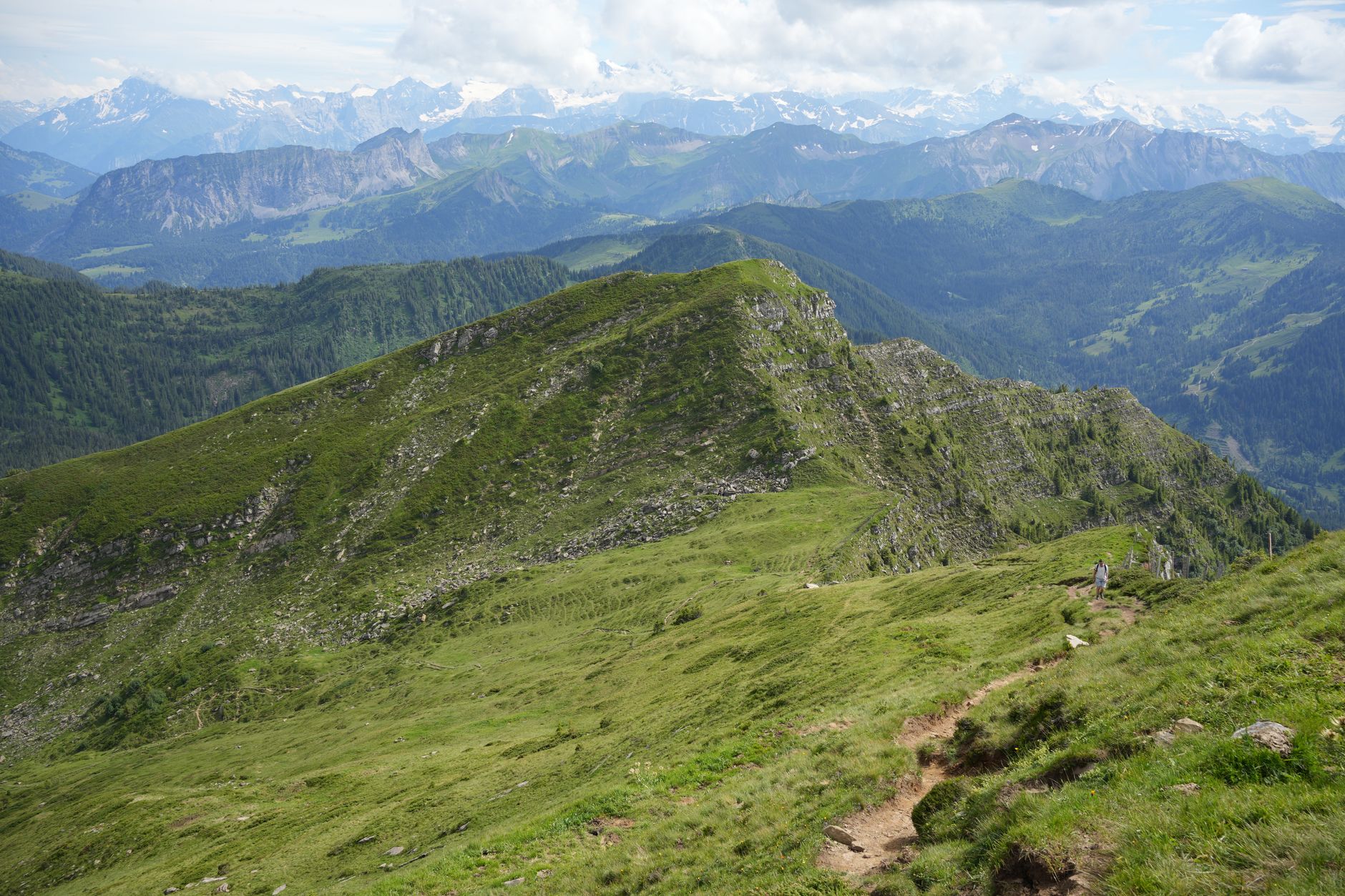
Two hiking routes dominate the options for visitors. The shorter trail climbs to the Big Waterfall, a cascade that drops roughly 80 meters through forest and rock, reaching it in about two hours from the village. The longer route pushes further up into the Babash-Ata mountains, requiring an overnight stay in basic shepherd camps called jailoo, where felt blankets and wood stoves are the amenities on offer. The jailoo experience is where the comparison to Osh breaks down entirely – there is simply nothing in Osh that places you this far outside the modern world while keeping you this safe and this fed.
Getting to Arslanbob requires intention. From Bishkek, the journey is roughly eight to ten hours by shared taxi or marshrutka, typically routed through Jalal-Abad city, from which a local taxi covers the final stretch of mountain road. From Osh, the drive takes approximately two to three hours depending on the season and road conditions. The road into the village tightens significantly in the final kilometers, and in wet weather it demands respect. This friction – the effort required to arrive – is part of what keeps the place honest. Travelers who make it tend to stay longer than they planned, because leaving feels like a decision that needs justification.
Arslanbob does not carry the UNESCO designation that Osh holds, and it probably never will. Sacred mountains and ancient bazaars photograph better than walnut trees and shepherd camps, and the international heritage machinery rewards spectacle. But the village holds something that official recognition cannot manufacture: continuity. The same families who guide tourists up to the Big Waterfall in September are the ones who spent the previous week in the forest, filling sacks by hand. That is not a heritage performance. That is just the harvest, the same as it has always been, and you are welcome to watch.