Kyrgyzstan’s Fergana Valley Quietly Rivals Bishkek for Silk Road Wanderers

The Valley Most Silk Road Travelers Skip
Bishkek gets the airports, the hostels, the travel blogs, and the Lonely Planet covers. But Kyrgyzstan’s slice of the Fergana Valley – a wide, fertile corridor that cuts through Central Asia’s most historically dense terrain – is where the Silk Road actually lived. Caravans didn’t pause in capital cities. They moved through markets, passed through mountain gates, and rested in trading towns that still exist today, largely unchanged and almost entirely unvisited by Western travelers.
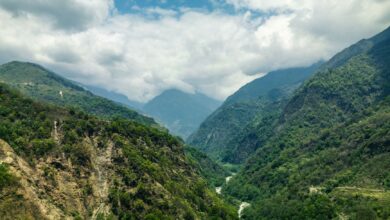
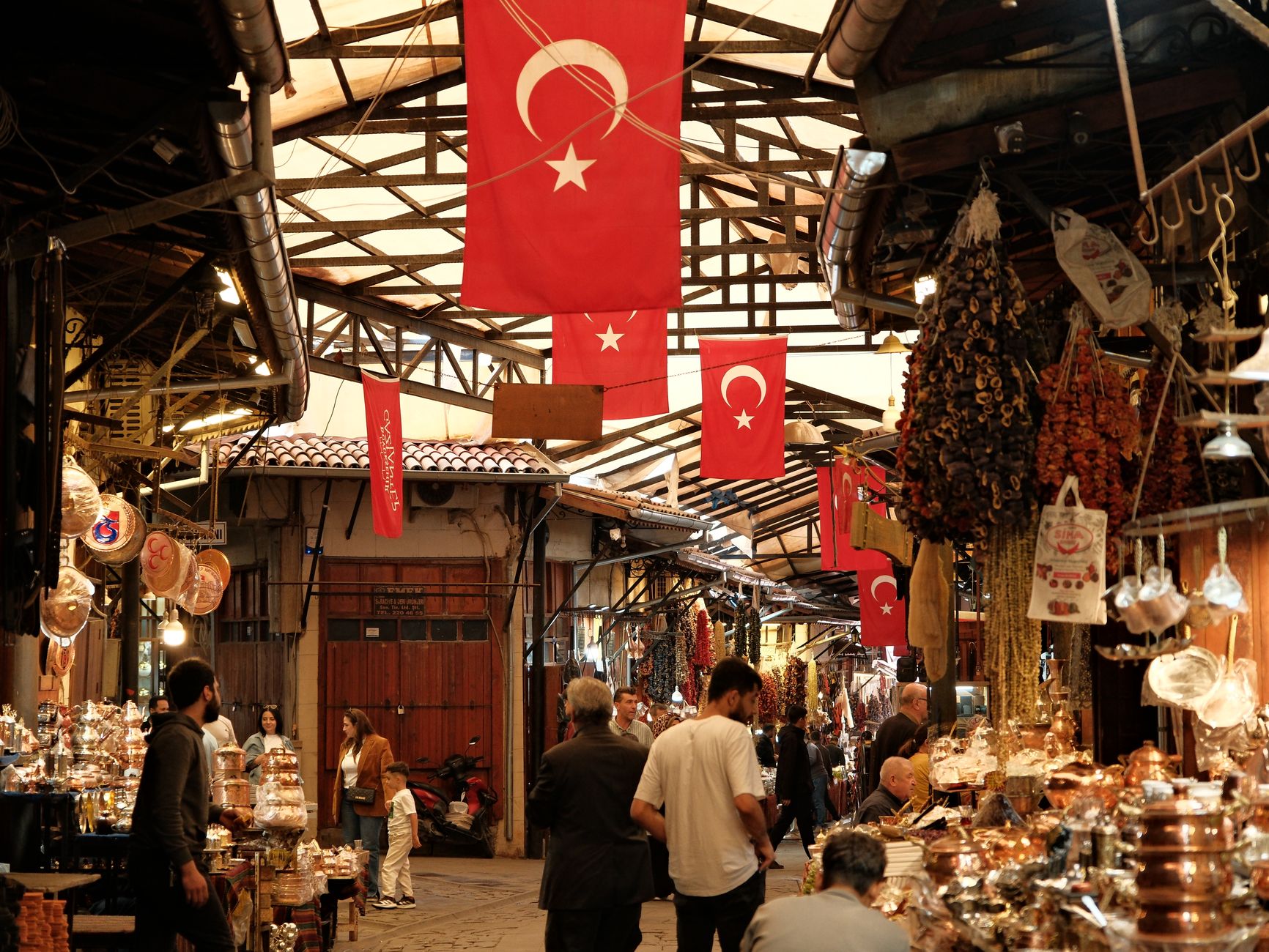
The Fergana Valley stretches across Uzbekistan, Tajikistan, and a narrow but striking wedge of southern Kyrgyzstan, where cities like Osh and Jalal-Abad sit at elevations that give the air a different weight entirely. Osh, specifically, is believed to be over three thousand years old – one of the oldest continuously inhabited cities in Central Asia. Its central bazaar, the Jayma Market, runs for nearly a kilometer along the Ak-Buura River and has functioned as a trading hub for so long that the concept of “old town” barely covers it.
Osh is not Samarkand. That’s the point.
What Osh Offers That Samarkand Doesn’t
Samarkand and Bukhara have been on the traveler circuit long enough to develop a polished performance of their own history. Osh hasn’t had time for that. The Jayma Market is not organized for tourism – it’s organized for commerce. Vendors sell everything from dried apricots and raw wool to secondhand Soviet tools and hand-embroidered felt carpets called shyrdaks. A traveler walking through it on a Sunday morning is genuinely in the way of actual business being conducted. That friction is the experience.
Sulayman Mountain, which rises abruptly from the center of Osh, is a UNESCO World Heritage Site and has been a pilgrimage site for Muslims across Central Asia for centuries. Pilgrims still climb it. The rock faces bear carvings and painted marks left by travelers going back to the fifteenth century and earlier, and a small museum cut into the stone itself displays artifacts from multiple eras of the valley’s life. What’s striking is not the grandeur – the mountain is not especially tall – but the continuity. People have been coming here for the same reasons across generations, and the site carries that accumulated significance without theatrical presentation.
Jalal-Abad, a few hours west of Osh, offers something quieter: Soviet-era sanatoriums still operating around natural hot springs, walnut forests that are among the largest natural walnut forests in the world, and a pace of life that rewards travelers who are not chasing a checklist. The region around Arslanbob, a village nestled inside those walnut forests, sees a fraction of the visitors that Bishkek’s nearby Ala Archa gorge attracts, despite offering trails through landscapes that have no real equivalent elsewhere in Central Asia.
Getting There and Staying Put
The logistics of visiting Kyrgyzstan’s Fergana Valley are less complicated than the geography suggests. Osh has its own international airport with connections to several major regional hubs, including Istanbul, Moscow, and Dubai – meaning a traveler does not need to pass through Bishkek at all. That routing matters because Bishkek and Osh are separated by the Tian Shan mountains, and the overland journey between them, while spectacular, takes the better part of a day on the best road available. Flying directly into Osh treats the southern region as a destination in its own right rather than an afterthought tagged onto a northern itinerary.
Accommodation in Osh ranges from guesthouses run out of family homes – where breakfast is non-negotiable and the host’s grandmother will almost certainly appear at some point – to mid-range hotels catering to regional business travelers. Neither category offers the infrastructure of Bishkek’s growing boutique scene, but the guesthouse experience in particular gives access to home-cooked Kyrgyz food that no restaurant in the capital quite replicates. Lagman, a pulled noodle dish served with a rich meat broth, tastes different here – heavier on the lamb, spiced with influences that reflect the valley’s proximity to Uzbek and Tajik culinary traditions.
Travel between Osh, Jalal-Abad, and the smaller villages of the valley runs primarily on shared taxis and marshrutkas – fixed-route minibuses – which are cheap, frequent, and not especially comfortable. That’s the honest description. Hiring a private driver for a day or two unlocks access to villages and viewpoints that public transport simply doesn’t reach, and the cost is low enough that most independent travelers can absorb it without restructuring their budget.
The Traveler Who Belongs Here
The Fergana Valley is not for travelers who need things to go smoothly. English is spoken rarely and Google Maps stops being useful in the small villages. The reward for tolerating that friction is access to a place where the Silk Road is not a museum concept – it’s visible in the layout of the bazaar, in the architecture of the caravanserais that still stand along old trade routes, and in the faces of traders who have ancestors that walked the same routes for centuries. Kyrgyzstan has been running aggressively on its reputation for epic mountain trekking in the north, and the south keeps getting overlooked as a result. Anyone arriving in Osh expecting the Bishkek experience will be confused. Anyone arriving prepared for something older and stranger will find exactly that.
The Jayma Market opens before sunrise on its busiest days. By the time a traveler from Bishkek’s backpacker district has finished their airport coffee and boarded their morning flight south, the valley has already been conducting business for hours.