
The Valley That Karakol Forgot to Mention
Kyrgyzstan’s Issyk-Kul region draws trekkers by the thousands each season, most of them funneling into Karakol, the adventure hub that anchors the lake’s eastern shore. Roughly 30 kilometers to the west, the Jeti-Oguz valley sits in full view of the same Tian Shan peaks – redder, quieter, and almost entirely off the group-tour circuit.
What Jeti-Oguz Actually Looks Like on the Ground
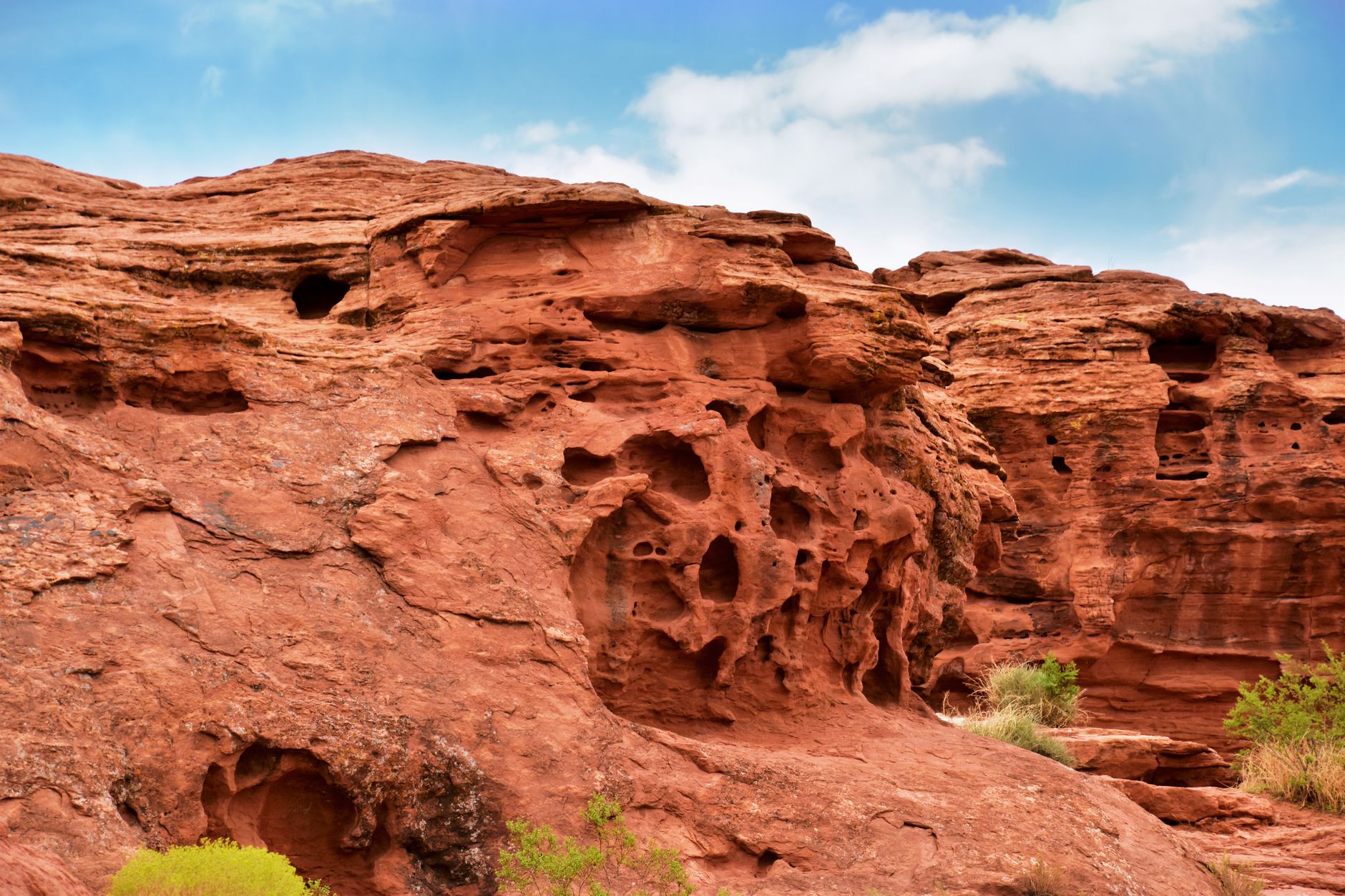
The name translates loosely as “Seven Bulls,” a reference to the sandstone formations that greet visitors near the valley’s entrance. Seven rust-colored pillars rise from the surrounding meadow like something assembled for dramatic effect, their surface streaked with iron oxide that shifts from burnt orange at noon to deep crimson in the late afternoon sun. The geological conditions that produced them – ancient sediment compressed under tectonic pressure, then exposed through millennia of erosion – are the same forces at work across parts of Utah and southern France, but here there are no paved viewing platforms and rarely a queue.
A short walk beyond the Bulls sits another formation the locals call Broken Heart: a single red cliff split cleanly down the center by erosion, framing a narrow slice of sky. It appears on postcards sold in Karakol’s bazaar, which is exactly how most visitors first learn it exists. The light hits it properly only in the morning, and the hike there takes perhaps 20 minutes on an unpaved track through sub-alpine meadow. No signage. No entrance booth during shoulder season.
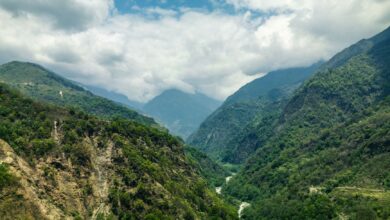
The valley itself opens into a long glacial corridor lined with spruce forest on the upper slopes and wildflower meadow lower down. Horses graze freely in the lower pastures, owned by herding families who still move their livestock to these jailoos – seasonal summer pastures – each year between June and September. This is not a reconstructed pastoral scene for tourism. The families are there because the grass is good and the tradition is several generations deep.
A Soviet-era sanatorium anchors the lower valley, a relic of the era when Jeti-Oguz functioned as a health resort for workers from across Central Asia. Some of its buildings still operate in a reduced capacity, offering basic guestrooms for travelers who arrive without a reservation elsewhere. The architecture – blocky, faded, oddly monumental against the red cliffs – lends the valley a surreal quality that photographers tend to find immediately useful.
Why Serious Trekkers Are Choosing This Route Over Karakol’s Trails
Karakol earns its reputation through sheer trail volume. The Ala-Kul loop, the Karakol gorge, and the approach to Palatka peak collectively serve thousands of trekkers each season, with guesthouses, GPS routes, and multilingual guides all calibrated to meet that demand. Jeti-Oguz offers something functionally different: longer, less-marked routes where self-sufficiency still matters and where the chance of sharing a high camp with another group approaches zero on most days between August and September.
The valley’s signature high route traverses the ridge above the Jeti-Oguz gorge and connects through to the Karakol valley on a multi-day route that sees a fraction of the traffic of the Ala-Kul alternative. The altitude gain is comparable, the views are arguably broader, and the solitude is guaranteed in a way that no guidebook can promise about Ala-Kul anymore during peak weeks. Trekkers who have done both routes consistently describe the Jeti-Oguz traverse as technically accessible but logistically demanding – the kind of difficulty that comes from navigation and self-reliance rather than vertical exposure.
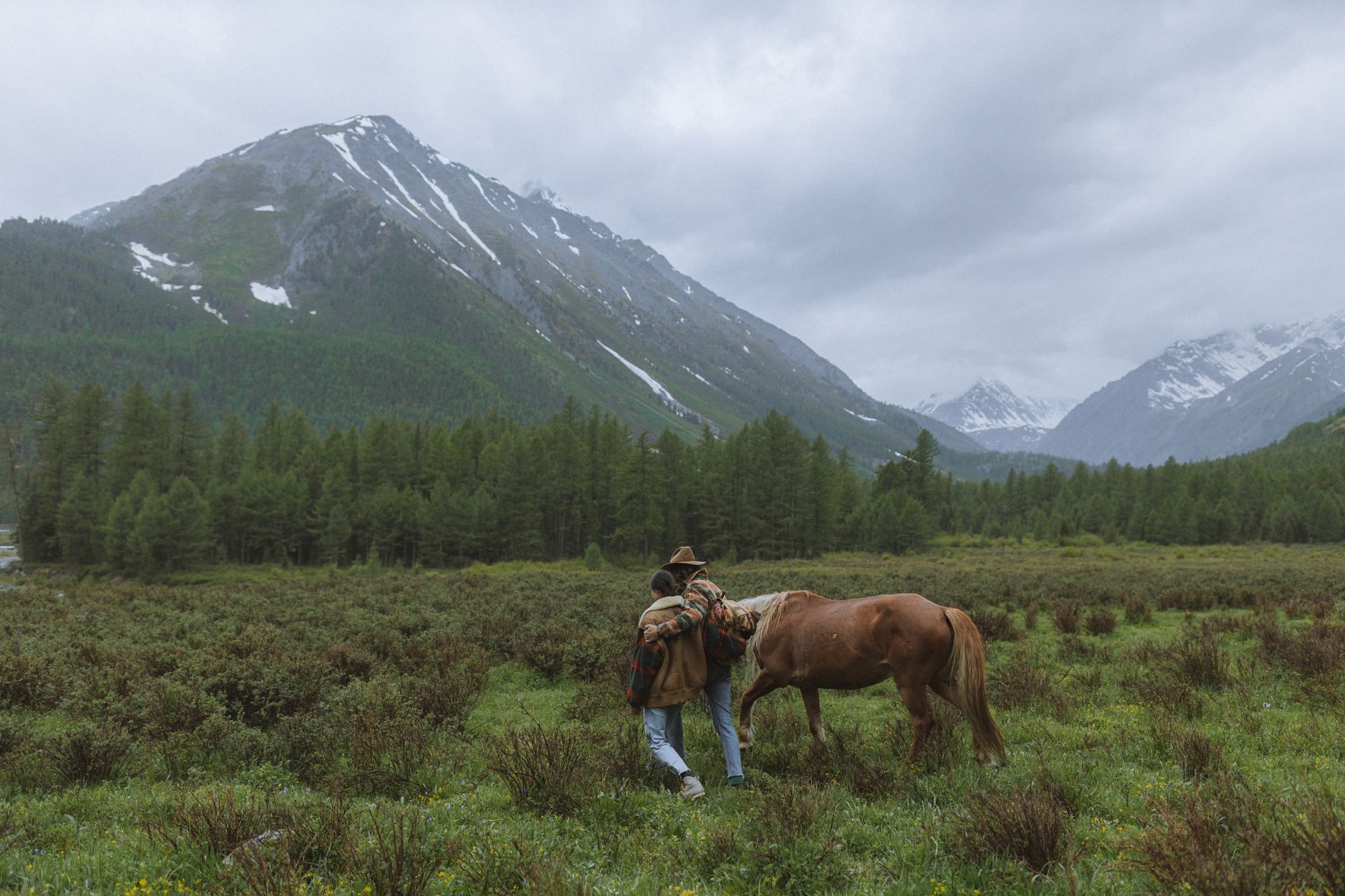
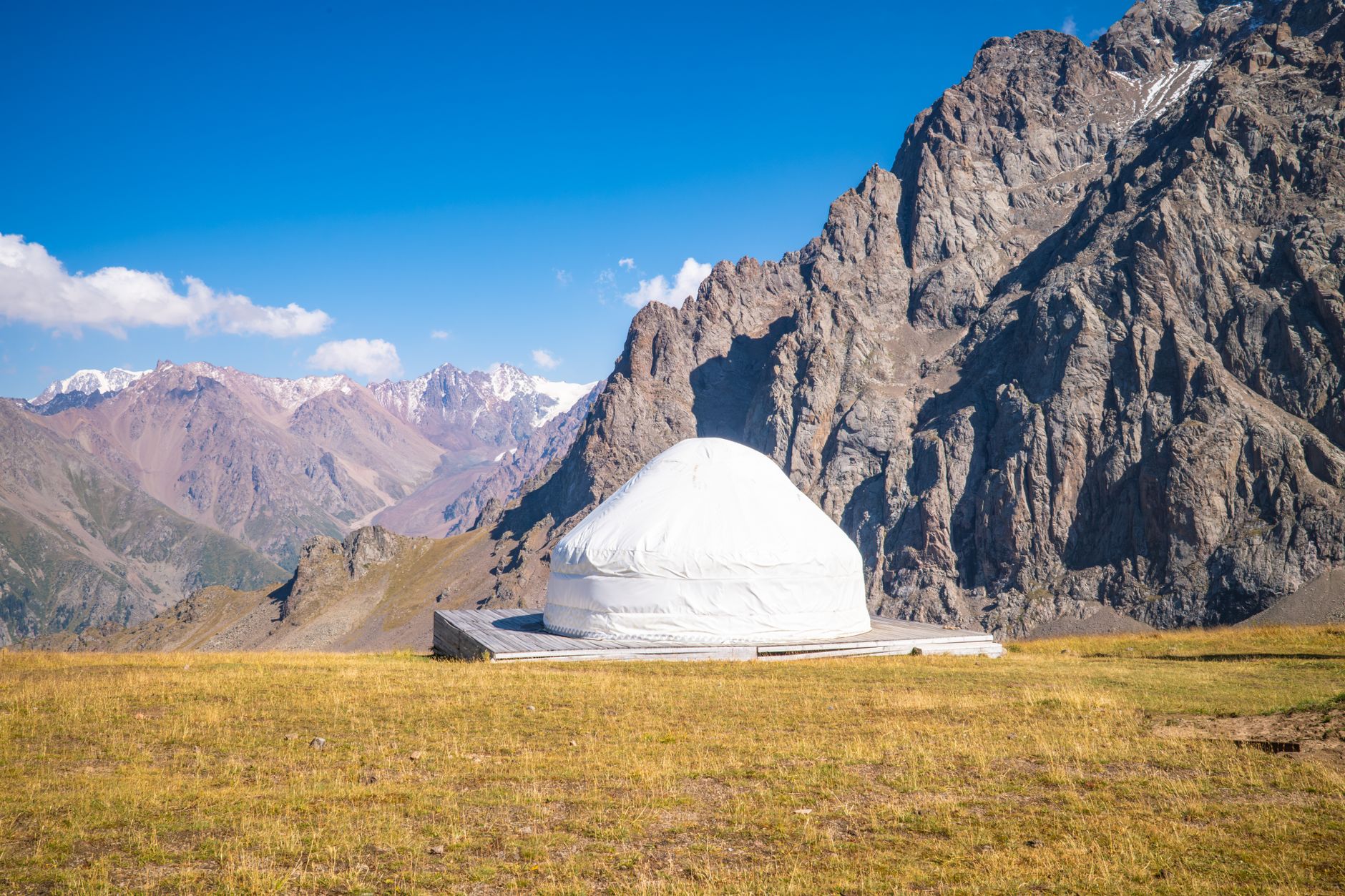
Horse trekking is the second major draw, and the infrastructure for it runs through a network of local guides operating out of the small settlement at the valley’s base. Rates are negotiated directly and remain well below what comparable horse-supported treks cost in Nepal or Patagonia. A three-day ride into the high pastures, crossing a pass above 3,800 meters and overnighting in a yurt, is logistically straightforward for anyone who contacts one of the guiding families in advance through guesthouses in Karakol or Cholpon-Ata.
Day visitors from Karakol treat Jeti-Oguz as a half-day excursion, which means the valley absorbs a certain volume of tourist traffic without ever feeling crowded – those visitors are concentrated near the formations and gone by early afternoon. The deeper gorge, the upper meadows, and the connecting trails above the treeline see almost no casual foot traffic. This layered geography effectively creates two separate experiences within the same valley, one accessible to anyone with a marshrutka ticket from Karakol, the other requiring planning and a sleeping bag rated for sub-zero temperatures.
For travelers already moving through the Issyk-Kul circuit – Bishkek to Cholpon-Ata, east along the lake, Karakol, then back – Jeti-Oguz fits naturally into the route without requiring a detour of more than an hour. The valley is reachable by shared taxi or arranged car from Karakol in under 40 minutes. Accommodation runs from homestays in the nearby village to the sanatorium guestrooms to fully outfitted yurt camps operated by local families in the upper pastures during summer months. The range covers budget backpackers and travelers who prefer a bed with a view over camping without much sacrifice on either end.
The Logistical Reality of Getting Here
Karakol functions as the practical base for any Jeti-Oguz visit. Flights connect Bishkek’s Manas International Airport to Tamchy airfield on Issyk-Kul’s north shore, cutting overland travel time considerably for travelers arriving from Europe or East Asia. From Karakol, transport to the valley runs through shared taxis organized at the bazaar or through guesthouses that handle logistics for a modest fee. English-speaking guides are available but not guaranteed without advance booking, and the guiding infrastructure at Jeti-Oguz itself is thinner than what Karakol’s well-organized trekking agencies provide.
The best window for the red formations is late afternoon in July and August, when the angle of light flattens against the cliff faces and the orange tones intensify. Morning works for Broken Heart. The wildflower meadows peak in late June and hold through mid-July depending on snowmelt. By October, the upper passes close and the herding families have moved their animals back to winter pasture – which leaves the valley largely empty, the sanatorium operating on skeleton staff, and the red rocks standing in a silence that Karakol, whatever its virtues, has long since stopped being able to offer.