Kyrgyzstan’s Karakol Valley Quietly Rivals Issyk-Kul for Alpine Wanderers

The Valley That Doesn’t Need the Lake
Issyk-Kul gets the postcards. The turquoise expanse of Central Asia’s largest alpine lake draws the crowds, fills the guesthouses along its northern shore, and earns Kyrgyzstan most of its tourism headlines. But roughly 150 kilometers east of Bishkek, tucked beneath the northern slopes of the Tian Shan range, the Karakol Valley has been quietly offering something the lake cannot – elevation, silence, and the kind of raw mountain access that serious alpine wanderers cross continents to find.
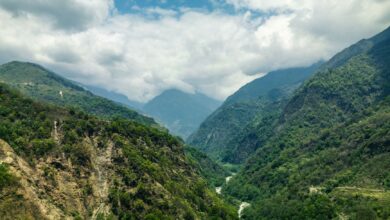
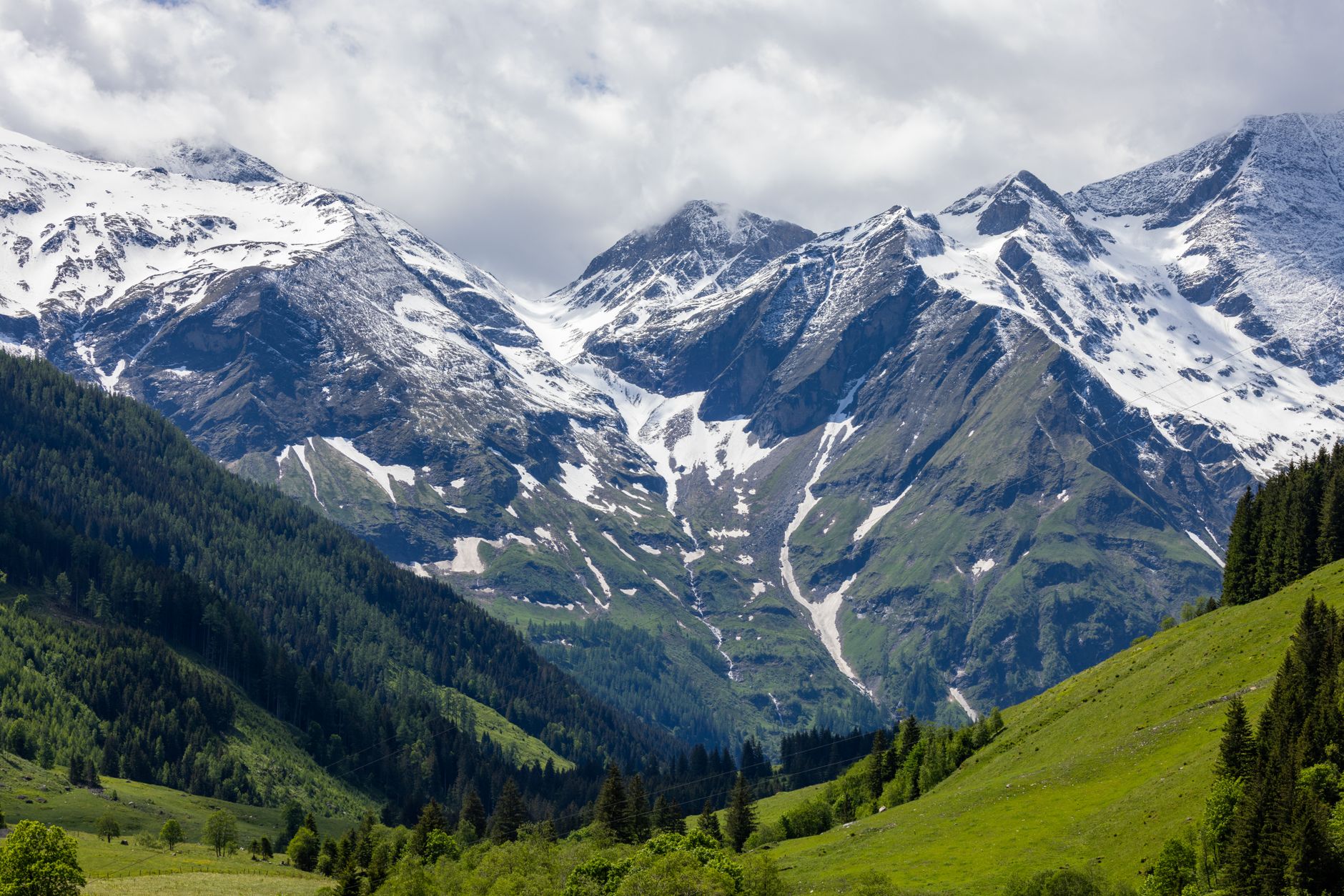
The town of Karakol sits at around 1,760 meters above sea level, and from there, the valley climbs fast. Gorges branch off toward glaciated peaks, wildflower meadows open at mid-altitude, and yurt camps dot the summer pastures where herders have moved livestock for generations. It is not undiscovered – trekking circles have known about it for years – but it remains dramatically underbuilt compared to what the landscape deserves.
What the Valley Actually Offers
The Karakol Valley trail system connects several distinct gorges, the most visited being the Karakol Gorge itself and the neighboring Altyn Arashan valley, which terminates at a cluster of natural hot springs sitting at roughly 2,500 meters. The combination of a full day’s trek through spruce forest, river crossings, and a soak in open-air thermal pools at altitude is the kind of itinerary that doesn’t need marketing spin to sell itself. It sells itself to anyone who has done it once and told a friend.
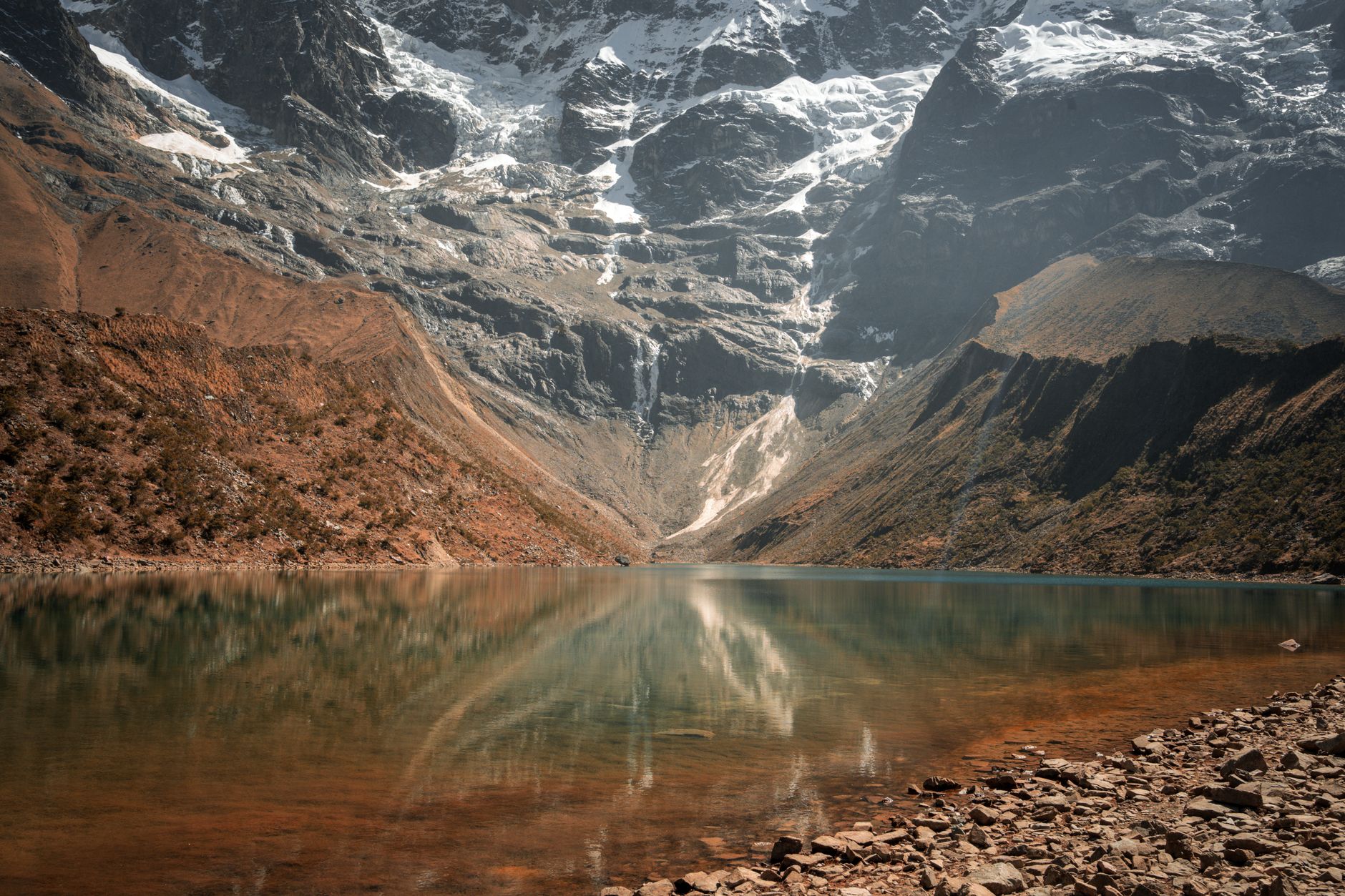
Further into the range, the route toward Ala-Kul Lake gains serious altitude – the lake sits above 3,500 meters – passing through boulder fields and a glacial moraine before the water appears, a vivid blue-green color that looks chemically enhanced in photographs but is simply the result of glacial flour suspended in cold water. The crossing from Ala-Kul down to Altyn Arashan through a high mountain pass is a standard two-to-three-day loop, and it ranks among the better moderate alpine routes in the entire post-Soviet world. Technical skill is not required, but physical conditioning absolutely is.
The town itself adds something most purely wilderness destinations lack. Karakol carries an unusual architectural mix: a working Russian Orthodox church built in 1895 by the town’s Slavic settlers and a wooden Dungan mosque constructed around the same time by Chinese Muslim immigrants, both within walking distance of each other. The local bazaar operates on a weekday rhythm driven by actual commerce rather than tourist appetite. A meal of laghman – thick hand-pulled noodles with braised meat and vegetables – costs less than a coffee at most European airports.
The Issyk-Kul Comparison Is Real, Not Generous
Issyk-Kul’s appeal is genuine. The lake moderates the regional climate, the southern shore offers some of the best beach conditions in landlocked Central Asia, and the Jeti-Oguz canyon on the western end delivers red sandstone formations that photograph beautifully. But the lake experience, by definition, keeps you at low elevation. The surrounding mountains are visible but largely behind the experience rather than inside it.
Karakol flips that relationship. The mountains are the destination, not the backdrop. This matters practically because the trekking infrastructure – guesthouses, horse rental operations, local guide networks – is calibrated around people who want to be in the high terrain, not beside a body of water. A growing number of outfitters in the region now offer week-long circuits that combine several gorges without repeating ground, which changes the valley’s appeal from a day trip add-on to a standalone itinerary. Travelers who arrive expecting Issyk-Kul’s beach resort logic leave with something closer to a Nepal trekking circuit memory.
Timing, Access, and the Honest Caveats
The trekking season runs roughly mid-June through September, with July and August offering the most reliable weather and the highest chance of encountering other hikers on the main routes. The flip side is that shoulder weeks in mid-June and early September frequently deliver the same clear skies with a fraction of the foot traffic. Snow can linger on the Ala-Kul pass well into June and can return early in September, so anyone traveling outside peak season should confirm conditions locally before attempting the high crossings.
Access from Bishkek is straightforward by Central Asian standards. Shared taxis – marshrutkas – cover the distance to Karakol in four to five hours along a road that tracks the northern shore of Issyk-Kul. The journey is not particularly scenic until the lake appears, at which point it becomes relentlessly so. A direct bus runs from Bishkek’s Western Bus Station and costs a fraction of a private transfer, though it adds time. Flying into Bishkek’s Manas International Airport from Almaty, Istanbul, Moscow, or Dubai covers most arrival scenarios for international travelers.
The infrastructure inside the valley is functional rather than polished. Guesthouses in Karakol town range from clean family-run operations to the occasional surprisingly comfortable small hotel, but luxury accommodation does not exist here in any meaningful form. Yurt camps at altitude are the only sleeping option once you leave the trailhead, and standards vary considerably. Booking through a local agency, several of which operate out of Karakol town and maintain English-language websites, eliminates most of the uncertainty. Horse rental adds significant access for travelers who want to reach the higher grazing valleys without committing to multi-day walks.
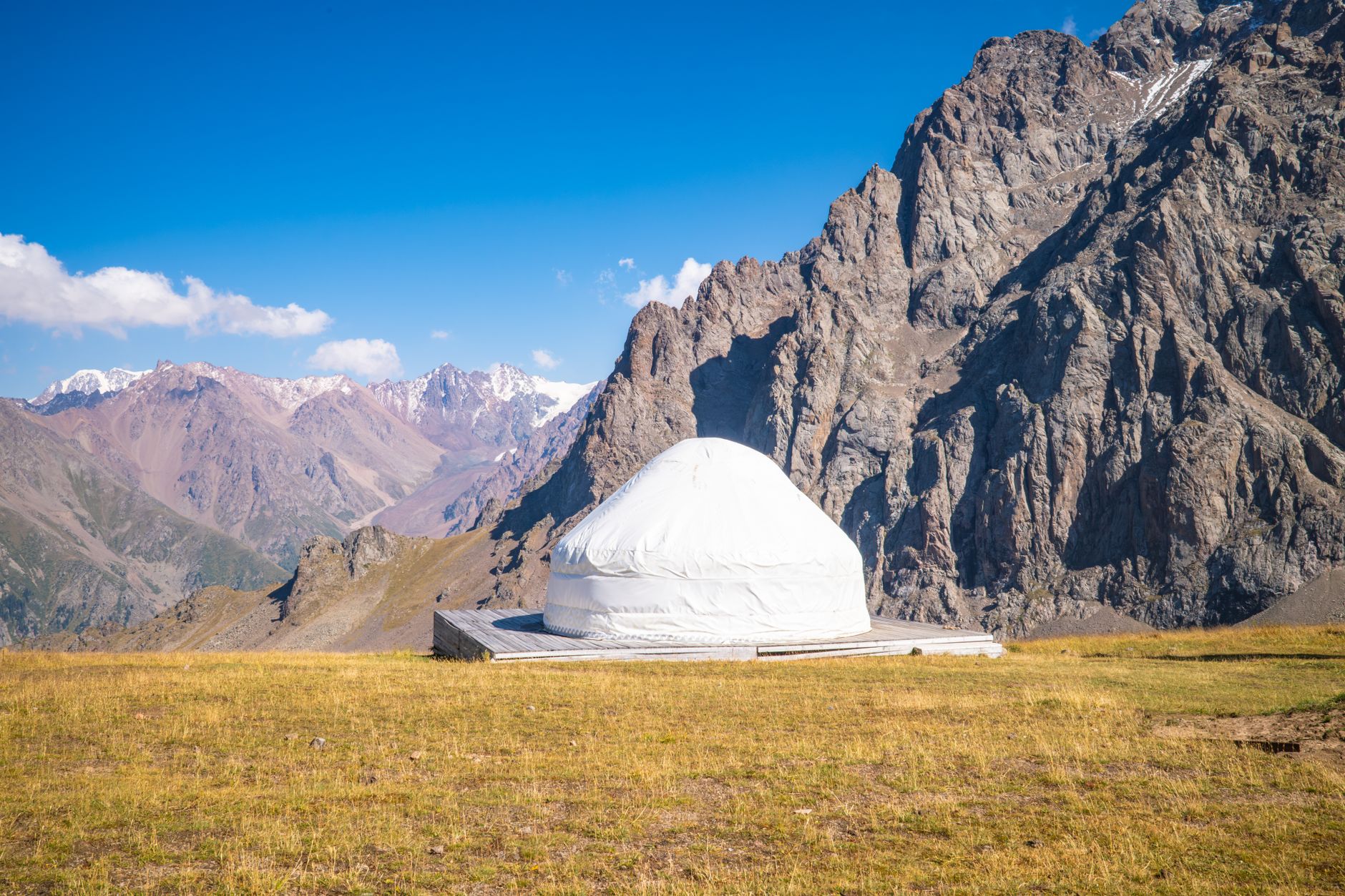
The guide community in Karakol is worth engaging even for experienced trekkers who would normally navigate independently. Local guides carry knowledge of seasonal trail conditions, river crossing safety after heavy rain, and the informal permission systems around some of the higher pastures that no online resource consistently captures. Several younger guides in the area now offer cultural components alongside navigation – stopping at working herder camps, explaining the transhumance patterns that still shape how land in the valley is used each summer. That layer of context doesn’t appear on a trail map, and it changes what the valley means once you’ve walked out of it.
Frequently Asked Questions
How do I get to Karakol Valley from Bishkek?
Shared taxis and buses run regularly from Bishkek to Karakol town, covering roughly 150 kilometers along the northern Issyk-Kul shore in four to five hours.
Is the Ala-Kul trek in Karakol suitable for beginners?
The Ala-Kul loop requires solid physical fitness due to altitude gain above 3,500 meters, but no technical climbing skills – most fit hikers with proper gear can complete it.