Kyrgyzstan’s Sary-Chelek Biosphere Quietly Rivals Issyk-Kul for Forest Wanderers

Issyk-Kul gets the postcards, the package tours, and the airport crowds. Sary-Chelek gets the silence.
A Reserve That Earns Its UNESCO Status
Sary-Chelek Biosphere Reserve sits in the Jalal-Abad region of western Kyrgyzstan, tucked into the Chatkal mountain range at elevations ranging from roughly 1,200 to 3,400 meters. UNESCO designated it a biosphere reserve back in 1978, making it one of Central Asia’s earliest protected wild areas. That designation was not ceremonial. The reserve shelters a genuinely rare convergence of walnut-fruit forests, alpine meadows, and glacial lakes within a single contiguous landscape. Most visitors who finally make it here say the same thing: they had no idea this existed.
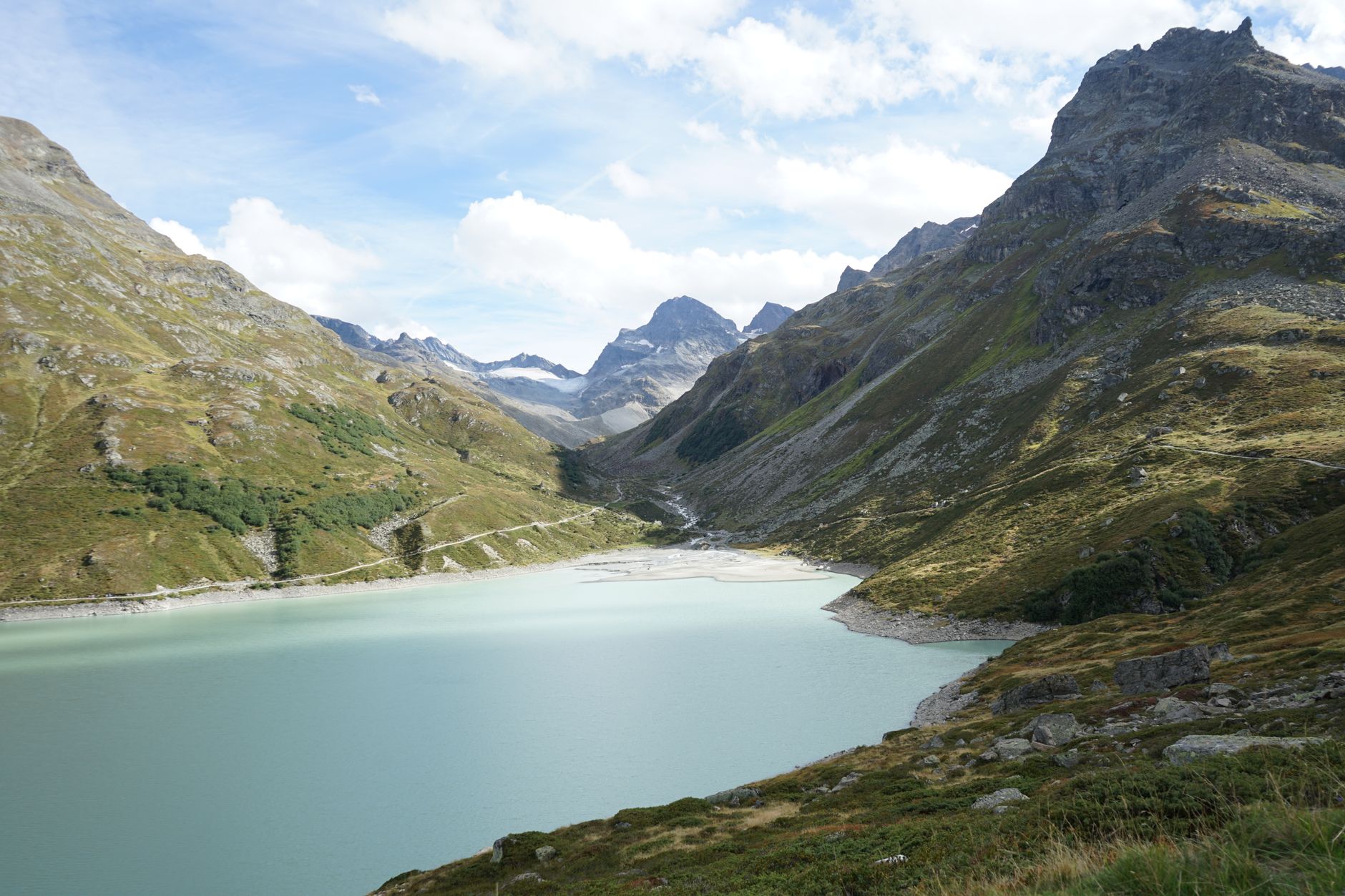
The centerpiece is Lake Sary-Chelek itself, a deep turquoise body of water set against forested ridgelines and snow-capped peaks. At roughly 7.5 kilometers long and sitting at about 1,900 meters elevation, it shares the visual language of alpine lakes worldwide – but without the infrastructure that usually accompanies that kind of scenery. There are no marina restaurants floating on pontoons. There are no parasailing operations buzzing overhead. The lake sits more or less as it has for centuries, framed by wild apple trees and walnut groves that predate any tourist economy by millennia.
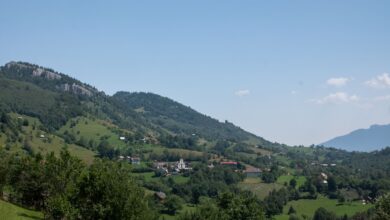
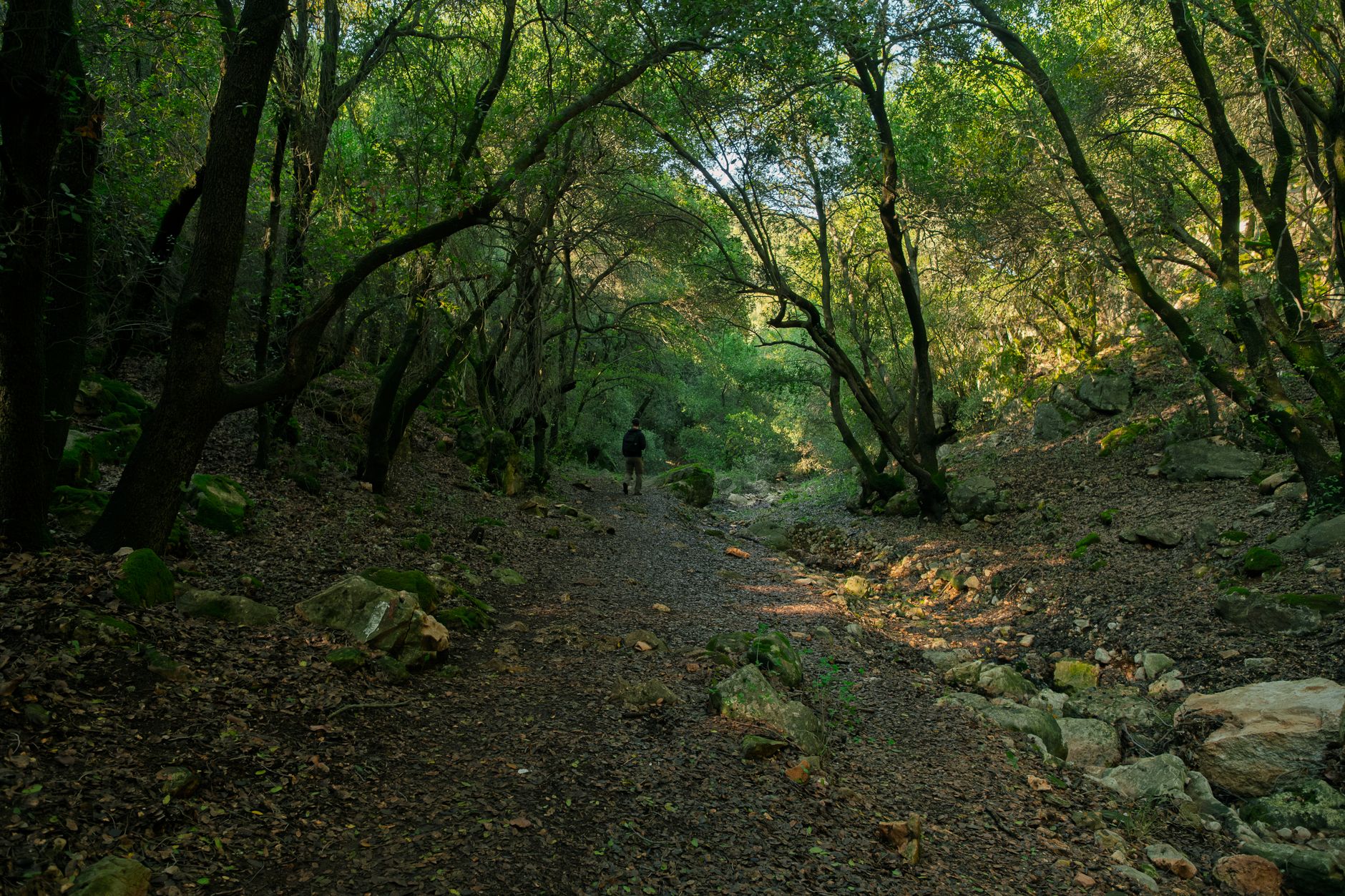
The walnut-fruit forests here are not a minor detail. This corner of Central Asia is widely considered the ancestral home of the common walnut, and the forests around Sary-Chelek represent some of the last remaining natural walnut woodland on earth. Walking through them feels nothing like a managed park trail. The canopy is dense and irregular, the undergrowth thick with wild plum, pistachio, and apple. In autumn, the forest floor becomes a kind of forager’s map, scattered with fallen fruit that nobody has planted or harvested for commercial gain.
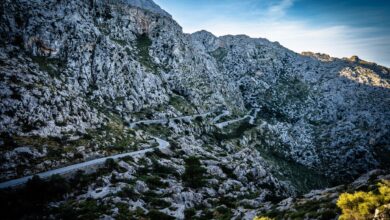
Getting there requires a genuine commitment. The nearest city of any size is Jalal-Abad, and from there travelers typically arrange shared taxis or hire private vehicles for the remaining mountain road into the reserve. The road itself is scenic but uneven, and the final stretch can be impassable after heavy rain. There is no luxury transfer service waiting at a private terminal. That friction is precisely why the reserve remains what it is – a place where the barrier to entry keeps the numbers low and the experience intact.
What Forest Wanderers Actually Find Inside
The trail network within Sary-Chelek is modest but well-distributed. A circuit around the main lake takes most hikers between four and six hours depending on pace, with consistent views of the water and the surrounding forested slopes. Beyond the lake circuit, paths climb toward the smaller satellite lakes – Kirov Lake and Tolkun Lake among them – that sit at higher elevations and attract far fewer visitors even within the reserve itself. These upper lakes are where the landscape opens into true alpine territory, with the tree cover thinning out and the rock and snow taking over.
Wildlife in the reserve is serious. Snow leopards inhabit the upper zones, though sightings are rare enough that they remain a rumor most visitors carry home rather than a photograph. Brown bears move through the walnut forests, particularly in late summer and autumn when the fruit is falling. Lynx, wild boar, and a healthy population of ibex all live within the protected boundaries. Birdwatchers find the reserve productive across seasons – golden eagles are common overhead, and the forest interior holds species that rarely appear in heavily trafficked natural areas elsewhere in the region.
Accommodation options are limited by design. A small guesthouse operates near the reserve entrance, and several local families in the surrounding villages offer homestay arrangements that have developed organically over the past two decades. These are not curated glamping experiences with branded linens and a breakfast menu. They are working households where guests eat what the family eats, sleep in rooms that double as storage space in winter, and wake to the sound of livestock rather than a digital alarm. For travelers calibrated to that kind of immersion, it works exceptionally well. For those expecting a boutique hotel with a spa wing, Sary-Chelek will be a direct disappointment.
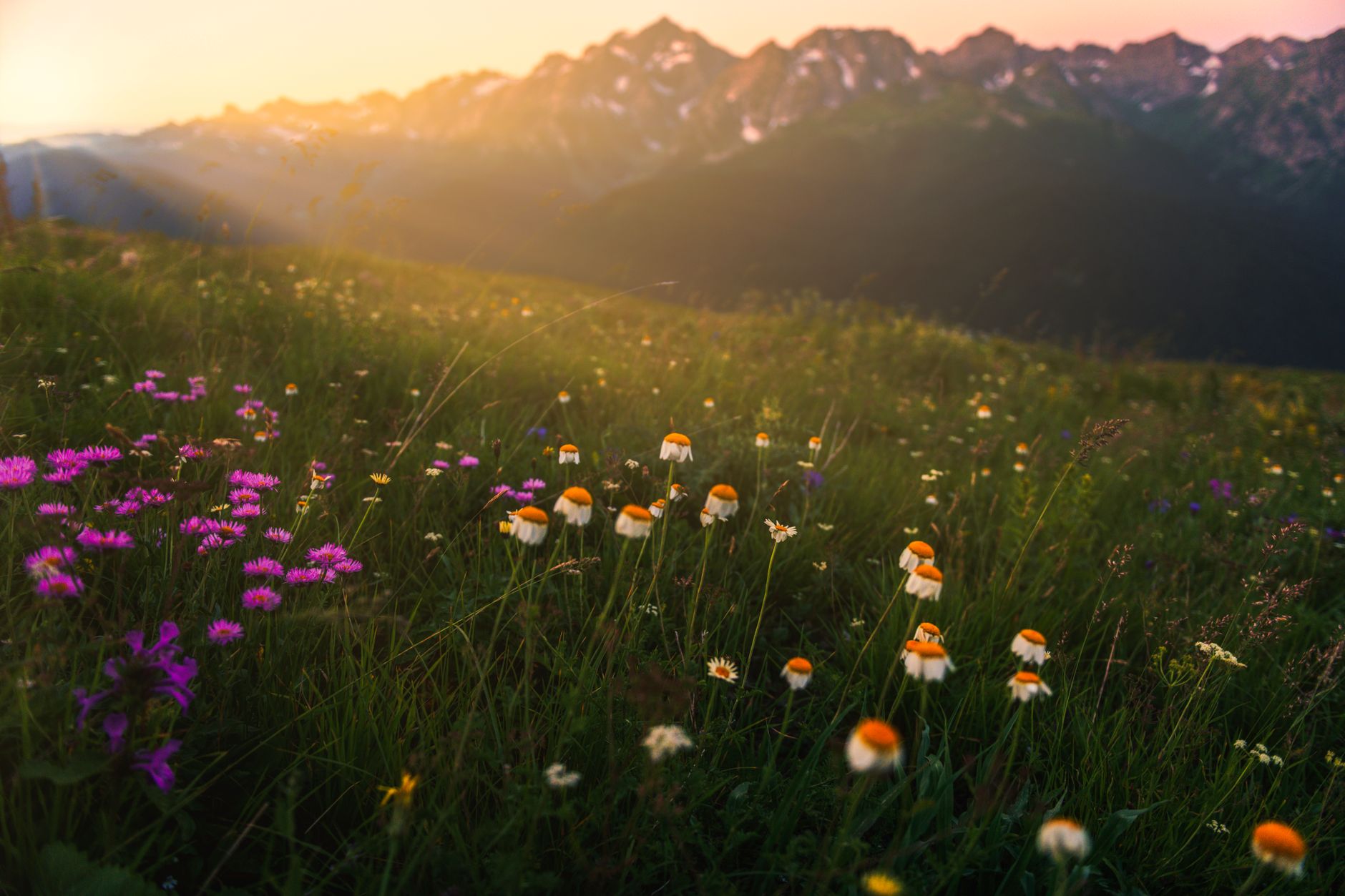
The best time to visit sits between late May and early October. June brings wildflowers across the meadows in numbers that feel genuinely excessive – whole hillsides covered in colors that have no business coexisting so densely. September pushes the walnut forests into their autumn phase, when the foliage turns and the harvest scent hangs in the air throughout the lower trails. July and August are the warmest months and technically the peak season, though “peak season” at Sary-Chelek means encountering other hikers on the trail rather than being completely alone. The difference in crowd levels compared to Issyk-Kul during the same months is significant enough to feel like a different country.
Local guides from the surrounding villages are available and genuinely worth hiring. They know which trail conditions have deteriorated since the last rainfall, where the ibex herds have been moving, and which sections of forest hold the oldest and largest walnut trees. More practically, they navigate the informal checkpoint system that governs reserve entry, which can otherwise create confusion for independent travelers unfamiliar with the paperwork requirements. The reserve charges an entrance fee that remains modest, and the revenue stays within the local management structure rather than flowing out to a distant tour operator.
How It Sits Against the Issyk-Kul Comparison
Issyk-Kul is a magnificent lake and deserves its reputation. At roughly 180 kilometers long, it operates at a scale that Sary-Chelek cannot match, and its resort infrastructure serves travelers who want organized beach access, water sports, and reliable hotel bookings. Those are legitimate travel preferences. What Issyk-Kul cannot offer, by virtue of its own success, is the particular quality of stillness that comes with genuine remoteness. The northern shore especially has developed steadily over the past decade, and the southern shore – though quieter – still operates within the gravitational pull of mass tourism. Sary-Chelek exists outside that pull entirely.
The comparison that keeps surfacing among travelers who have done both is not about scenery – both landscapes are striking in different registers – but about the feeling of arrival. At Issyk-Kul, you arrive at a destination. At Sary-Chelek, you arrive at a place. That distinction sounds abstract until you are standing at the edge of the lake in the early morning, no other sound except water and wind, watching mist lift off the surface while a walnut tree drops fruit somewhere behind you in the forest. The Chatkal range sits white and indifferent above the treeline. Nothing is performing for you.