The Plateau Most Coffee Travelers Skip
Luang Prabang gets the pilgrimages, the Instagram itineraries, the glossy magazine spreads. Travelers arrive for the saffron-robed monks at dawn, the Mekong sunsets, the French-colonial shopfronts serving decent espresso. What almost nobody talks about is that roughly 600 kilometers to the south, sitting at elevation on the edge of what was once a volcanic lake bed, the Bolaven Plateau produces some of the most distinctive coffee in Southeast Asia – and almost no one in the international travel circuit has caught on.
That gap is closing. Slowly, and without the fanfare that tends to ruin places, a particular kind of traveler has started routing through Paksong, Tad Lo, and the farming villages that ring the plateau’s waterfall-laced perimeter. They come specifically for the coffee – for the smell of it drying on raised beds in the cool morning air, for the chance to sit with a grower and taste the difference between a washed Arabica and a natural-process lot from the same farm. This is not a trend that runs on social media hype. It runs on word of mouth between people who take coffee seriously.
What the Plateau Actually Offers
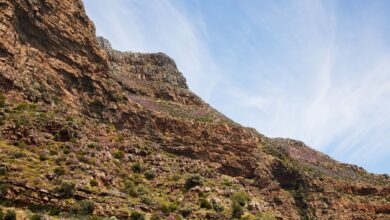
The Bolaven Plateau sits between 1,000 and 1,350 meters above sea level, which gives it the temperature variation that Arabica coffee needs to develop acidity and complexity. Most of Laos produces Robusta, which thrives at lower altitudes and gets bulk-sold into instant coffee blends across Asia. The plateau is the exception. Arabica has been grown here since French colonial planters introduced it in the early 20th century, and the combination of volcanic soil, reliable rainfall, and cool nights creates a cup that coffee professionals consistently describe as soft, low in bitterness, and unusually sweet in its natural fruit notes.
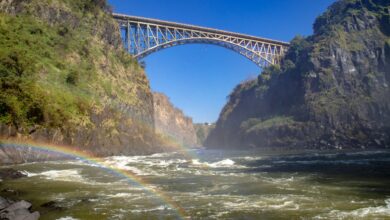
What makes this agriculturally interesting also makes it visually striking. The plateau is interrupted constantly by waterfalls – Tad Fane drops nearly 120 meters into a canyon gorge, Tad Yuang splits into twin falls through dense canopy – and the landscape between them is a patchwork of shade-grown coffee trees, cardamom plots, and tea gardens. Guesthouses have started appearing at the waterfall viewpoints, some run by farming families who offer tastings of their own production. The infrastructure is basic. That is precisely the point.
Getting there from Luang Prabang requires either a domestic flight to Pakse followed by a road trip south, or a longer overland route that passes through the Mekong corridor. Neither option is fast. This is not a day trip bolted onto a standard itinerary – it demands a deliberate detour, which filters out the casual visitor and leaves the plateau to people who specifically sought it out.

Why Paksong Is the Town to Know
Paksong is the plateau’s market town and, increasingly, its coffee hub. Small processing stations have opened on the roads leading into town, and a handful of specialty-focused buyers – some Lao, some foreign – have established sourcing relationships with local farming cooperatives. The result is a supply chain that, while still fragmented, has started producing traceable, single-origin lots that reach roasters in Bangkok, Hanoi, and further abroad. For the traveler willing to show up in person, the processing stations are often open to visitors, and the conversations that happen over a freshly brewed cup of that morning’s harvest are the kind of encounter no curated coffee tour in Luang Prabang can replicate.
The town itself is understated to a fault. There are no destination restaurants, no boutique hotels with rooftop bars, no night markets calibrated for tourists. There are noodle shops, a morning produce market where coffee cherries get sold alongside vegetables, and a few guesthouses with clean rooms and cold showers. Travelers who need comfort amenities will find the experience frustrating. Travelers who prioritize access and authenticity over comfort will find it refreshing in a way that has become genuinely hard to achieve in this part of the world.
The Coffee Traveler’s Case for Rerouting
Coffee tourism as a distinct travel category has been gaining traction across producing regions – from Ethiopia’s Yirgacheffe valley to Colombia’s Zona Cafetera – and the logic driving it is straightforward. Tasting a coffee at origin, after watching the cherry get pulped and the parchment dry in the sun, is a fundamentally different experience from drinking the same coffee at a specialty cafe in London or New York. The plateau delivers that experience with far less competition for access than more established coffee destinations. There are no tour buses at Tad Fane at dawn. The farmers do not expect visitors, which means the ones who show up are treated as guests rather than customers.
That dynamic will not hold indefinitely. A growing number of specialty roasters have started listing Bolaven Plateau as a named origin on their bags, and when that kind of retail visibility builds, origin tourism tends to follow. The plateau is also attracting interest from sustainable agriculture organizations focused on helping smallholder farmers access direct-trade pricing, which brings international attention and, eventually, more visitors. The window for arriving somewhere before the infrastructure catches up with the quality of what’s being produced is a specific and short-lived thing.
There is also a broader Laos argument to make. The country has spent years positioned almost entirely around Luang Prabang in Western travel imagination, with the rest of the country treated as connective tissue between that jewel and the Cambodian border. The south – including the 4,000 Islands, the Xe Pian protected area, and the plateau – has always been there, fully formed and waiting. Coffee gives travelers a specific reason to structure a trip around the south rather than simply passing through it.

The plateau’s farming families are not waiting for tourism to validate what they grow. The coffee has been excellent long before anyone outside the region noticed. But for travelers who have exhausted the standard Laos circuit and are looking for something that requires actual effort to reach – and rewards that effort with direct access to the people and processes behind a genuinely good cup – the Bolaven Plateau is the answer that Luang Prabang, for all its beauty, simply cannot provide. The monks at dawn are worth seeing once. The coffee at Tad Fane at 6am, brewed by the woman who picked the cherries two weeks ago, is worth building a trip around.
Frequently Asked Questions
What kind of coffee is grown on the Bolaven Plateau?
The plateau is known for Arabica coffee, grown at elevations between 1,000 and 1,350 meters on volcanic soil that produces a soft, low-bitterness cup with natural fruit sweetness.
How do you get to the Bolaven Plateau from Luang Prabang?
The most practical route is a domestic flight from Luang Prabang to Pakse, followed by a road trip south to the plateau. It requires a deliberate detour and at least a few days to explore properly.