
Where Coffee Routes Replace Temple Circuits
Luang Prabang gets the magazine covers, the UNESCO designation, and the sunrise alms-giving photographs shared across a million travel feeds. But roughly 700 kilometers to the south, a highland plateau sitting at an elevation of around 1,200 meters is producing some of Southeast Asia’s most interesting coffee – and drawing a slow-growing current of travelers who have quietly stopped asking what’s more worth seeing and started asking what’s more worth drinking.
The Plateau That Coffee Built
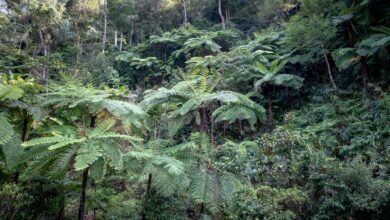
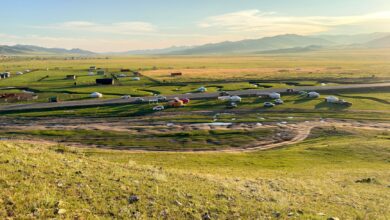
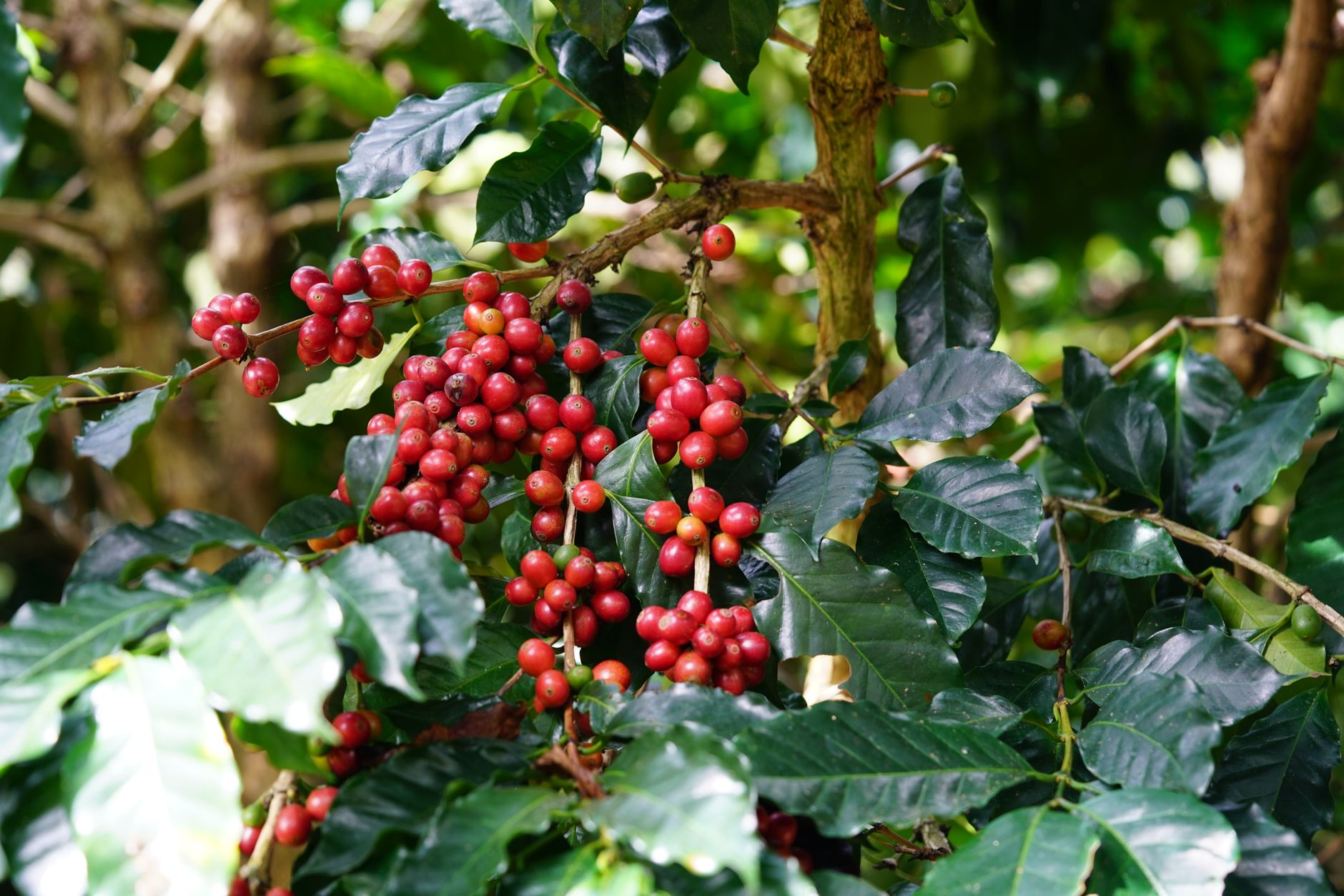
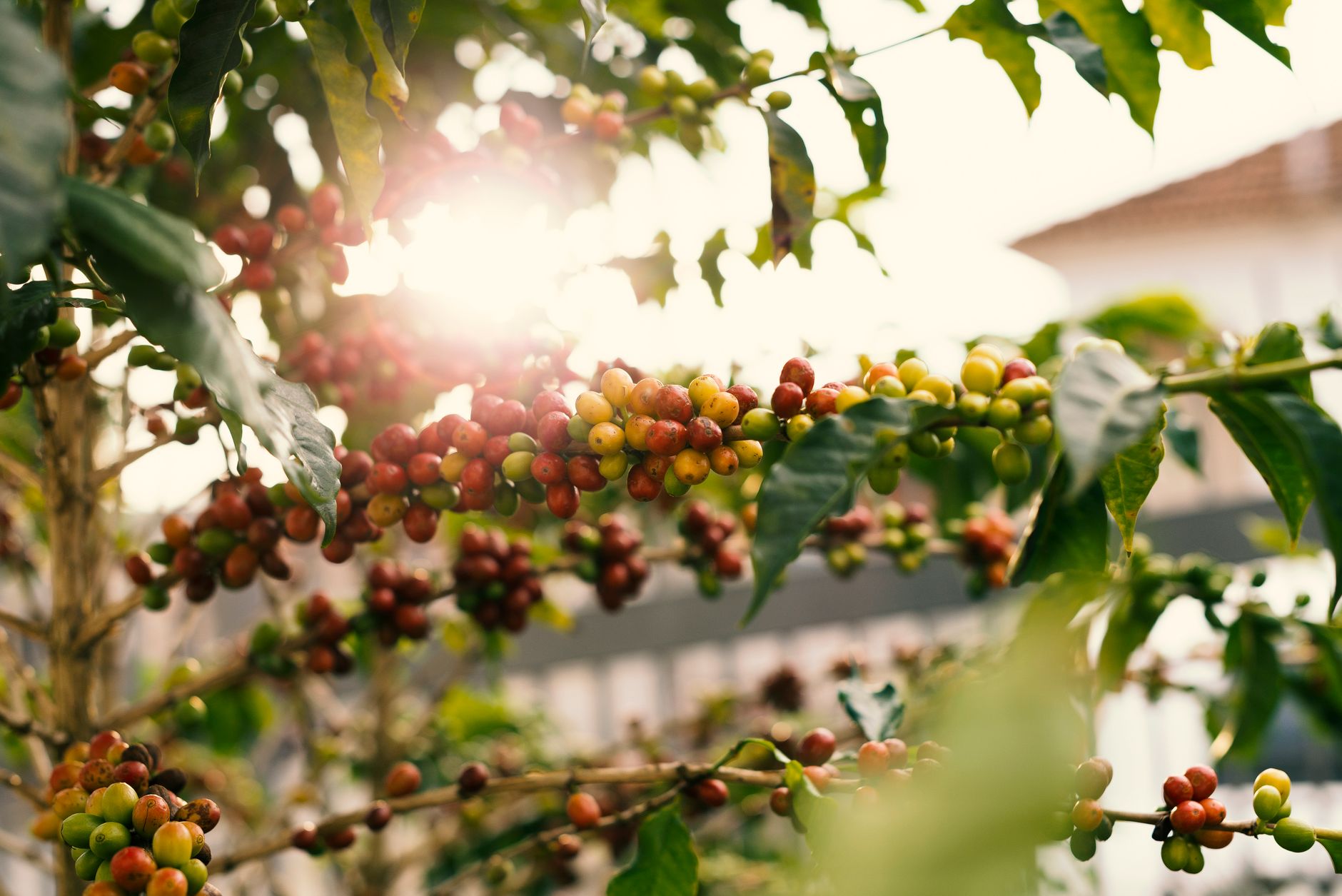
The Bolaven Plateau spreads across the southern Laos highlands, straddling parts of Champasak, Sekong, Salavan, and Attapeu provinces. The altitude, the volcanic soil, and the cool mist that sits over the plateau for much of the year create growing conditions that favor arabica and robusta varieties with a depth and acidity that lowland regions simply cannot replicate. This isn’t marketing language – it’s geography doing the work that branding usually claims credit for.
The plateau’s coffee story begins in the French colonial period, when arabica cultivation was introduced as a commercial crop. What followed was decades of disruption, including the period of U.S. bombing during the Vietnam War era that left parts of the region heavily affected. Coffee farming survived, rebuilt, and in recent years attracted the attention of specialty roasters looking for origin stories that haven’t already been packaged and sold to the mainstream market. Some small-batch roasters sourcing directly from Bolaven farms are still largely unknown outside niche coffee circles, which is part of what makes the plateau interesting right now, before that changes.
The main town most travelers use as a base is Pakse, the provincial capital of Champasak, which sits at the plateau’s western foot. From there, a loop road – commonly done by motorbike or bicycle – winds through coffee and tea plantations, past several significant waterfalls, and through villages where the Katu, Laven, and other ethnic minority communities have farmed the land for generations. The loop takes anywhere from one long day to four days depending on how many times you stop, which is the right way to think about it.
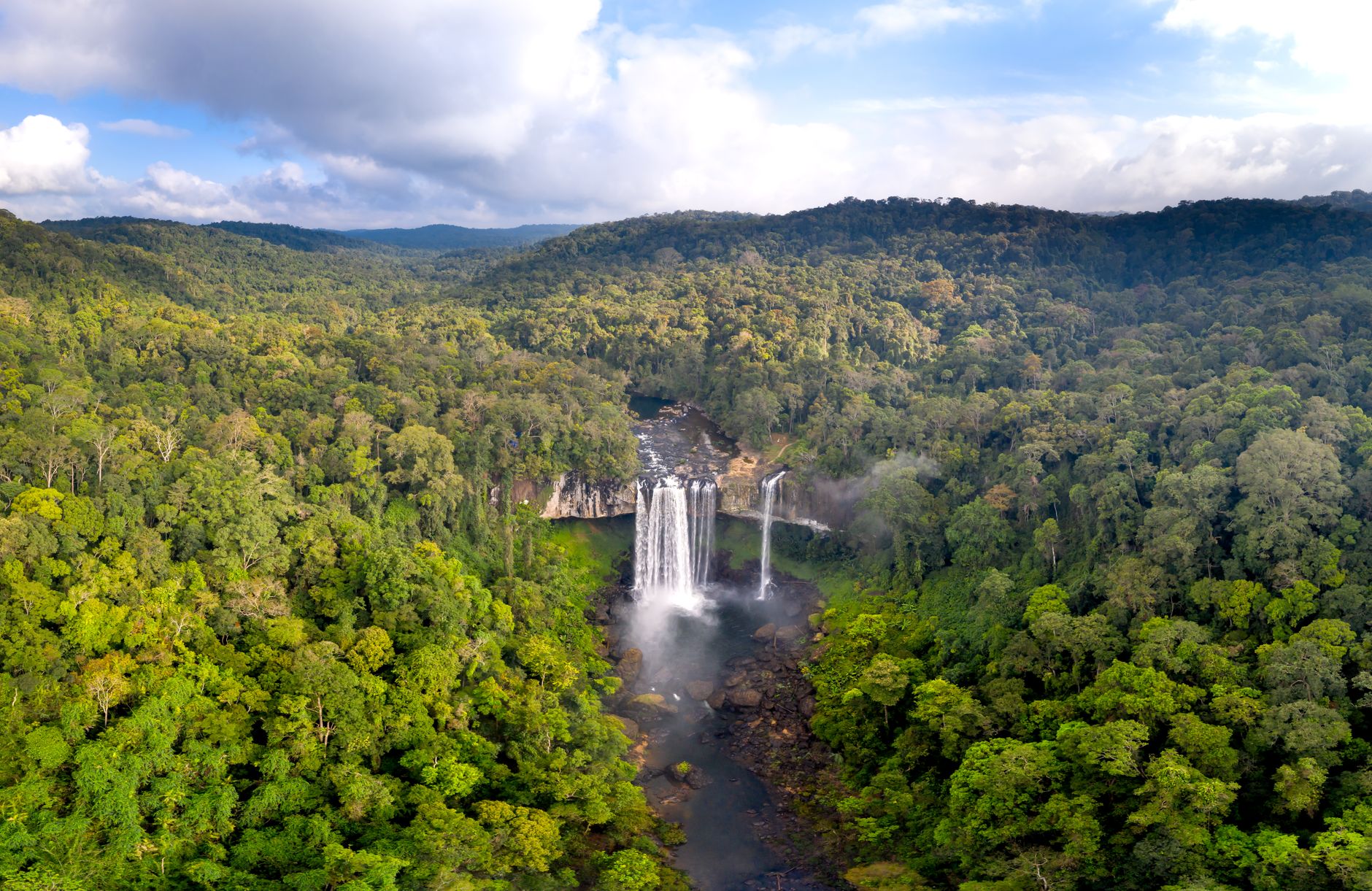
The waterfalls deserve a sentence of their own. Tad Fane, Tad Yuang, and Tad Lo are among the most dramatic – sheer drops fed by highland streams, surrounded by forest, often with almost no crowd infrastructure. These aren’t complementary attractions bolted onto a coffee trip. They’re part of the same landscape, and the combination of mist, elevation, and falling water makes the plateau feel genuinely different from the riverine charm of Luang Prabang’s UNESCO corridor.
Why Coffee Travelers Are Starting to Take Notice
A specific kind of traveler has started building trips around origin experiences – visiting the places where things are made rather than just buying them at the end. For wine, this has been normal for decades. For coffee, it’s a younger habit, and Bolaven sits at an interesting point in that curve: accessible enough to reach without serious expedition logistics, but not yet overrun with guided farm tours organized by large operators.
Several small guesthouses and eco-lodges on and around the plateau now offer basic farm visits, sometimes just a walk through the rows with whoever owns the property and a cup brewed at the end. The experience is more informal than curated, which for many travelers is precisely the point. There’s no scripted narrative, no gift shop moment. You’re on a working farm, and the people running it are focused on farming.
The coffee itself, when brewed locally, often arrives very strong and very sweet by default – the traditional Lao style uses a sock filter and condenses the brew over sweetened condensed milk. Specialty preparation methods are starting to appear in a few spots in Pakse, with younger Lao entrepreneurs opening small cafes that cater to the pour-over crowd without entirely abandoning the traditional preparation their parents grew up with. That coexistence hasn’t produced any tension yet, which makes the food and drink landscape feel genuinely relaxed rather than self-consciously curated.
Getting to the Bolaven Plateau requires more intention than booking a flight into Luang Prabang. Most travelers arrive into Pakse via domestic flight from Vientiane, or overland from southern Laos or across the border from Cambodia or Thailand. The transportation links are functional but not seamless, and that friction is actually a useful filter – the plateau attracts people who planned to go there, not people who wandered in from a cruise port afternoon.
Accommodation across the plateau ranges from simple guesthouses in Paksong – the main highland town and the center of the coffee trade – to a small number of eco-lodges that sit within or near the plantation areas. Nights are genuinely cool by Lao standards, sometimes requiring a light layer, which feels surprising if your mental image of Laos is built entirely on the Mekong lowlands. Waking up in the mist, with coffee cherry trees visible from the guesthouse window, is a different kind of morning than Luang Prabang’s golden temple light – not better or worse, just operating on different terms entirely.
What the Plateau Is Still Missing
Infrastructure for independent travelers remains thin in places. Signage outside of the main loop is inconsistent, English-language information at smaller farms is limited, and motorbike rental quality in Pakse varies considerably. Travelers used to the groomed trail systems and multilingual signage of northern Laos will need to recalibrate their expectations. Some of that friction adds to the appeal; some of it genuinely costs time and causes frustration, and only you can decide which side of that line applies to your travel style.
The plateau also lacks the evening culture that makes Luang Prabang so socially comfortable for solo travelers – the night market, the cluster of restaurants along the main road, the built-in social rhythm. Bolaven evenings tend to end early. After dark, you’re largely on your own, with the sound of highland insects and, if the guesthouse has thought to stock it, a thermos of locally grown coffee sitting on the table for the morning.