Laos’s Bolaven Plateau Quietly Rivals Luang Prabang for Coffee Trail Wanderers

The Plateau Most Travelers Fly Over
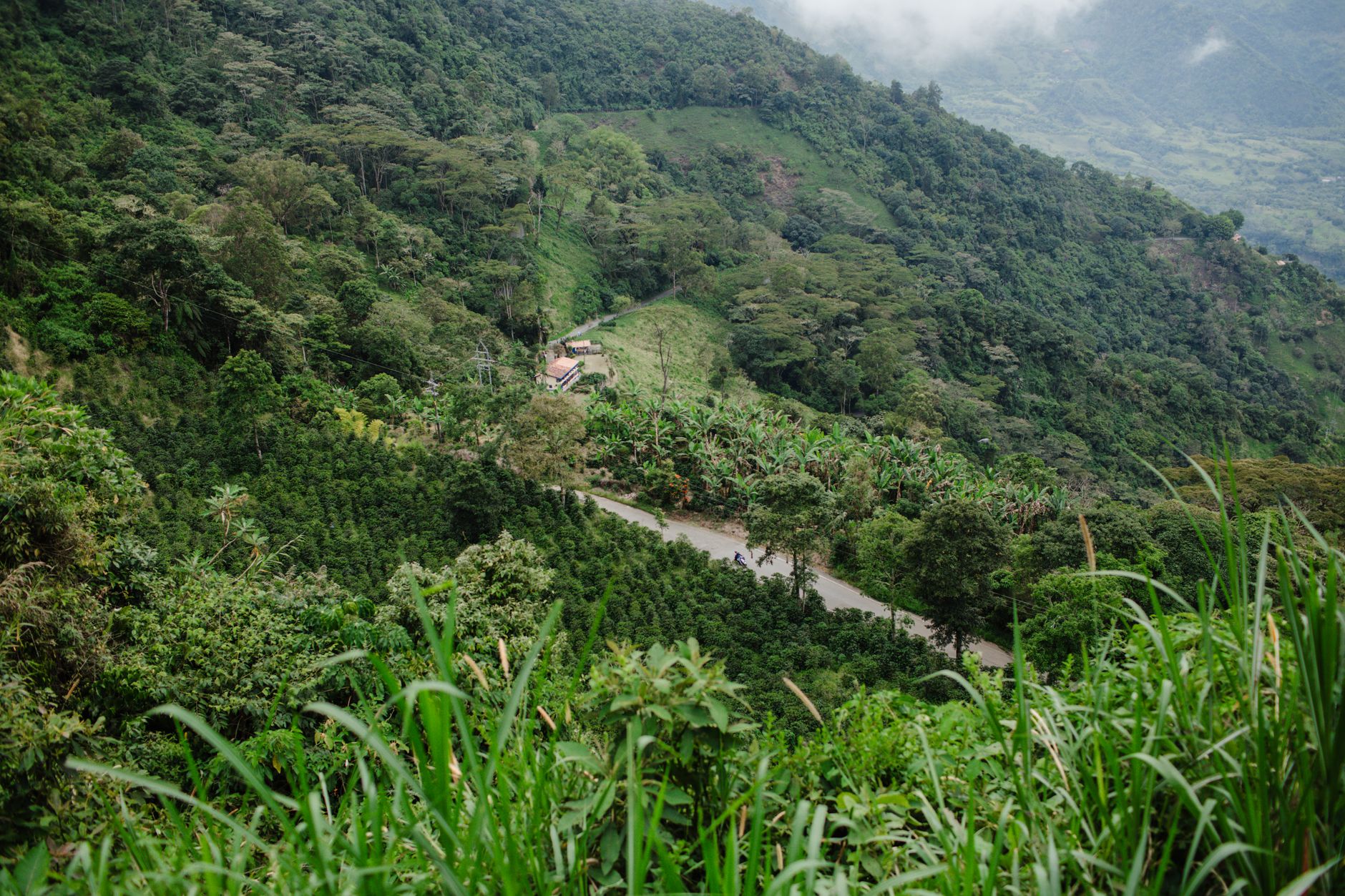
Luang Prabang gets the monastery photos, the night market crowds, and the UNESCO designation. It earns all of it. But roughly 700 kilometers to the south, sitting at elevations between 1,000 and 1,350 meters above sea level, the Bolaven Plateau has been quietly producing some of Southeast Asia’s most respected Arabica coffee for decades – and the travelers who find their way there tend to rearrange their entire Laos itinerary around it. The plateau covers parts of four southern provinces, and its cool, mist-heavy air creates growing conditions that most of lowland Laos simply cannot replicate.
The name Bolaven comes from the Laven people, one of several ethnic groups who have called this highland home for generations. French colonial planters recognized the agricultural potential early in the 20th century, introducing coffee cultivation that would eventually outlast the colonial administration itself. What remains today is a coffee culture that feels genuinely earned rather than curated for tourism – which is precisely why a particular type of slow traveler keeps showing up with a rented motorbike, a rough map, and no fixed return date.
What the Coffee Trail Actually Looks Like
There is no official coffee trail on the Bolaven Plateau. No signposted route, no stamp-card program, no organized hop-on bus linking farms to tasting rooms. The experience is self-directed almost by necessity. Pakse, the nearest city of any size and the most common entry point to the plateau, has a handful of cafes and small tour operators who can point travelers toward specific farms around the town of Tad Lo or near Paksong, which sits at the plateau’s highest elevations and serves as an informal hub for the coffee-growing communities nearby.
Paksong is not a polished destination. The market is practical rather than scenic, the guesthouses are basic, and the roads radiating outward toward farms range from rough asphalt to red-dirt tracks that become genuinely difficult after rain. But that unfinished quality is part of what makes the area work for travelers who are tired of destinations that have been pre-packaged for convenience. On the plateau, you earn the view and you earn the cup of coffee at the end of it.
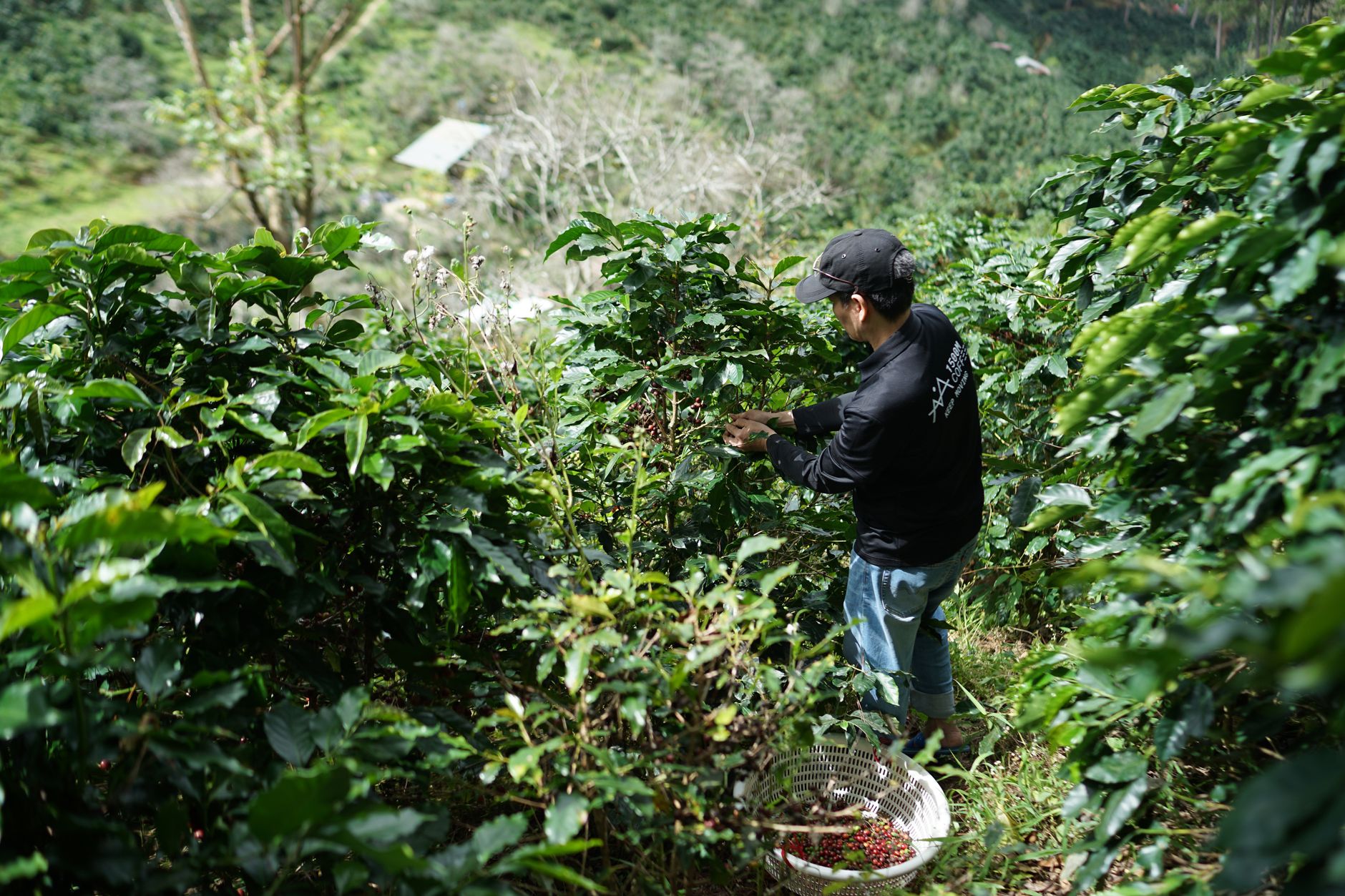
The farms themselves vary considerably. Some are small family operations where the owner will walk you through the drying beds and hand-pulping process with a combination of Lao, minimal English, and patient gesture. Others have grown into more established enterprises with defined visiting protocols and processing facilities large enough to handle export volumes. Robusta still grows at lower elevations, but the Arabica varieties cultivated at altitude – including some Typica and Catimor strains – are what have drawn international attention from specialty roasters looking for Southeast Asian origins that go beyond Vietnam’s industrial-scale output.
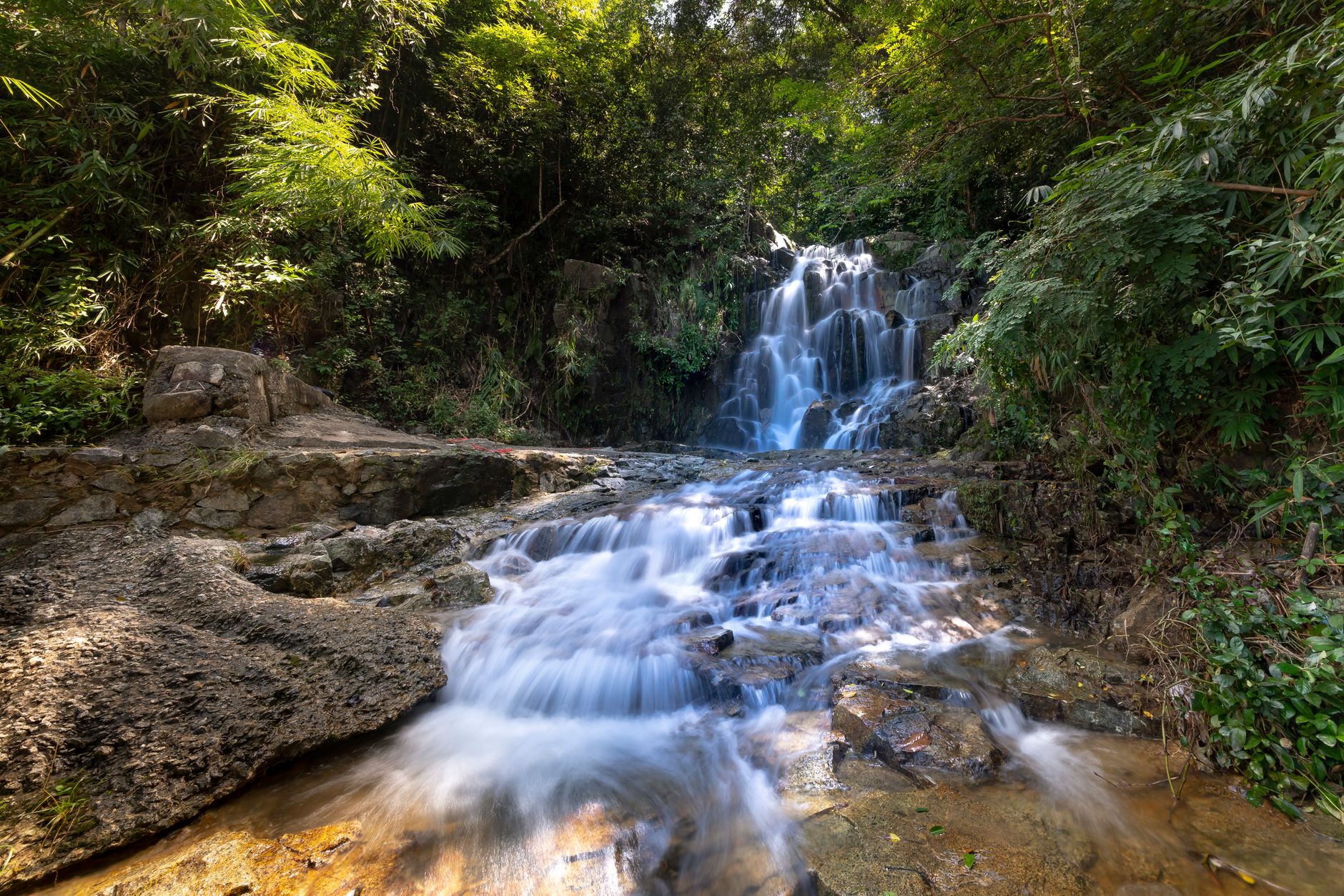
The waterfall circuit that most packaged tours use as a selling point – Tad Fane, Tad Yuang, Tad Lo – cuts through the same landscape as the coffee farms. Tad Fane in particular drops roughly 120 meters into a canyon surrounded by forest, and it sits near farm territory. Travelers who plan around both the falls and the farms find that the distances make sense on a motorbike loop that can cover serious ground in two or three days without feeling rushed.
Getting There Without a Tour Group
Pakse connects to Vientiane and Luang Prabang by domestic flight, and to southern Laos’s border crossings by road – including the Vang Tao crossing into Thailand. From Pakse, the plateau is accessible by minibus to Paksong, which takes roughly two hours on Route 23, climbing steadily through increasingly green landscape as the temperature drops. Renting a motorbike in Pakse and riding up independently gives far more flexibility for stopping at roadside coffee stalls, photographing the terraced farms, and taking unmarked side roads without worrying about a driver’s schedule.
The best time to visit the plateau is between November and February, when the dry season keeps the dirt roads passable and the air clear enough for views across the farming valleys. The harvest itself runs roughly from November through January for Arabica, which means visiting during that window offers the rare chance to see the full picking and processing cycle in motion. Showing up during peak harvest and asking politely – through a guesthouse owner or local guide – often results in an informal invitation to watch or participate that no booking platform can arrange in advance.
How Bolaven Fits Into a Broader Southern Laos Trip
The plateau does not exist in isolation. Travelers approaching from Cambodia can enter Laos through the Si Phan Don (Four Thousand Islands) region on the Mekong, spend time in that slow-river zone, and then move north to Pakse and up onto the plateau before looping back or continuing toward Vientiane. That southern Laos circuit – islands, city, plateau – holds together logistically and offers a range of experiences that do not overlap with each other. The plateau is the coolest and most physically active segment of the three.
Pakse itself warrants at least a day or two. The French colonial architecture along the Mekong and Xe Don river confluence is well-preserved by regional standards, the city’s morning market runs early and deep into the surrounding blocks, and the cafe scene has improved noticeably as Bolaven coffee has gained recognition. Some of the roasters sourcing from plateau farms have opened retail outposts in Pakse where the espresso is pulled with more attention to extraction than most Southeast Asian capitals manage.
Accommodation on the plateau ranges from simple guesthouses at Tad Lo to a small number of eco-lodge style properties that have appeared near Paksong in recent years, catering specifically to visitors who want a multiday immersion rather than a day trip from Pakse. Rates remain low by any regional comparison. A room with a private bathroom and views across the coffee fields at elevation typically costs a fraction of what a similar scenic rural stay runs in northern Thailand or rural Vietnam – a gap that may not persist much longer as word circulates among the specialty coffee travel crowd, which tends to move in tight networks and talk loudly about the places they think nobody else has found yet.