Lesotho’s Sani Pass Quietly Rivals the Drakensberg for Highland Wanderers

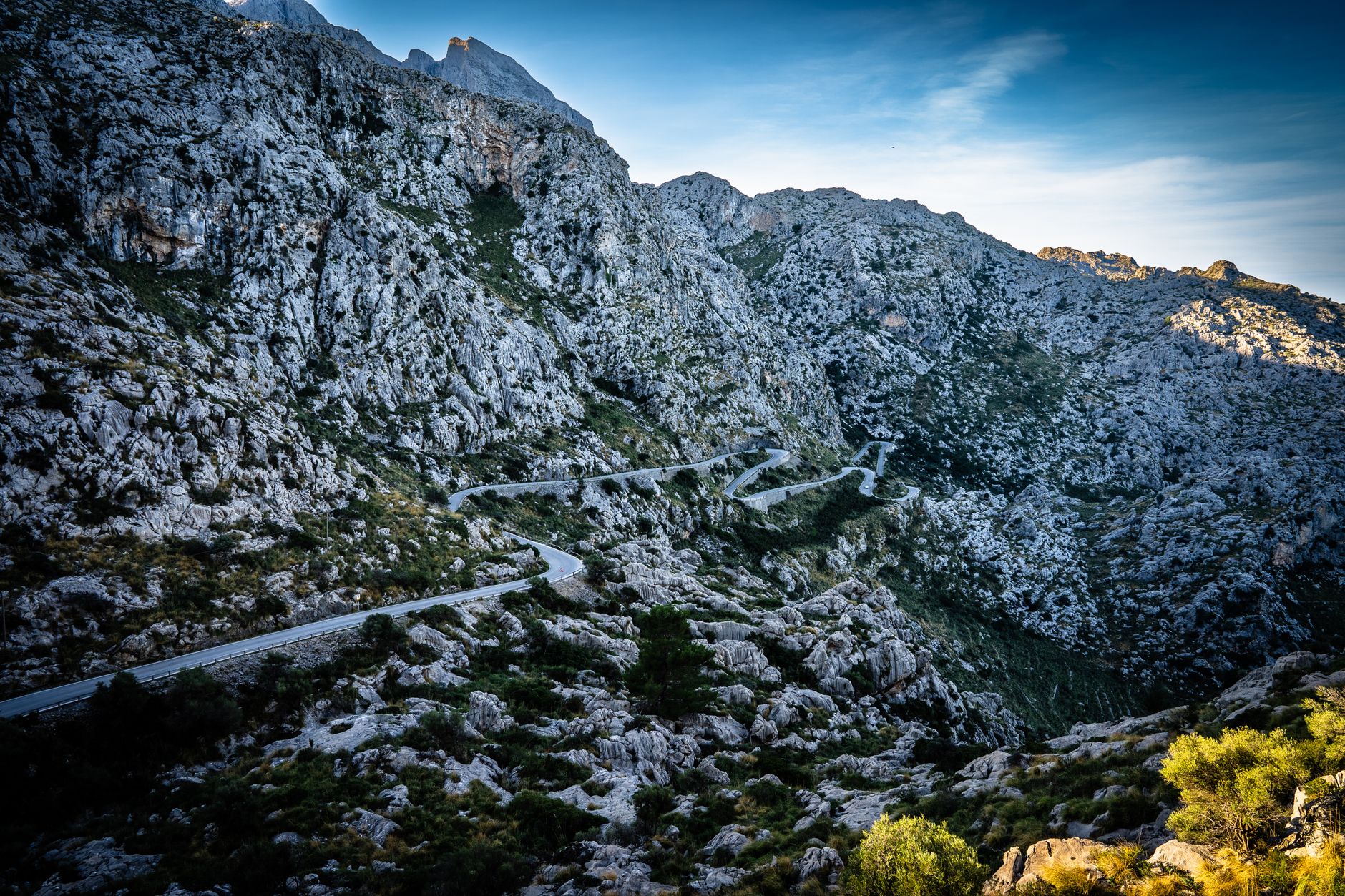
Sani Pass doesn’t advertise itself. There are no glossy billboards, no airport transfer packages, no influencer-ready infinity pools perched at the summit. What there is: a raw, unpaved mountain road climbing through the Drakensberg escarpment into the Kingdom of Lesotho, topping out above 2,874 meters, where the air thins, the landscape turns lunar, and the only pub in Lesotho worth arguing about sits waiting for hikers who earned the altitude the hard way.
The Pass That Most Travelers Drive Past
The Drakensberg range draws hundreds of thousands of visitors annually to South Africa’s KwaZulu-Natal province. They come for Cathedral Peak, for the Amphitheatre, for the well-maintained trails and the reliable lodge infrastructure. Sani Pass sits at the southern end of the same escarpment, offering something geologically identical but logistically untamed. Most travelers encounter the sign for it, hesitate at the sight of the dirt road, and keep driving north toward the polished resorts.
That hesitation is exactly why Sani Pass has remained special. The gravel switchbacks leading up the South African side of the border are technically demanding – steep, loose, and deeply rutted in places. Only 4WD vehicles are permitted beyond the South African border post, and for good reason. The road climbs roughly 1,300 meters in elevation over about nine kilometers, threading through a series of tight hairpin turns with drop-offs that make passengers earn every photo opportunity. Guided tours depart from Underberg and Himeville, running half-day and full-day excursions that include the cross-border formalities into Lesotho.
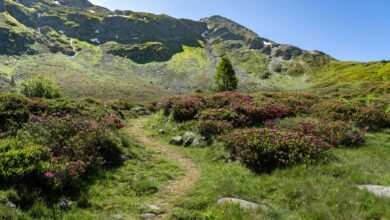
For hikers willing to go on foot, the calculus changes entirely. The Sani Pass trail is open to walkers who want to ascend independently, and the experience is categorically different from driving it. You feel the gradient in your legs, not your transmission. The vegetation shifts visibly with every few hundred meters gained – from the lush sub-tropical growth at the base, through afromontane forest zones, and eventually into high-altitude basalt grasslands that stretch toward the Lesotho interior. It’s the kind of ecological compression that alpine environments do better than almost anywhere else on Earth.
The border crossing itself is worth mentioning for practical reasons. Both South African and Lesotho immigration posts are staffed and functional, though the Lesotho side operates on more flexible hours than most travelers expect. Carry your passport. The entry requirements for Lesotho are straightforward for most nationalities – a visa-free stamp at the border – but confirming current requirements before departure is standard protocol. Once through, you are technically in a different country, one that sits entirely surrounded by South Africa, a geographical fact that still catches first-time visitors off guard.
Life at the Top of Lesotho
The Sani Mountain Lodge at the summit is the anchor point for most visitors. It holds the informal title of the highest pub in Africa, a claim that generates the right kind of debate among highland regulars. Whatever you think of that designation, the stone-built lodge at roughly 2,874 meters serves a legitimately warming bowl of soup and a cold beer with views across the Lesotho plateau that justify the entire journey. Overnight stays are possible, and this is where the pass graduates from a day-trip attraction into something worth planning a full itinerary around.
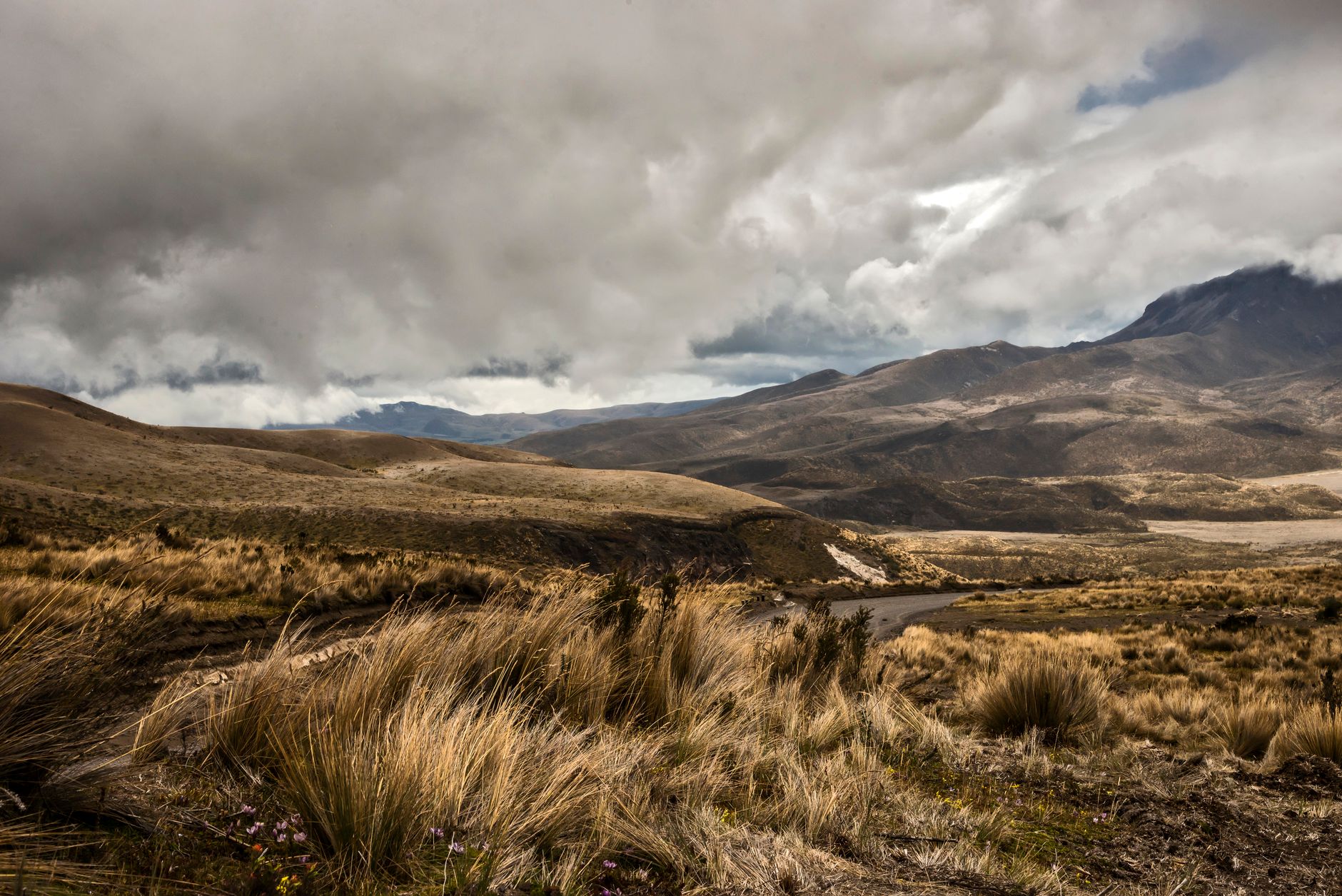
Staying overnight changes everything. The day-trippers clear out by mid-afternoon, and what remains is one of the quietest mountain environments in southern Africa. The Lesotho plateau stretches out in every direction – wide, wind-scoured, almost treeless, and populated by Basotho herders who move their livestock across the highlands on horseback. Seeing a Basotho horseman in a traditional blanket crossing the plateau at dusk, against a sky that goes full orange then purple without warning, is the kind of image that doesn’t translate to a phone screen but stays with you for years.
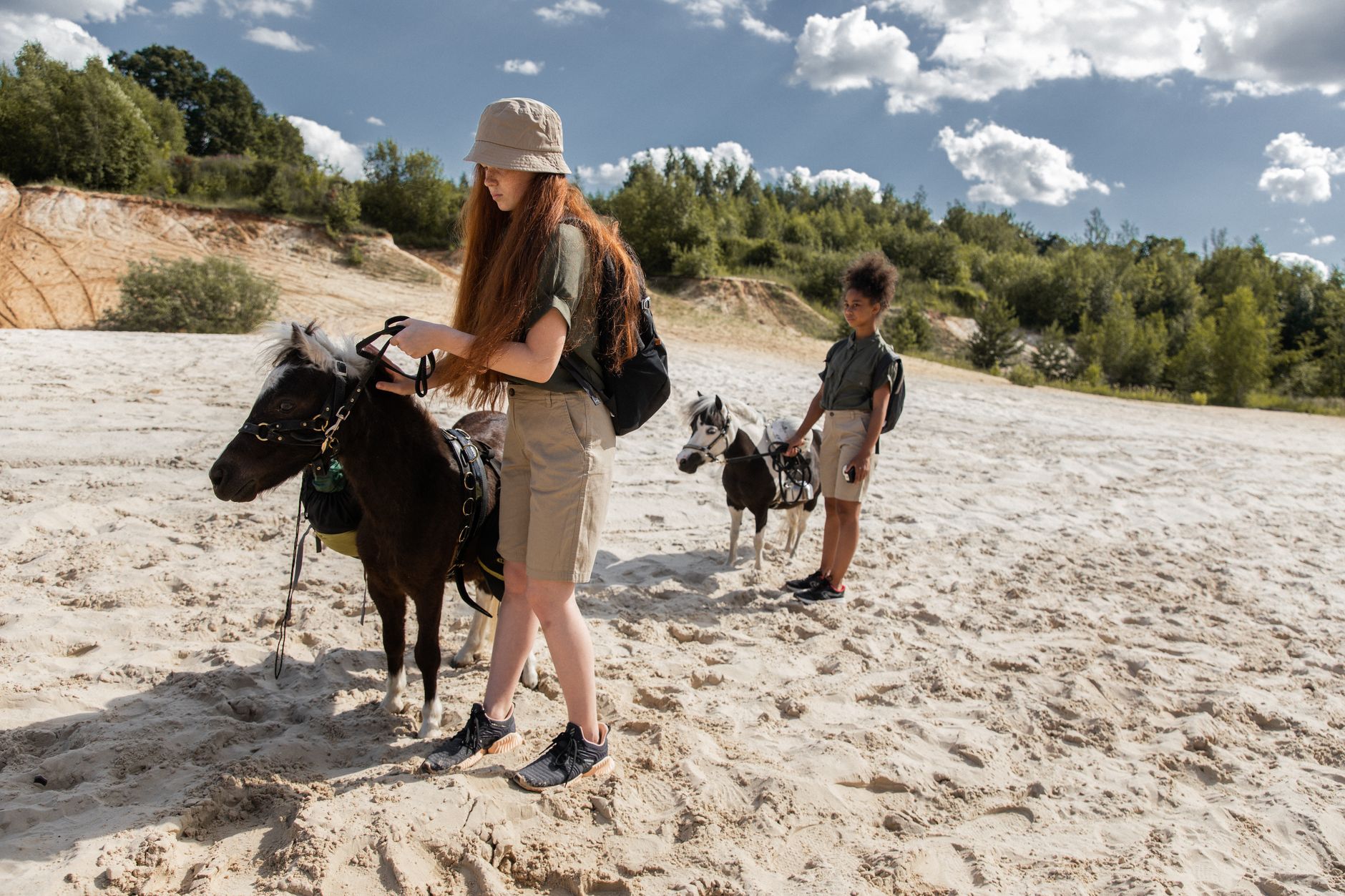
Pony trekking into the interior is the most authentic way to explore beyond the lodge. Lesotho has long been called the Kingdom of the Sky, and its highlands genuinely earn that description at altitude. Multi-day pony treks are available through local operators based near the pass, following routes that take riders into villages with no road access at all. The Basotho mountain pony is a breed developed for this specific terrain – compact, sure-footed, and capable of managing the boulder-strewn paths that would defeat most other horses. Riders don’t need prior experience; guides lead the animals and set the pace.
The highland flora deserves attention that most visitors don’t give it. The Lesotho plateau above Sani Pass sits within the Maloti-Drakensberg UNESCO World Heritage Site, one of the continent’s most biodiverse montane ecosystems. The grasslands host over 2,000 plant species, a significant portion of which grow nowhere else. The Spiral aloe, endemic to the region, grows in clustering formations across the basalt ridges and looks, in photographs, like something arranged by a production designer. Birdlife is equally concentrated – bearded vultures, Drakensberg siskins, and ground woodpeckers are regular sightings along the plateau trails.
The weather on the plateau behaves like a separate entity from the valleys below. Summer afternoons bring rapid storm buildups – the kind of lightning displays that arrive fast and leave fast, punctuating otherwise clear days with intense, localized downpours. Winter nights drop well below freezing, and snowfall is common enough from June through August to make the pass temporarily impassable. Timing a visit for the shoulder months – April to May or September to October – balances favorable trail conditions with a smaller crowd count that is already very small by most highland destinations’ standards.
What Sani Offers That the Drakensberg Doesn’t
The Drakensberg proper, for all its grandeur, is a managed experience. Trails are graded, facilities are consistent, and the tourist infrastructure that has grown around spots like the Giant’s Castle or Royal Natal National Park means you are rarely far from a tarred road or a signal bar. Sani Pass offers the same geological spectacle with none of that management. The isolation is not a side effect – it’s the primary condition.
Travelers who have followed routes like Albania’s Valbona Valley for its off-the-radar alpine character will recognize the Sani dynamic immediately – a landscape that genuinely rewards the effort of getting there rather than one that has been smoothed into accessibility. The road condition at Sani Pass is not something the local authorities are rushing to fix. For now, the roughness of the ascent is doing exactly what difficulty always does in travel: keeping the numbers manageable and the experience intact.