Lesotho’s Sani Pass Quietly Rivals the Drakensberg for Highland Wanderers

The Road Less Graded
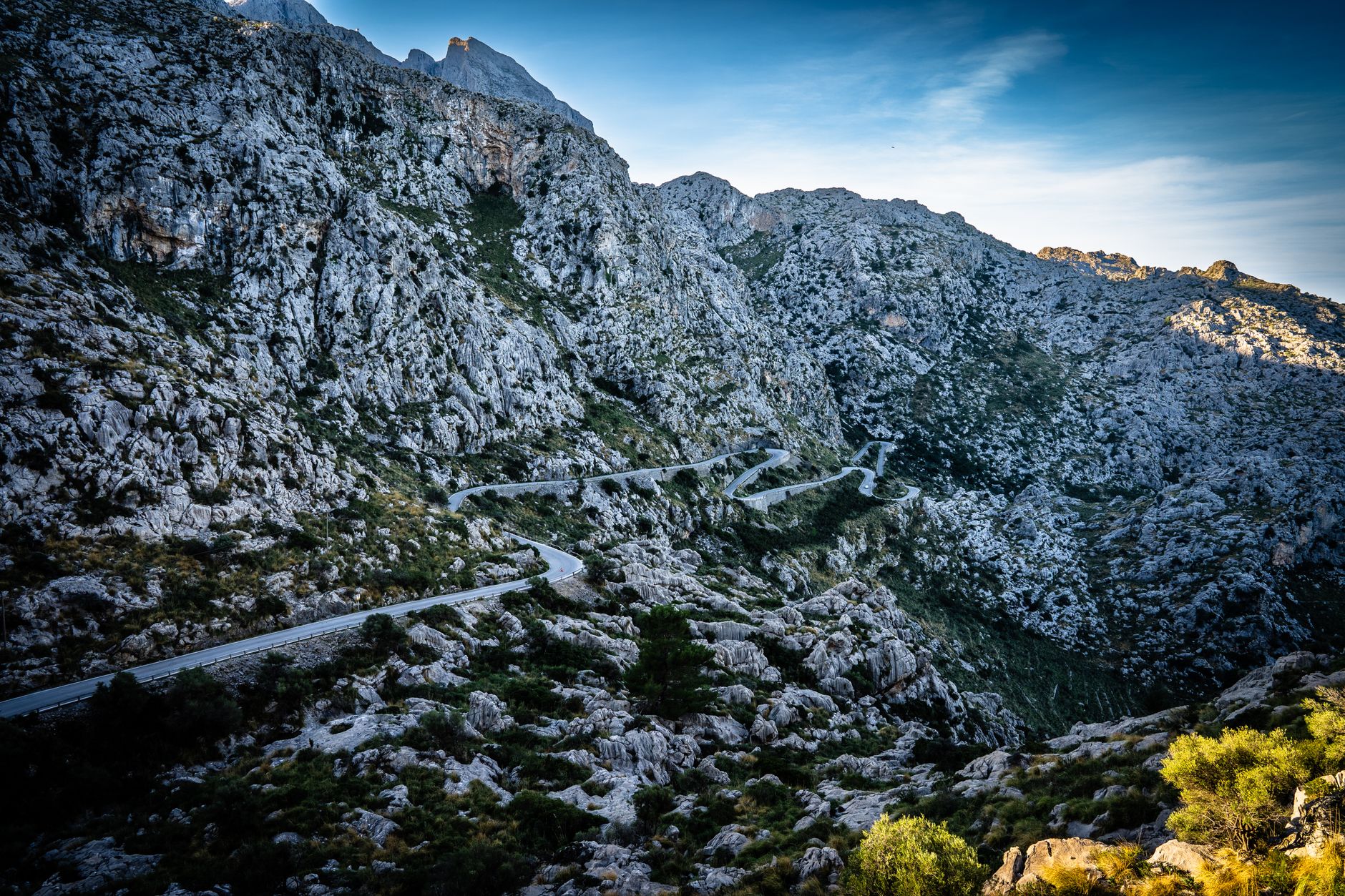
Sani Pass does not ease you in. The road – if it can be called that – climbs from the KwaZulu-Natal lowlands into the Lesotho highlands through a series of switchbacks so severe that only a 4×4 with solid clearance and a driver who respects the mountain will make it to the top. At 2,874 meters above sea level, the summit sits inside a small, landlocked kingdom that most travelers skip in favor of its more famous neighbor, the Drakensberg range. That is their loss.
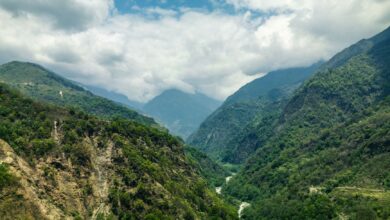
The Drakensberg draws hikers, honeymooners, and adventure seekers by the thousands for good reason – it is spectacular. But Sani Pass offers something the Drakensberg’s polished lodges and well-marked trails cannot: genuine remoteness, a border crossing that feels like a scene from a different century, and highland landscapes that belong entirely to Lesotho, the only country in the world that sits entirely above 1,000 meters. Travelers who make the drive tend to go quiet when they reach the top, looking back at South Africa from a plateau that feels like the edge of the world.
What the Climb Actually Involves
The pass runs roughly 9 kilometers on the Lesotho side and covers a vertical gain that would feel aggressive on a hiking trail, let alone a road. The surface is unpaved, rutted by rain, and in winter months dusted with snow and ice that makes the descent genuinely treacherous. Tour operators running shared 4x4s out of Underberg on the South African side have made the trip more accessible, but accessible does not mean comfortable. Passengers grip door handles on hairpin turns that drop away into long, brown valleys.
At the top of the pass sits what is often cited as the highest pub in Africa – a stone building that has been welcoming cold, windswept visitors for decades. Crossing the border into Lesotho here feels like a procedural formality rather than a serious checkpoint, with a small building staffed by officers who stamp passports without fanfare. From that point, the Lesotho plateau opens ahead of you: rolling grasslands, basalt formations, and a light that at this altitude is almost brutally clear.
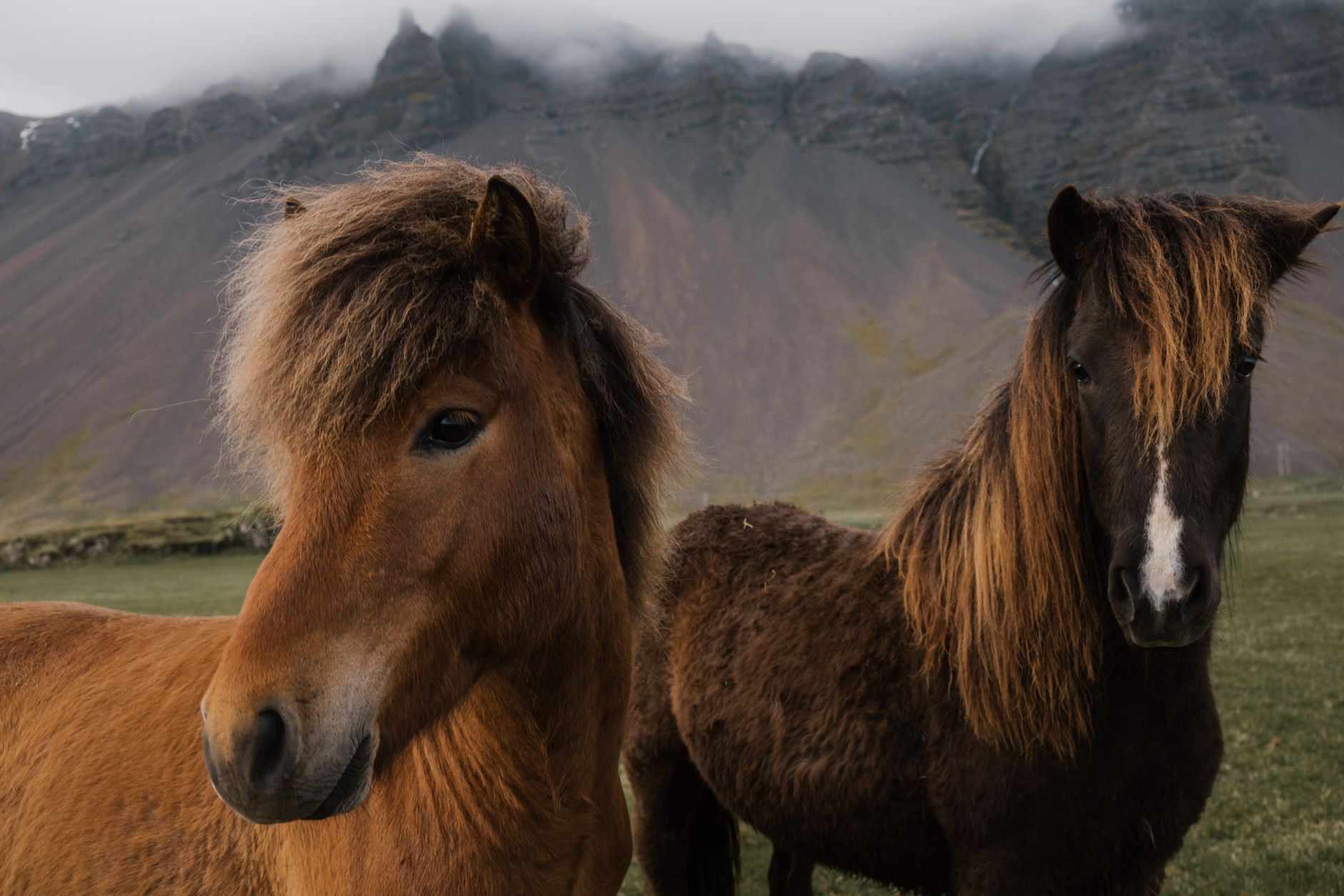
What slows travelers down is the Basotho landscape itself. Horsemen in traditional blankets move across the hillsides without urgency. Small stone villages appear at intervals that seem determined by the sheep-grazing routes rather than any road infrastructure. The plateau does not rush, and it does not accommodate travelers who do. Coming unprepared – without a full tank, without warm layers, without enough water – is the kind of mistake the elevation will correct quickly.
Lesotho Beyond the Pass
Most day-trippers turn around at the summit pub and head back down before afternoon. The travelers who stay longer enter a different experience entirely. Mokhotlong District, accessible from the pass plateau with onward driving, sits hours into Lesotho and sees a fraction of the visitors that the Drakensberg’s resorts absorb in a single weekend. The accommodation options thin out significantly – a handful of guesthouses, a few community-run lodges – but the trade-off is total immersion in highland culture with no queue, no shuttle bus, and no interpretive signage explaining what you are looking at.
Pony trekking through the highlands has been operating as a tourist activity for years, using Basotho ponies that are bred for this altitude and this terrain. A multi-day route on horseback through the mountains offers a perspective that no vehicle can replicate, moving at the speed the landscape seems to intend. Operators based out of Malealea and Semonkong run these routes, and the logistics require planning ahead – this is not a spontaneous afternoon decision.
Why It Stays Under the Radar
The Drakensberg has an international airport nearby, UNESCO World Heritage status for its rock art sites, and decades of resort infrastructure built specifically for international visitors. Sani Pass has a dirt road and a high-altitude border post. The marketing gap between the two is enormous, and it is entirely structural – Lesotho’s tourism infrastructure lags not because the country lacks appeal but because the investment required to build it competes with more pressing national priorities.
That gap is, paradoxically, the entire point. Highland wanderers who have already done Ha Giang, Kyrgyzstan’s high passes, or similar off-grid mountain routes tend to recognize Sani immediately as belonging to the same category: places that reward patience and punish the assumption that difficulty is optional. The drive up is not a scenic detour. It is the experience itself. The pass is not incidental to visiting Lesotho; for many travelers, it is the arrival ritual that makes everything that follows feel earned.
Weather is not a side consideration here – it is a logistical variable that controls access. The pass closes after heavy snowfall, sometimes for days. Summer thunderstorms roll across the plateau fast enough that conditions can flip from warm and clear to freezing and foggy within an hour. Any trip that does not build in contingency time is a trip that may end at the base of the mountain, looking up at clouds that have no interest in your return flight schedule.
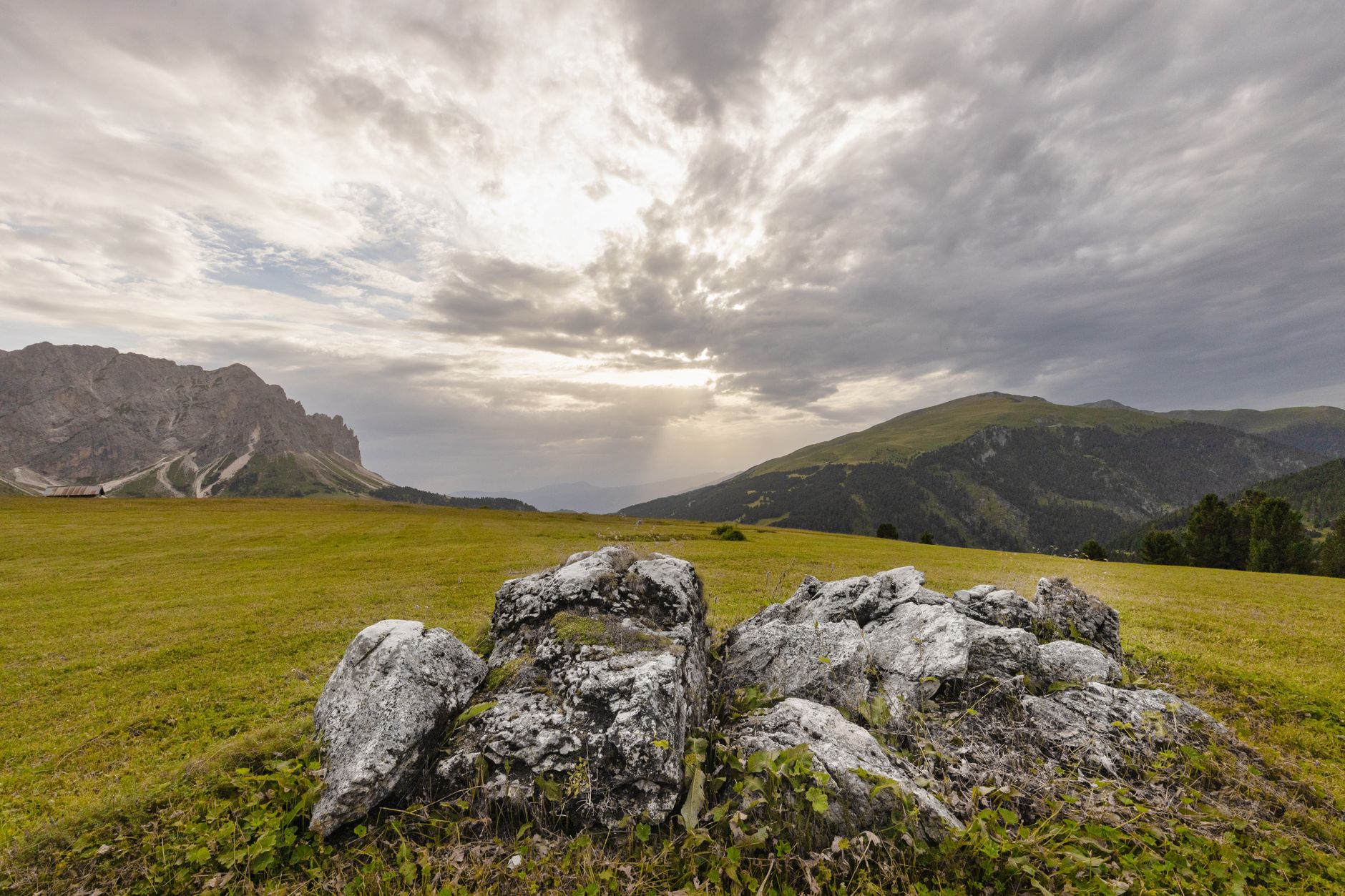
The Drakensberg will absorb more visitors this season than Lesotho will see in a year. That ratio is unlikely to change quickly – and Sani Pass benefits from it. The question worth sitting with is how long that particular advantage holds once the road gets paved, the lodge inventory grows, and the day-trip operators multiply. Right now, the summit still belongs mostly to the wind, the horsemen, and anyone stubborn enough to drive a dirt switchback at altitude without a guarantee of what waits at the top.