Madagascar’s Masoala Peninsula Quietly Rivals Nosy Be for Lemur Wanderers

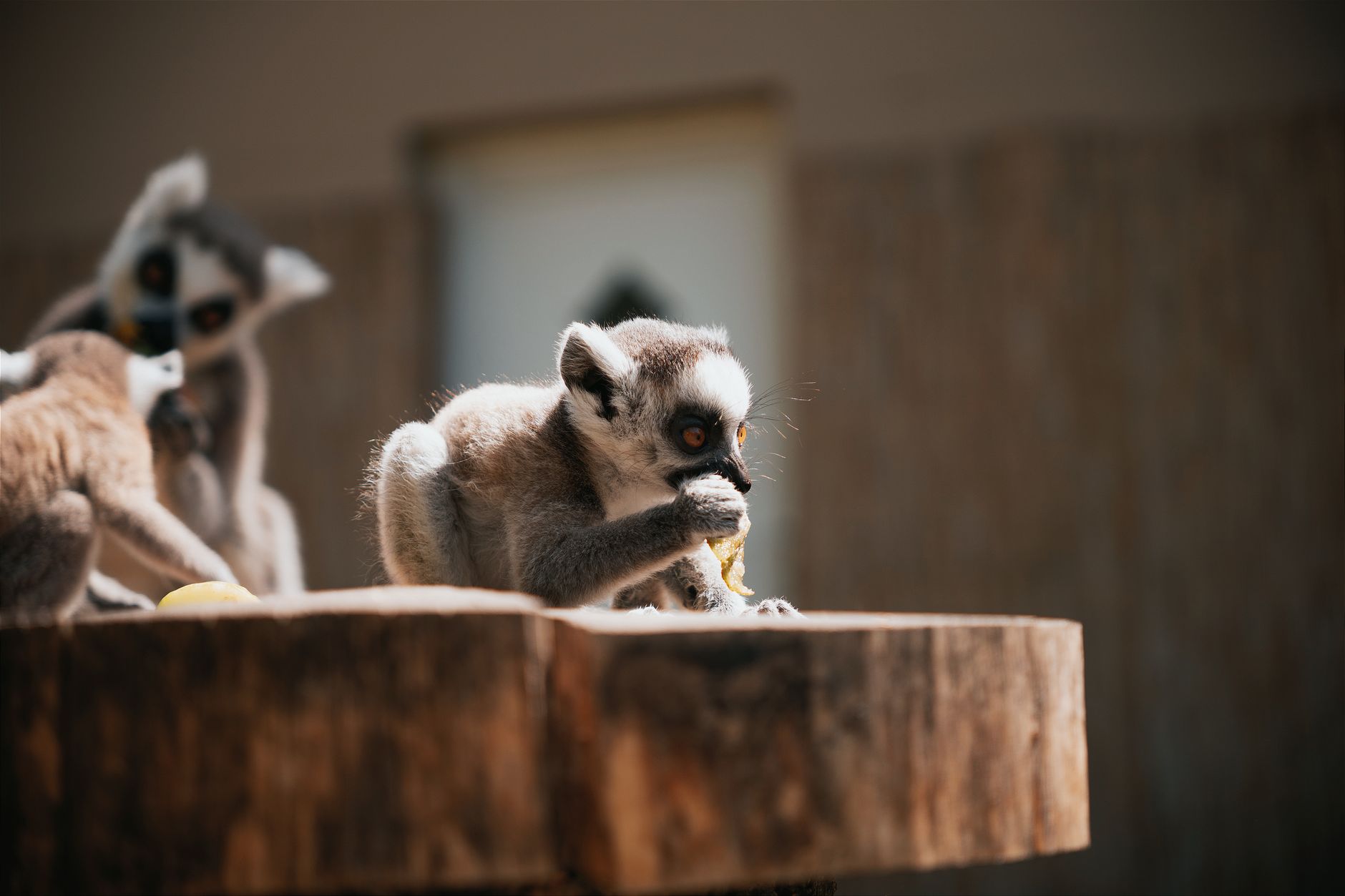
Nosy Be gets the brochures, the charter flights, and the Instagram saturation. The Masoala Peninsula gets the red-ruffed lemurs.
A Rainforest That Tourists Have Not Caught Up With Yet
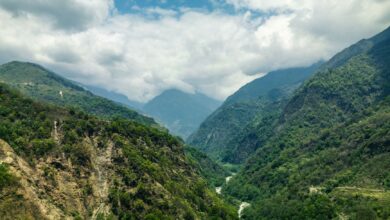
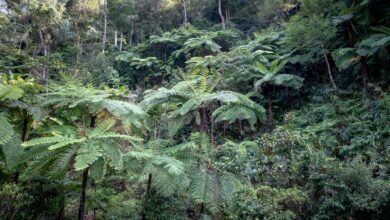
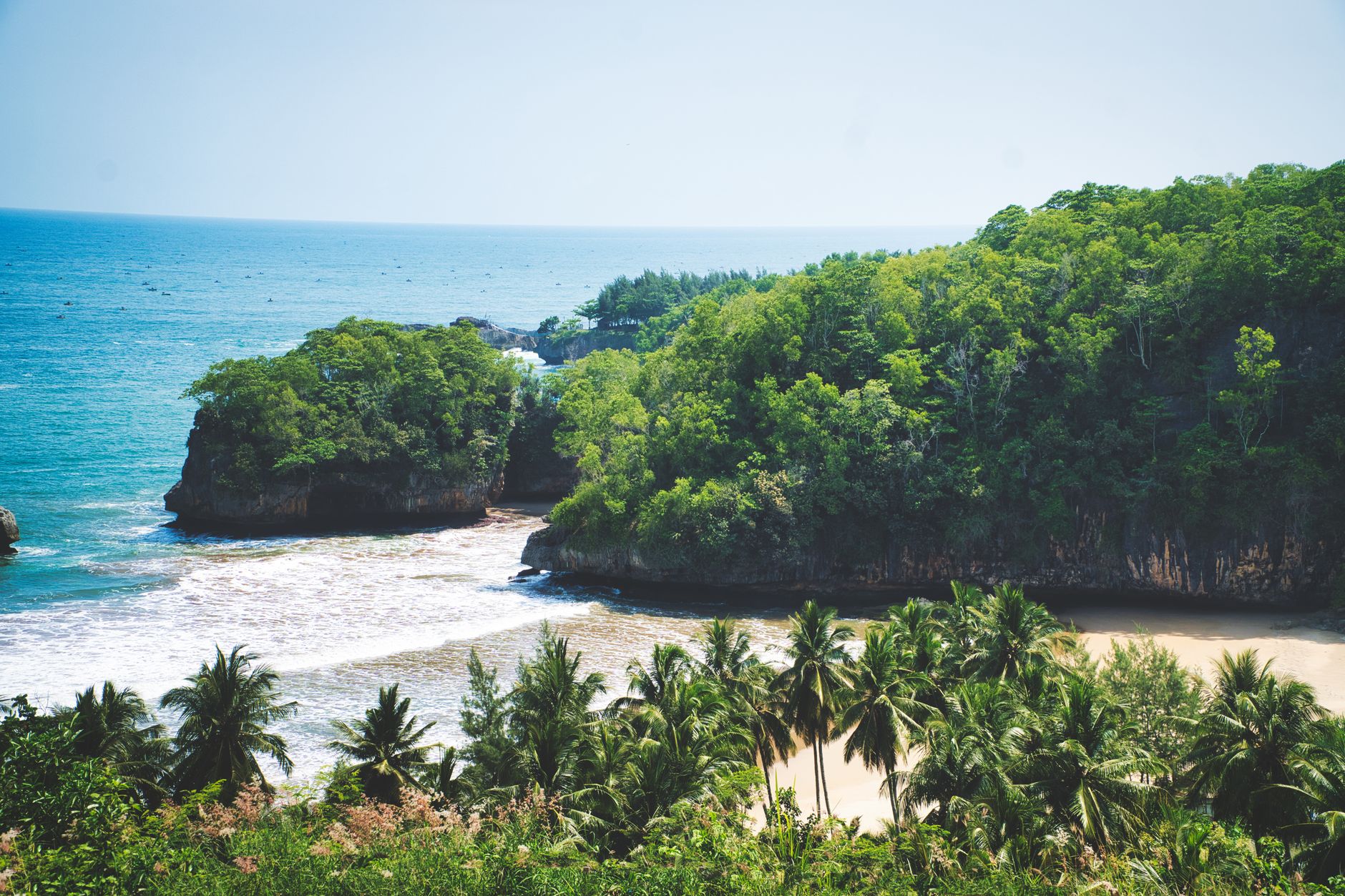
Stretching into the Indian Ocean off Madagascar’s northeastern coast, the Masoala Peninsula holds the largest remaining tract of lowland rainforest on the island – a distinction that carries real weight when you understand how aggressively Madagascar’s forests have been stripped over the past century. The peninsula and its surrounding marine park together protect a mosaic of coastal rainforest, mangroves, coral reef, and isolated beaches that no other part of the country offers in a single contiguous zone. Getting there requires a combination of flights, boat crossings, and patience, which is precisely why visitor numbers stay low.
Nosy Be built its reputation on ease: direct charters from Europe, French-owned beach hotels, and snorkeling day trips that can be booked on arrival. Masoala built nothing of the sort, and that is exactly the point. The handful of lodge operators that do work the peninsula have chosen restraint over volume, limiting group sizes and keeping infrastructure minimal enough that the wildlife behaves as if tourists are a rare curiosity rather than a daily inconvenience. That behavioral difference matters more than any brochure description could convey.
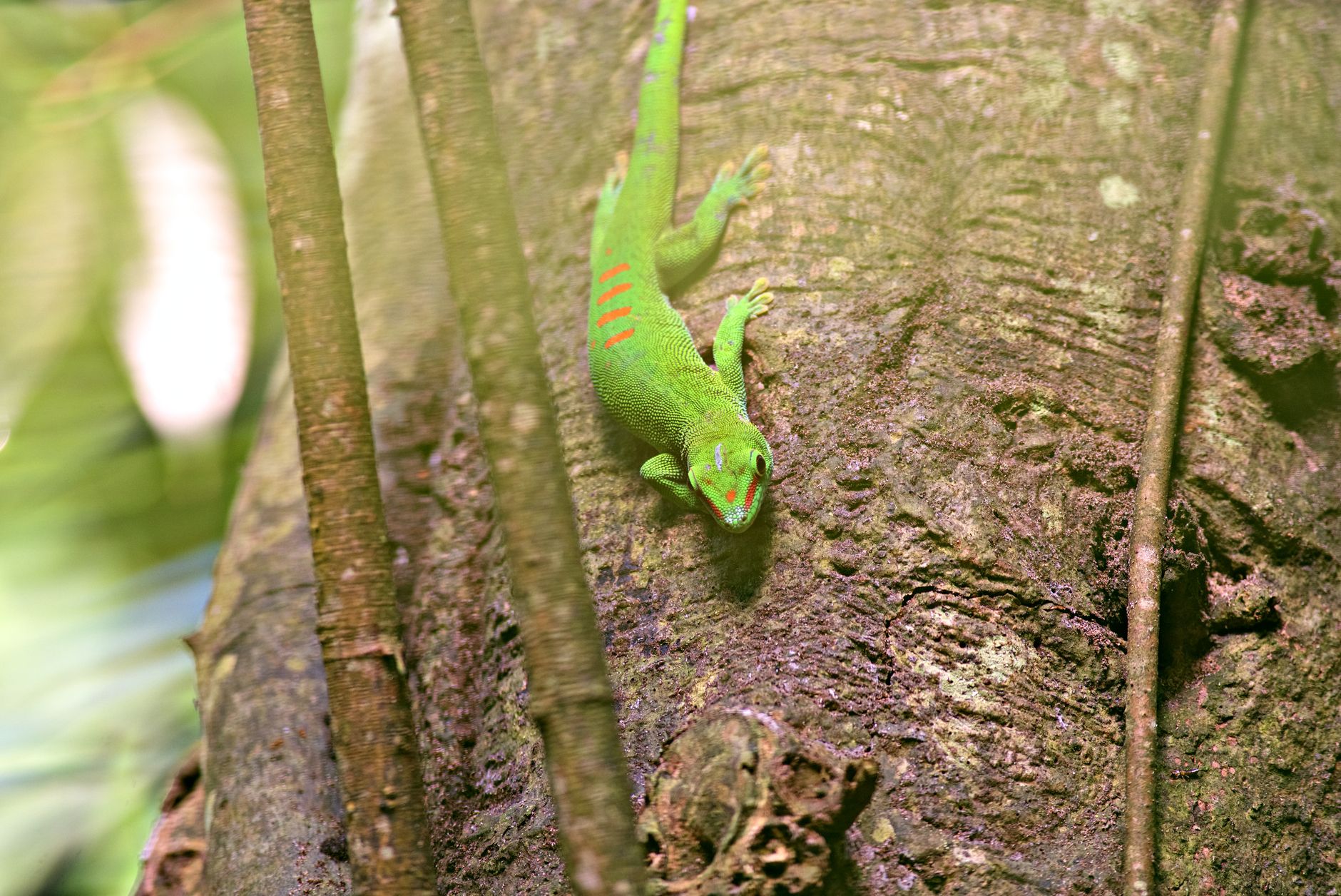
The red-ruffed lemur, found almost exclusively in the Masoala region, is the headline species – vivid, loud, and arboreal in a way that rewards anyone willing to move slowly through the forest canopy layer by layer. But the peninsula’s biodiversity argument does not rest on a single animal. Helmet vangas, short-legged ground-rollers, and the leaf-tailed gecko appear with enough frequency along guided trails that a three-night stay rarely produces the same sighting list twice. The forest floor and the canopy are operating on separate schedules, and good guides know how to read both.
Rainfall is the caveat every honest operator will volunteer immediately. Masoala receives among the heaviest annual rainfall of any region in Madagascar, particularly between November and March. The wet season turns trails into streams and boat crossings into genuine logistical gambles. The sweet spot for visits falls between June and October, when the forest is still lush but access becomes predictable. Visitors who time it right find a destination that functions like a controlled secret – enough infrastructure to be comfortable, not enough to feel managed.
What the Journey Actually Looks Like
Most travelers reach Masoala via the coastal town of Maroantsetra, which sits at the base of the peninsula and connects to Antananarivo by small regional aircraft. The flight itself is worth noting: propeller planes skimming over a quilt of rice paddies, river deltas, and forest patches that shift from green to dark green as the plane descends toward the coast. Maroantsetra is not a town that caters to comfort tourism, but it does have the logistics – boat rentals, guide agencies, and a modest market – needed to launch into the peninsula properly.
From Maroantsetra, the crossing to the peninsula’s lodge camps takes anywhere from forty-five minutes to several hours depending on sea conditions and destination. Some lodges sit directly on the beach fringe of the forest, with rooms close enough to the tree line that red-ruffed lemurs occasionally appear on lodge rooftops before breakfast. Others sit deeper within the national park boundary, accessed by additional trail walking that functions as the first part of the wildlife experience rather than a separate activity. The geography does the organizing for you.
Trail walking on Masoala is nothing like the structured park circuits of Ranomafana or Andasibe. There are formal paths, but experienced guides will often move off-trail to track nocturnal species by spotlight or to position guests for canopy viewing from specific ridgeline clearings. The approach requires trust in local expertise, and that expertise is genuinely deep – many guides have worked the same forest sections for over a decade and can identify bird calls from a moving boat fifty meters offshore. That institutional knowledge, held locally and passed through informal apprenticeships, is the real infrastructure of the peninsula’s tourism.
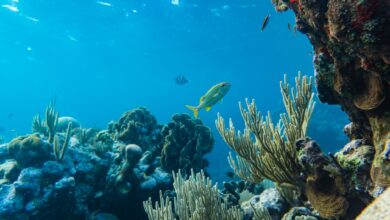
The marine component adds a dimension that most pure jungle destinations cannot offer. Whale sharks and humpback whales move through the bay seasonally, and the coral systems within the marine park boundary remain in comparatively good health. Snorkeling directly from the beach in front of certain lodge camps produces reef fish density that surprises even travelers who have visited established dive destinations across Southeast Asia. The combination of terrestrial and marine biodiversity within a single visit is the structural argument for Masoala over any single-environment destination.
Accommodation across the peninsula ranges from bare-bones research-station style rooms to genuinely comfortable eco-lodges with solar power, screened windows, and staff who prepare local seafood with real skill. The price range is wide, but even the upper-tier options cost considerably less than comparable eco-lodge experiences in East African national parks. That value gap is partly a function of Madagascar’s economic position and partly a function of the fact that Masoala simply has not been priced by demand yet.
The Practical Friction and Why It Filters
The logistical friction is real, and operators in Maroantsetra will tell you plainly that a meaningful percentage of travelers who book the peninsula in advance arrive in town, check the sea conditions or the forecast, and quietly reroute to something easier. That self-selection produces a visitor demographic that skews toward committed naturalists, repeat Madagascar travelers, and people who treat difficult access as a feature rather than a flaw. The result is a destination where the social atmosphere at lodge dinner tables runs more toward field guides and species lists than cocktail orders.
Whether Masoala stays this way is an open question. Madagascar’s government has periodically floated plans to develop northern coastal infrastructure, and the peninsula sits within range of those ambitions. For now, the combination of protected status, difficult access, and a small but serious operator community holds the balance. The red-ruffed lemurs, for their part, remain entirely indifferent to the conversation.
Frequently Asked Questions
When is the best time to visit the Masoala Peninsula?
June to October offers the most reliable access, with drier conditions and calmer seas for boat crossings from Maroantsetra.
How do you get to the Masoala Peninsula?
Most travelers fly from Antananarivo to Maroantsetra on regional aircraft, then cross by boat to peninsula lodges – a journey that can take several hours depending on conditions.