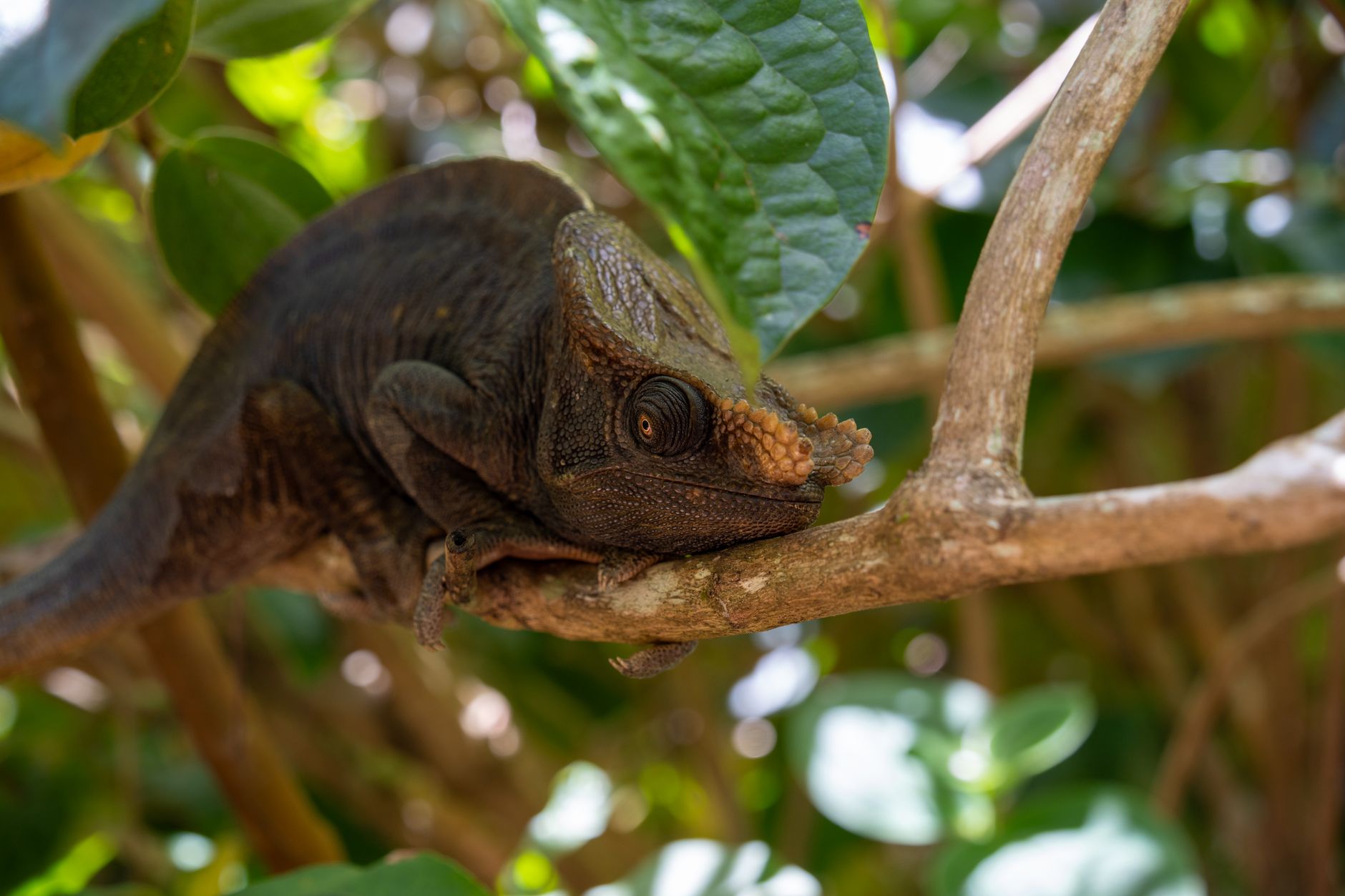
Madagascar’s Masoala Peninsula Quietly Rivals Nosy Be for Lemur Wanderers

Where the Jungle Meets the Coast – and the Crowds Don’t Follow
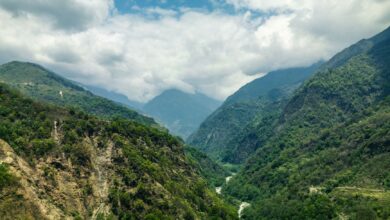
Nosy Be has long been Madagascar’s marquee name – the resort island that travel agents recommend first, the one with the direct charter flights and the beachside bungalows that fill up months in advance. But on the northeastern shoulder of the country, separated from the mainland by a narrow bay, the Masoala Peninsula has been running its own entirely different program. It is one of the largest intact rainforest tracts in Madagascar, pressed hard against a coastline of humpback whale corridors and hawksbill turtle nesting beaches, and it sees only a fraction of the visitors that Nosy Be collects every season.
The peninsula is not undiscovered. It has a national park designation, a handful of lodges, and a well-established reputation among serious naturalists. What it lacks is the tourist infrastructure that turns a destination into a circuit stop. Getting there requires commitment – a flight to Maroantsetra, followed by a boat crossing that can get rough in the wet season, followed by a walk through forest that is not interested in making things easy for you.
That friction is precisely why it works.
The Lemur Argument
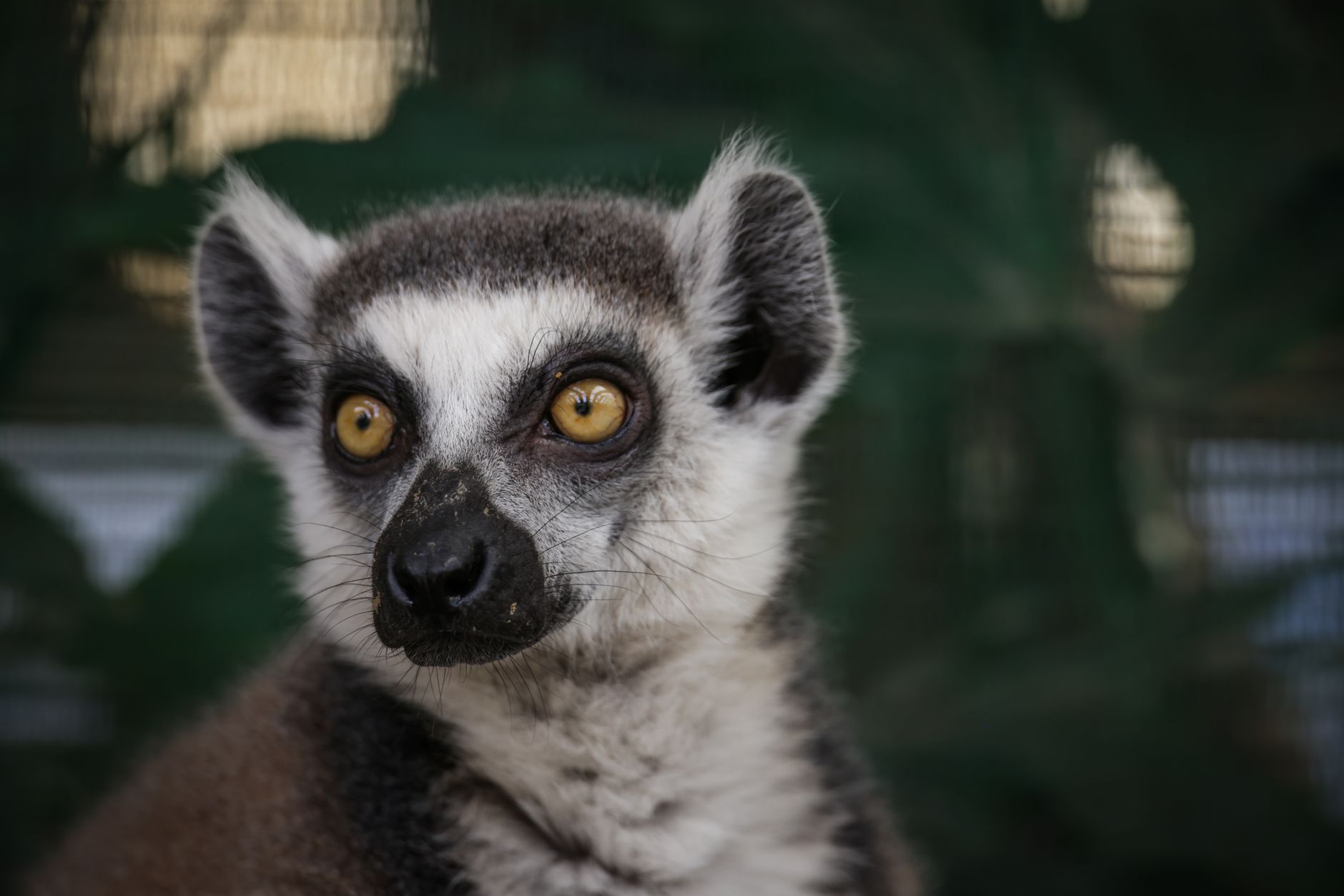
The standard pitch for Madagascar centers on lemurs, and Nosy Be delivers on that in a managed, accessible way. The black-and-white ruffed lemur and the aye-aye appear at the right reserves on the right tours. It is effective wildlife tourism, efficiently packaged. The Masoala experience runs differently. Red ruffed lemurs – found nowhere else on Earth – move through the canopy in family groups here without much concern for the trails below. White-fronted brown lemurs cross clearings at dusk. The aye-aye, famously nocturnal and rarely photographed well, has been documented in the peninsula’s forest with a frequency that surprises first-time visitors.
The density of endemic species in Masoala is not simply a feature of the national park – it is a direct consequence of how much old-growth forest remains. Primary rainforest in Madagascar has been reduced drastically over centuries of slash-and-burn agriculture, logging, and charcoal production. Masoala holds some of what is left. The canopy here reaches heights that have not regenerated elsewhere, which means the ecological chains that lemurs depend on – specific fruit trees, specific insects, specific nesting heights – remain functional. A wildlife encounter in Masoala tends to feel less like an appointment and more like an interruption in your day.
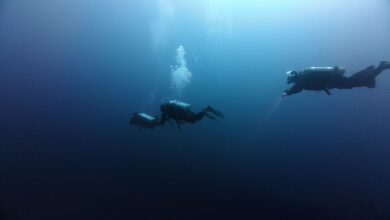
The marine component adds a dimension that no inland reserve can match. The Masoala National Park includes three marine protected areas along the coast, and during the austral winter – roughly July through September – humpback whales move through the Antongil Bay just offshore. Snorkeling the coral gardens at Tampolo or around the offshore rocks near the eastern coast puts you in water that has not been stressed by heavy dive tourism. The coral health here is visibly different from sites that absorb thousands of diver visits per year.
Practical Logistics and What to Expect
The entry point is Maroantsetra, a small town on the bay with a domestic airport served by flights from Antananarivo. Flight schedules are not always reliable – this is Madagascar, where weather, aircraft availability, and operational delays are facts of life rather than exceptions. Building a one-day buffer into your arrival schedule is not overcautious, it is genuinely necessary. From Maroantsetra, boat transfers to lodges on the peninsula take between one and two hours depending on conditions and destination. In the wet season, from December through March, crossings can be cancelled entirely.
Accommodation on the peninsula runs toward the rustic end of the scale at most price points, though a small number of lodge operations offer proper comfort alongside the wilderness experience. Rates tend to include meals, guided walks, and boat use, which reflects the remote supply chain rather than luxury pricing. Guides here are typically from local communities, which matters both for the quality of wildlife spotting – they know the forest in ways no imported guide can replicate – and for the direct economic benefit staying inside the peninsula rather than draining toward the capital. The dry season window from April through November is the most accessible travel period, with July and August sitting at the sweet spot between whale season and stable weather.
Packing discipline matters more here than almost anywhere else in the Indian Ocean region. Trail conditions after rain turn genuinely difficult. Waterproof bags for camera gear are not optional if rain is in any forecast. Leeches are active in the wet season and present enough in the dry season to warrant gaiters on longer walks. The reward structure for tolerating these minor miseries is calibrated correctly: a red ruffed lemur at arm’s length in primary rainforest is not an experience that any more comfortable destination in the region currently offers.
The Gap Between Reputation and Reality
Nosy Be remains the easier answer, and for certain travelers – those with shorter windows, lower tolerance for logistical uncertainty, or primary interest in beach resort quality – it is probably the correct one. But Masoala occupies a category that Nosy Be cannot touch: the intersection of intact wilderness, accessible endemic wildlife, and a coastline that has not yet been subdivided into resort parcels. The visitors who make it there tend not to describe it as a backup plan. They describe it as the trip that reoriented what they thought Madagascar was for.
Frequently Asked Questions
How do you get to the Masoala Peninsula in Madagascar?
Fly from Antananarivo to Maroantsetra, then take a boat transfer to the peninsula. The crossing takes one to two hours and can be weather-dependent.
What is the best time to visit Masoala?
April through November offers the most stable conditions. July and August combine reliable weather with humpback whale season in Antongil Bay.