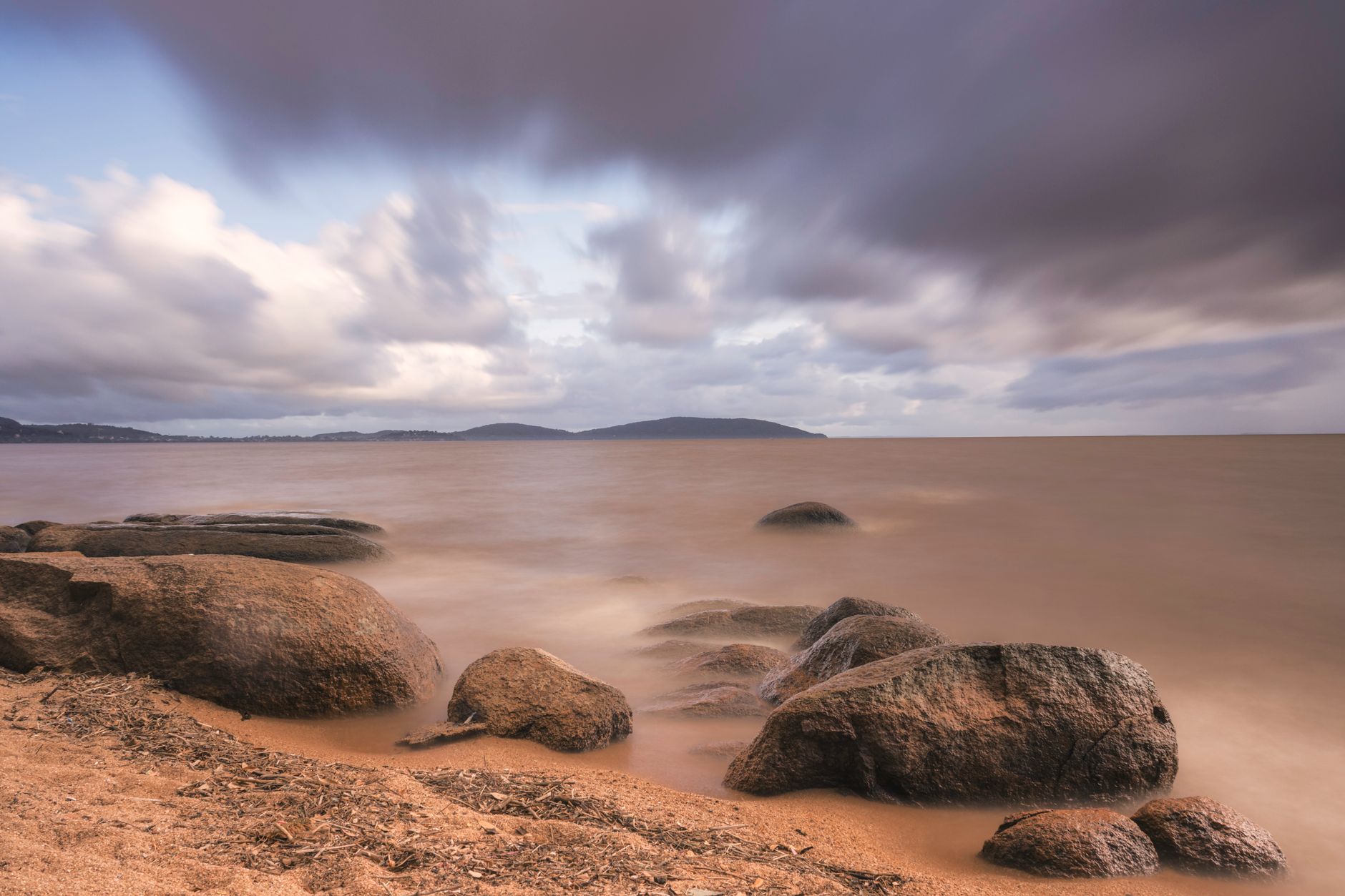

The Lake That Divers Keep to Themselves
Lake Nyasa – known as Lake Malawi inside the country’s borders – holds more freshwater fish species than any other lake on earth. That distinction alone should make it a household name among serious divers and naturalists. Yet most cichlid enthusiasts still default to Tanzania’s Lake Tanganyika when planning an East African underwater expedition, drawn by that lake’s deeper reputation and longer-established dive infrastructure. Nyasa sits just to the south, waiting.
The numbers behind this lake are genuinely staggering. Somewhere between 800 and 1,000 cichlid species call Nyasa home, a figure that continues to grow as researchers identify new variants among the rocky shoreline habitats. Tanganyika is celebrated for its cichlid diversity, but it holds roughly 250 species. The comparison is not even close.
Malawi simply does not market itself the way its neighbors do.
What Waits Below the Surface
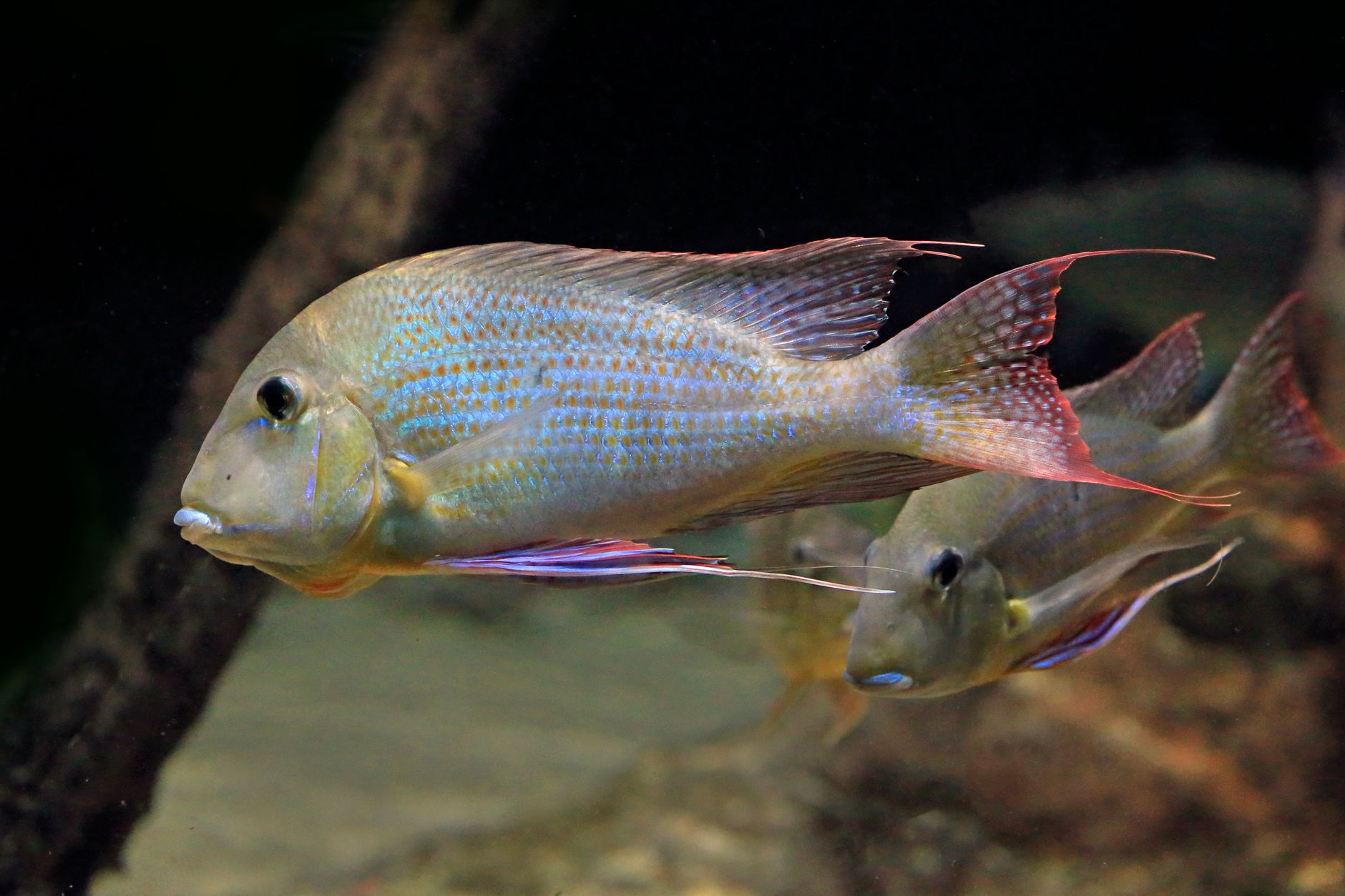
The cichlids of Lake Nyasa fall into two broad groups that divers learn to distinguish within the first few hours underwater. The mbuna are the rockfish – small, aggressive, brilliantly colored species that defend territory among the granite boulders of the southern and central shoreline. The haplochromines, often called “haps,” are the open-water hunters: larger, more streamlined, and less densely packed but no less visually arresting. Diving between these two ecosystems feels like switching between entirely different bodies of water.
Visibility at the rocky sites around Cape Maclear – the main hub for dive operations on the southern shore – regularly reaches 15 to 20 meters. The water is warm year-round, sitting between 23 and 28 degrees Celsius depending on the season, which means no wetsuit is required for most recreational dives. First-time visitors often describe the experience as closer to a large, living aquarium than a conventional open-water dive. The fish are dense, unafraid of snorkelers, and relentlessly active around the rocks.
The UNESCO-designated Lake Malawi National Park protects the Cape Maclear peninsula and its surrounding waters, which keeps boat traffic controlled and anchor damage minimal in the most visited zones. That protection shows. The coral analogue ecosystem – cichlids in place of reef fish, granite boulders in place of coral heads – remains structurally intact in a way that comparable sites in higher-traffic regions rarely are. Diving inside the park boundary requires a permit, but the fees are modest and contribute directly to ranger operations.
Getting There Without the Drama
Lilongwe is Malawi’s capital and the main international entry point, served by connections through Nairobi, Addis Ababa, Johannesburg, and Dubai. From Lilongwe, Cape Maclear is a four-to-five hour drive south, passing through the market town of Mangochi near the lake’s southern tip. The road is paved for most of the route, though the final stretch into the cape itself gets rough. Minibus travel is available and cheap; private transfers are comfortable and cost around $60 to $80 from larger towns along the southern lakeshore.
Accommodation at Cape Maclear runs from basic backpacker guesthouses to mid-range lodges with lake-facing chalets. The lodges that cater specifically to divers maintain their own equipment and can run PADI certification courses on-site. For travelers who want to move along the lake rather than anchor at one point, a multi-day ferry called the Ilala connects several lakeshore towns and has operated the route for decades, offering a slow, unpretentious way to watch the shoreline change from the deck. It is not a luxury experience, but it is an honest one.
The dry season, roughly May through October, is the standard recommendation for diving. Visibility peaks during this window and road conditions are more reliable. The shoulder months of April and November still produce excellent water clarity at depth, and lodge prices drop noticeably. December through March brings rains that can cloud surface water near river mouths, though the deep rocky sites remain largely unaffected.
Beyond the Water
Lake Nyasa is not purely a diving destination, and treating it as one misses half of what makes the journey worthwhile. The villages along the central and northern shoreline – particularly around Nkhata Bay and the Likoma Island crossing – show a quieter pace of Malawian life that the more developed southern end rarely delivers. Likoma Island itself sits in waters technically belonging to Mozambique under colonial-era treaty boundaries, which gives the crossing a mildly surreal bureaucratic texture that matches the island’s own slightly out-of-time atmosphere.
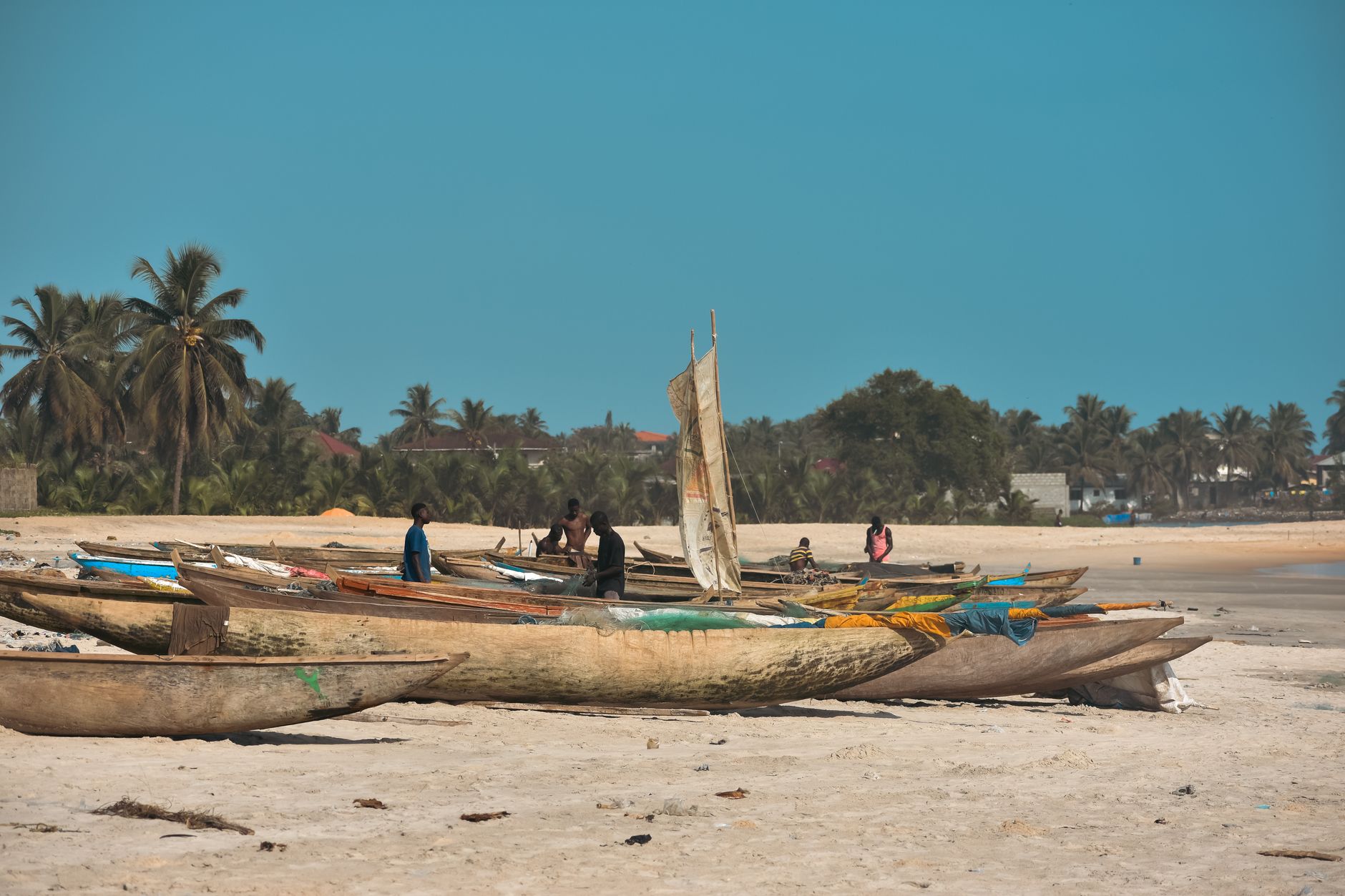
Kayaking the lake’s calmer northern bays takes visitors past fishing camps where wooden boats called bwato are launched at dawn and returned by mid-morning, the catch sorted on the beach while pelicans orbit at a respectful distance. The birdlife along the marshy northern inlets is dense enough to reward even a casual observer – fish eagles are a near-constant presence, and several reed-bed species found nowhere else outside the rift valley corridor appear reliably between June and August.
Malawi’s land attractions don’t demand a separate trip. Majete Wildlife Reserve, now fully restocked after years of conservation work, lies within a few hours of the southern lakeshore and offers traditional savanna game viewing including lion and elephant. Combining a lake dive itinerary with two or three nights at Majete produces a trip that covers genuinely different terrain without the logistical complexity of crossing multiple international borders.
The dive operators at Cape Maclear report an uptick in international bookings over the past two seasons, with more visitors arriving specifically for the cichlids rather than as an afterthought to safari travel – which raises an obvious question: how much longer does Nyasa stay quiet?
Frequently Asked Questions
Is Lake Nyasa good for beginner divers?
Yes. Warm water, strong visibility, and calm conditions at Cape Maclear make it accessible for beginners, and several lodges offer PADI certification courses on-site.
When is the best time to dive Lake Nyasa?
May through October offers peak visibility and reliable road access. Shoulder months like April and November are also solid options with lower accommodation costs.