
Africa’s Great Freshwater Secret
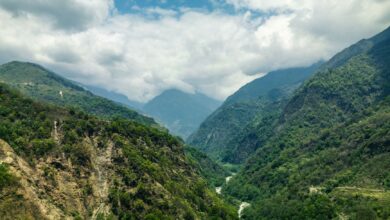
Zambia gets the kayaks. It gets the mokoro trips through the Okavango tributaries, the upscale safari lodges perched above the Zambezi, and the glossy magazine spreads. Malawi, wedged against it to the east, gets something rarer: actual quiet. Lake Malawi stretches roughly 580 kilometers from north to south, making it the third largest lake in Africa and one of the most biodiverse freshwater bodies on the planet – yet most travelers flying into Lilongwe still treat it as an afterthought between Zimbabwe and Tanzania.
That is changing, slowly and without much fanfare. Travelers who have spent time on both shores describe Malawi’s lake as something Zambia’s river circuits cannot quite replicate – a place where you can anchor a kayak thirty meters from a baobab shoreline, jump into water warm enough for November swimming, and not pass another tourist vessel all afternoon. The comparison with Zambia is not about which destination is better. It is about which one has room left.
What the Water Actually Offers
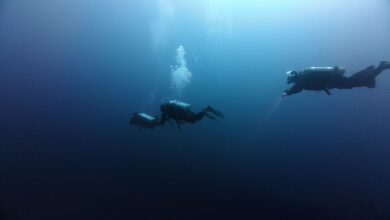
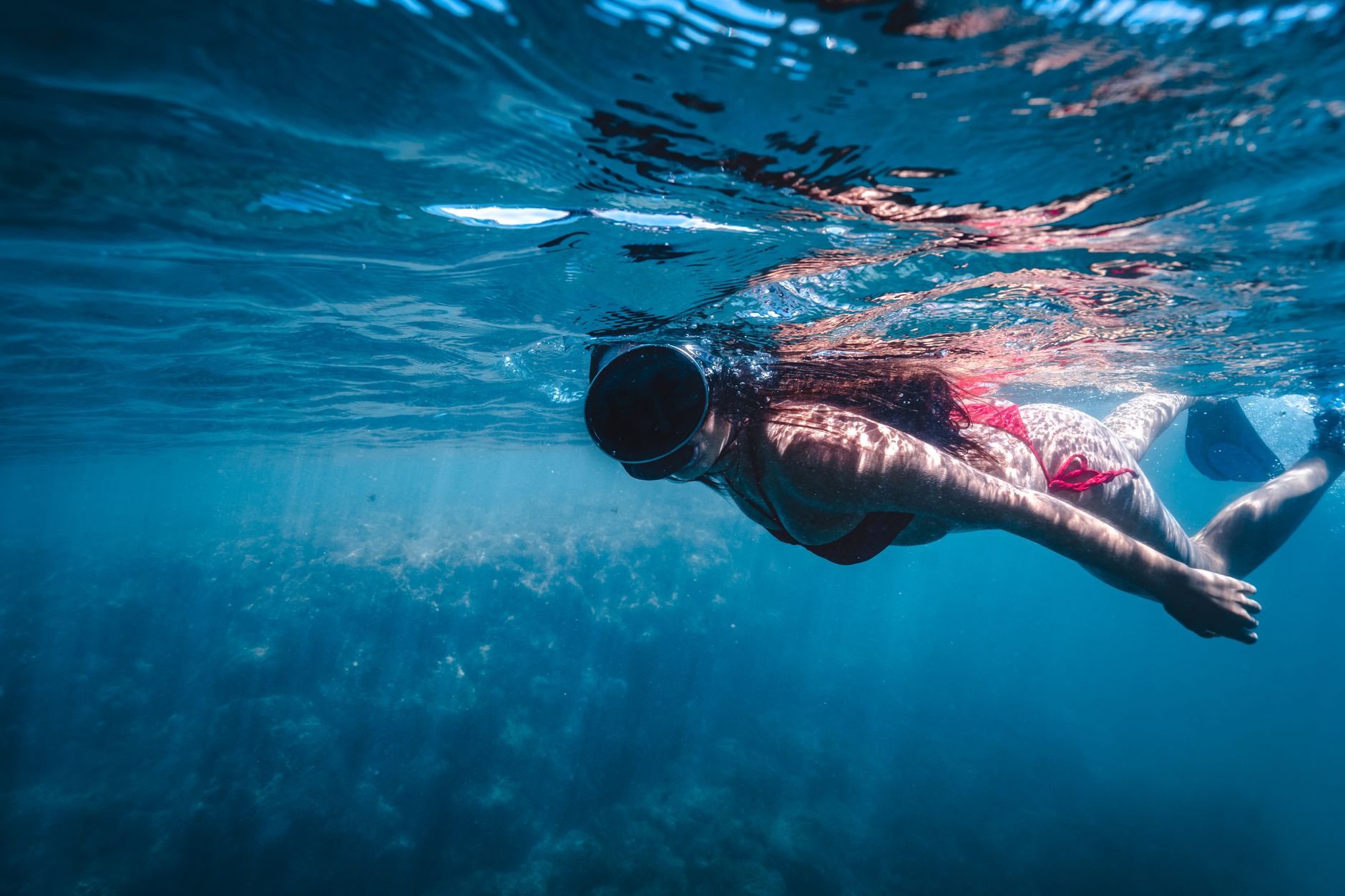
Lake Malawi holds somewhere around 30 percent of the world’s known cichlid species – a figure biologists have been citing for years without it ever quite landing in mainstream travel coverage. For snorkelers and divers who have exhausted tropical reefs, freshwater diving here is a genuinely different sensory experience. Visibility can reach 20 meters in the dry season, and the fish behavior is unlike anything in saltwater – territorial, color-coded, and often completely indifferent to a hovering diver. Cape Maclear, on the southern end of the lake, has operated as the main dive hub for decades, but operators further north around Nkhata Bay offer access to less trafficked reef shelves.
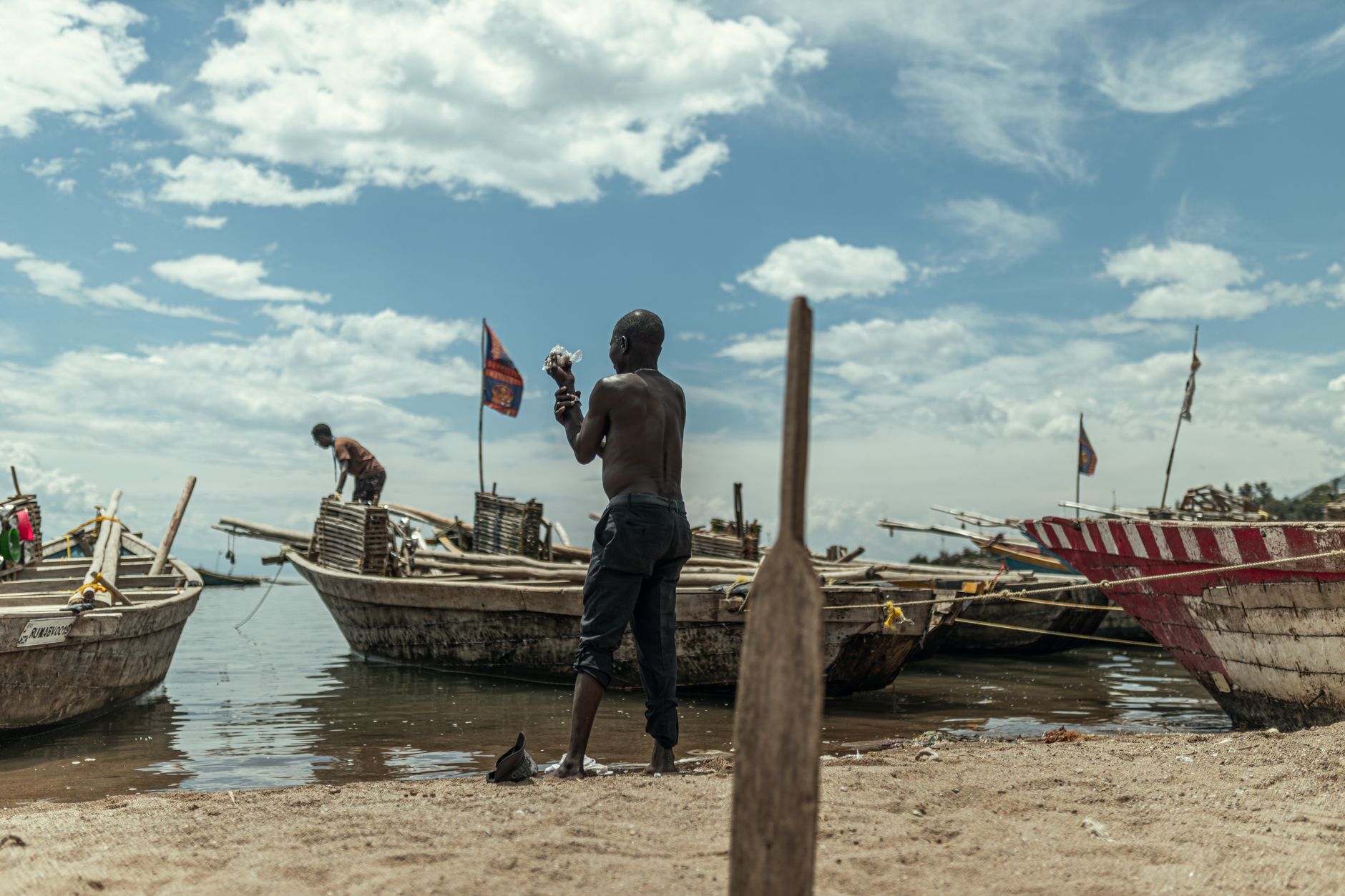
The water temperature stays between 23 and 28 degrees Celsius through most of the year, which removes the wetsuit question entirely and makes extended snorkeling practical for travelers who are not committed divers. Kayaking is available through a handful of locally run outfitters, with multi-day routes between fishing villages that involve camping on the beach and buying fresh chambo – a local cichlid – directly from fishermen returning in wooden dugouts at dusk. The logistics are loose by design. Most of the outfitters are small operations run by people who live on the lake and treat itinerary-flexibility as a feature rather than a gap in planning.
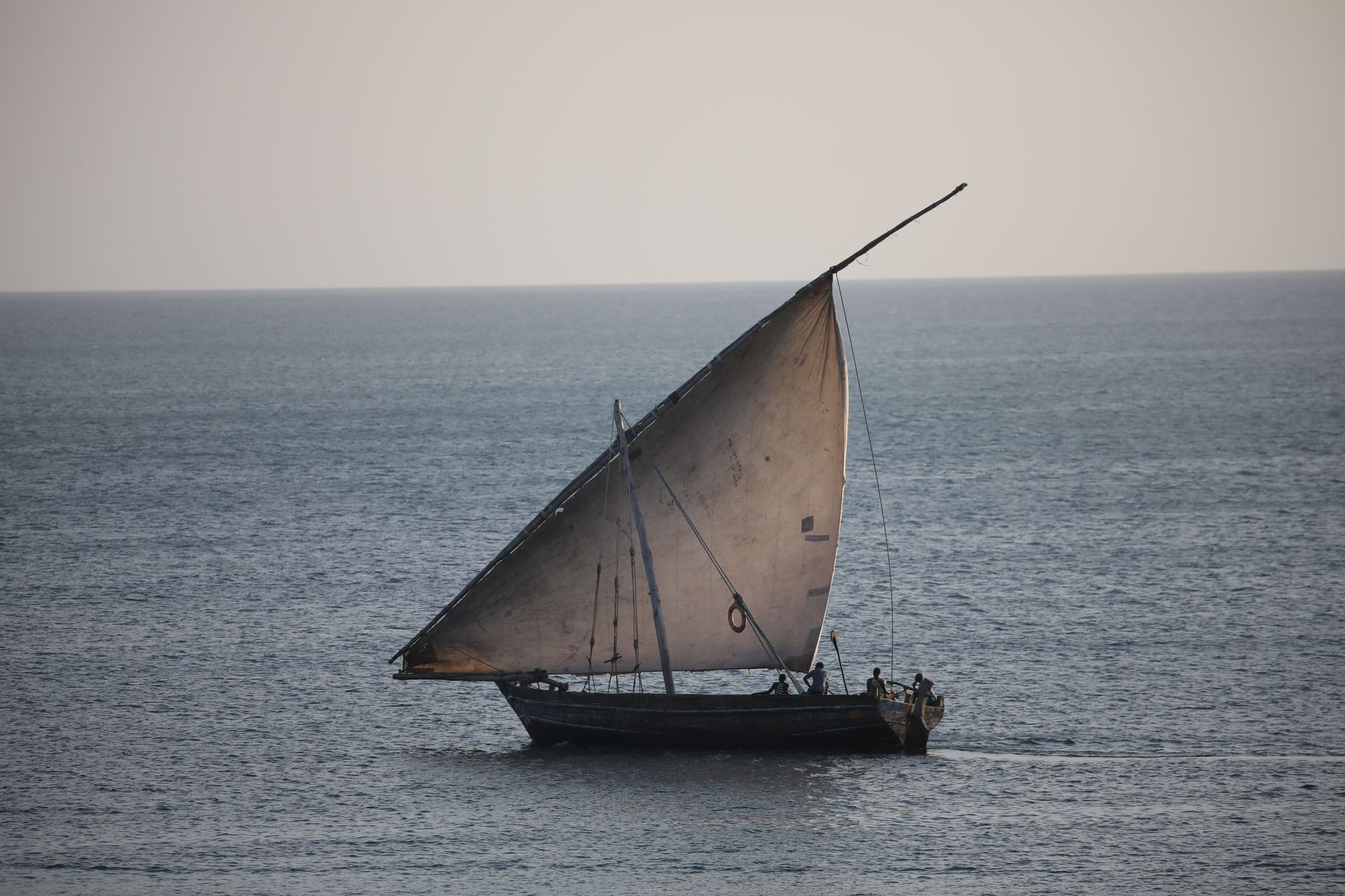
Sailing is the least-discussed option and arguably the most rewarding. A small community of lake sailors operates traditional wooden dhows out of several northern ports, and day charters are easier to arrange than travel writing has historically suggested. The lake’s wind patterns are predictable enough through the dry months that sailing between islands – particularly around Likoma Island, which sits technically within Mozambican waters but is administered by Malawi – makes for a full day trip that involves crossing what feels like open ocean on a freshwater body.
The Zambia Comparison, Honestly
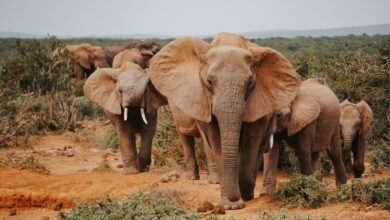
Zambia’s water-based tourism is organized around rivers – the Zambezi, the Kafue, the Luangwa – and the infrastructure built around those rivers is genuinely excellent. Guided canoe safaris on the lower Zambezi are technically impressive trips that move you through hippo pods and elephant crossings with a level of wildlife density that Malawi’s lake cannot match on land-based sightings alone. If terrestrial game viewing is the priority, Zambia wins without debate.
But the infrastructure advantage cuts both ways. Zambia’s most popular water routes are staffed, priced, and paced for travelers who want certainty. Malawi’s lake rewards the opposite instinct – a tolerance for variable ferry schedules, guesthouses that do not always appear on booking platforms, and a general atmosphere of improvisation that can feel stressful for a week and liberating for two. The traveler who finds Zambia slightly over-managed will find Malawi correctly calibrated.
Getting the Timing and Access Right
The dry season runs from May through October, and this is when the lake performs at its clearest and calmest. The rains arrive from November and run through March, which turns the roads – many of them unpaved – into serious obstacles and drops underwater visibility considerably. That said, the rainy season brings a different version of the lake: fishing communities at peak activity, lush shoreline vegetation, and prices that drop noticeably at the handful of lodges that stay open.
Flights into Lilongwe connect through Nairobi, Addis Ababa, Johannesburg, and Doha, with Johannesburg offering the most frequency. From Lilongwe, the lake is a roughly three-hour drive east to the central shore region, or a longer drive north to Nkhata Bay. Bus connections exist and are cheap; they are also an experience in themselves that first-time visitors to sub-Saharan Africa should approach with flexible timing expectations. Domestic flights to Likoma Island operate out of Lilongwe on a small aircraft, and the island is also reachable by the Ilala ferry, a slow cargo and passenger boat that has been circling the lake for decades and serves as the primary transport link for dozens of lakeshore communities.
Accommodation ranges from backpacker-grade beach camps at Cape Maclear to genuinely polished lodge properties on private stretches of northern shoreline. The gap between those two categories is wide, and the middle tier – mid-range guesthouses with reliable electricity and decent kitchens – is thinner than it should be. Travelers used to Zambia’s lodge circuit will notice the absence of a standardized mid-level product. Travelers used to Southeast Asia’s guesthouse culture will find the pricing and flexibility familiar.
Malawi also carries a practical consideration that other African freshwater destinations do not: the lake’s bilharzia risk is real in certain areas, particularly near river inflows and fishing village shorelines. Reputable operators are specific about which swim zones are tested and cleared, and travelers should ask directly rather than assume clearance applies to the whole lake. Cape Maclear and several northern sites have established safe swimming areas, but this is a destination where doing a small amount of research before getting in the water matters more than most places. The reward for that preparation is a lake that remains, against the odds, genuinely underused – and that, in African freshwater travel right now, is increasingly hard to find.