
Africa’s Inland Sea Hides an Island Most Travelers Skip Entirely
Likoma Island sits in the middle of Lake Malawi, closer to the Mozambican shoreline than to Malawi’s own coast, surrounded by water so clear it reads aquamarine from above. At roughly 17 square kilometers, it is a sliver of land with a cathedral bigger than Winchester’s, fishing villages that run on their own slow rhythm, and beaches that have spent decades collecting almost no tourists at all. The world’s adventure circuit has somehow looked past it in favor of Zanzibar’s spice tours and crowded dhow sunsets, which is either a tragedy or the island’s greatest asset, depending on what you’re looking for.
Freshwater travel – meaning travel anchored to lakes, rivers, and inland waterways rather than ocean coastlines – is carving out its own identity among a certain kind of traveler who has grown tired of saltwater crowds.
Likoma is where that interest finds one of its clearest arguments.
What the Island Actually Offers
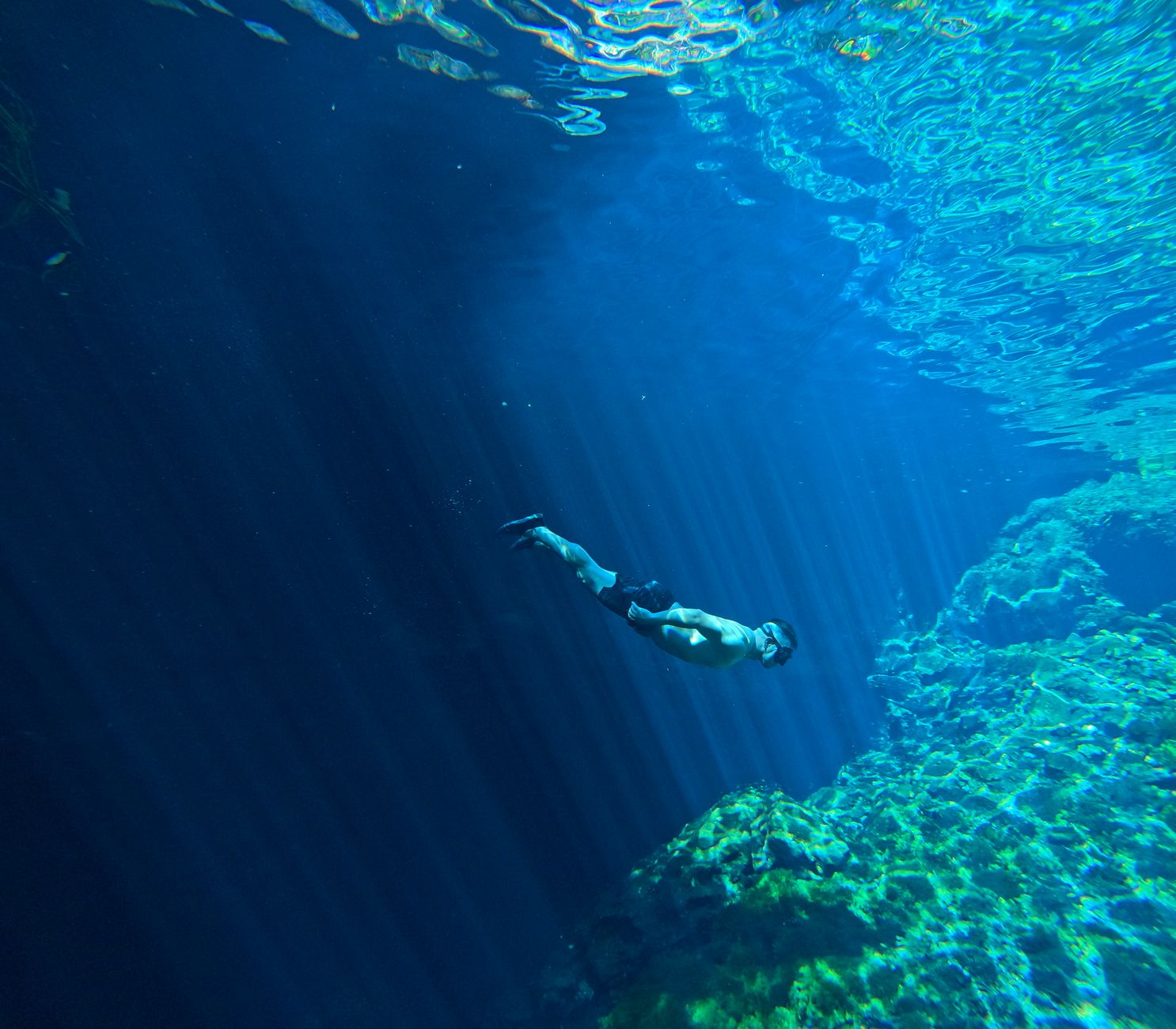
The water around Likoma belongs to a lake that stretches roughly 580 kilometers from north to south, and the snorkeling here competes directly with anything the Indian Ocean puts forward. Lake Malawi holds more species of fish than any other lake on earth, the majority of them endemic cichlids that drift in dense, color-saturated schools around submerged rocks. There are no sharks, no jellyfish, no currents pulling against swimmers – just warm, calm water and an underwater landscape that marine biologists have spent careers documenting. For travelers who associate great snorkeling exclusively with coral reefs, Likoma delivers a counterargument that is difficult to dismiss.
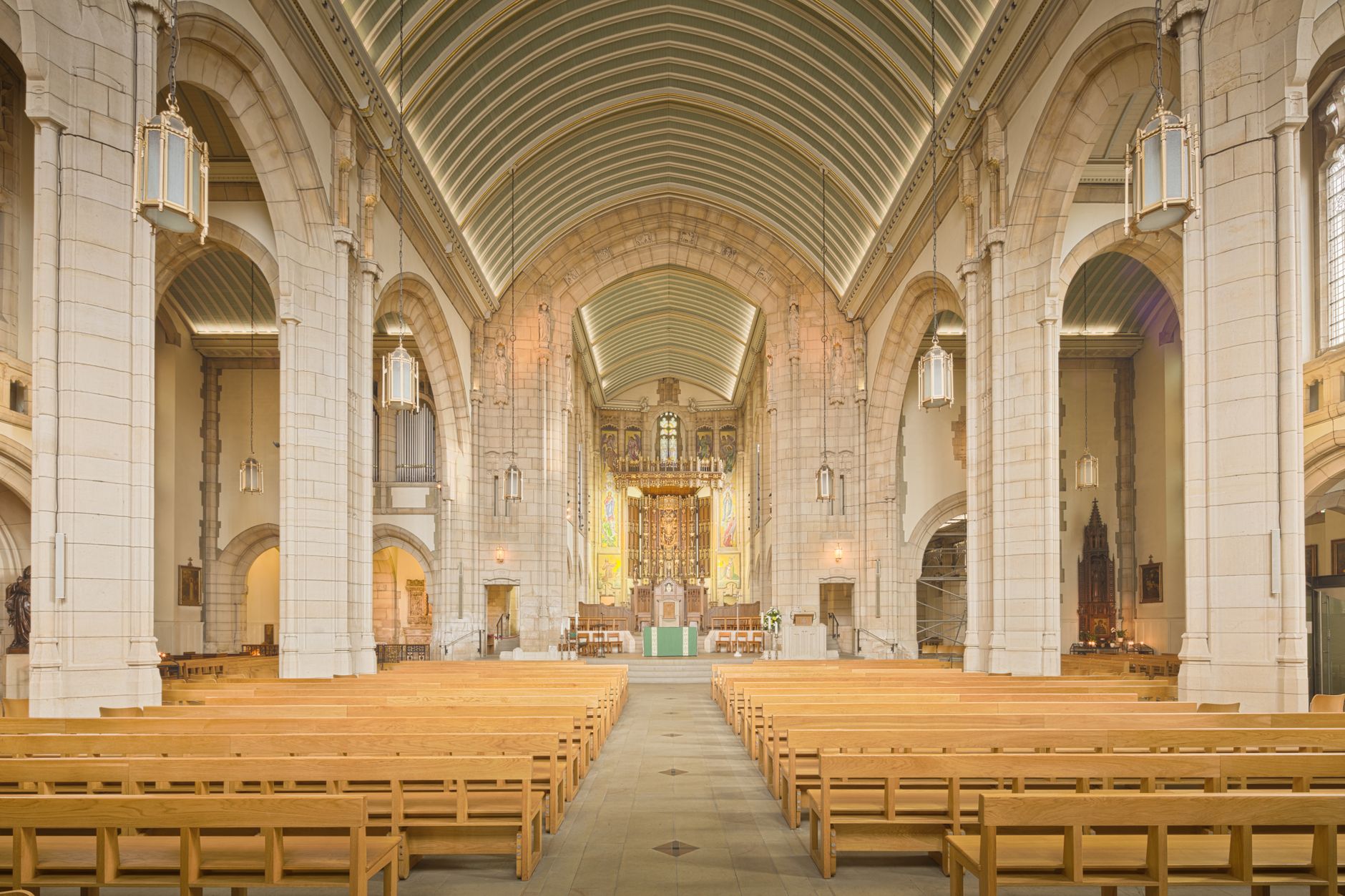
Above the waterline, the island’s defining landmark is St. Peter’s Cathedral, built between 1903 and 1905 by the Universities’ Mission to Central Africa using locally quarried stone. The building is enormous by any standard – a full Gothic nave rising out of a village of baobab trees and dirt paths – and it sits largely without fanfare. There are no ticket booths, no audio guides, no gift shops selling magnets. Visitors walk in, look up at the vaulted ceiling, and are left mostly alone with the scale of the thing. The contrast between the cathedral’s ambition and the island’s unhurried pace is the kind of detail that tends to follow travelers home.
Accommodation runs from a handful of mid-range lodges with lake-facing rooms to locally run guesthouses that charge in a way that makes European travelers do a double take at how reasonable everything is. The island’s most well-known lodge operates on a solar-powered model with open-air dining, kayaks, and paddleboards available directly from the property’s beach. Getting there requires either a short charter flight to the island’s small airstrip or a ferry journey from Nkhata Bay on the Ilala, a passenger vessel that has been running the lake route for decades and is an experience in itself.
Why Likoma Holds Its Own Against Zanzibar
The Zanzibar comparison is not about equivalence – it is about function. Zanzibar offers spice heritage, Stone Town’s layered history, and ocean diving that draws serious underwater photographers from across the continent. Likoma offers none of those specific things. What it does offer is a version of the East African island experience stripped of the infrastructure pressure that Zanzibar has been managing for years: the resort sprawl, the mass-market snorkeling tours, the all-inclusive compounds that seal travelers inside a version of the place rather than the place itself. Likoma is still porous. The fishing villages are still working villages. The beach you walk to in the morning is likely to have nobody else on it.
The practical case for choosing Likoma over Zanzibar is also worth making plainly. Malawi does not carry the same name recognition as Tanzania among international travelers, which keeps flight prices and lodge rates lower across the board. A week on Likoma, including flights within the country, typically costs less than a comparable week in Zanzibar’s mid-range bracket. That gap matters to travelers who want to stay longer, spend more time in the water, and eat at the village restaurant rather than the resort’s buffet.
The lake itself adds something no ocean island can quite replicate: the psychological effect of freshwater. Swimming in Lake Malawi feels different from ocean swimming – softer, lighter, without the sting or buoyancy of salt. Travelers who have spent years at ocean destinations sometimes describe that difference as disorienting at first and then immediately preferable. The lake has a stillness that the sea rarely offers, and at Likoma, that stillness extends all the way to the shoreline.
The Moment Before Discovery Changes Everything
Likoma is not entirely off the map – a small stream of travelers has been finding it for years, and the lodge infrastructure, while limited, is functional – but it has not yet crossed the threshold where its character starts negotiating with its popularity. The cathedral still has no entrance fee. The best beach on the island’s eastern side still has no sunbeds for rent. The ferry still runs on a schedule that requires checking in advance and accepting the possibility of delay. All of that will likely shift as more travelers realize that a freshwater island in the middle of Africa’s third-largest lake can deliver a week that Zanzibar, for all its genuine appeal, can no longer guarantee: the feeling of having arrived somewhere before everyone else decided to.