
Africa’s Forgotten Highland
Liwonde National Park gets the headlines. It has the elephants massing at the Shire River at dusk, the boat safaris past hippos, and the glossy magazine spreads that have made it the default answer when travelers ask where to go in Malawi. Nyika National Park, sitting on a rolling plateau in the country’s far north, rarely comes up in the same conversation – and that gap between reputation and reality is precisely what makes it worth the journey.
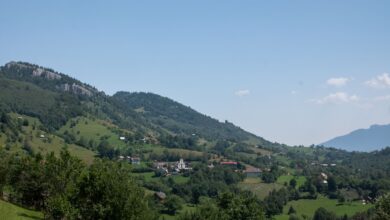
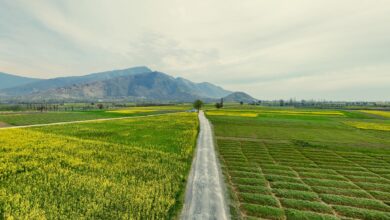
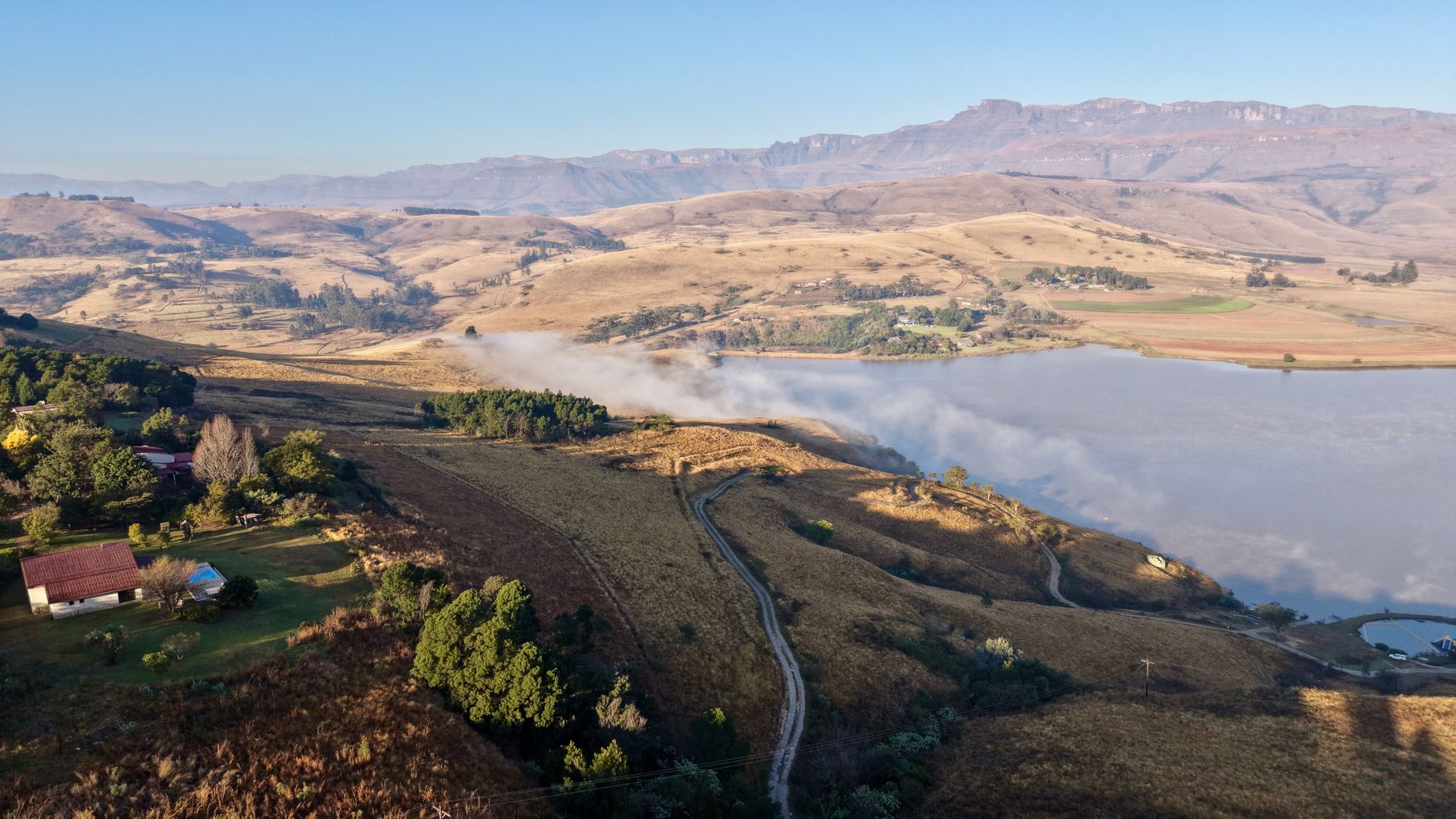
Nyika is Malawi’s largest national park, covering roughly 3,134 square kilometers of montane grassland that rolls across the border into Zambia. The plateau sits above 2,000 meters for much of its extent, which gives it a climate unlike anywhere else in the country – cool, clear, and in the wet season, carpeted in wildflowers that turn the hills into something closer to the Scottish Highlands than central Africa. The landscape alone would justify the trip.
What the Plateau Actually Offers
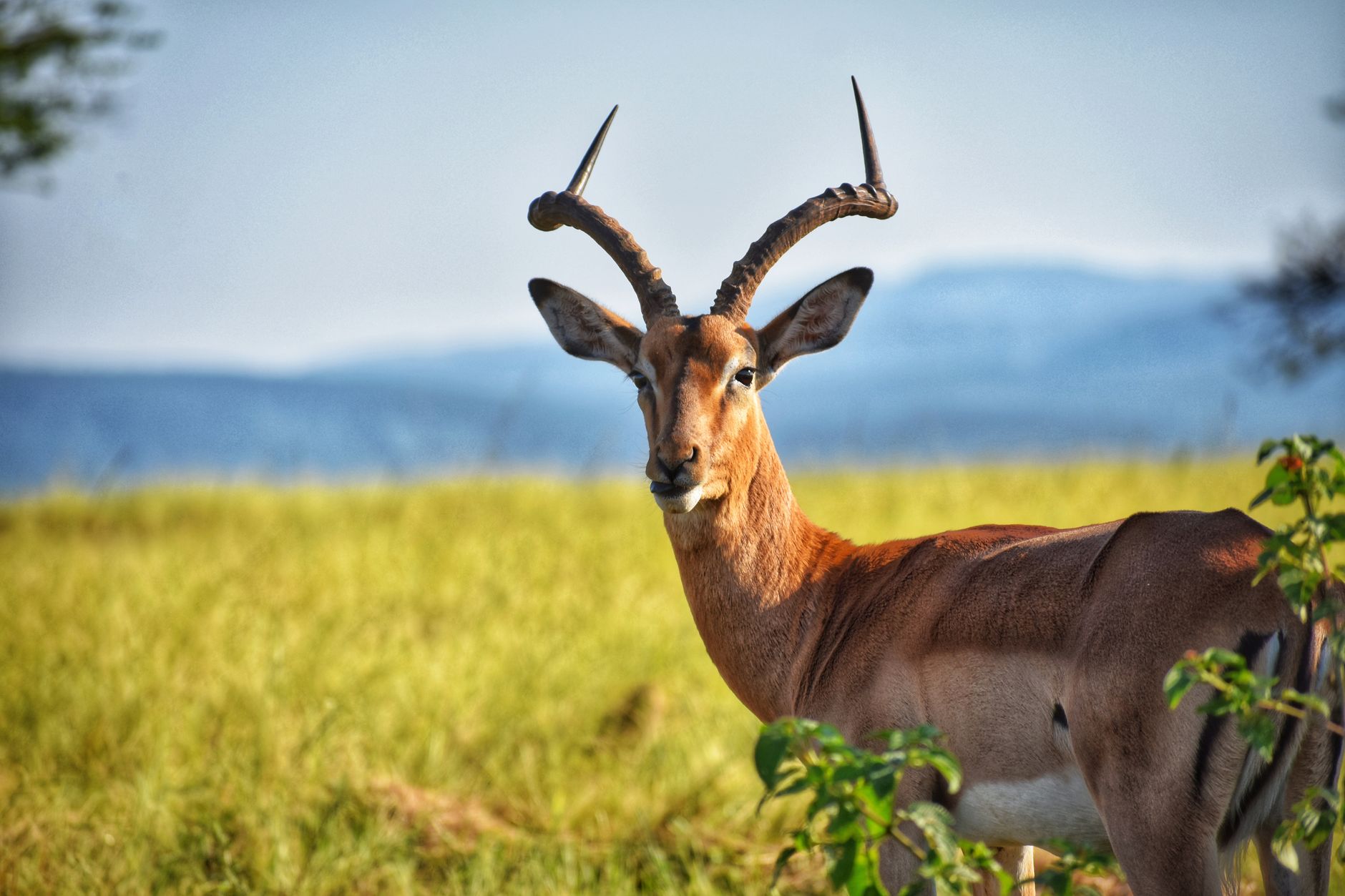
Nyika’s wildlife list does not include the elephant concentrations that Liwonde is known for, and that distinction matters if you are planning your expectations. What it offers instead is roan antelope in numbers that are genuinely rare across the continent, zebra moving in tight herds across open ridgelines, eland, and a density of leopard that surprises most first-time visitors. The grassland habitat means sightings happen at distance and in full light – there is no thick bush to hide in, and the plateau’s openness turns every animal encounter into something photogenic and unhurried.
The bird life at Nyika is another thing entirely. The plateau holds several endemic and near-endemic species found nowhere else in Malawi, and the montane forest patches along the escarpment edges shelter species that require genuine effort to track down. Serious birders treat Nyika as a priority stop rather than an afterthought, and the park’s quieter trail network means mornings spent walking rather than sitting in a vehicle – a different kind of engagement with the landscape.
Hiking here is the activity that most distinguishes Nyika from every other park in the country. The plateau’s undulating terrain is manageable without technical equipment, and the network of trails connects viewpoints, forest patches, and archaeological sites that most visitors never reach. Chelinda Camp, the main accommodation base inside the park, organizes guided walks that range from a few hours to multi-day routes with fly camping – the kind of option that is advertised widely elsewhere in Africa but rarely delivered with this much wilderness around it.
Mountain biking on the plateau has also built a quiet following. The distances between landmarks are manageable on a bike, the gradients are rolling rather than brutal, and the absence of dense vegetation means the risk calculus around predators is different here than in lowland bush. A small but growing number of adventure operators offer guided cycling routes across the plateau, and the tracks that run between Chelinda and the escarpment edge rank among the more memorable rides available in southern Africa.
Getting There and What It Costs You
Access to Nyika requires commitment. The drive from Lilongwe takes the better part of a day along roads that improve dramatically in quality once you reach the plateau itself but demand patience before that point. Mzuzu, in Malawi’s northern region, serves as the practical staging post for most travelers, and from there the route climbs steadily toward the Nyika gate. A small airstrip near Chelinda accepts charter flights, which collapses the journey considerably but adds cost that not every itinerary can absorb.
That friction is a feature as much as a deterrent. Nyika sees a fraction of the visitor numbers that Liwonde attracts, and the park’s remoteness functions as a natural filter. The people who make it there tend to want exactly what the plateau provides. Budget travelers working overland routes do appear, but the overall atmosphere skews toward self-reliant wanderers and guests staying at the handful of lodges and camps that operate inside the park boundaries.
How It Stacks Up Against Liwonde
Comparing Nyika and Liwonde directly is less useful than understanding what each park is actually built for. Liwonde delivers the classic riverine safari experience – water, large concentrations of game, boat options, and an accessibility that suits short visits and first-time safari travelers. The park has also benefited from significant rewilding work in recent years, with lion and cheetah reintroductions adding predator sightings that were not possible a decade ago. For anyone coming to Malawi with limited time and wanting a concentrated wildlife hit, Liwonde is the logical choice.
Nyika is for a different kind of traveler. The plateau rewards patience and physical engagement, and it asks more of the visitor in return for the solitude it provides. The ecosystem is distinct enough from standard southern African safari templates that experienced travelers who have covered Botswana, Zimbabwe, and South Africa often find it genuinely fresh. That rarity has value – comparable parks elsewhere on the continent, where highland wilderness is protected at this scale, are not plentiful.
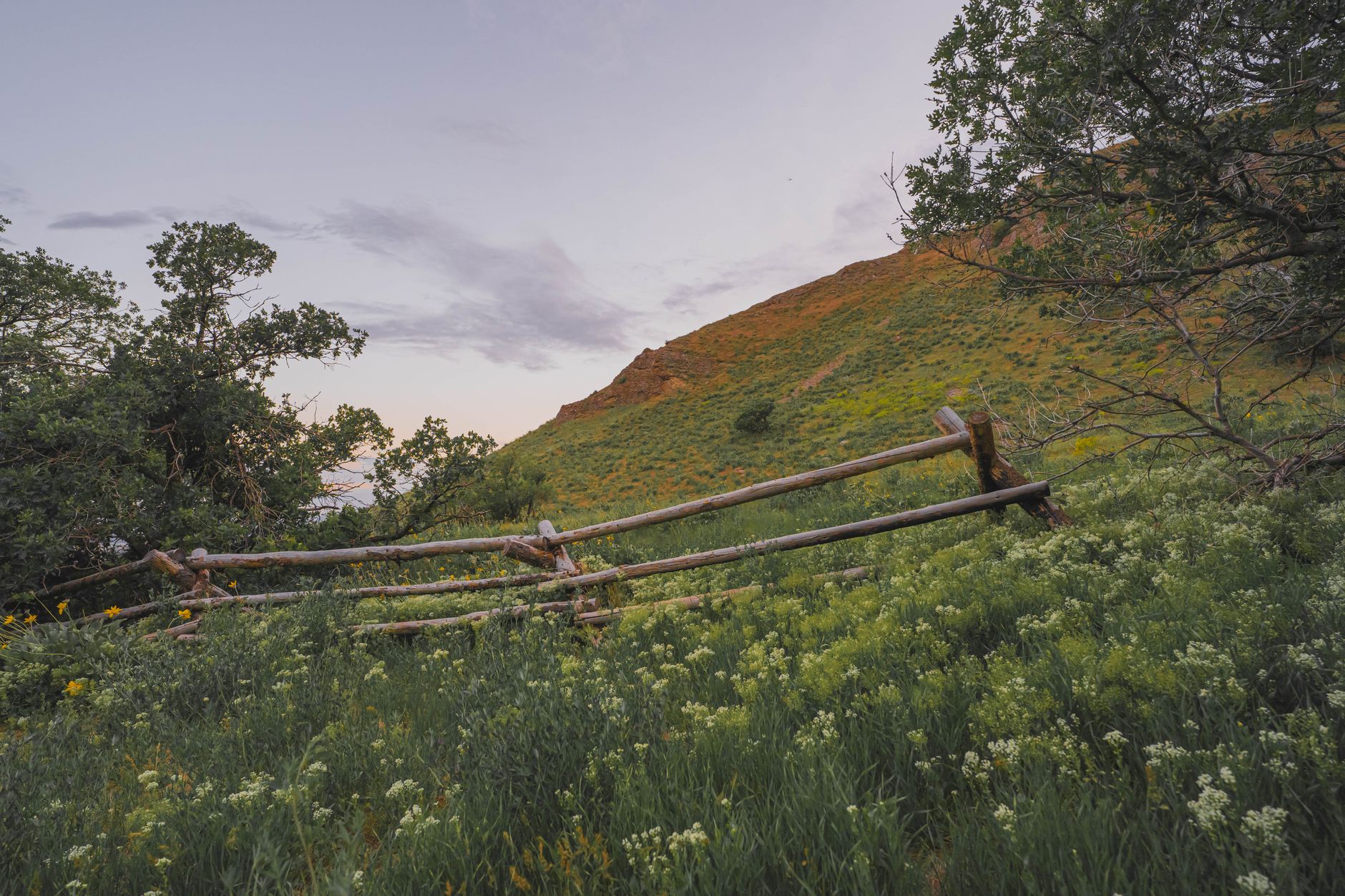
The wildflower season between November and April is the detail that tends to convert skeptics into converts. The plateau’s grasslands shift through cycles of color as different species bloom across the open hills, and the combination of flowers, cool temperatures, and near-empty trails produces a version of African travel that bears almost no resemblance to what most people picture when they book a safari. Nyika in full bloom, at altitude, with a roan antelope silhouetted against a cloudy escarpment – that image does not appear in many brochures, which is exactly the point.