
Where the Steppe Opens Up
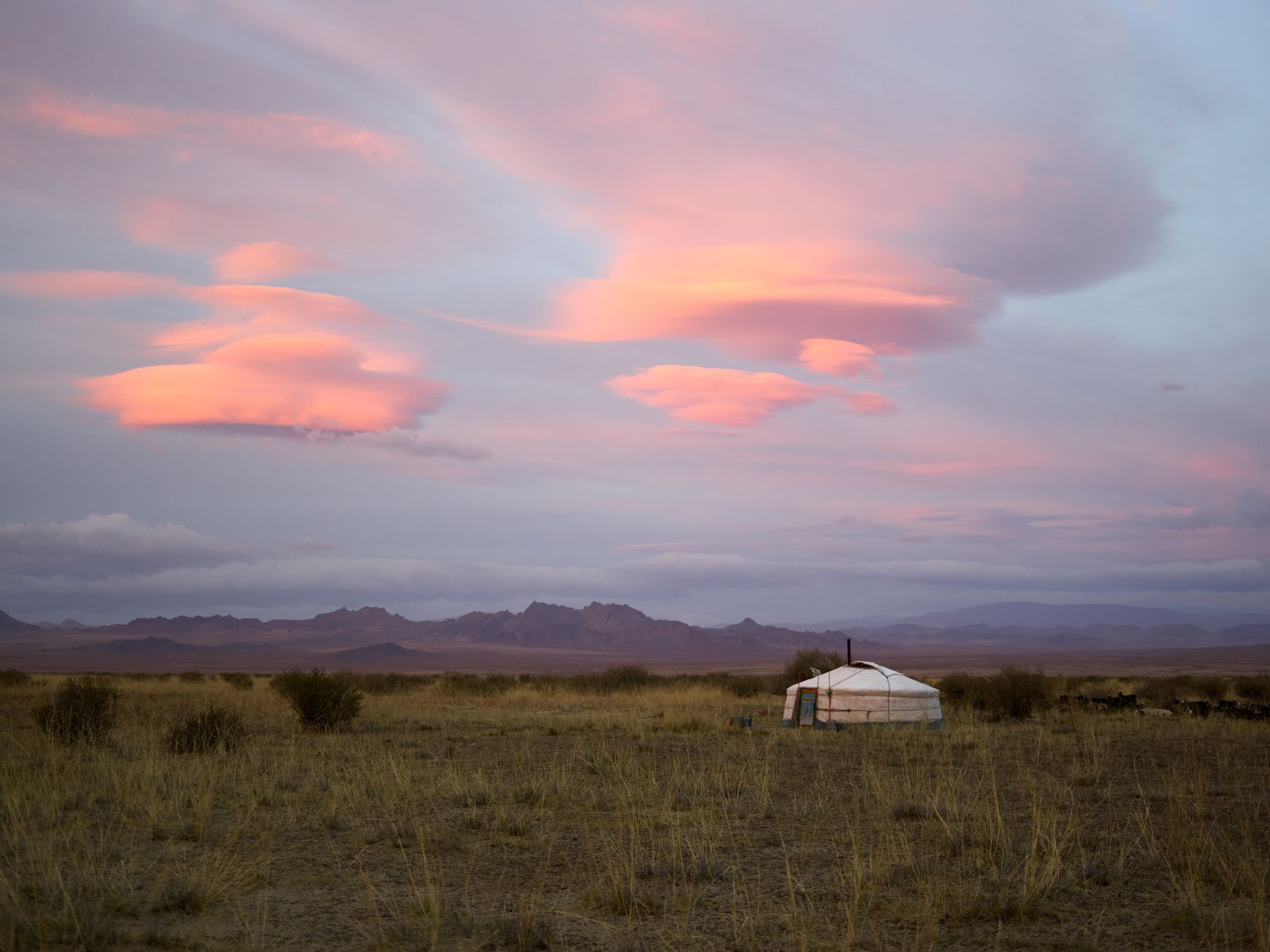
Mongolia’s Gobi Desert gets most of the glory – the dramatic dunes at Khongoryn Els, the dinosaur fossils, the camel treks that look lifted from a documentary reel. But roughly 400 kilometers to the northwest, the Orkhon Valley sits largely unbothered by the kind of organized tourism that has started to shape the Gobi experience. It is a place of green river bends, ancient monasteries, and ger camps run by actual nomadic families rather than tourism operators dressed in the part.
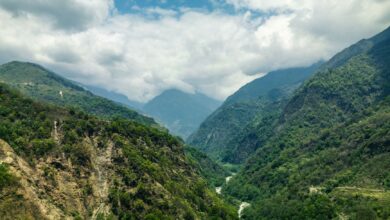
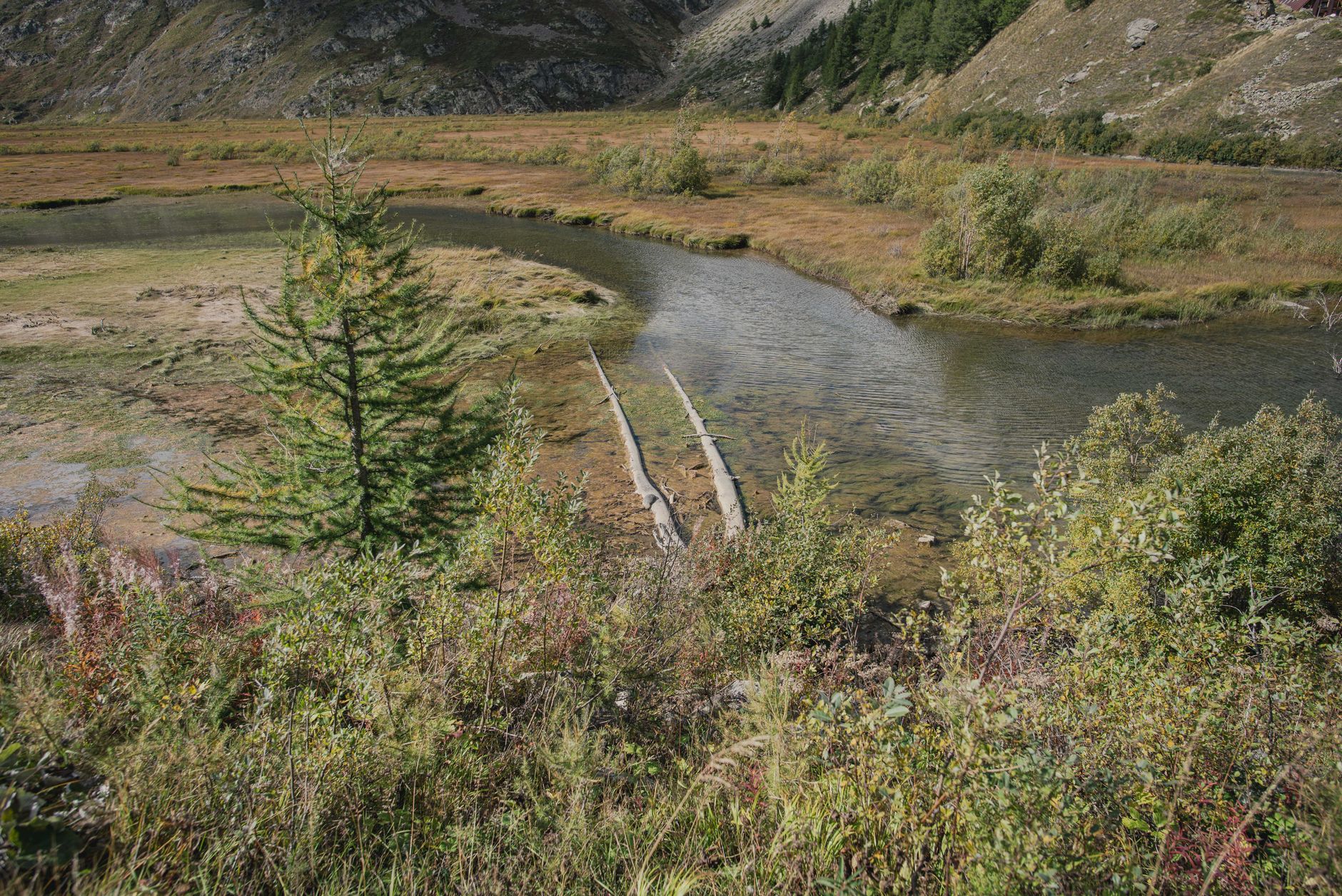
The valley follows the Orkhon River as it cuts through central Mongolia, and the landscape shifts constantly – volcanic plateaus give way to soft meadows, which drop suddenly into the Orkhon Waterfall, a 20-meter cascade that feels wildly out of place in the surrounding steppe. The area carries UNESCO World Heritage status, tied to its role as the heartland of successive Mongolian and Turkic empires, though that designation has done little to flood it with visitors.
This is still, mostly, nomad country.
What the Valley Actually Offers
The Orkhon Valley rewards travelers who move slowly. The standard circuit from Ulaanbaatar takes around five to seven days by 4WD, with stops at Erdene Zuu Monastery near the ancient capital of Kharkhorin, the Orkhon Waterfall at Ulaan Tsutgalan, and the broad pastoral stretches where herder families have been moving their livestock through seasonal patterns for generations. Roads are rough – sometimes nonexistent – and that friction is part of the appeal. Distance here is measured less in kilometers and more in how your spine feels by late afternoon.
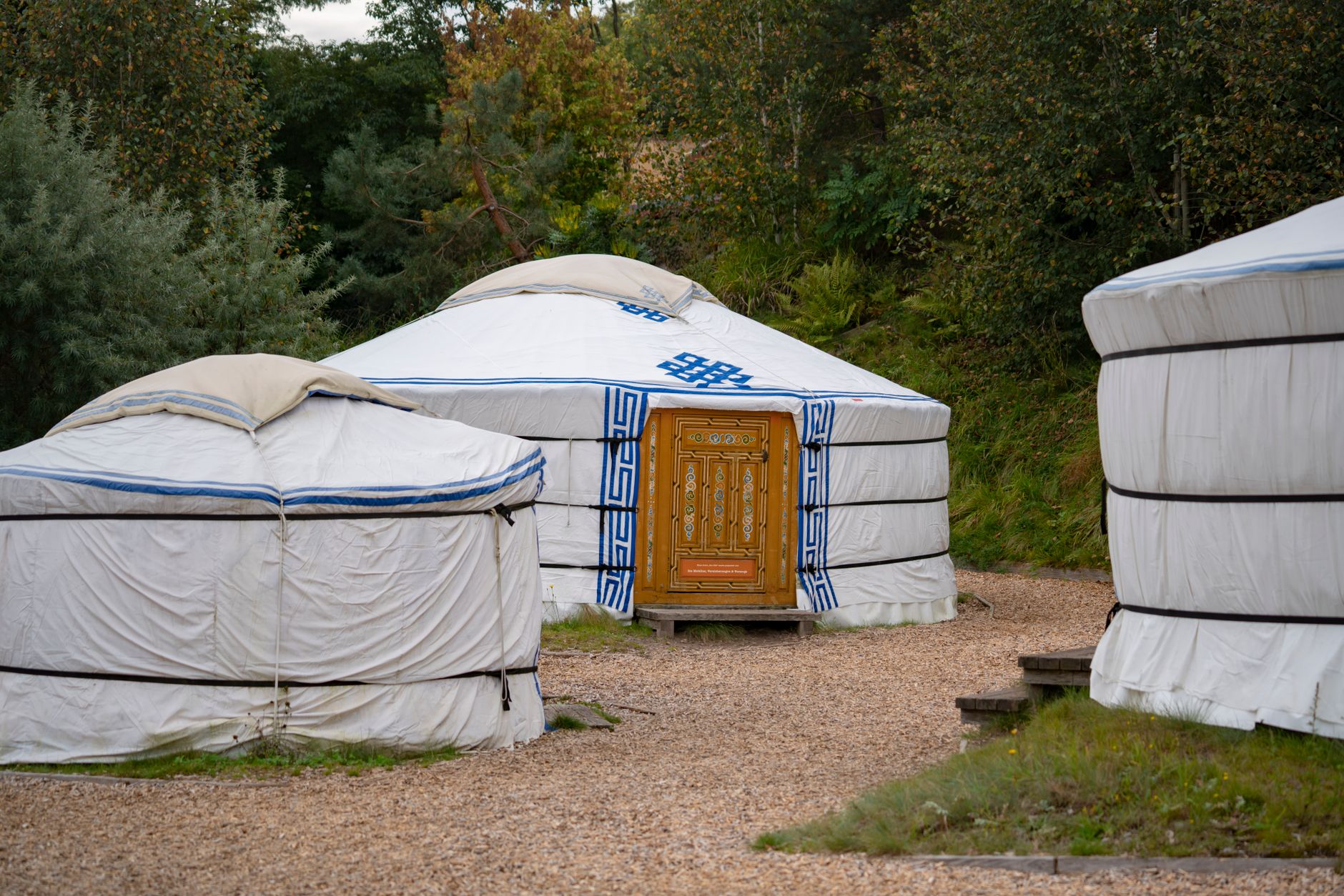
Staying with nomadic families is possible and, for many visitors, becomes the most memorable part of the trip. Hosts offer a ger, meals of tsuivan noodles and airag – fermented mare’s milk – and the specific quietness of falling asleep to nothing but wind. The exchange is direct: you pay a modest sum, your hosts provide shelter and food, and no one performs hospitality for the camera. Some families speak enough Russian or broken English for basic conversation; many don’t, and the communication that happens anyway tends to stick longer than the kind that comes easily.
The valley also holds the ruins of Kharkhorin, the 13th-century capital Genghis Khan’s successors built at the empire’s height. Almost nothing stands above ground level now – Erdene Zuu’s outer wall, made from the city’s own stones, is what most visitors photograph – but the scale of what was once there is still readable in the land itself. Walking the site without a guide, you can spend an hour just trying to orient yourself to what historians say once stood where.
Planning a Trip Without the Package Tour
The Gobi has a relatively established circuit of tour operators, fixed camps, and logistics that make independent travel easier for first-timers. The Orkhon Valley is less structured, and that gap cuts both ways. On one hand, it means more genuine encounters and less scripted experience. On the other, reaching certain parts of the valley without a local driver or guide can turn into a serious navigation problem, particularly in the summer months when river crossings become unpredictable after rainfall.
July and August bring the best weather but also the Naadam Festival, which runs nationally in mid-July. Catching a local Naadam – smaller regional versions happen throughout the countryside rather than just in Ulaanbaatar – near the Orkhon area is worth timing for, as the horse racing and archery competitions feel nothing like the capital’s televised version. September is cooler and quieter, and the steppe takes on a dry gold color that photographers tend to prefer.
Travelers who have already explored other Central Asian valleys – Kyrgyzstan’s Karakol Valley, for instance, offers a useful comparison point for alpine nomadic landscapes – will find the Orkhon experience meaningfully different: flatter, wider, with less dramatic elevation change but a cultural weight that comes from being the geographic center of an empire that once spanned a continent.
The Case for Going Now
Tour operators based in Ulaanbaatar are quietly expanding their Orkhon offerings, ger camp infrastructure is growing, and interest from European and East Asian markets has been building steadily over the past several years – which means the window for experiencing this valley at its most unmediated is real, and it is not unlimited.
Frequently Asked Questions
How do I get to Mongolia’s Orkhon Valley from Ulaanbaatar?
Most travelers hire a 4WD vehicle with a local driver for the roughly 400-kilometer journey, which takes around six to eight hours on unpaved roads. Organized tours from Ulaanbaatar are also available but less common than Gobi packages.
Is the Orkhon Valley better to visit than the Gobi Desert?
It depends on what you want. The Gobi offers more established logistics and iconic dune scenery, while the Orkhon Valley provides a rawer nomadic experience, fewer tourists, and richer historical depth around the ancient Mongol capital of Kharkhorin.