
Where the Steppe Opens Up
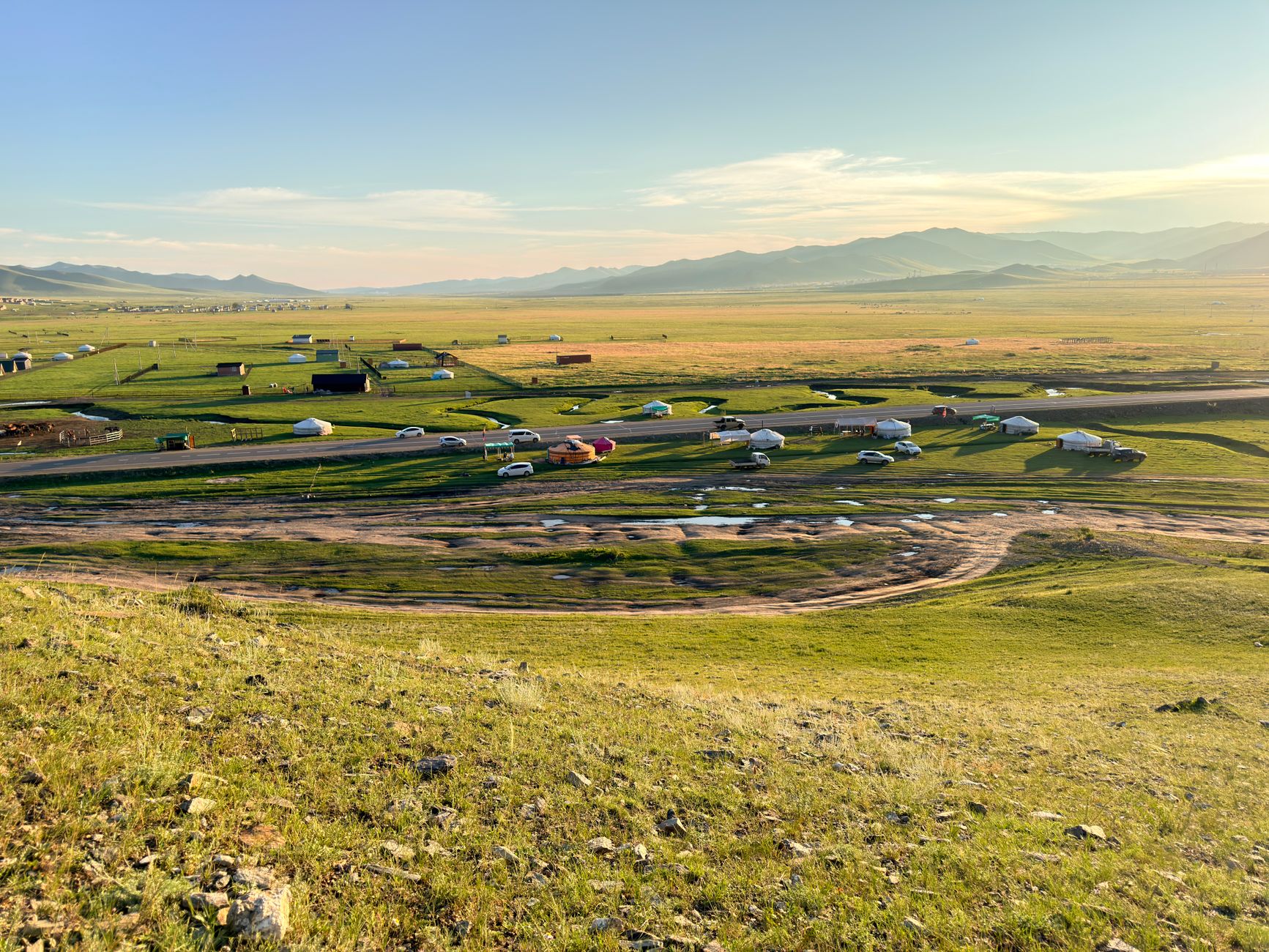
The Gobi Desert gets the postcards, the documentaries, and the bucket-list mentions. Its vast sand dunes and camel silhouettes have become shorthand for Mongolian wilderness. But roughly 400 kilometers to the northwest, the Orkhon Valley sits with a kind of quiet authority – wide river bends cutting through volcanic plateau, ancient ruins poking out of grassland, and ger camps tucked so naturally into the landscape they look like they grew there. Travelers who arrive expecting a consolation prize for skipping the Gobi tend to leave reconsidering which one was actually worth the detour.
The Orkhon Valley holds UNESCO World Heritage status, covering a stretch of steppe and forest-steppe that has functioned as the cradle of successive Mongolian empires for more than two millennia. This is where Genghis Khan established the foundations of the empire that would eventually stretch from the Pacific to the Caspian. The land remembers all of it in layers – petroglyphs, ruined monasteries, and herder families whose seasonal migration patterns have not changed in any fundamental way since the imperial period. What draws a particular kind of wanderer here is precisely that nothing is curated for them.
A Landscape Built for Slow Travel
The valley’s geography resists the quick itinerary. The Orkhon River, one of Mongolia’s longest, loops through the region in broad, unhurried curves, and the pace of moving alongside it tends to match. Horses are the default transport for much of the interior, not as a tourist gimmick but because the terrain genuinely demands it. Dirt tracks branch and fade, GPS signals drop, and the most interesting stretches are those where the road simply stops being a road. This is slow travel in the structural sense – the environment enforces it.
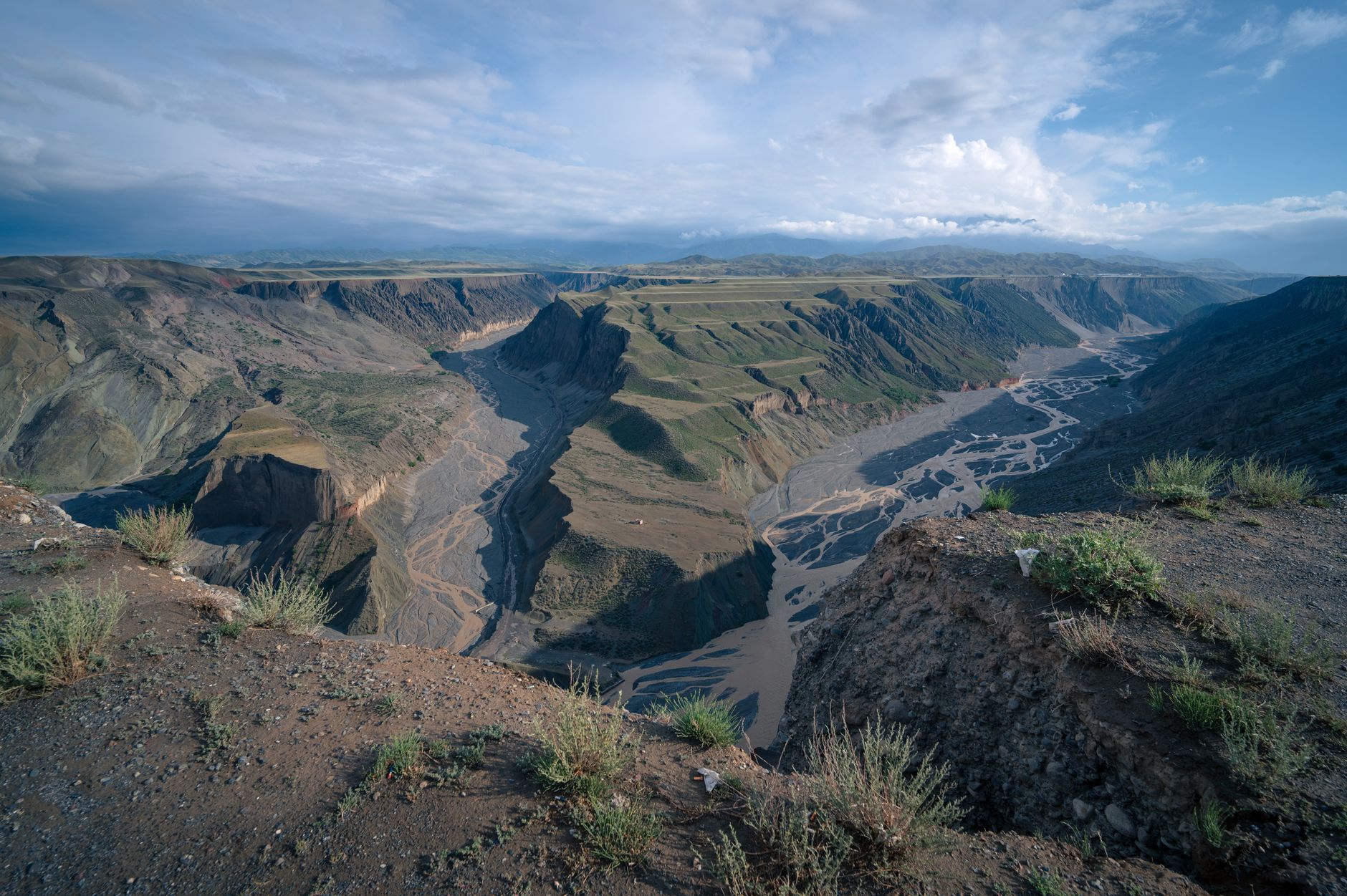
At the valley’s southern end, the Orkhon Waterfall drops through a basalt canyon carved by ancient volcanic activity, a sight that registers as genuinely surprising given how flat the surrounding plateau appears from a distance. The falls are at their most dramatic in late summer, after seasonal rains have pushed the river volume up. Getting there on horseback through open meadow, with the sound arriving before any visual confirmation, is the kind of arrival that stays with you.
The ruins of Kharakhorum – the imperial capital of the Mongol Empire – sit near the town of Kharkhorin and represent the valley’s most visited historical point. What remains is largely foundation stone and the Erdene Zuu monastery complex built over and around the original city walls in the 16th century. It is worth being honest: there is not much to see in the conventional sightseeing sense. The significance is conceptual, and travelers who lean into that tend to find it more affecting than a hundred intact monuments elsewhere.
The Nomad Logic of the Valley
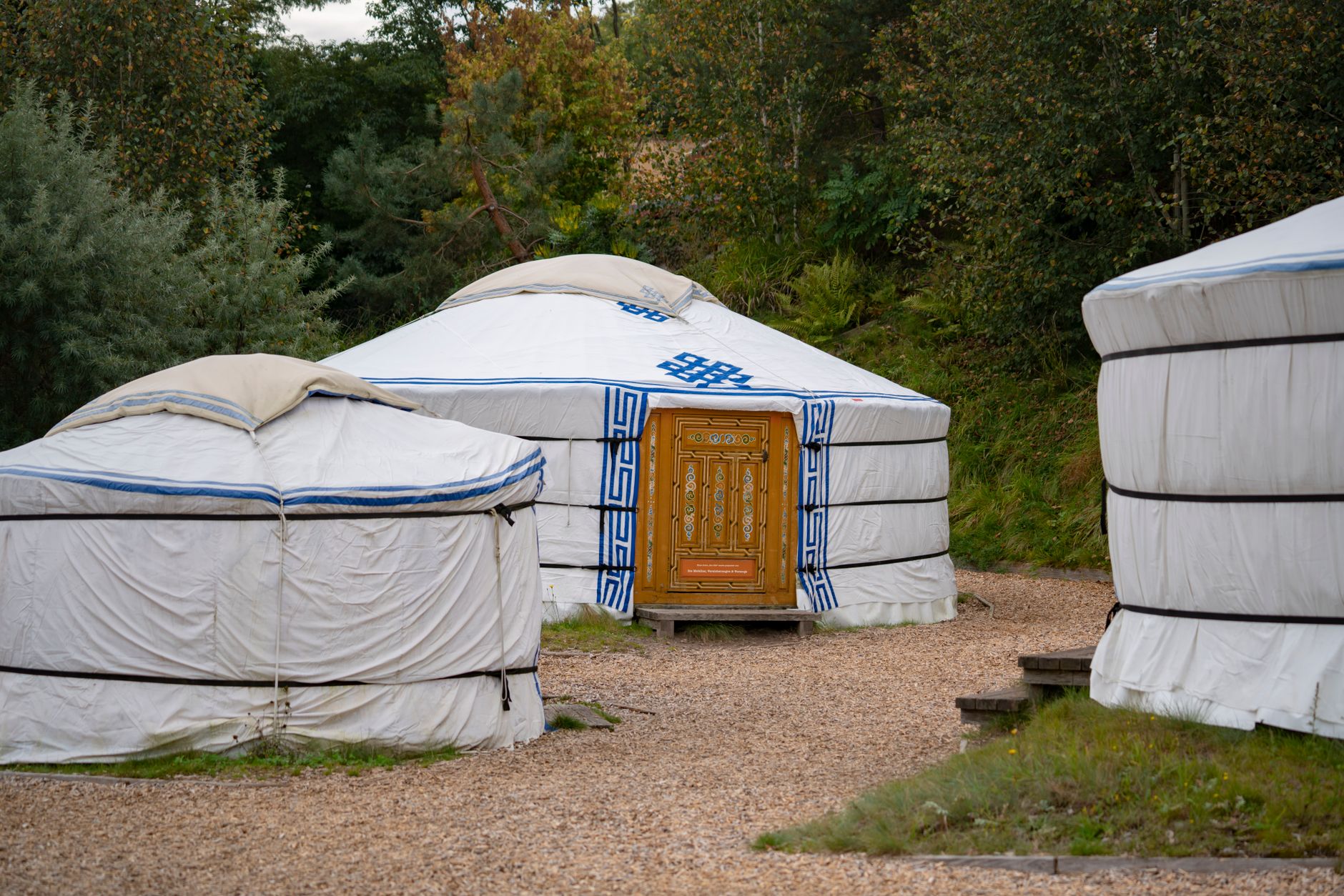
Nomadic herding families use the Orkhon Valley as summer pasture, moving into the highland grassland when temperatures rise and retreating before the brutal Mongolian winter sets in. Staying with a herder family – through a ger camp arrangement or, for more independent travelers, through direct approach and the customary hospitality culture – offers something the Gobi experience rarely does: a working pastoral economy, not a preserved or performed one. Families here are managing actual herds of sheep, horses, and yaks. The rhythm of the day is dictated by animals, weather, and grass quality, not by guest comfort schedules.
The food reflects this directly. Airag, fermented mare’s milk, is offered throughout summer as both greeting and staple. Tsuivan, a hand-pulled noodle dish with mutton, appears at most meals. Dairy products – dried curds, clotted cream, butter – arrive in variety that surprises visitors accustomed to thinking of nomadic diet as sparse. None of it is plated for aesthetics. All of it makes sense the moment you understand how the valley’s herding calendar works.
Why the Orkhon Outpaces Its Own Reputation
Part of what keeps the Orkhon Valley from accumulating the crowds the Gobi draws is the logistics. There is no direct, comfortable road from Ulaanbaatar. The journey – typically six to eight hours depending on conditions and route – involves significant stretches of unpaved track that demand a 4×4 and a driver who knows when to detour. Tour operators offer packaged trips, but independent travelers who attempt the drive themselves get a geography lesson no briefing can replicate. The road itself is part of the experience, crossing open steppe where the horizon stays flat in every direction for long enough that spatial disorientation becomes a genuine sensation.
The valley also rewards those who stay longer than two or three days, which most short-itinerary visitors do not. The shift between morning and evening light across the plateau is dramatic enough to change the entire character of the landscape. Rain moves through the valley in visible curtains from kilometers away. The night sky, absent any meaningful light pollution, is the kind that makes the word “stars” feel insufficient. These are not selling points that photograph easily, which may be exactly why the Orkhon has not yet been absorbed into the standard Mongolia highlight reel.
Travelers drawn to destinations that function outside the mainstream travel circuit – the kind who seek landscapes where the infrastructure exists to support visitors without having been built specifically for them – tend to find the Orkhon Valley disproportionately satisfying. It asks more and assumes less. There is no interpretive center explaining what the steppe means. The valley presents itself and leaves the interpretation to whoever is standing in it.
The practical window for visiting is June through September. July and August bring the Naadam festival season, and some herder families participate in local competitions that travelers can observe if timing aligns. September is arguably the better month – the crowds from summer thin out, the grassland shifts color, and the light takes on a quality that photographers talk about for years. The valley has no mechanism for managing its own peak season, which means September offers the same landscape with fewer competing ger camps staking claims to the best river bends. That window closes fast when the temperature drops.