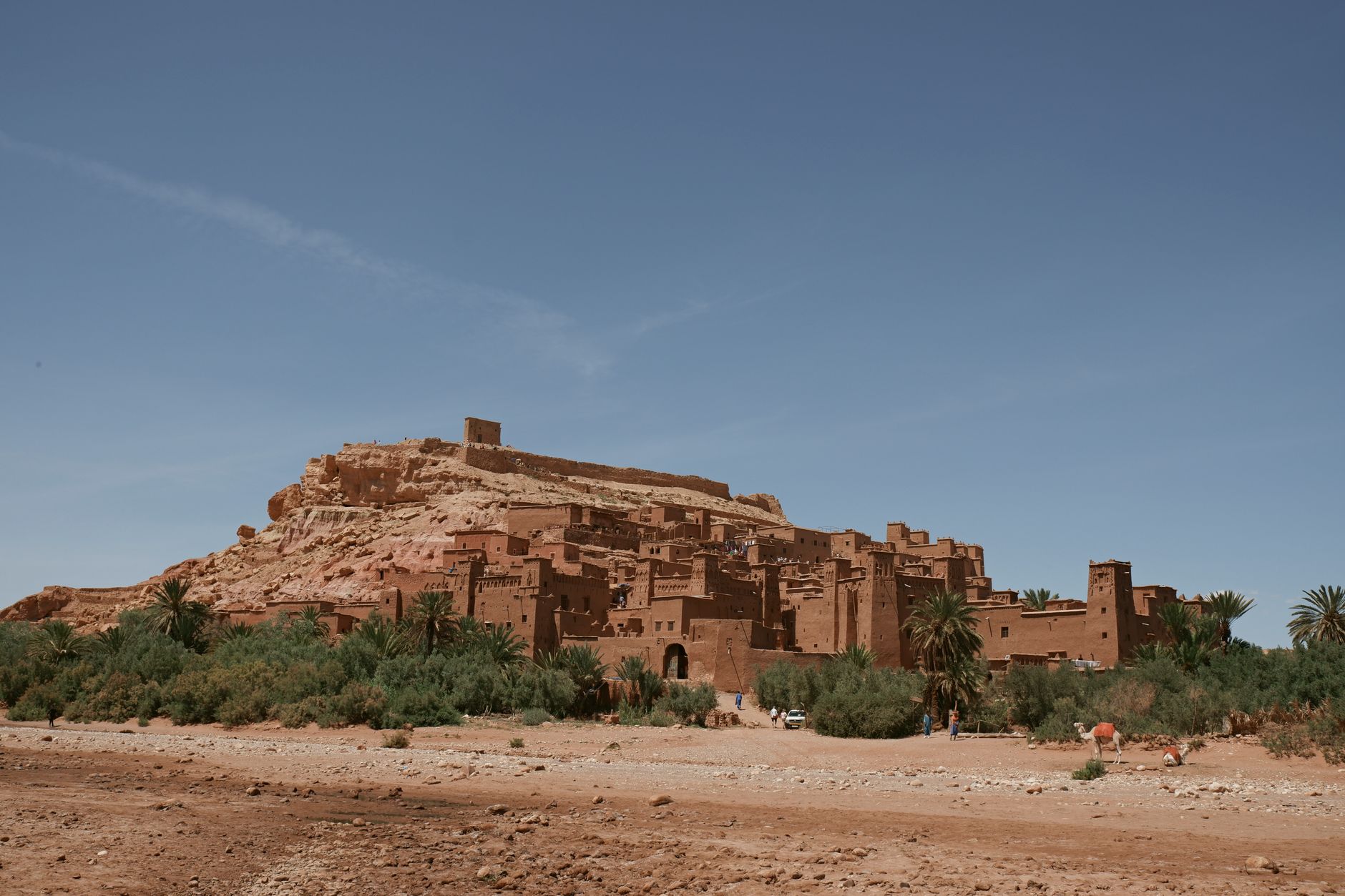

The Draa Valley runs south from Ouarzazate like a slow exhale – a 200-kilometer corridor of date palms, crumbling adobe fortresses, and villages that have barely changed since caravans moved gold and salt across the Sahara. While Marrakech absorbs the bulk of Morocco’s international visitors, a quieter circuit is forming among travelers who want kasbahs without the souvenir hustle.
A Road That Was Always There
The N9 highway connecting Ouarzazate to Zagora is not a secret route. Moroccan families have driven it for generations, and international road-trippers have been looping through since the 1970s. What has changed is the type of traveler making the journey. Where backpackers once dominated the guesthouses at M’hamid el Ghizlane, there is now a noticeable mix of architecture enthusiasts, photographers, and slow-travel converts booking multiple nights in riad-style maisons d’hotes built inside or immediately beside genuine kasbahs.
The appeal is structural – literally. Kasbahs in the Draa Valley are not reconstructions or museum pieces propped up for tourism. Many are inhabited, or were inhabited until a generation ago, and the earthen walls still carry the geometry of their original builders: angled towers, decorative plasterwork in geometric patterns, and interior courtyards designed to pull cool air down from the sky. Walking through Aït Ben Haddou, the UNESCO-listed ksar just outside Ouarzazate, gives a sense of the architectural vocabulary, but the valley’s lesser-known sites – Tamnougalt, Timidarte, Tighmert – offer that same language without the film crew infrastructure that Aït Ben Haddou now operates alongside constantly.
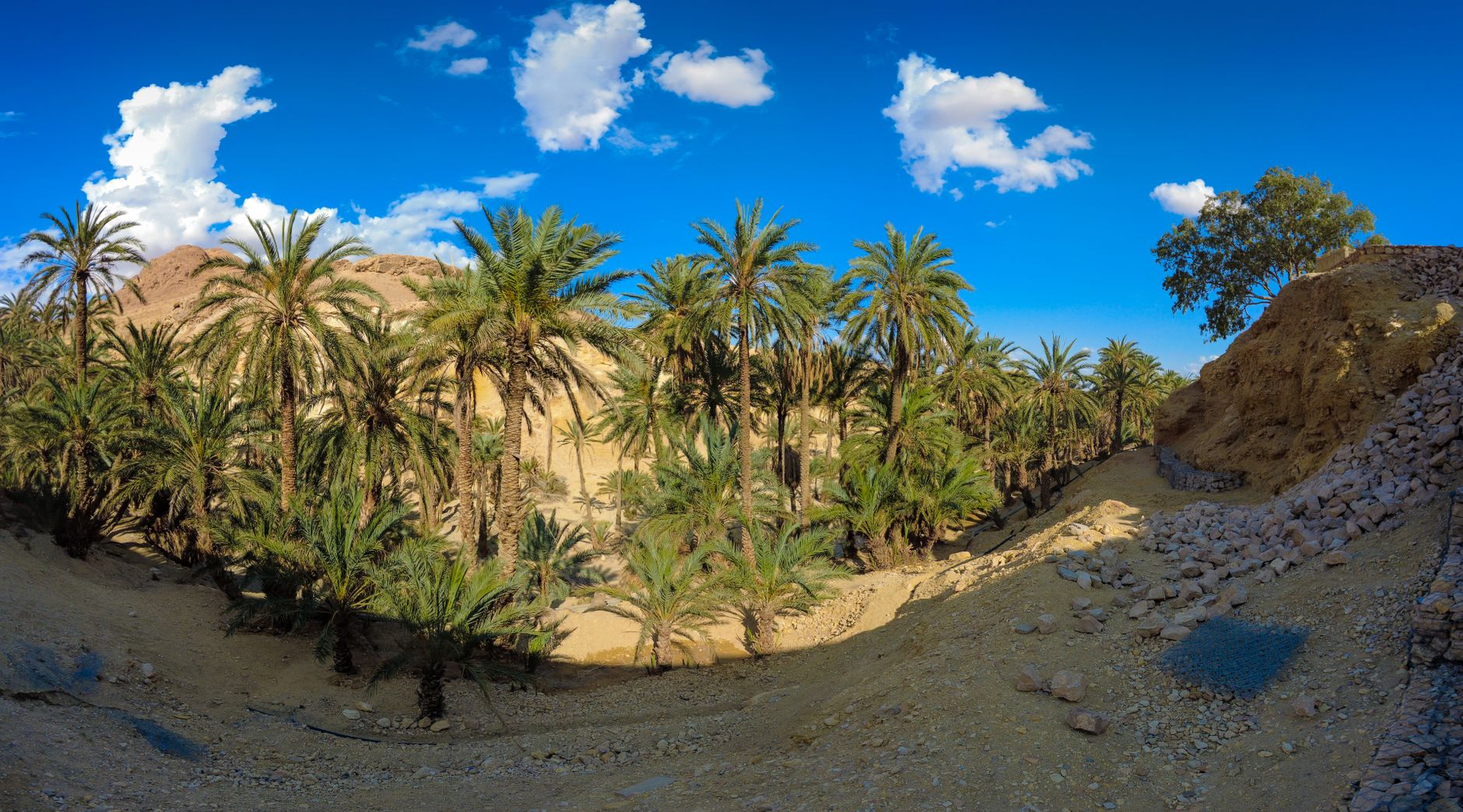
The drive itself is part of the draw. The Draa River, Morocco’s longest, threads through the valley floor and creates a green ribbon visible from the road – a shock of palm groves against the surrounding ochre plateau. Villages cluster near the water, and the rhythm of the journey encourages stopping rather than covering distance. A morning departure from Ouarzazate can reasonably take the better part of a day to reach Zagora if the driver exercises any curiosity at all. That pace suits the region’s character.
Accommodation has expanded without losing its grain. Several former granaries and fortified communal storage buildings – called agadirs – have been converted into guesthouses where the original thick-walled rooms now hold proper beds and solar-heated showers. The conversions vary in quality, but the best ones work because the architecture does most of the heavy lifting. No amount of Berber-print cushions and lanterns can manufacture what these buildings already contain by default.
What the Valley Actually Offers
Zagora is the valley’s southern anchor and functions as a practical base rather than a destination in itself. The town is functional, a little dusty, and honest about what it is: a service center for travelers heading deeper into the desert or turning back north. The famous road sign pointing to Timbuktu – 52 days by camel – still stands, though most visitors reach the dunes at Erg Chigaga or Erg Lihoudi by 4×4 now, a journey of under three hours on paved and graded desert tracks.
The valley’s real density of interest sits between Agdz and Zagora, a stretch where kasbahs appear on ridgelines and at road bends with enough frequency that stopping to photograph them eventually becomes impractical. Tamnougalt is worth the detour – a 16th-century village-fortress on a rocky promontory above a palm grove, where a local association runs guided visits through the inhabited sections. The guides are descendants of the families who built the place, which gives the explanation of room function and social hierarchy a weight that no interpretive panel could replicate.
Date palm culture ties the whole corridor together. The Draa Valley produces a significant share of Morocco’s dates, and the harvest season in October brings a regional energy that has nothing to do with tourism. Markets in the villages around Zagora fill with varieties that rarely travel internationally – some almost black, some amber-yellow, some dried to a texture closer to caramel candy than fruit. Buying a kilo from the source and eating it in the shade of the palms themselves is the kind of experience Marrakech’s food scene tries to replicate in concept restaurants, with considerably less success.
Hiking in the valley does not require guides or gear beyond reasonable footwear and water. Paths between villages follow the irrigation channels – called seguias – that have distributed water from the Draa for centuries. A walk of four or five hours along a seguia at dawn, before the heat builds, passes through working farmland, past women doing laundry at channel junctions, and through date palm corridors where the light filters green and cool. There is nothing staged about any of it. The seguia walks predate tourism by roughly a thousand years.
For travelers who have done the kind of remote valley circuit that rewards patience over itinerary, the Draa will feel immediately familiar in its logic: the further you go from the main road, the more honest the landscape becomes. Small detours into side valleys like the Draa’s western tributaries reveal agadirs on cliffs that see perhaps a handful of international visitors per season, with no facilities and no entry fee – just a ruined or semi-ruined structure against a sky that has not changed its quality since the caravans stopped.
The Practical Case for Going Now
The window before infrastructure catches up to reputation is finite in any destination that earns attention. The Draa Valley is not undiscovered, but it is still operating on a scale where a traveler can arrive at a kasbah guesthouse without a reservation in shoulder season and find a room. That will not be true indefinitely. Boutique hotel investment in the Ouarzazate region has been visible enough in recent years that the valley’s more accessible northern section – the stretch from Aït Ben Haddou to Agdz – already shows signs of price escalation and occupancy pressure during high season.
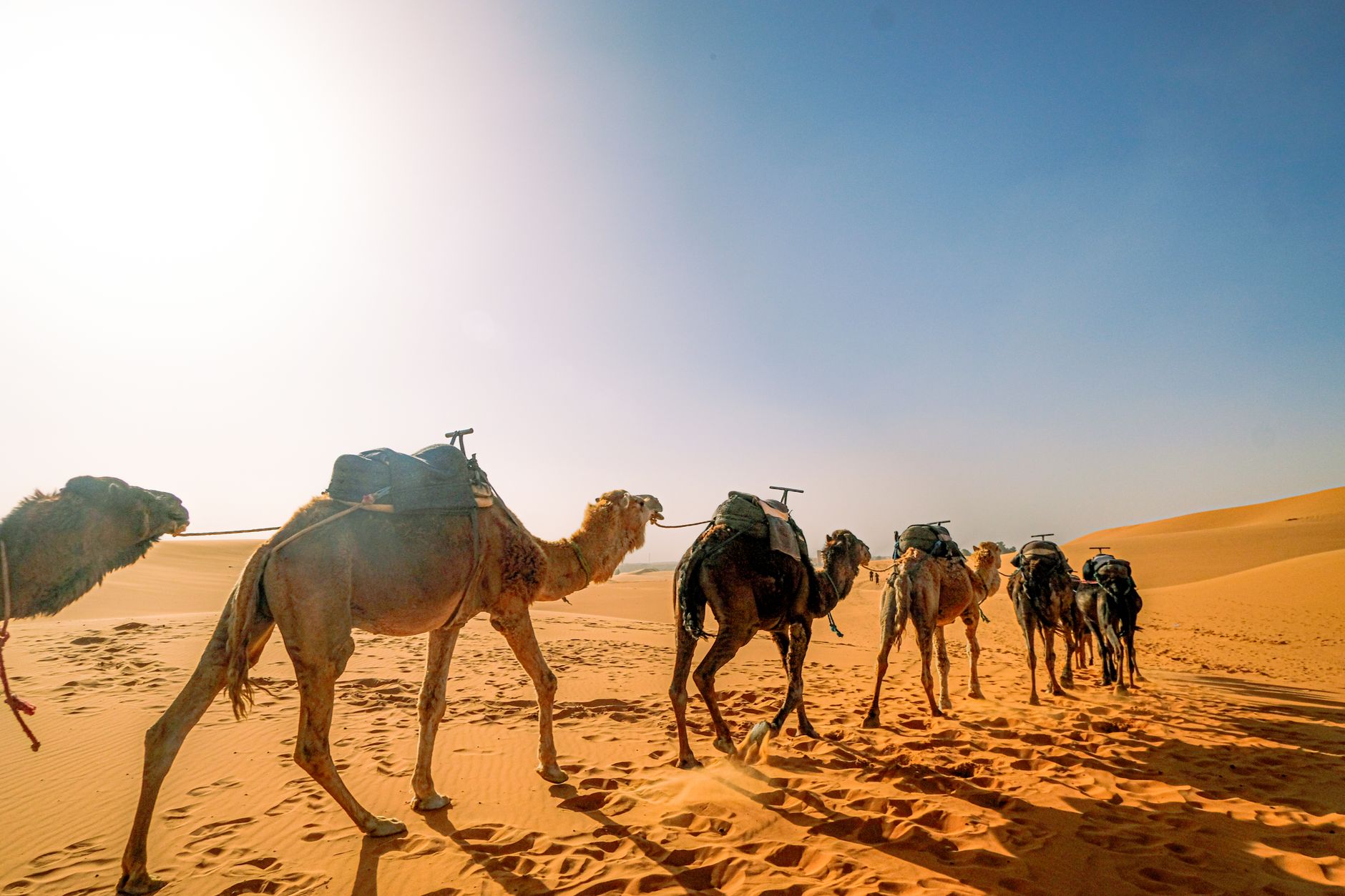
The southern end, from Zagora to M’hamid, remains the more exposed option for travelers willing to negotiate basic guesthouses and unpaved tracks. M’hamid itself sits at the valley’s desert edge, a village that Saharan sand periodically attempts to reclaim, where the last few families operating camel guide businesses will tell you plainly that the desert starts here and does not ask permission. That is not a metaphor. The dunes at Erg Chigaga, accessible from M’hamid, cover enough ground that a two-day camel trek into them places you far enough from any road that the silence has a physical quality – no wind, no engines, no ambient hum. Just the sound of the camel’s feet in the sand and the occasional adjustment of a saddle blanket.
Frequently Asked Questions
How do you get to the Draa Valley from Marrakech?
The most direct route crosses the High Atlas via the Tizi n’Tichka pass to Ouarzazate, then south on the N9 toward Zagora. The drive from Marrakech to Zagora takes roughly six to seven hours without stops.
What is the best time of year to visit the Draa Valley?
October through April offers the most comfortable temperatures. October coincides with the date harvest, adding regional market activity to the journey. Summer heat in the valley regularly exceeds 40 degrees Celsius and makes extended outdoor exploration difficult.