
Where the Sahara Meets the Palm Grove
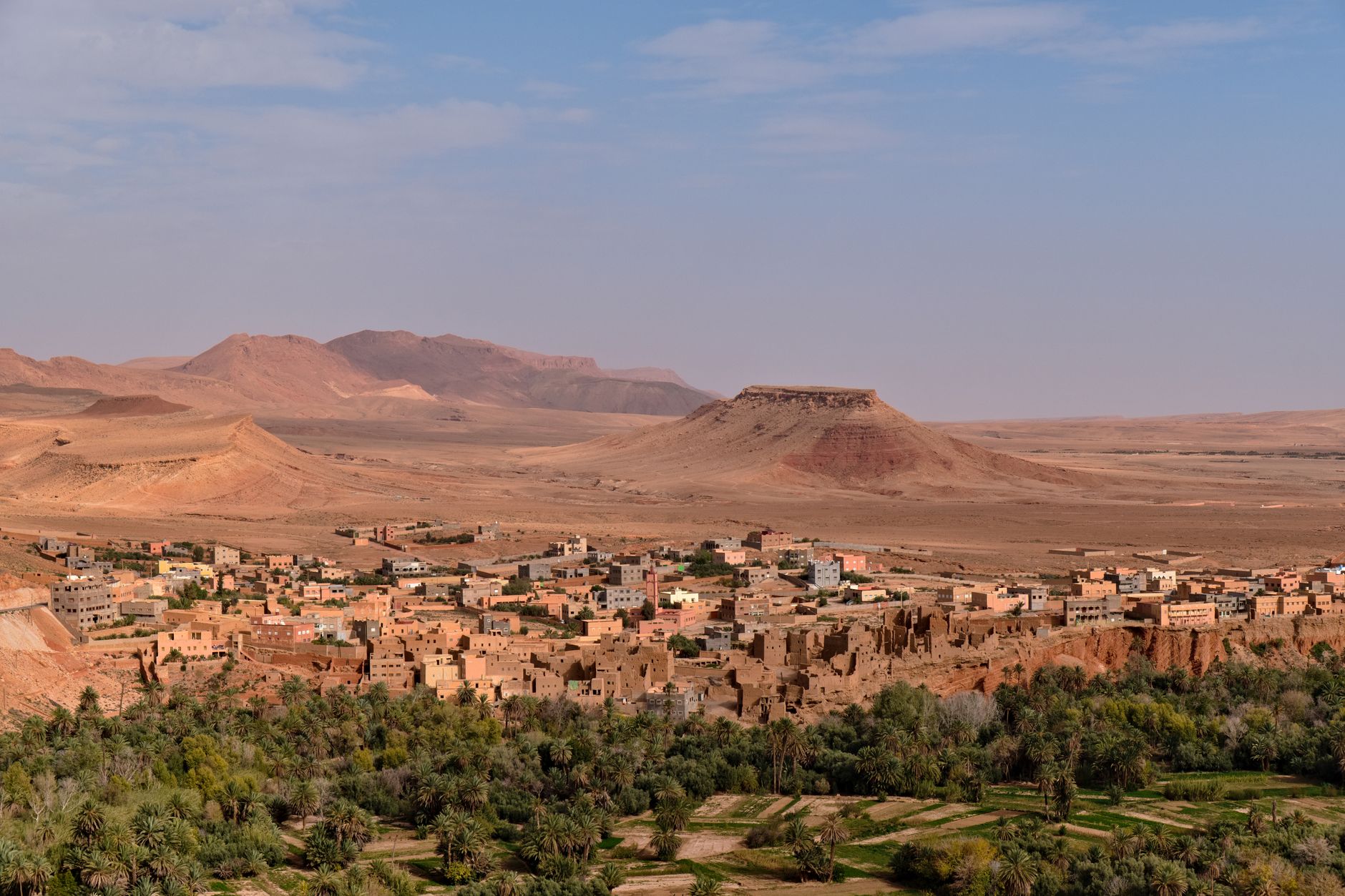
The Draa Valley stretches nearly 200 kilometers south of the High Atlas Mountains, cutting through some of Morocco’s most dramatic terrain before dissolving into the Sahara near the Algerian border. It is a corridor of date palms, mud-brick kasbahs, and ancient caravan routes that once connected sub-Saharan Africa to the Mediterranean world. Most travelers to Morocco never see it. They fly into Marrakech, spend four days in the medina, eat pastilla in a riad courtyard, and leave having experienced roughly ten percent of what this country actually offers.
That gap is closing, slowly.
A growing number of independent travelers are bypassing the pink city entirely – or treating it as a one-night layover – in favor of the south. The Draa Valley, anchored by the market town of Zagora and the spectacular palm oasis of M’hamid el Ghizlane near the desert’s edge, draws people who want something the medinas cannot provide: silence, geological scale, and the kind of landscape that makes you reconsider your sense of distance.
What the Valley Actually Looks Like on the Ground
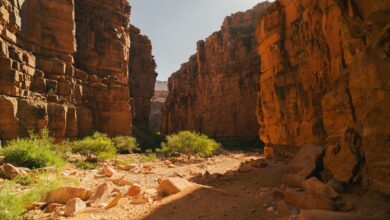
The drive south from Ouarzazate through the Tizi n’Tinifift pass is one of the most underrated road trips in North Africa. The landscape shifts in stages – from the red rock walls of the Jebel Saghro foothills, down into flat plains studded with argan and acacia, then suddenly opening into the valley floor where kilometers of palm groves hug the Draa River. Villages appear at irregular intervals, their walls the same dusty ochre as the earth they rise from, making the whole scene look assembled rather than built.
Zagora itself is a working town with a Wednesday and Sunday souk that serves local Amazigh communities first and tourists as an afterthought. That ordering matters. The market here is not curated for cameras. You will find mule harnesses next to mobile phone cases, dried herbs sold by weight, and vendors who have no particular interest in whether you buy anything. It is a useful corrective after Marrakech’s Djemaa el-Fna, where every transaction comes with a performance attached.
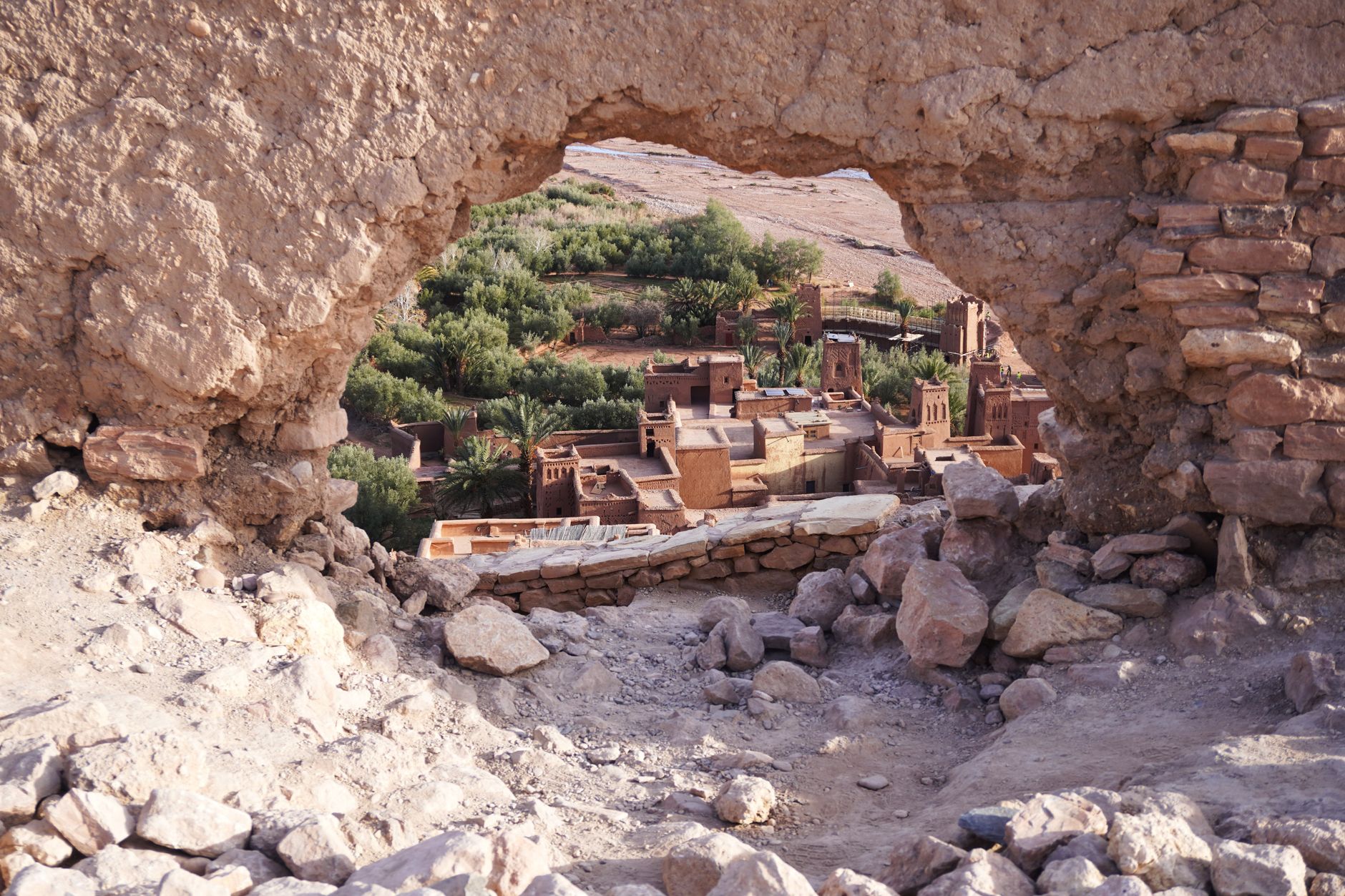
Further south, the village of Tamegroute holds one of Morocco’s oldest libraries, containing illuminated manuscripts written on gazelle skin dating back to the 13th century. The library belongs to the Naciri zawiya, a Sufi religious brotherhood, and is still partially active. Access for visitors is limited and variable depending on the day, but the fact that such a collection exists in a mud-brick village with a population under a thousand tells you something about this valley’s historical weight.
The Case Against Marrakech as a Default
Marrakech is not the problem. The problem is the assumption that Marrakech is Morocco’s representative experience – that a few days in the medina constitutes a proper encounter with the country. The city is extraordinary in its own right, and the souks, palaces, and food stalls of the old quarter deserve every supercilious adjective travelers throw at them. But Morocco’s interior – the ksour towns, the oasis networks, the Saharan approaches – operates on a completely different register, and it rarely gets the same itinerary real estate.
The Draa Valley makes a particularly strong counter-argument because it combines several experiences that travelers typically have to visit separate countries to find. The desert camping near M’hamid is real desert – not the day-trip dunes of Merzouga, which now come with quad bikes and Instagram staging areas, but long, flat hammada plains that transition into genuine erg dunes with almost no tourist infrastructure in sight. Add the river oasis ecology, the surviving fortified granaries called agadirs, and the rock art sites in the nearby Oued Draa basin, and the region starts to feel less like a detour and more like the main event.
Accommodation in the valley ranges from basic guesthouses in Zagora with rooftop terraces and no pretensions, to a handful of carefully designed desert camps near M’hamid that attract a quieter, more self-directed kind of traveler. None of them market themselves aggressively. Finding them usually requires asking locally or using platforms that specialize in off-grid stays rather than mainstream booking sites.
Logistics, Timing, and the One Thing Most Guides Get Wrong
The most common mistake travelers make with the Draa Valley is treating it as a two-day add-on to a Marrakech itinerary. The drive from Marrakech to M’hamid is roughly seven hours under good conditions. You cannot absorb the valley’s rhythm in 48 hours. Four to five nights is the minimum for the region to start making sense – one night in or near Zagora, a day along the valley floor stopping at kasbahs and the Tamegroute library, then two nights at the desert edge near M’hamid with a half-day walk into the dunes at dawn.
Spring (March to May) and autumn (September to November) are the workable windows. Summer temperatures in the valley regularly exceed 45 degrees Celsius, which is not romantic desert heat – it is a medical concern. Winter nights near M’hamid drop sharply, and while days remain clear and walkable, some of the smaller guesthouses close entirely in January and February. The shoulder months hit the sweet spot: warm enough for open-air dining on rooftop terraces, cool enough to actually walk through the palm groves for more than twenty minutes.
For travelers who have already taken their time with another overlooked North African corridor – or who are building a larger overland journey – the Draa Valley connects logically to the Dades Gorge and Todra Gorge to the northeast, making it possible to design a southern Moroccan loop that avoids the imperial cities almost entirely. That itinerary will not appeal to everyone. But for the specific traveler who books a flight because a photo of a kasbah at dusk stopped them mid-scroll, it makes more sense than anything Marrakech’s airport transfer desk is going to suggest.
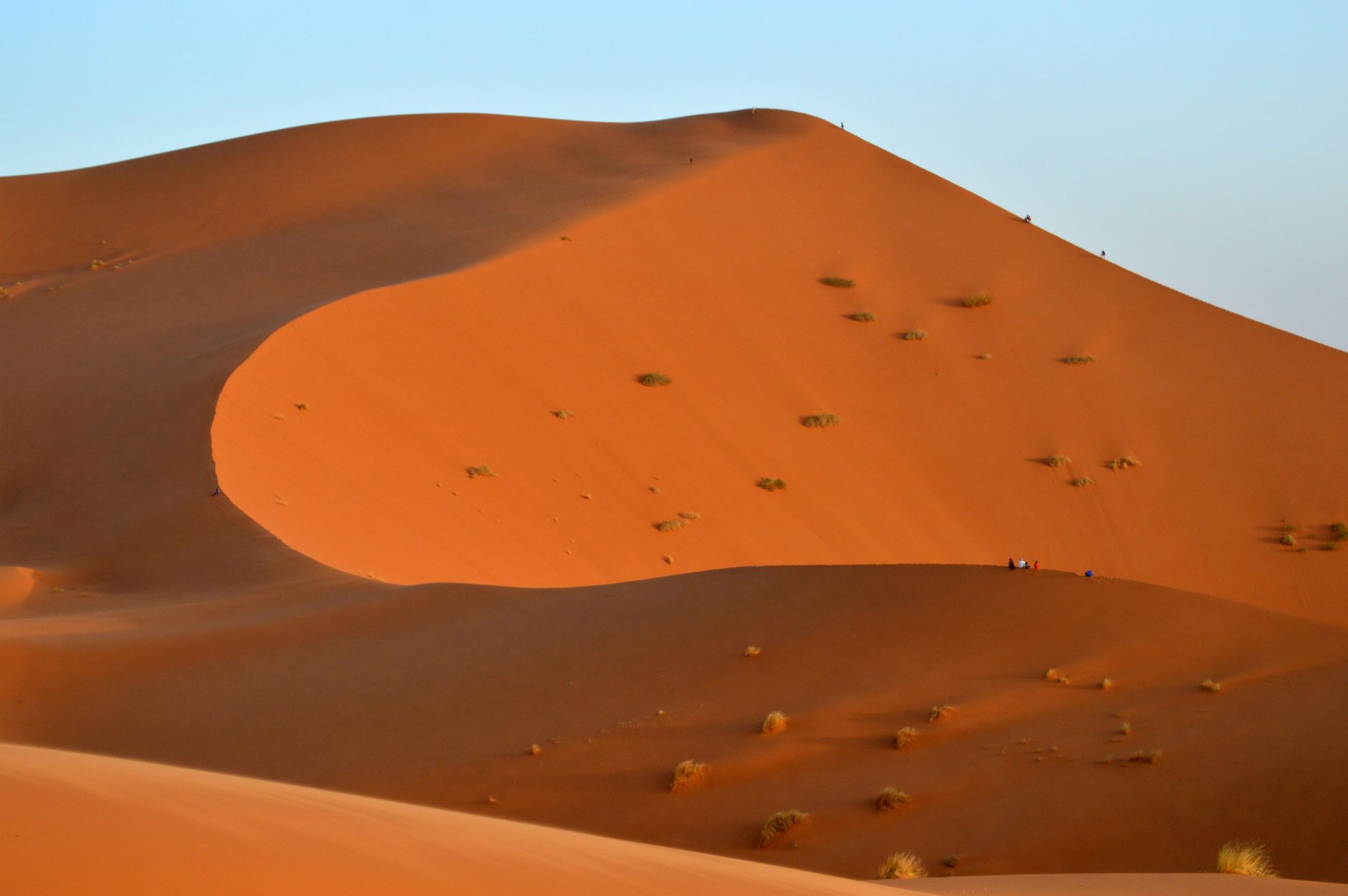
The date palms in the Draa oasis number somewhere in the hundreds of thousands, and locals will tell you the valley once supplied much of North Africa’s date trade. That industry is quieter now, the caravan economy long gone, but the palms remain – dense, green, incongruous against the surrounding rock and sand – and at ground level, standing between the irrigation channels with no one else around, the silence has an almost physical weight to it.