Morocco’s Souss-Massa Reserve Quietly Rivals Agadir for Flamingo Wanderers

Where the Flamingos Go When Nobody’s Watching
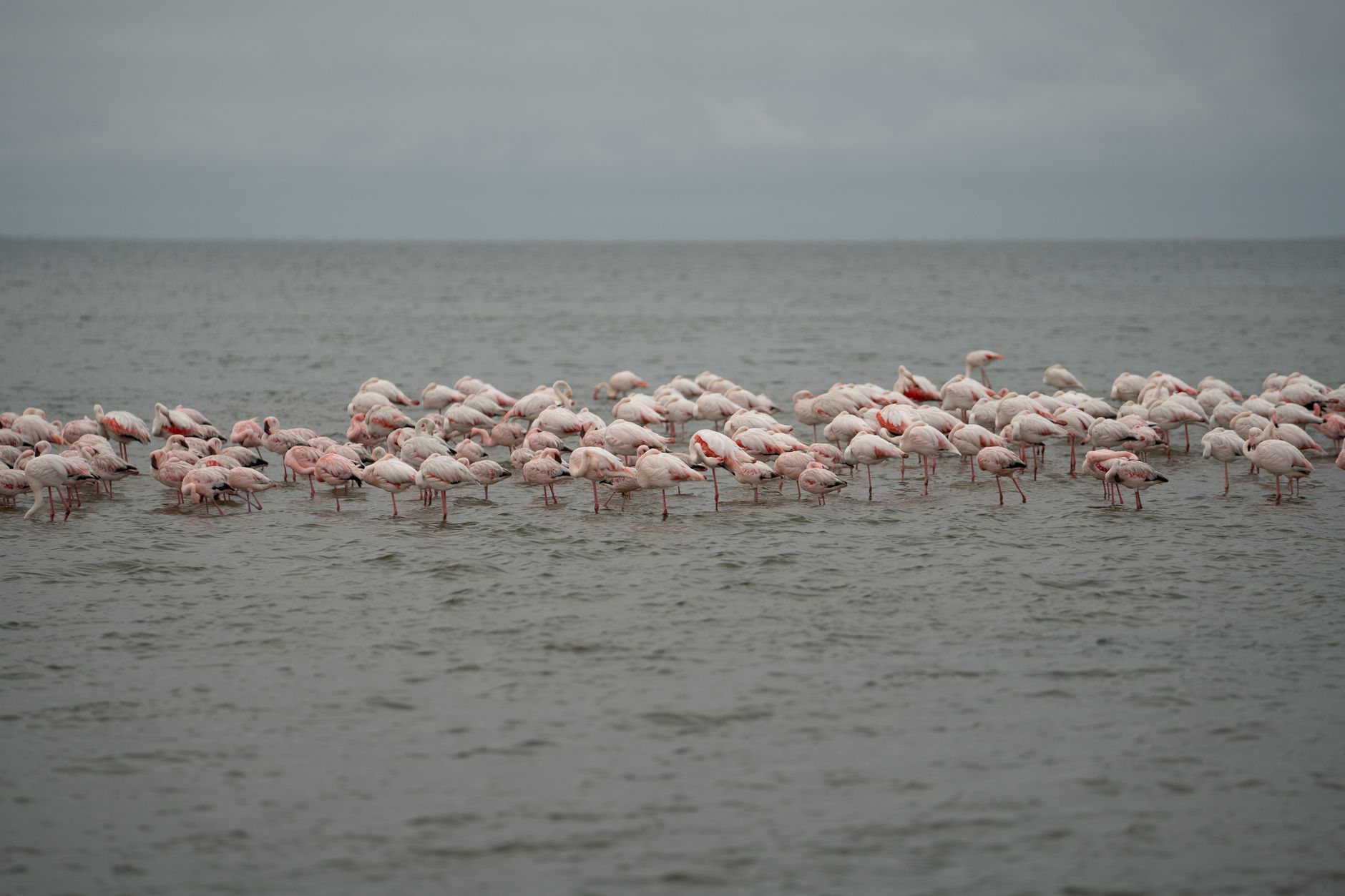
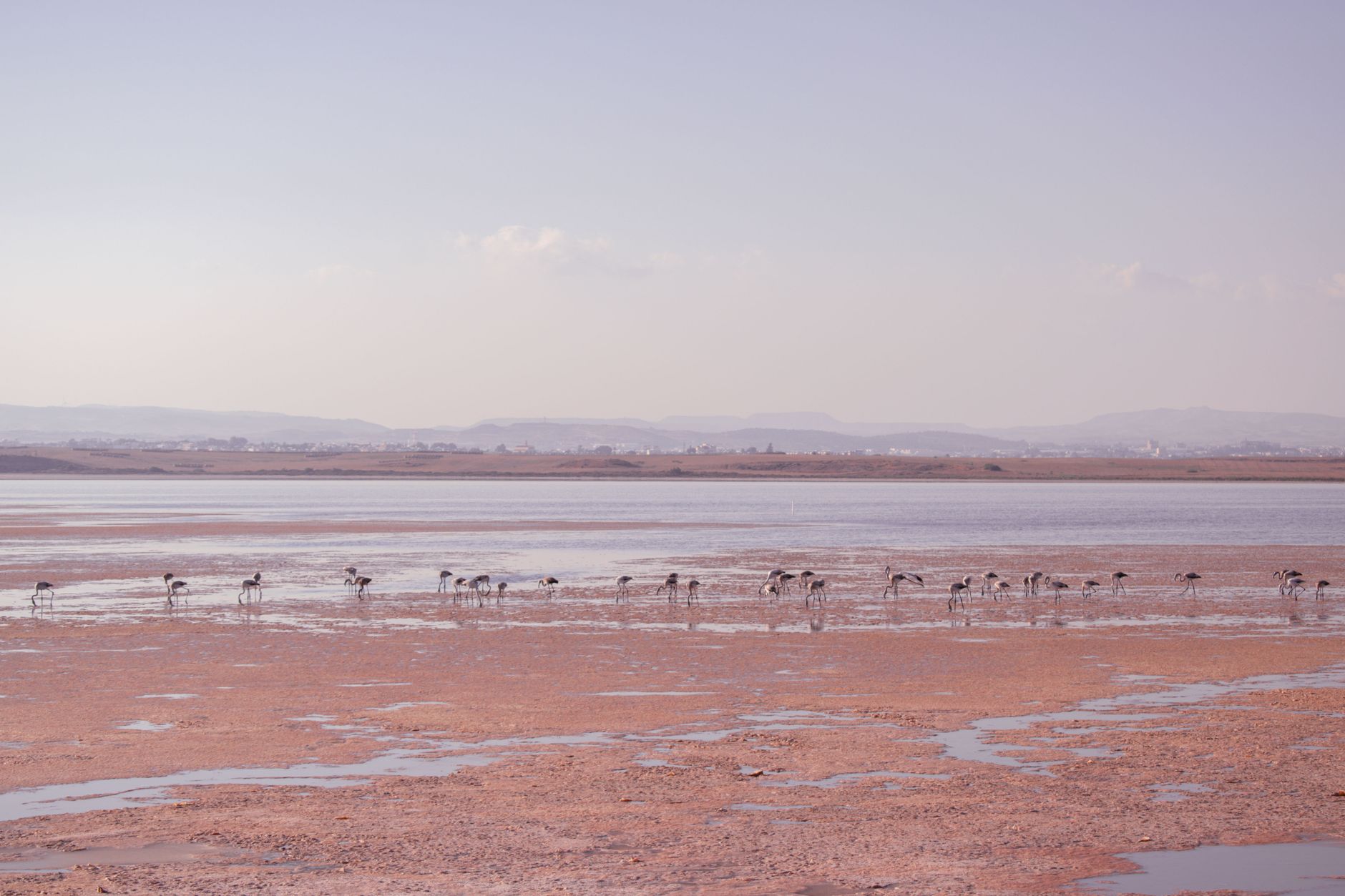
Most visitors to southern Morocco book Agadir for its beaches and sunsets, tick off the tourist circuit, and fly home without ever learning that a nationally protected wetland sits roughly 40 kilometers down the coast. Souss-Massa National Park stretches across more than 33,000 hectares of Atlantic coastline, river estuary, and arid scrubland – and it quietly hosts one of the most reliable flamingo sightings in North Africa. Not just a handful of birds, either. During peak season, the Oued Massa estuary fills with hundreds of greater flamingos wading through shallow brackish channels, their pink plumage catching the low Moroccan light in ways that photographs struggle to do justice.
The park has been a protected area since 1991, originally designated to safeguard the bald ibis, a critically endangered species that nests in the sea cliffs along this stretch of coast. The flamingos essentially came with the deal – drawn by the same undisturbed estuary conditions that make the site valuable for all migratory and resident waterbirds. Yet travel infrastructure around Souss-Massa remains thin enough that Agadir’s resort strip, less than an hour away, continues to absorb almost all the regional visitor traffic.
Reading the Estuary: When to Go and What to Expect
Flamingo numbers at Oued Massa fluctuate significantly with the season and with broader conditions across the region’s wetland network. The strongest concentrations tend to appear between October and March, when the estuary holds enough standing water to support the algae and invertebrates that flamingos filter from the shallows. Spring visits can still yield impressive sightings, particularly after wet winters that keep water levels high into April. Summer draws the crowds thinner – both flamingo and human.
The estuary itself is best approached from the village of Massa, a small agricultural community where a handful of local guides work the edge of the park. Birding is genuinely self-guided along the main track that follows the riverbank toward the sea, but a guide adds context that a field app cannot – specifically, knowledge of which channels are holding birds on any given morning. Flamingos shift position within the estuary depending on tide and disturbance, and an hour spent walking toward an empty flat when the birds are concentrated half a kilometer south is a frustration a local guide eliminates immediately.
The park’s wider bird list numbers well over 260 species, which means a morning at Souss-Massa can layer multiple sightings: marsh harriers hunting low over the reed beds, black-winged stilts picking through the mud, and the occasional Audouin’s gull resting on a sandbar. The bald ibis colony, the whole reason the park exists, nests in sea cliffs near Tamri to the north – a separate excursion worth building into any visit of more than one day.
Early morning is not optional here. By mid-morning, the Atlantic wind picks up along this coast, the light flattens, and the flamingos tend to move to less accessible sections of the estuary. Arriving at the Massa access point before 7:30 a.m. is the practical rule for serious sightings. That means either staying in Massa village itself – basic guesthouses exist – or committing to an early departure from Agadir, which is entirely achievable as a day trip if the itinerary is tight.
Getting There Without a Tour Package
Independent access to Souss-Massa is straightforward, though rarely discussed in mainstream Morocco travel guides that default to organized excursions departing from Agadir. The N1 coastal road south from Agadir passes through Inezgane and continues toward Tiznit – the turnoff toward Massa village is clearly marked. By rental car, the drive runs about 50 minutes from central Agadir. Grand taxis from Inezgane also serve Massa, making the park accessible without a vehicle for travelers willing to coordinate around the shared taxi schedule.
Park entry fees are low by international conservation standards, and the infrastructure inside – marked trails, information boards in French and Arabic, a small visitor center near the entrance – reflects a functional operation that doesn’t court international eco-tourism aggressively. That absence of marketing machinery is, paradoxically, part of the appeal. There are no glamping tents with flamingo-view decks. There is no curated sunrise experience with optional breakfast basket. Just the estuary, the birds, and however much time you’re willing to give it.
Agadir as a Base, Not a Destination
Agadir has legitimate appeal – a rebuilt city with a functioning beach promenade, solid flight connections from Europe, and a restaurant scene that ranges from coastal seafood to Moroccan classics worth seeking out. The city’s destruction in the 1960 earthquake and its subsequent reconstruction means it lacks the medina atmosphere of Fez or Marrakech, but that same quality makes it an uncomplicated base for exploring the surrounding region. Souss-Massa is the most underused advantage of that position.
Travelers who treat Agadir as a staging point rather than a primary attraction tend to come away with more complete impressions of the region. The Sous valley to the east holds argan forest and market towns. The road south toward Tiznit cuts through Anti-Atlas foothills. And down the coast, the flamingos are doing what they do regardless of whether anyone shows up to watch. A two-night extension from an Agadir beach stay, with one full day at Souss-Massa and one afternoon in Taroudant, covers more ground than most visitors realize is possible.
The practical case for Souss-Massa over Agadir as the focus of a Moroccan coastal trip is essentially a case for prioritizing what you’ll remember over what’s convenient. Beach sunsets are everywhere. A few hundred flamingos standing knee-deep in a tidal estuary, with the Anti-Atlas visible as a haze above the treeline, is a combination that requires this specific piece of coast and no other.
What keeps the reserve from becoming the draw it arguably should be is the same thing that keeps it worth visiting – it asks something of you. There’s no shuttle from the hotel lobby, no ticketed viewing platform with timed entry, no sunset champagne package. The birds set the schedule. Whether that’s an obstacle or the whole point depends entirely on why you booked the trip in the first place.