
Africa’s Least-Crowded Safari Secret
Gorongosa has the marketing machine, the Netflix documentaries, and the conservation celebrity. Niassa Reserve, tucked into Mozambique’s remote northern corner, has something rarer: genuine wilderness at a scale that makes most African parks feel like well-managed gardens.
The Scale Is the Story
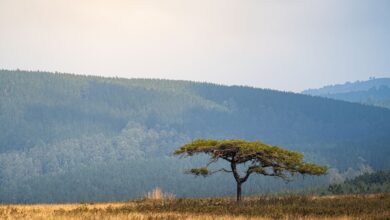
Niassa covers roughly 42,000 square kilometers, making it one of the largest protected areas on the African continent. To put that in context, it is larger than Switzerland. Yet on any given day, the number of tourists moving through it can be counted in the dozens. There are no gift shops at the gate. There is no gate, really – just a shift in the landscape where miombo woodland closes in and the road becomes a suggestion.
The reserve sits in Niassa Province, bordering Tanzania to the north and sharing wildlife corridors with the Selous-Nyerere ecosystem across the border. That connectivity matters enormously. Animals here are not just residents of a bounded park – they move across hundreds of kilometers of linked habitat, behaving in ways that enclosed reserves simply cannot replicate. Elephant herds tracked by researchers have logged migrations of more than 200 kilometers within a single dry season.
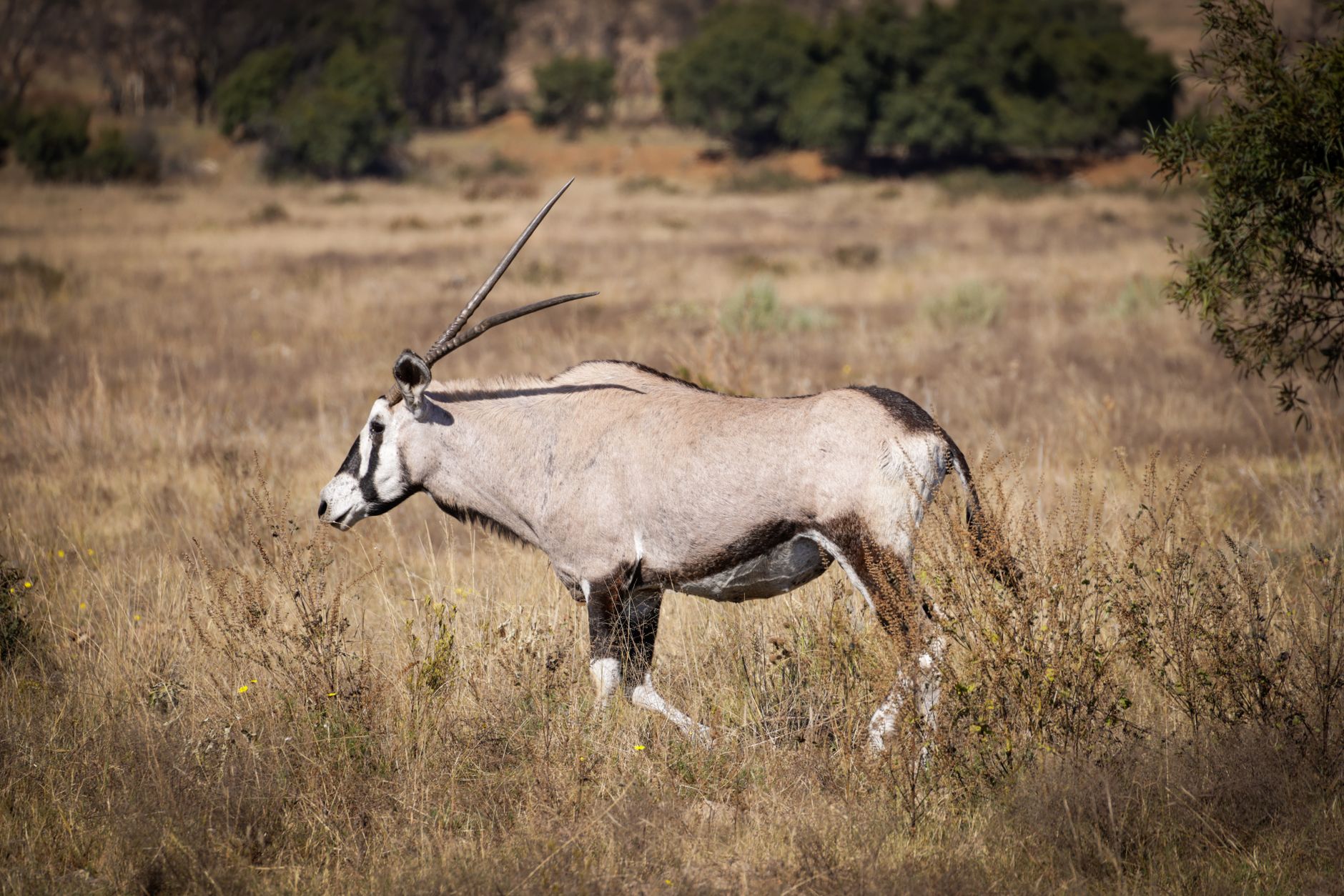
Wildlife numbers took a severe hit during Mozambique’s civil war, and poaching continued to pressure populations well into the 2000s. Recovery has been slow, deliberate, and in many ways still unfinished. Lion populations have stabilized under sustained anti-poaching efforts. Wild dog packs – among Africa’s most endangered large predators – have been documented with increasing frequency in the reserve’s central zones. Sable antelope appear in numbers rarely seen elsewhere. The landscape rewards patience rather than a checklist mentality, which is precisely why most package-tour travelers never book it.
What Niassa lacks in ease of access it compensates for in authenticity. The few camps operating inside the reserve run on small guest limits by design, not regulation. Some accommodate fewer than ten visitors at a time, and walking safaris here cover ground that no vehicle track crosses. Guides operate with a level of field freedom that would be administratively impossible in higher-traffic parks. When a lion moves, you move with it – there is no rotation of a dozen other Land Cruisers to negotiate around.
Getting There Without Losing Your Mind
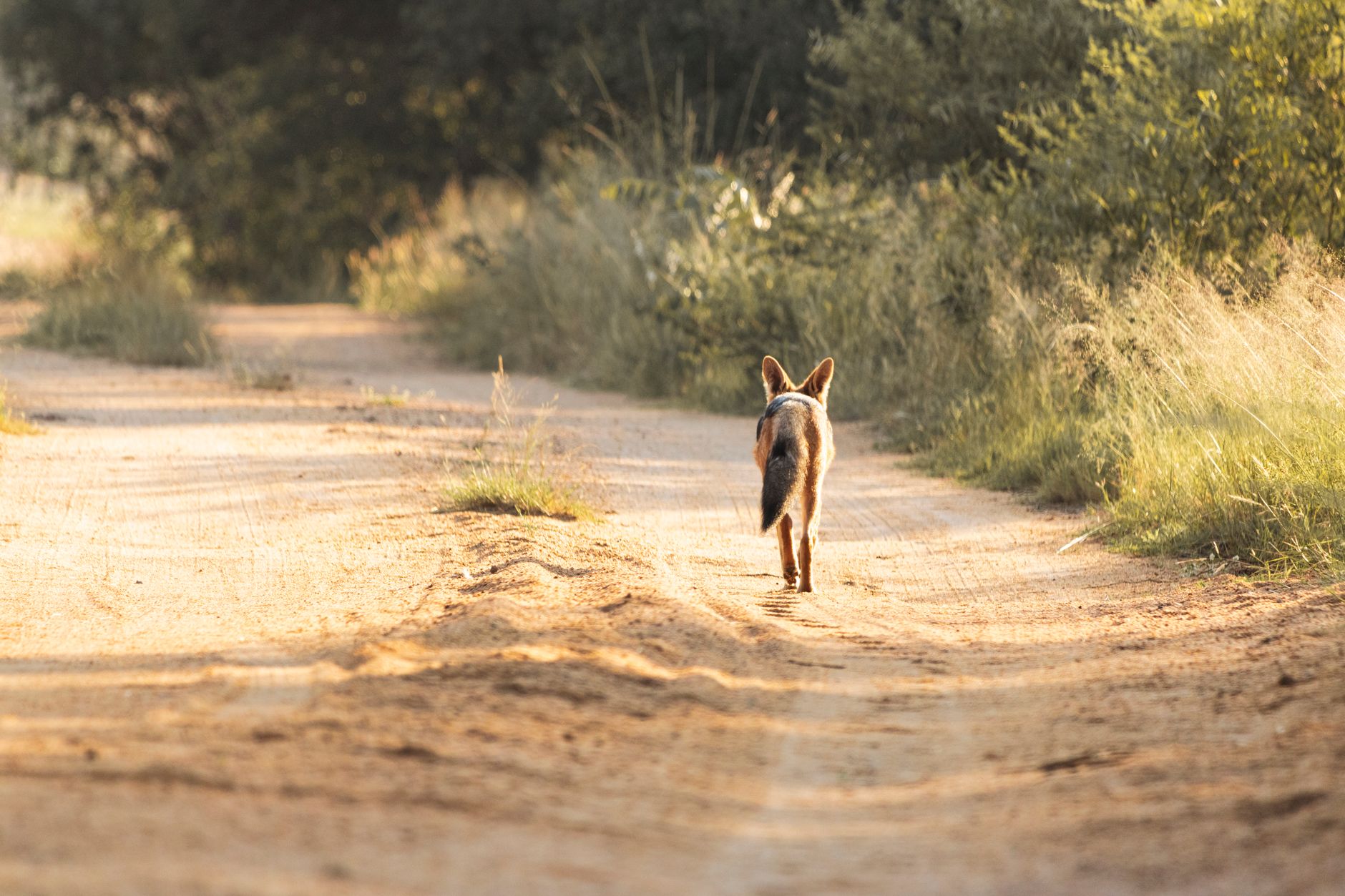
Niassa is not a casual addition to an itinerary. The honest answer to “how do I get there” is: a flight to Maputo, a connecting flight to Lichinga (the provincial capital), and then either a chartered light aircraft to a bush airstrip near your camp or a long drive on roads that satellite maps politely describe as “unpaved.” Most camps coordinate light aircraft transfers directly, and that leg of the journey – low altitude over miombo woodland with no visible infrastructure for 45 minutes – is when the remoteness becomes real.
The dry season, running roughly from May through October, is the standard access window. Water sources concentrate during this period, which pushes wildlife into more predictable zones and makes road travel less of an obstacle course. The green season from November to April brings extraordinary birdlife and lush scenery, but significant stretches of track become impassable and some camps close entirely.
A handful of private concessions operate within the reserve, each covering thousands of hectares of exclusive territory. These concessions fund their own anti-poaching units, which has proven more effective at ground-level protection than centralized government patrols alone. The economics are straightforward: high per-night rates, low visitor numbers, and direct investment in the land. It is an expensive model by any standard, but it has kept portions of Niassa intact while surrounding areas faced pressure.
Community relationships are central to the reserve’s long-term stability. Villages inside and adjacent to Niassa have historically had complicated relationships with conservation, particularly where wildlife movement creates conflict with subsistence agriculture. Several operators now run revenue-sharing arrangements with local communities and employ guides and staff almost exclusively from neighboring villages. The results are not perfect or uniform, but the approach has measurably reduced human-wildlife conflict in certain zones.
Portuguese is the official language of Mozambique, and outside of camp staff, English is rarely spoken in the surrounding region. This is worth noting not as a deterrent but as a calibration – travelers who approach Niassa expecting the infrastructure ease of, say, a Kenyan Mara circuit will find the cultural and logistical gap jarring. Those who arrive prepared for it find that same gap to be the point entirely.
How It Compares to Gorongosa
Gorongosa earned its reputation through one of conservation’s genuine success stories – a park nearly destroyed by war, rebuilt through international partnership and meticulous scientific management. It is accessible, beautifully run, and exceptional. But Gorongosa’s visibility means it now carries the weight of its own fame. Press trips, academic research groups, and eco-travelers with well-curated Instagram aesthetics have made it a known quantity.
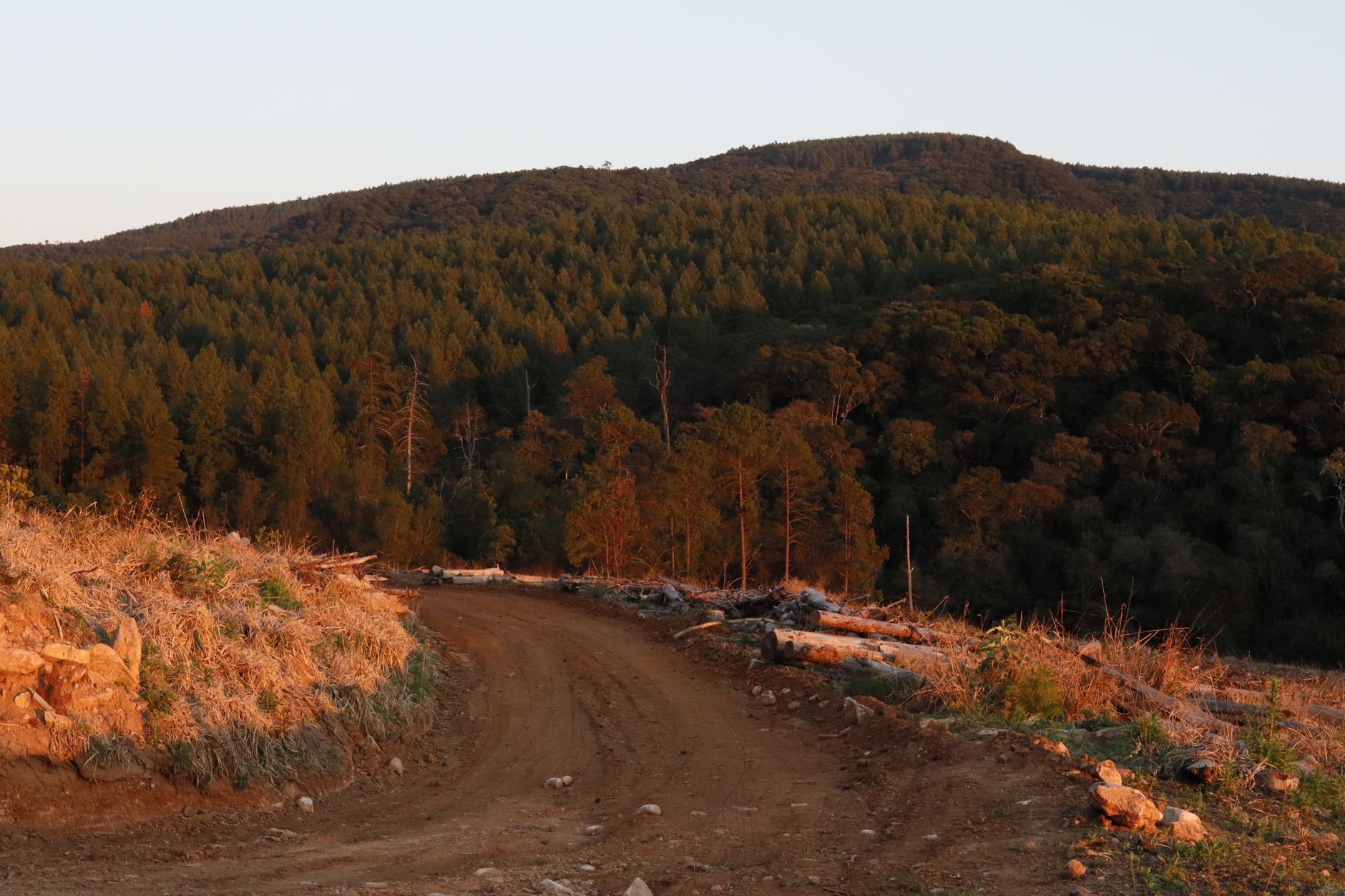
Niassa operates without that narrative infrastructure. There are no landmark documentaries framing what you are about to see. No famous conservationist name attached to the main lodge. What exists is a reserve where a wild dog pack can emerge from the tree line with no audience except whoever happens to be walking there that morning – and right now, that is almost certainly not many people. Whether that remains true once the word gets further out is the only real question worth asking.