Mozambique’s Quirimbas Archipelago Quietly Rivals Zanzibar for Dhow Wanderers

A Different Kind of Indian Ocean
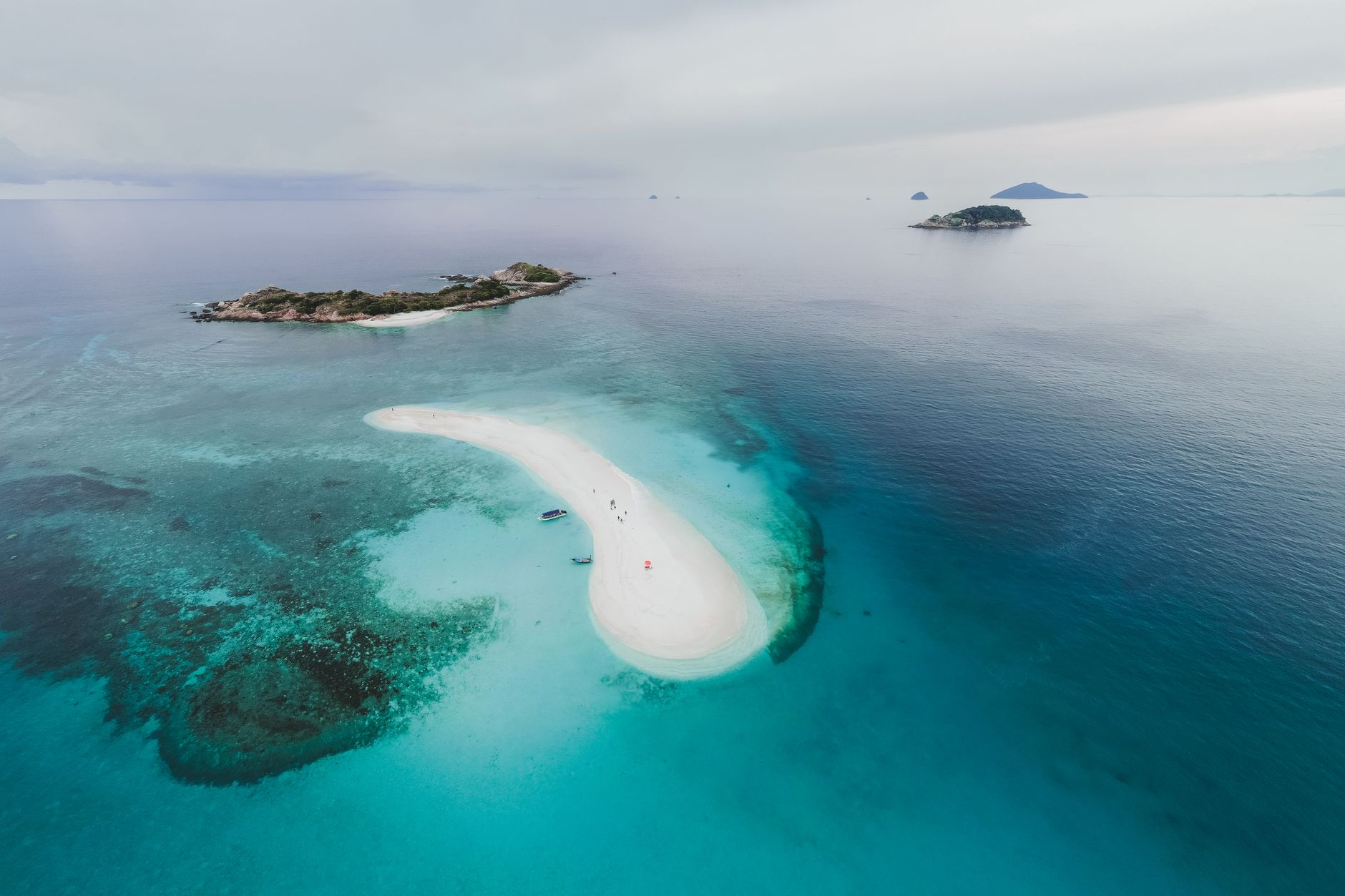
Zanzibar gets the magazine covers, the Instagram reels, and the resort campaigns. But roughly 1,500 kilometers down the East African coast, a string of 32 coral islands sits mostly unbothered by the machinery of mass tourism. The Quirimbas Archipelago, stretched across the northern coast of Mozambique, has spent decades as a footnote – known mainly to dive operators, conservation researchers, and a specific breed of traveler who prefers sailing routes over airport lounges.
What makes the Quirimbas different from its more famous neighbor isn’t just the crowd count. It’s the architecture of the journey itself. Reaching the archipelago typically involves a flight into Pemba, followed by a charter or local boat transfer, and in some cases, a dhow – the traditional lateen-sailed wooden vessel that has connected this coastline to Arabia and India for over a millennium. The friction is part of the appeal. The islands don’t invite the casual visitor. They require intention.
The Dhow as the Point, Not the Transport
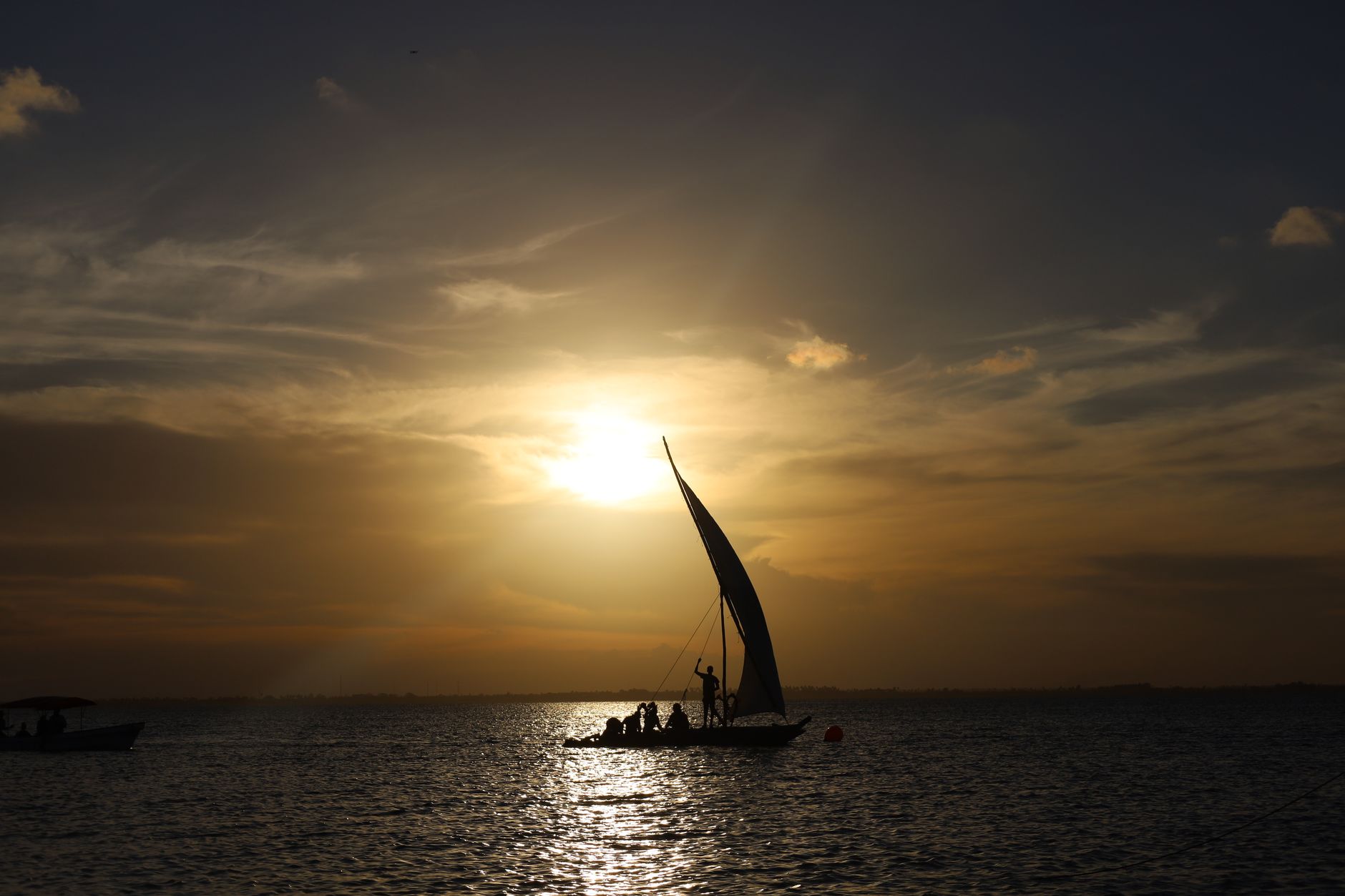
On Zanzibar, dhow sunset cruises are a packaged product – ticketed, timed, photographed from the same spots each evening. In the Quirimbas, dhow travel is still functionally practical for many island communities, which means sharing a vessel with cargo, fish, and locals going about their week is entirely plausible. That context changes the experience completely. The dhow stops being a prop and becomes the actual infrastructure of the place.
Multi-day dhow safaris through the archipelago are offered by a small number of operators, typically sailing between Ibo, Quirimba, Matemo, and Medjumbe islands over four to seven nights. Itineraries are loosely structured around wind and tide, not clocks, which suits the islands’ pace. Passengers sleep aboard or at simple beachside camps, eat what’s been caught or traded that day, and navigate by the same seasonal wind patterns – the kaskazi from the north, the kusi from the south – that Arab traders mapped centuries before GPS.
Ibo Island is the archipelago’s historical anchor. Portuguese colonial buildings, some half-collapsed, line its lanes alongside a fort that dates to the early 18th century. Silver craftsmen still work there, producing jewelry using techniques passed down through families rather than trade schools. Walking Ibo’s streets feels less like a heritage tour and more like wandering into an ongoing story that hasn’t finished yet.
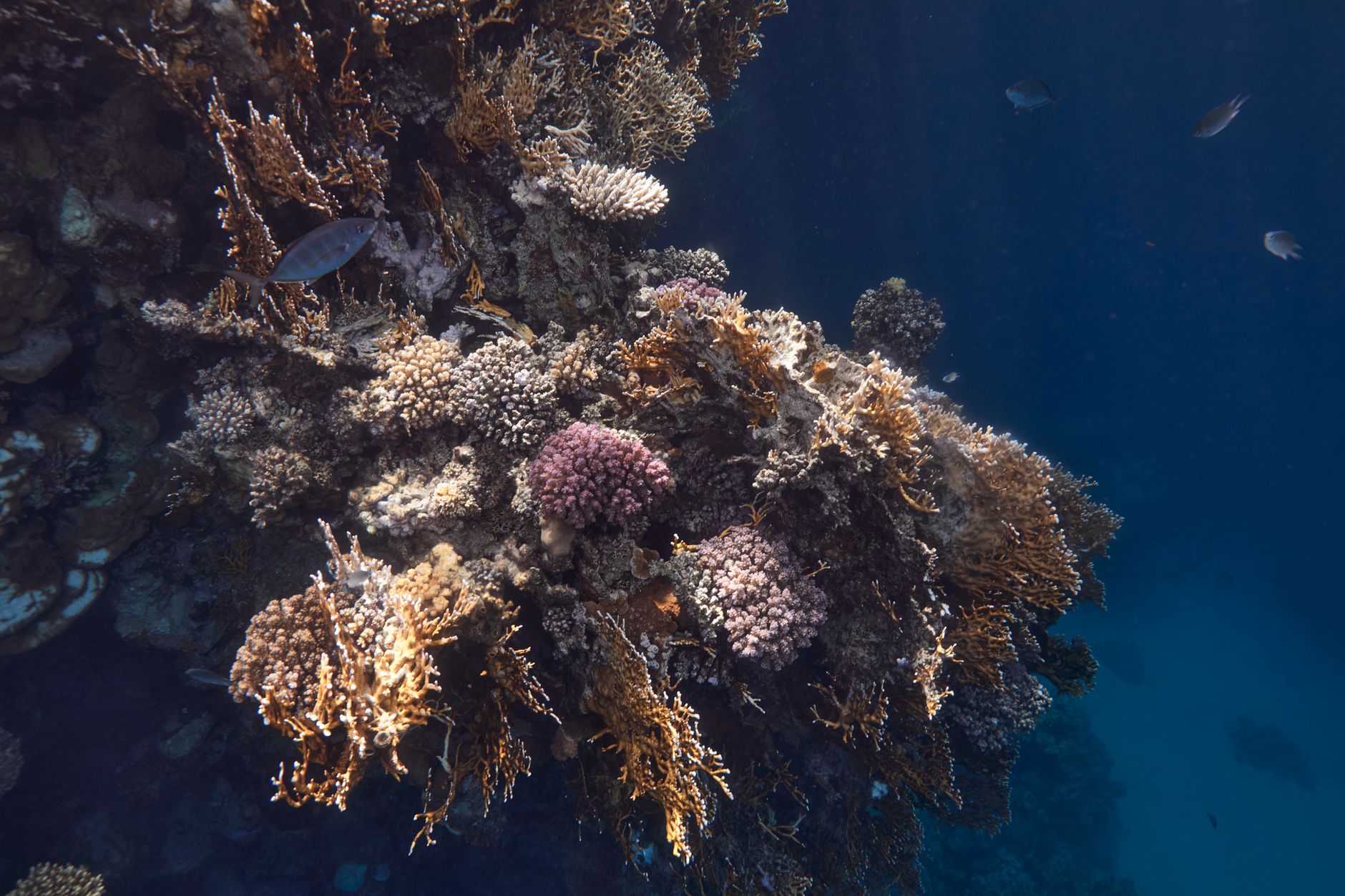
The marine environment through which these dhows sail is among the least disturbed along the East African coast. The Quirimbas National Park, established in 2002, covers both marine and terrestrial zones across roughly 7,500 square kilometers. Dugongs, an increasingly rare sighting across most of the Indian Ocean, still feed in the seagrass beds here. Whale sharks pass through seasonally. The coral systems, while affected by cyclone damage and bleaching events in recent years, remain substantially intact compared to heavily visited reef zones elsewhere in the region.
Who Actually Goes, and How
The traveler drawn to the Quirimbas tends to arrive with some prior experience of East Africa – someone who has done Zanzibar or the Seychelles and is searching for what comes after the polished version. There’s also a growing current of conservation-minded visitors, drawn specifically by the marine park status and the relative scarcity of reef pressure. Neither group is large, which is precisely why the archipelago functions the way it does.
Accommodation runs from the ultra-luxe – a handful of private island lodges charge rates that rival any property in the Indian Ocean – to genuinely basic guesthouses on Ibo that cost a fraction of that and require no advance booking. This range is unusual. Most remote archipelagos gravitate toward one end of the market or the other. The Quirimbas has maintained both, partly because access is difficult enough to deter volume tourism regardless of price point.
Getting There Without the Headache
Pemba is the practical gateway, accessible by air from Maputo and occasionally via connections through Dar es Salaam. From Pemba, charter flights reach the more remote islands in under an hour, while boat transfers to closer islands like Ibo take roughly two hours by speedboat. The Mozambican visa process has become more accessible in recent years, with e-visa options available for many nationalities, though lead times can vary.
The best sailing season runs roughly from May through October, when the kusi wind blows steadily from the south and seas are calm enough for comfortable dhow travel. The cyclone season, November through April, brings risks that are not trivial – Mozambique has been hit by severe storms in recent years, and northern operators scale back significantly during this window. The shoulder months of April and November offer a gamble: lower rates, thinner crowds, and weather that can swing either way.
Currency and connectivity both require planning. The Mozambican metical is not easily sourced outside the country, and ATMs in Pemba are functional but not always reliable. Many island lodges operate on a cash or pre-payment basis. Cell coverage drops off sharply once you’re out on the water, which – depending on your relationship with your phone – is either a warning or the whole point of going.
What the Archipelago Is Still Protecting
The Quirimbas has avoided Zanzibar’s trajectory partly by accident and partly by geography. Mozambique’s long civil conflict, which ended in 1992, effectively paused large-scale tourism development during the decades when the rest of East Africa was building its infrastructure. The poverty that followed created barriers to entry that luxury tourism only partially bridged. The north of the country remains underdeveloped relative to the south, and the insurgency activity that has affected Cabo Delgado province in recent years – centered inland and south of the archipelago – has kept a cautious cloud over the region for international tour operators, even as the islands themselves remain separate from those events.
That caution is worth tracking. Travel advisories from several governments have flagged Cabo Delgado province as elevated risk since the late 2010s, and while the island communities of the Quirimbas are geographically distinct from the areas of conflict, the provincial classification creates hesitation in travelers and sometimes in airlines. Some operators have seen booking volumes affected despite running without incident. The question of whether that perception gap ever fully closes – or whether it keeps the archipelago exactly as unhurried as it currently is – has no clean answer.