Mozambique’s Quirimbas Archipelago Quietly Rivals Zanzibar for Dhow Wanderers

The Archipelago That Zanzibar’s Crowds Don’t Know About
Zanzibar gets the postcards, the honeymoon packages, and the Instagram reels. It also gets the resort strips, the souvenir markets, and the charter flights full of travelers who booked based on a friend’s recommendation from three years ago. Meanwhile, roughly 1,400 kilometers south along Africa’s Indian Ocean coastline, the Quirimbas Archipelago sits largely unbothered – a scatter of 32 coral islands off the northern tip of Mozambique, where the dhow is still a working vessel and the concept of a “high season rush” hasn’t quite arrived yet.
For travelers who judge a destination by how hard it is to find a quiet stretch of sand before 10 a.m., Quirimbas is winning.
The archipelago stretches along the coast of Cabo Delgado province, running roughly 100 kilometers from Pemba north toward the Tanzanian border. About 11 of the islands are inhabited, mostly by Swahili-speaking communities who have been building boats and navigating these waters for centuries. The rest are mangrove thickets, sandbanks, and reef flats that surface and disappear with the tides. Most visitors never see more than two or three islands during a single trip – which, depending on how you approach it, is either a logistical limitation or the entire point.
Getting There, and Why It Keeps the Crowds Out
Access to the Quirimbas is not designed for spontaneity. The standard entry point is Pemba, served by domestic flights from Maputo and occasionally from Dar es Salaam. From Pemba, reaching the islands means either arranging a boat transfer, chartering a small aircraft to the few airstrips that exist within the archipelago, or – for the adventurous and unhurried – negotiating passage on a local dhow. That last option is exactly as unpredictable and rewarding as it sounds. Schedules depend on wind, tide, cargo, and a captain’s general mood. Travelers who arrive expecting airport precision leave frustrated. Those who arrive expecting a negotiation conducted over sweet tea tend to do fine.
The island of Ibo is the most historically significant and the most visited within the archipelago, which still doesn’t mean it’s crowded. Its 18th-century Portuguese fort, three Catholic churches in various states of decay, and narrow coral-stone alleyways put it in a category closer to Stone Town in Zanzibar – except that Ibo’s population is a fraction of the size and the tourist infrastructure is deliberately thin. A handful of small guesthouses and one or two restored colonial-era properties handle most visitors. The silversmith workshops near the waterfront have been operating for generations, and the craftsmen there aren’t performing for cameras – they’re filling orders.
Medjumbe, Quilalea, and Matemo are among the islands that host private lodge properties, some of them genuinely remote enough that the lodge’s boat is the only reliable way in or out. That isolation pushes prices up sharply for resort-style stays, but it also means the house reef off your veranda is unlikely to have another snorkeler on it at any given moment. For travelers willing to trade convenience for quiet, that calculation makes sense.
What the Water Actually Offers
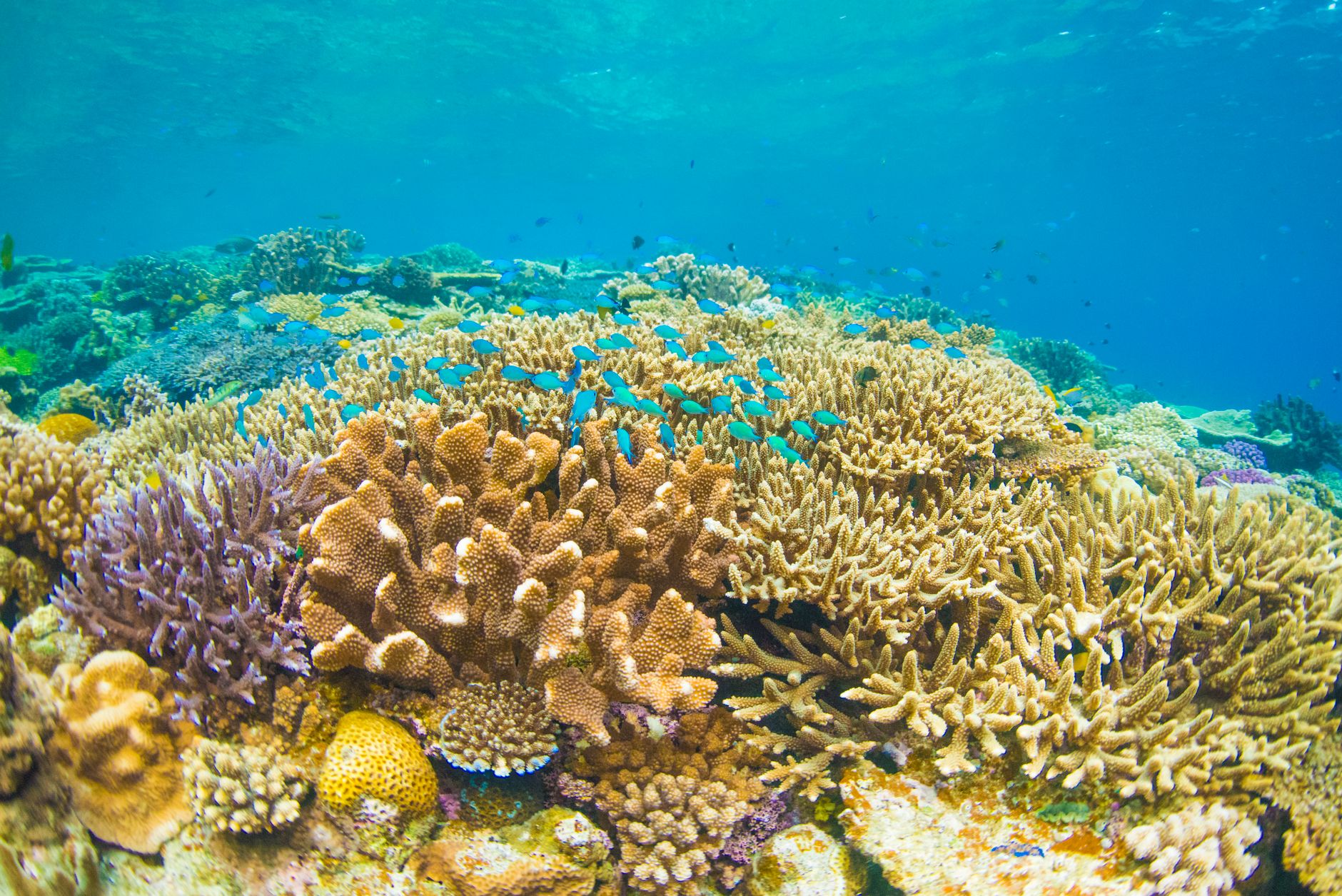
The Quirimbas sits within the Western Indian Ocean’s broader coral reef system, and the marine environment here is in noticeably better condition than in many comparable destinations. The relative inaccessibility of the archipelago has functioned as accidental conservation – fewer boats, fewer divers, fewer anchors dragged across reef structures. The Quirimbas National Park, established in 2002, covers both the marine and terrestrial zones across the northern portion of the archipelago, adding a formal layer of protection on top of the practical one provided by geography.
Dive sites around islands like Quilalea and Medjumbe offer walls, channels, and coral gardens that hold healthy fish populations – grouper, napoleon wrasse, schools of snapper moving in formation. Whale sharks pass through on seasonal circuits, and humpback whale sightings are routine between July and October as the whales move north along the coast. The tidal flats between islands are productive feeding grounds for green and hawksbill turtles. None of this requires a guided expedition or a special permit – just a willingness to be in the water at the right time.
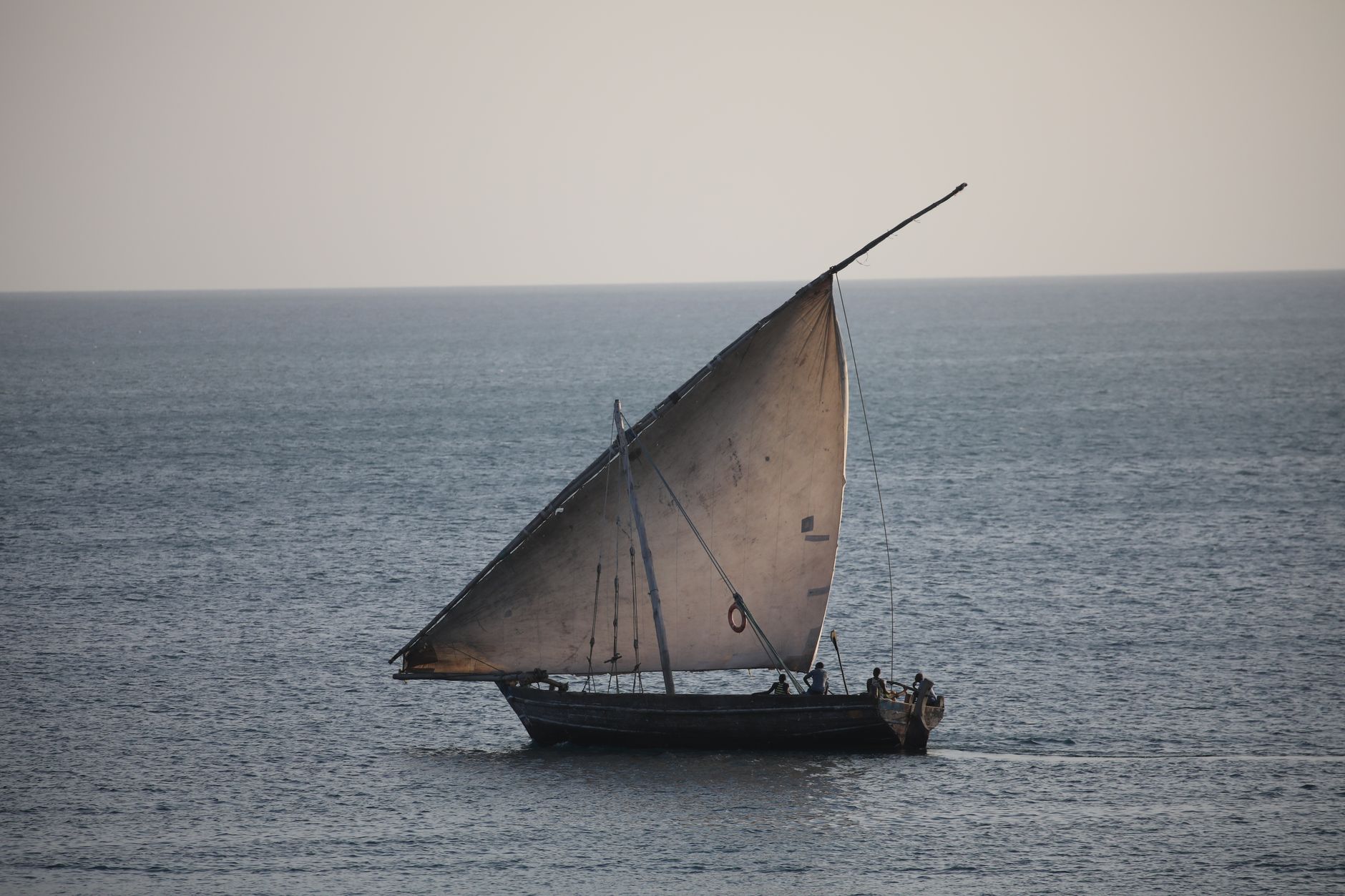
Dhow sailing between islands is the activity that defines the Quirimbas experience for most travelers who do it once and immediately want to do it again. These aren’t tourist dhows with safety briefings and life jackets in branded colors. They’re wooden vessels with lateen rigs, crewed by people who have read these particular tides since childhood. The wind patterns between the islands shift depending on the season – the northeast monsoon runs roughly November through March, the southeast monsoon from May through October – and experienced crews navigate accordingly. A multi-day sailing itinerary threading through several islands, anchoring in protected bays at night, covers the kind of distance that no resort shuttle would bother with.
Who This Trip Is Actually For
The Quirimbas does not reward travelers looking for ease. Power outages are routine on the inhabited islands. Fresh water is a managed resource. The security situation in Cabo Delgado province has been volatile in recent years due to insurgent activity in the north, and any trip planning must include a current assessment of conditions – the archipelago’s southern islands have remained largely unaffected, but the situation warrants attention before booking. Ibo and the more southerly islands are where most responsible operators currently focus. That complexity aside, travelers who make it here tend to describe the experience in terms that Zanzibar stopped earning sometime around 2015 – uncrowded reefs, genuine hospitality without transaction fatigue, and the particular satisfaction of being somewhere that required actual effort to reach.
The question the Quirimbas keeps raising is whether that effort will remain the barrier it currently is. Lodge operators in the archipelago are quietly expanding capacity, and travel media attention has been building steadily. The window between “undiscovered” and “discovered-but-still-manageable” tends to be shorter than travelers expect – and the dhow captains of Ibo, who have watched foreign interest come and go across centuries, probably have a clearer sense of the timeline than anyone booking a flight to Pemba right now does.