
A Lake That Moves
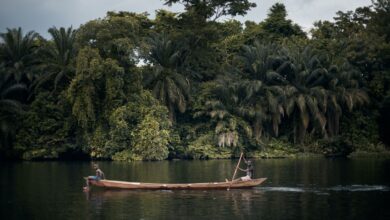
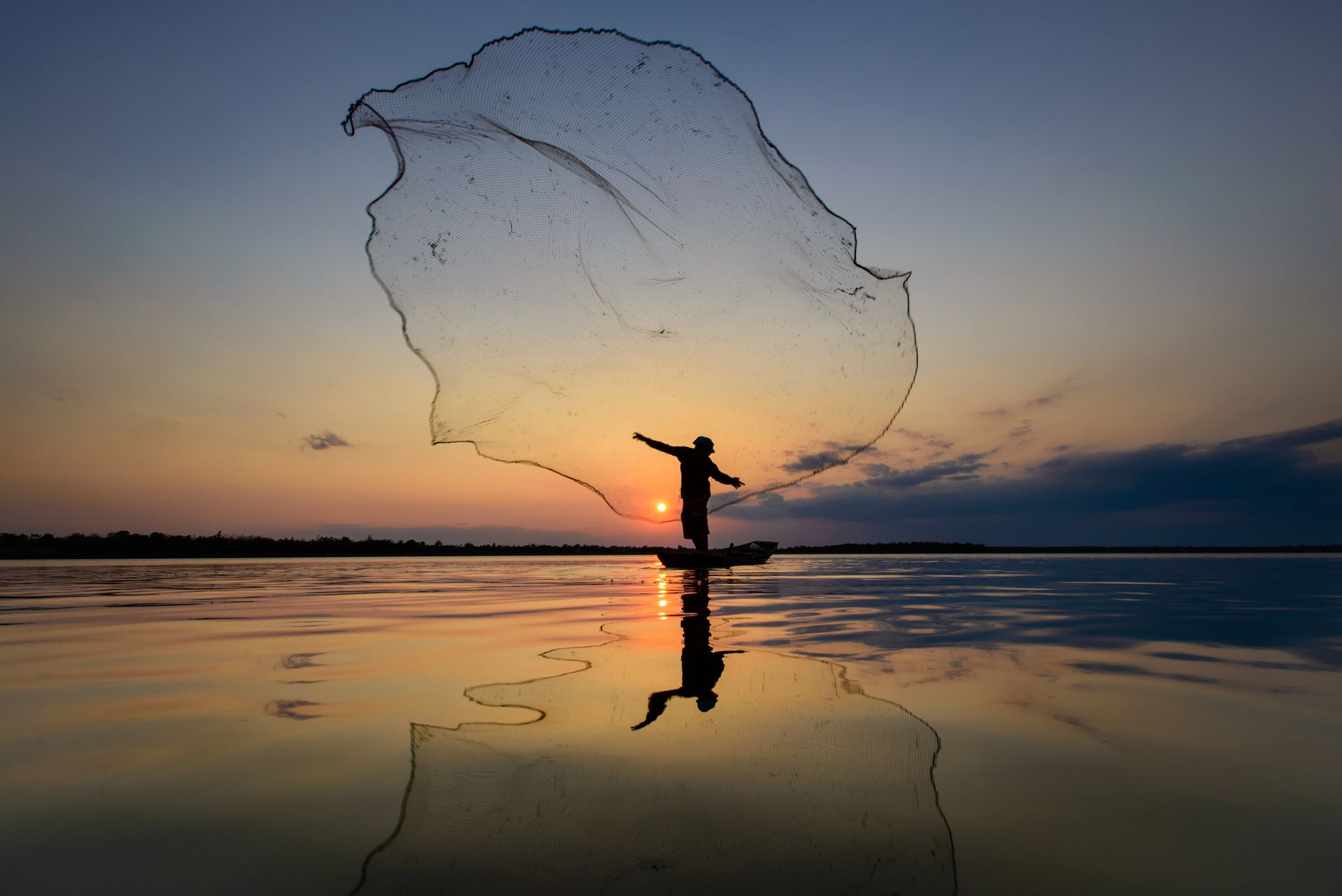
Bagan gets the postcards. The hot air balloons, the temple silhouettes at sunrise, the Instagram accounts built around a single golden hour – Myanmar’s ancient plain has spent decades collecting the attention of serious travelers. But about 500 kilometers to the south, spread across the Shan Hills at an elevation of roughly 880 meters, Inle Lake has been quietly doing something Bagan cannot: it moves. The water shifts. The villages float. The fishermen balance on one leg at the stern of their wooden boats, rowing with the other, a technique so specific to this lake that it looks like performance art and turns out to be pure function.
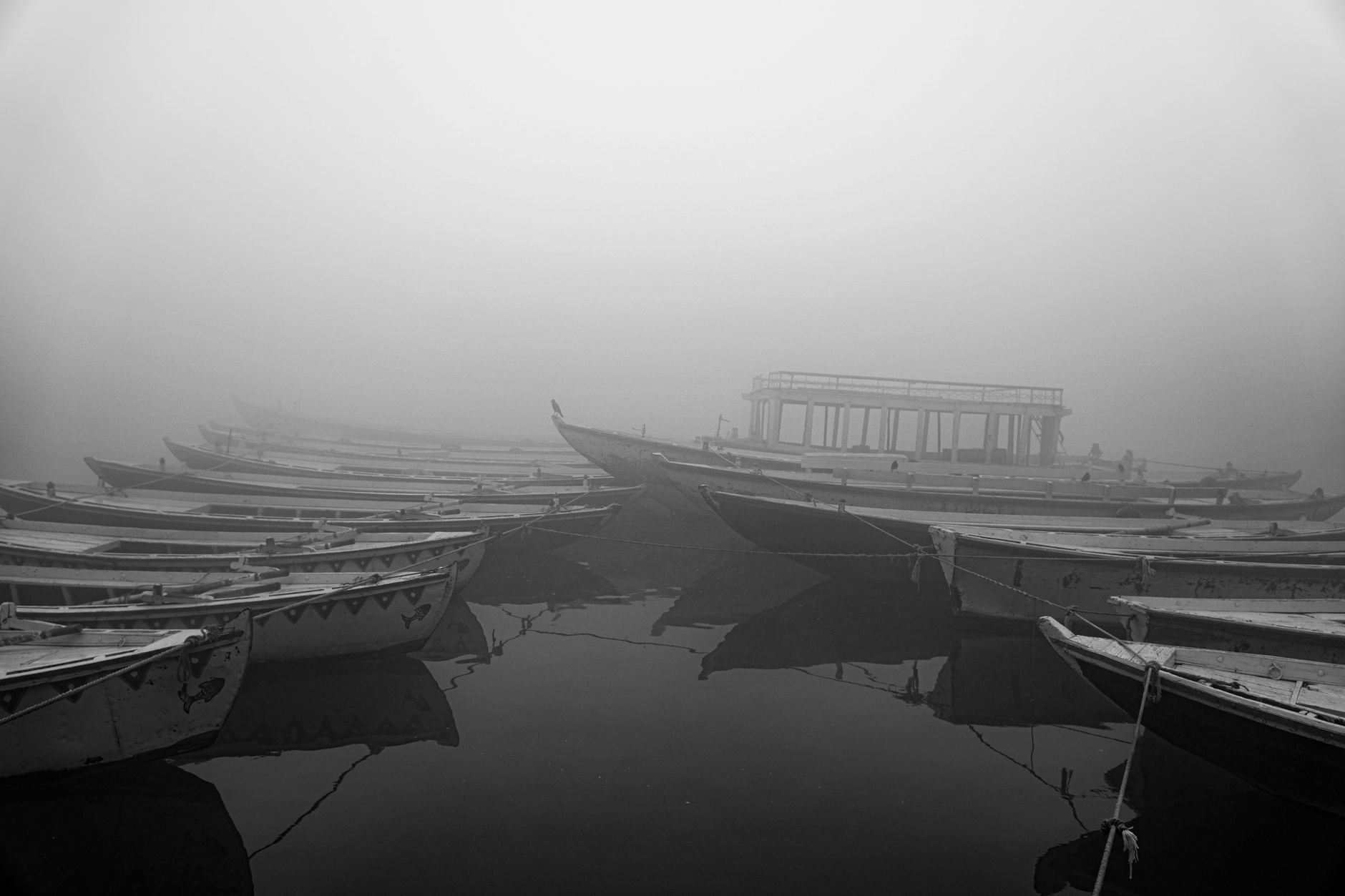
Inle Lake is not undiscovered. It has guesthouses and organized tours and a small airport at nearby Heho. But it operates on a different register than Bagan – slower, wetter, more vertical in its strangeness. Where Bagan rewards the eye with scale and horizon, Inle rewards patience. The longer you stay on the water, the more the place reveals itself, layer by layer, like the morning fog burning off the surface by mid-morning.
Life Built on Water
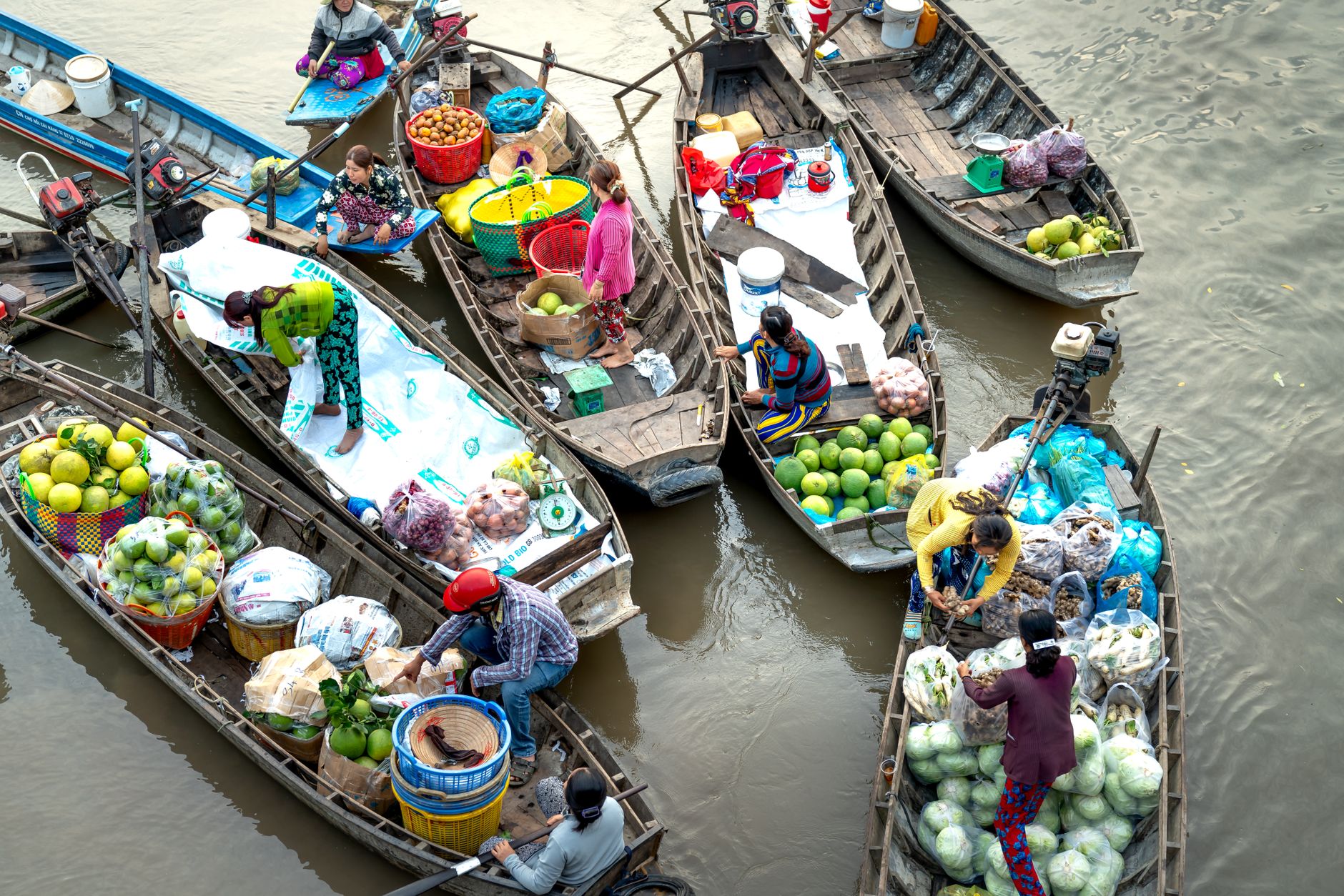
The Intha people have lived on and around this lake for centuries, and the word “on” is literal. Entire villages sit on stilts above the water, connected by narrow channels that function as streets. Children row to school. Monks collect alms by boat. Markets rotate between five villages on a five-day cycle, so the market comes to the people rather than the other way around. This is not a tourist reconstruction of how life used to look – it is simply how logistics work when your town is built on a lake.
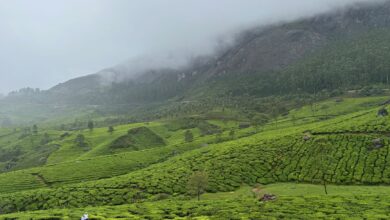
The floating gardens are the detail that stops most visitors cold. Farmers here grow tomatoes, flowers, and vegetables on strips of aquatic vegetation and lake-bed soil anchored by bamboo stakes, rising and falling with the water level. The gardens drift slightly, respond to wind, and look from above like a green patchwork quilt laid over the surface of the lake. The technique has been refined over generations, and the produce from these gardens supplies markets across the Shan State.
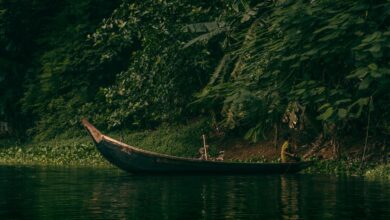
Getting around requires a long-tail motorboat, which any guesthouse in Nyaungshwe – the main town at the lake’s northern tip – can arrange. Most visitors book a full-day circuit, which covers the weaving workshops, silversmith studios, the Nga Phe Kyaung monastery (built on stilts over the water, dating back to the 18th century), and at least one of the rotating markets. The pace feels loose. There is no single monument demanding your attention, no checklist to complete. The lake itself is the destination.
What Sets Inle Apart from the Standard Myanmar Circuit
The comparison to Bagan is not just a matter of geography or tourism traffic. It is about what kind of travel each place demands. Bagan is a site – archaeological, photogenic, legible. You arrive, you understand what you are looking at, you leave with beautiful images. Inle is a system. The water, the villages, the agriculture, the trade routes, the craft traditions – they are interdependent in ways that take time to absorb. A traveler who spends one night and takes a boat tour will see the surface. A traveler who stays four or five days starts to notice the rhythms.
The craft culture here is specific and deep. Lotus silk weaving – fabric made from the fibers pulled from lotus stems – is produced almost exclusively in workshops around Inle Lake. The process is painstaking: thousands of stems are needed for a single scarf, and the thread must be worked while still wet. The resulting fabric has a texture unlike anything woven from conventional fibers. Several workshops around the lake allow visitors to watch the full process, from stem to loom, and it is the kind of demonstration that makes the price tag on the finished product make complete sense.
The food culture is worth planning around. Shan cuisine – distinct from Burmese cooking in its use of fermented soybean cakes, pickled vegetables, and rice-based preparations – is the native flavor of this region, and the restaurants in Nyaungshwe that do it well are serving dishes that rarely appear on menus outside the Shan State. Shan noodles, served in a light broth with ground pork and garnished with fried garlic, are the local breakfast standard. The tomatoes from the floating gardens show up in salads dressed simply with sesame oil and lime.
Sunrise on the lake, taken from a boat positioned near the Nga Hpe Chaung channel, offers a scene that competes with anything Bagan produces at dawn. The fishermen in their conical hats, posed on one leg with their nets spread wide against the light, have become an iconic image of Myanmar travel – but seeing it in person, with the mist still on the water and the sound of oars dipping in rhythm, is a different experience than encountering it on a screen. The photograph exists because the moment is real.
What the lake cannot offer is ease of access from international hubs, which is part of why Bagan dominates itineraries. Heho airport connects to Yangon and Mandalay, and the road from Heho to Nyaungshwe takes about 45 minutes. For travelers already moving through Myanmar, the detour requires only a short internal flight – but for first-time visitors building a tight itinerary, Inle often gets bumped in favor of the more famous ruins. That calculation misses something. Bagan tells the story of what Myanmar built. Inle shows what Myanmar still is, still doing, still living on and from the water every single day.
Frequently Asked Questions
Is Inle Lake worth visiting over Bagan in Myanmar?
Both destinations offer very different experiences. Bagan suits travelers drawn to archaeology and photography, while Inle Lake rewards those who prefer living culture, water-based villages, and slower-paced exploration.
How do you get to Inle Lake from Yangon?
The most practical route is a short domestic flight from Yangon to Heho Airport, followed by a 45-minute road transfer to Nyaungshwe, the main gateway town on the lake’s northern edge.