Myanmar’s Mergui Archipelago Quietly Rivals Phuket for Untouched Wanderers

Where the Andaman Sea Still Keeps Secrets
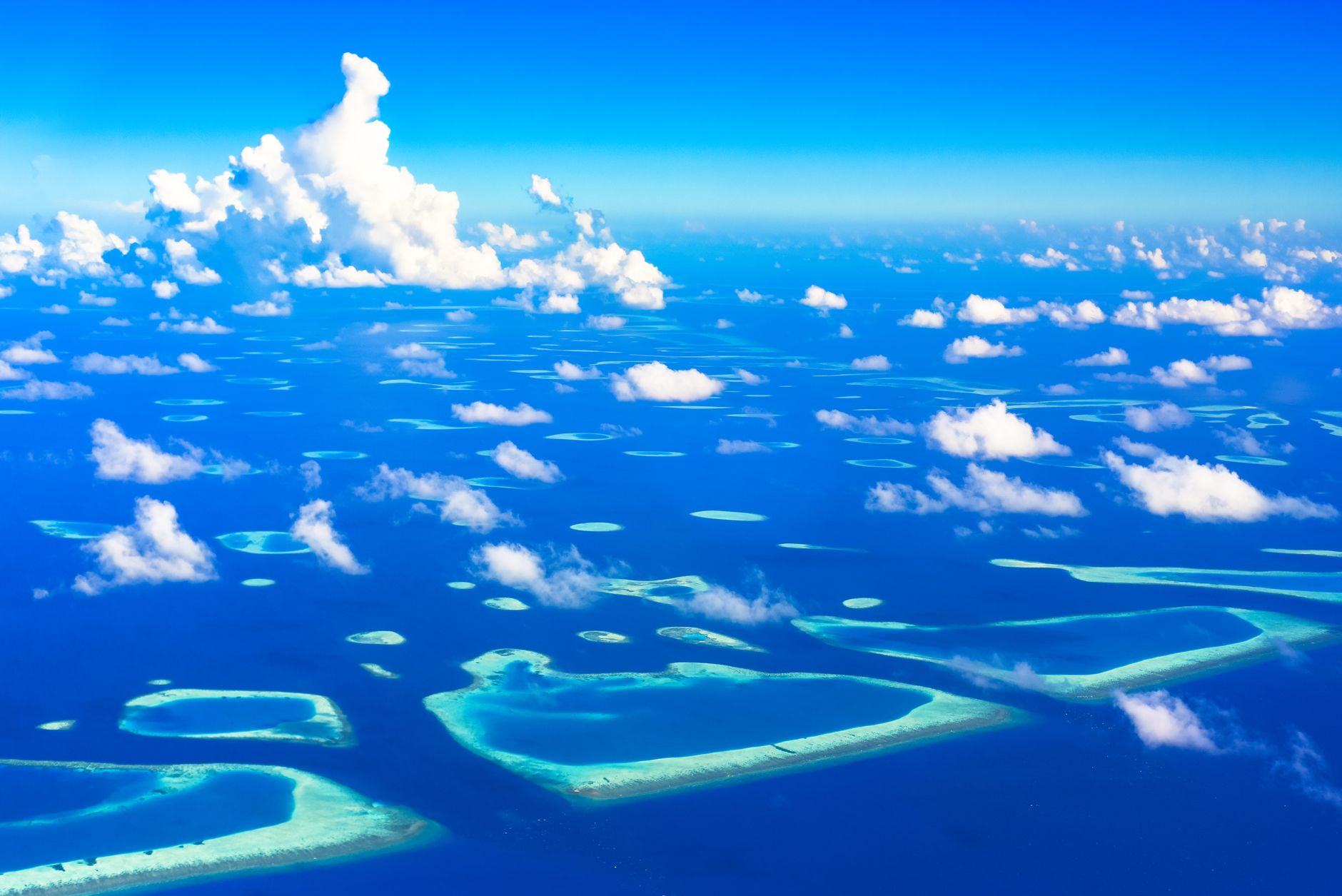
There are roughly 800 islands scattered across the Mergui Archipelago, and most of them have never seen a hotel, a tour bus, or a queue for a sunset photo spot. Stretching along Myanmar’s southern Tanintharyi coast, this chain of forested islands, white-sand bays, and coral-fringed shallows sits just a few hundred kilometers from Phuket – yet operates in an entirely different century. While the Thai resort island processes millions of visitors per year through its airport, Mergui remains tightly controlled by Myanmar’s government, which limits permits and keeps arrivals deliberately low.
That friction is precisely the point. For travelers who have grown exhausted by Phuket’s grid of beach clubs, rooftop bars, and overpriced longtail rides, the Mergui Archipelago offers something that has largely vanished from Southeast Asian tourism: genuine isolation. This is not a destination that rewards passive visitors. It rewards those willing to plan carefully, accept logistical imperfection, and sit with the discomfort of a place that has not yet decided whether it wants to be found.
The Access Question
Getting to Mergui requires entering through one of a small number of approved gateways, with Kawthaung – a border town accessible from Ranong in southern Thailand – serving as the primary entry point for most international travelers. From there, liveaboard vessels and chartered day boats move between the islands. There is no ferry grid, no centralized booking platform, and no reliable bus route. This infrastructure gap is not a flaw in the experience; it is the filtering mechanism that keeps the archipelago at a fraction of Phuket’s visitor volume.
Permits have historically been required from Myanmar’s tourism authorities, and while the political situation in the country since 2021 has added layers of complexity to that process, small operators – often registered through Thai-based dive and sailing companies – continue to run liveaboard expeditions into the archipelago. The journalistic consensus among travelers who have completed trips in recent years is that planning through an established liveaboard operator remains the most reliable approach, as these companies handle the regulatory side and know which waters are currently navigable without incident.
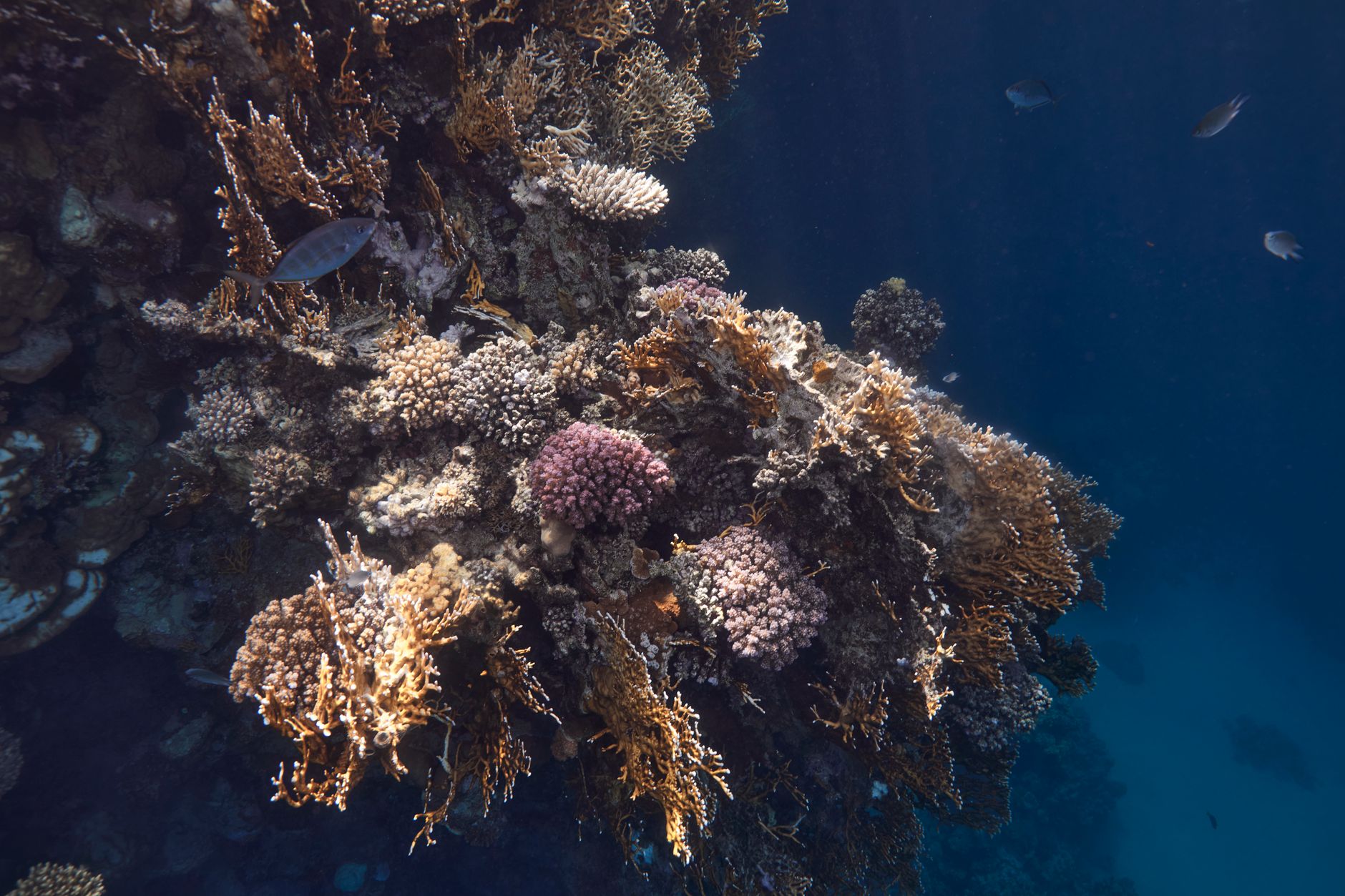
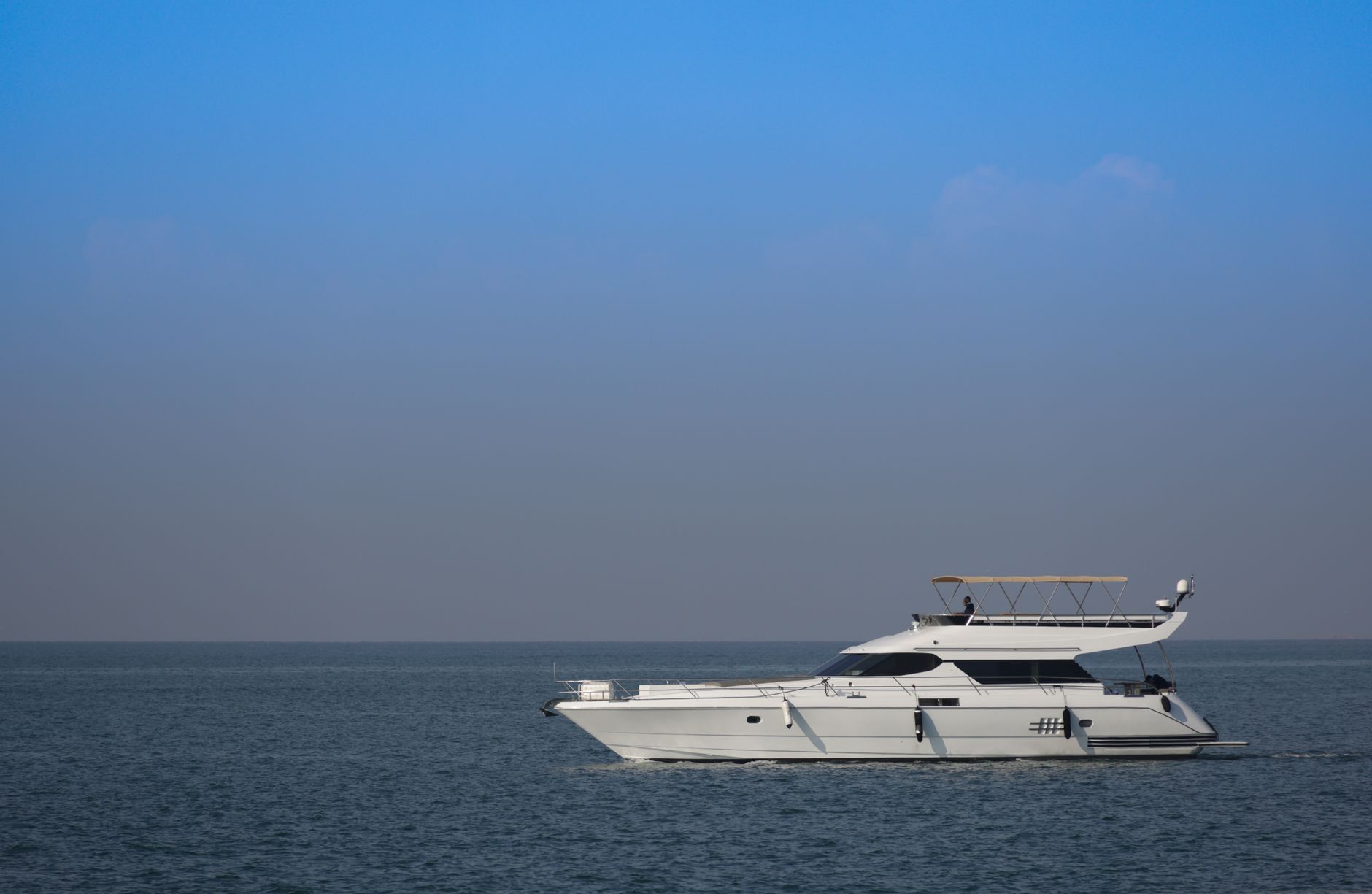
The liveaboard format itself shapes how you experience Mergui. Days are structured around dives, snorkeling stops, beach landings, and open-water sailing rather than any particular island’s hospitality infrastructure. Meals happen on deck. Evenings are measured in stars rather than cocktail menus. It is a format that has attracted serious divers for decades, and the diving in Mergui – particularly around the Burma Banks and the rocky outcroppings of the northern islands – maintains a reputation among experienced divers as among the most intact in the region.
Bioluminescent plankton lights up the water at night in certain coves, a phenomenon that has been reduced to a novelty in more heavily visited parts of Southeast Asia but still arrives reliably in Mergui’s darker bays. Whale sharks pass through the deeper channels between May and October. Hawksbill turtles nest on beaches that receive no human traffic for weeks at a time. The ecosystem functions at a scale that feels almost archival, a record of what this part of the Andaman Sea looked like before dive tourism industrialized it elsewhere.
The Moken and the Living Coast
The archipelago is not uninhabited. The Moken – a seminomadic sea people who have lived across this region for centuries – maintain settlements on several islands and continue fishing traditions that predate any formal tourism economy in the area. Their relationship with the sea is observational in ways that no dive guide can replicate: they read tidal shifts, fish behavior, and weather patterns with a precision that comes from generational knowledge rather than instrumentation. For visitors who approach respectfully and through operators with genuine community connections, encounters with Moken communities can add a cultural dimension to the trip that sits completely outside the usual Southeast Asia tourism vocabulary.
This is also where the archipelago differs most sharply from destinations where cultural tourism has been packaged and curated to the point of performance. In Mergui, the communities present are not there for the visitors. The burden of appropriate behavior falls entirely on the traveler.
Timing the Trip
The Mergui Archipelago operates on a seasonal window defined more by monsoon weather than by tourism infrastructure. The dry season runs roughly from October through April, with the clearest skies and calmest seas arriving between December and March. Outside that window, the monsoon generates strong swells and persistent rain that make liveaboard trips uncomfortable and sometimes unsafe. Unlike Phuket, where the tourism machine runs year-round by simply shuffling visitors between weather-appropriate activities, Mergui simply closes the door in the wet months.
That seasonality concentrates the visitor window and creates a genuine off-season that allows the ecosystem time it would otherwise not get. Coral coverage in the Mergui system has stayed relatively robust compared to reefs in more heavily trafficked Thai waters, a fact that marine researchers have attributed at least partly to this enforced rest period combined with the archipelago’s naturally lower visitor numbers. The seasonal limitation also means that booking well in advance is non-negotiable – the best liveaboard operators typically fill their Mergui departures months ahead of the season’s opening.
Water temperatures in the dry season hover in a range that makes extended diving comfortable without a heavy wetsuit, and visibility in the cleaner channel waters regularly exceeds twenty meters. The topside scenery – limestone karsts rising from the sea, beaches that back directly into dense jungle canopy – is best captured in the morning light before the heat builds. There is a reason photographers who have worked across Southeast Asia tend to describe their Mergui frames as the ones that still look unlike anything else in their portfolios.
What Untouched Actually Costs
The price point for a Mergui liveaboard trip is not budget travel. A week-long sailing and diving expedition through a reputable operator will run considerably higher than a week at a mid-range Phuket resort, partly because the logistics are genuinely complex and partly because the operators absorbing permit and regulatory costs pass those costs on to passengers. This is not a destination that can be done cheaply without cutting corners that matter – on safety, on community ethics, on the quality of the naturalist knowledge available on board.
What that cost buys is not luxury in the resort sense. There are no spa treatments, no curated cocktail lists, no personal butler situations. What it buys is ratio – the ratio of ocean to people, of reef to divers, of beach to footprints. Travelers who have done both the Phuket circuit and a Mergui liveaboard frequently describe the comparison as almost categorical: one is a vacation, the other is an experience that takes a few weeks to fully process after returning home.
The political situation in Myanmar means the ethical dimension of travel there carries more weight than it does for most destinations – and this is a tension that has no clean resolution. Some operators redirect a portion of their fees toward Moken community programs or local conservation efforts; others do not. Asking specifically which operators do which, and what accountability they offer, is not a bureaucratic exercise. It is the most direct way to ensure that the remoteness you are paying to access is not simply being mined for novelty while the communities and ecosystems that create that value receive nothing back. The question is worth asking before you book, not after you return.
Frequently Asked Questions
Is it safe to travel to the Mergui Archipelago right now?
Access continues through Thai-based liveaboard operators who handle permits, but Myanmar’s political situation since 2021 adds complexity. Research your operator carefully and check current travel advisories before booking.
Do you need a special permit to visit the Mergui Archipelago?
Yes, permits from Myanmar’s tourism authorities are required. Established liveaboard operators typically manage this process on behalf of passengers as part of the trip package.
What is the best time of year to visit Mergui?
The dry season from October to April offers the best conditions, with December through March providing the calmest seas and clearest visibility for diving.