Myanmar’s Mergui Archipelago Quietly Rivals Phuket for Untouched Wanderers

A Different Kind of Paradise
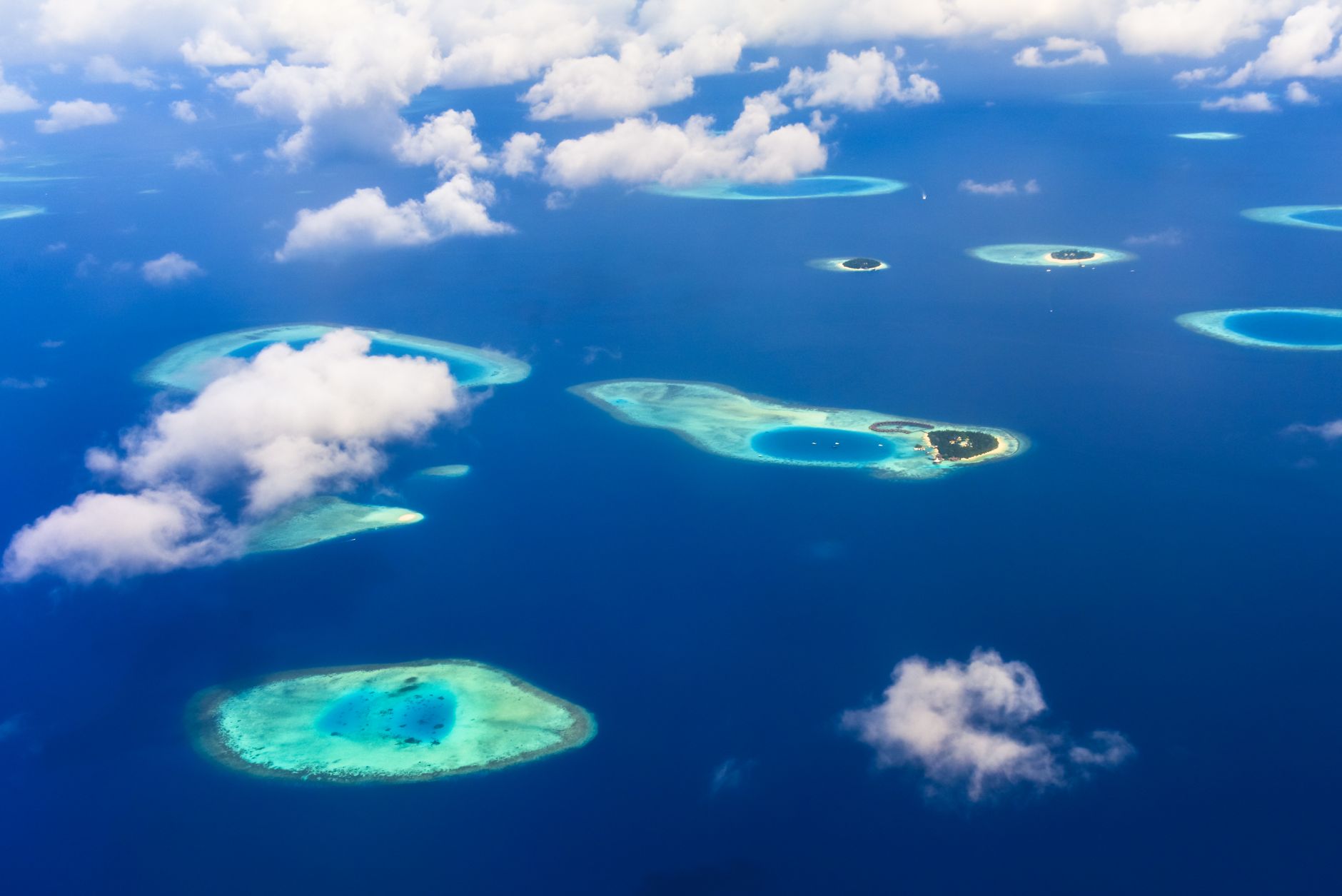
The Mergui Archipelago sits off the southern coast of Myanmar like a secret the Indian Ocean has been keeping. More than 800 islands scattered across roughly 36,000 square kilometers of the Andaman Sea, most of them unnamed on tourist maps, most of them empty. For decades, the archipelago was closed to foreign visitors entirely – a military-restricted zone that kept the outside world out and kept the reefs, the forests, and the beaches exactly as they were. That changed in the 1990s, but full tourist infrastructure never arrived. What travelers find instead is something increasingly rare: a coastline that does not know it is supposed to be famous.
Phuket, three hours west by sea in Thai waters, draws millions of visitors annually. Its beaches are beautiful and its amenities are excellent, but the experience arrives packaged and pre-sorted. The Mergui offers something structurally different – not a lesser version of Phuket but an older one, before the hotels and the jet ski rentals and the bucket cocktails on the sand. Travelers who have spent years chasing the “undiscovered” corner of Southeast Asia tend to land here and go quiet.
Getting There, and Why the Difficulty Is the Point
Access to the Mergui Archipelago runs primarily through Kawthoung, a small border town at the southern tip of Myanmar that sits directly across from Ranong in Thailand. Most travelers cross from Ranong by boat, clear immigration, and arrange liveaboard dive vessels or chartered boats from Kawthoung’s modest harbor. There are no resort islands with airport shuttles. There is no ferry schedule posted online. The logistics require flexibility, a willingness to hire locally, and some tolerance for plans that shift with the tides.
That friction is precisely what keeps the crowds away. The Mergui is not difficult to reach in any dangerous sense – it is simply inconvenient by the standards of modern leisure travel. A traveler who needs a confirmed itinerary, reliable Wi-Fi, and a tripadvisor rating before committing to a restaurant will not enjoy the process. A traveler who is comfortable saying “let’s see what the captain recommends” will find that the local knowledge runs deep and the rewards run deeper. Liveaboard operators based in Kawthoung have spent years navigating these waters and know which bays hold whale sharks in March, which beaches remain untouched through monsoon season, and which reefs the dive guidebooks have not yet indexed.
What the Water Holds
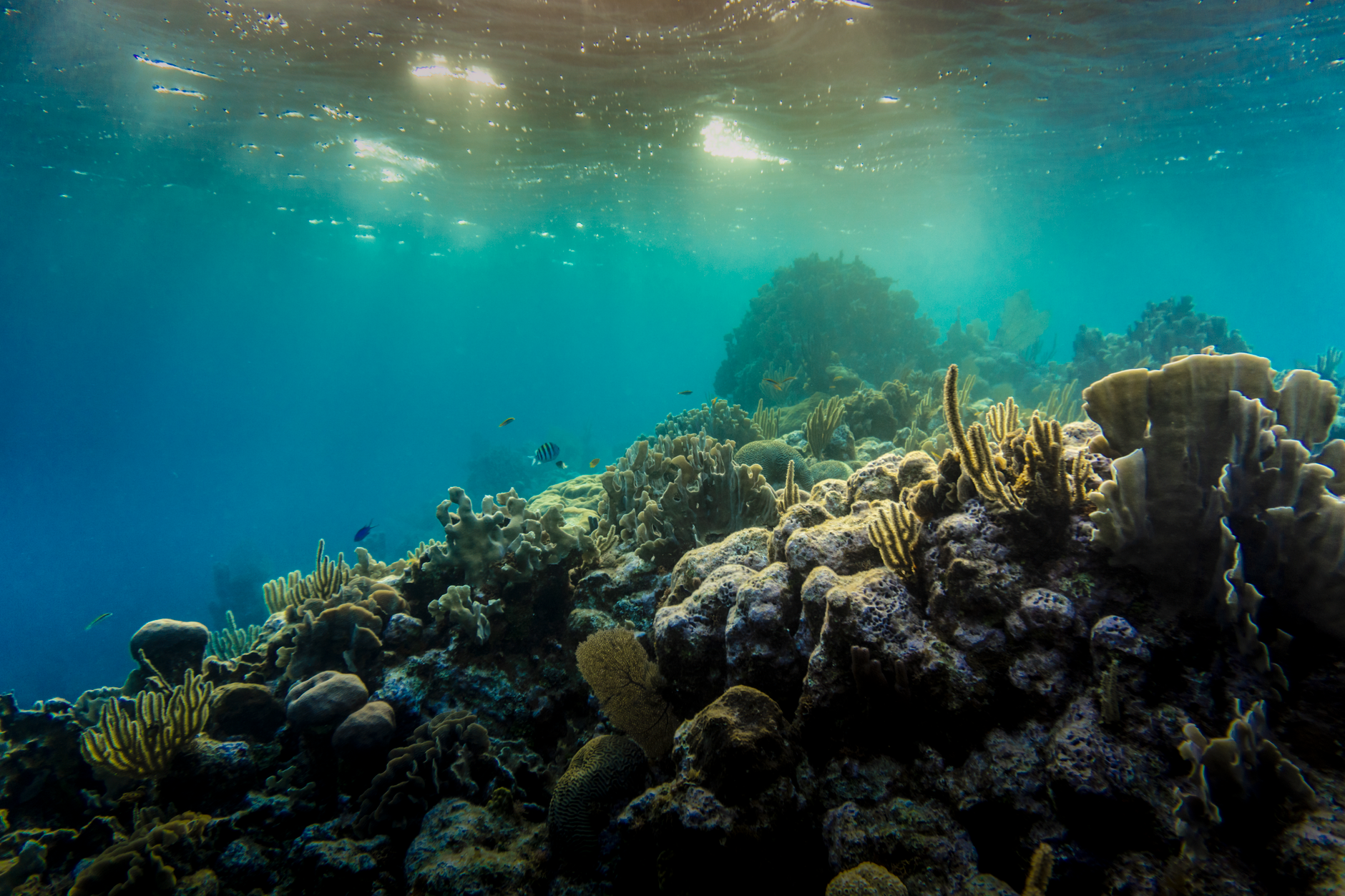
The diving in the Mergui Archipelago is the kind that experienced divers describe with the specific frustration of knowing no photograph does it justice. The Andaman Sea here has not absorbed decades of reef tourism pressure, and it shows in the coral density, the fish populations, and the visibility. On a calm day, visibility can extend beyond 20 meters through water that shifts from jade to deep cobalt depending on the depth and the hour. Black-tip reef sharks are common enough to become routine within a few days on the water.
Burma Banks, a system of seamounts sitting around 100 kilometers northwest of Kawthoung, is the archipelago’s most celebrated dive site – a series of submerged limestone peaks that rise to within 15 meters of the surface and attract pelagic life on a scale that divers elsewhere pay considerably more to see. Nurse sharks rest in the hollows. Schools of barracuda move through in synchronized columns. The Banks require a longer boat journey and favorable conditions, but operators who know the timing well will position guests for something that feels genuinely removed from anything the mainstream dive circuit offers.
Above the water, the snorkeling holds its own. Fringing reefs around the more sheltered islands are shallow and accessible without equipment beyond a mask and fins. The Mergui has no marine parks with designated snorkel zones and tour boats queuing up at 9 a.m. A traveler can anchor in a bay, slip into the water, and see nothing man-made in any direction. That sensory completeness – the absence of noise, of signage, of other people – is what keeps the Mergui in the minds of those who have been there long after they return home.
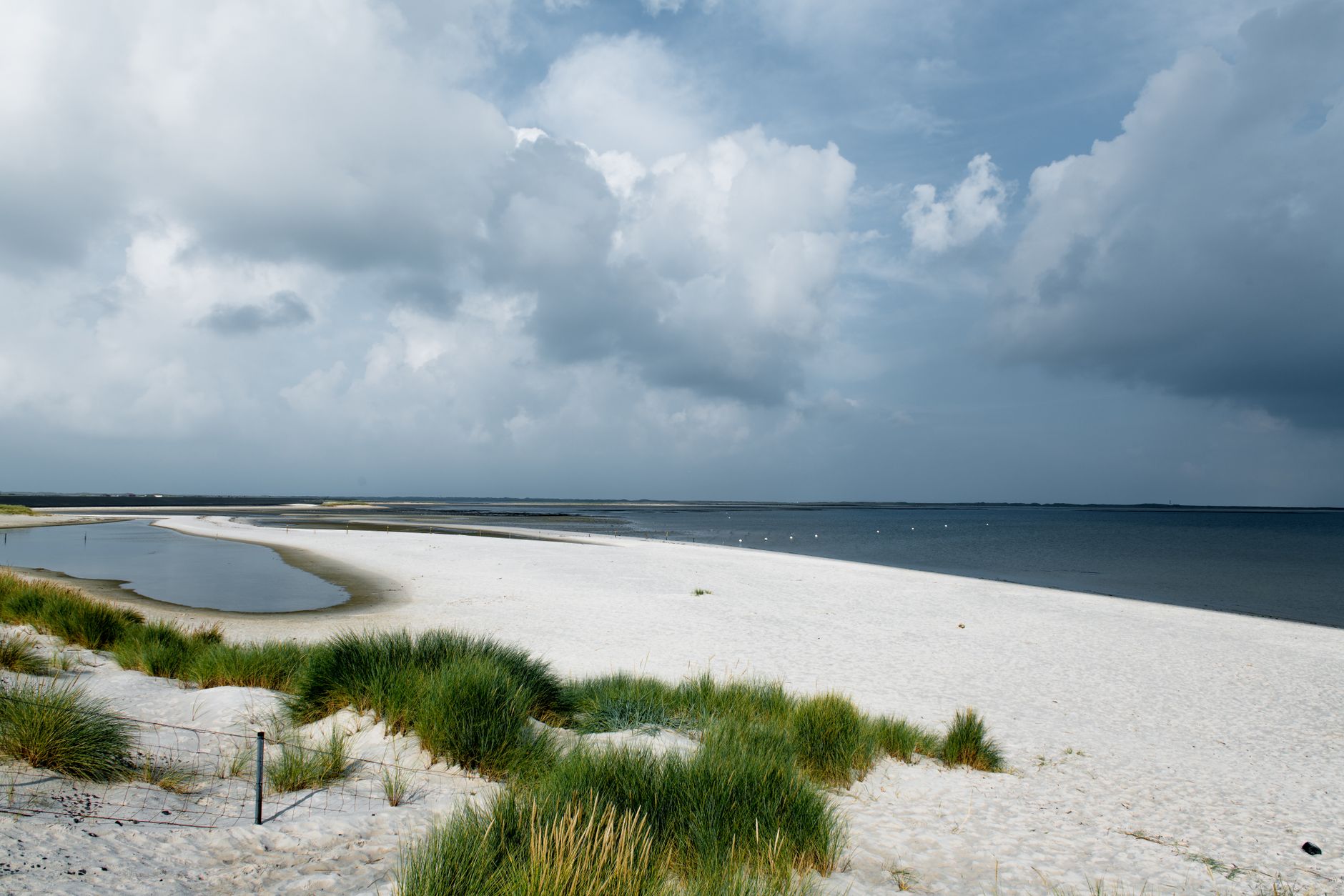
Kayaking between the smaller islands works as an alternative to diving for travelers who prefer to stay on the surface. The water in the sheltered bays is calm enough for open-ocean kayaking for most of the dry season, which runs roughly from October through April. The islands themselves are forested to the shoreline, and the beaches that appear around headlands tend to be entirely empty – white sand that ends in trees with no structures visible in either direction.
The Moken and the Question of Impact
The Mergui Archipelago is home to the Moken, a sea nomadic people who have lived across these waters for centuries, moving between islands by season and by need. The Moken’s relationship with the sea is practical and generational – they read tidal shifts, fish movements, and weather patterns through knowledge built across lifetimes on the water. Some Moken communities have settled on specific islands as Myanmar’s government has encouraged fixed habitation, but semi-nomadic groups still move through the archipelago in wooden kabang boats, the traditional vessels that function as both transport and home.
For travelers, the presence of the Moken raises a straightforward question about tourism’s footprint. The Mergui’s low visitor numbers have, so far, limited the economic and cultural disruption that sea nomadic communities in other parts of Southeast Asia have experienced as dive tourism scaled up. That equilibrium is not guaranteed. As the archipelago becomes better known, the risk is that the same pattern repeats: accessibility improves, visitor numbers climb, prices follow, and the conditions that made the place worth visiting begin to erode. Traveling with operators who have established relationships with Moken communities and work within those frameworks rather than around them is one practical way to stay on the right side of that equation.
Timing and Practicalities
The dry season window matters here more than it does in destinations with developed infrastructure. From October through April, the Andaman Sea settles into the calm, clear conditions that make liveaboard travel viable and the diving exceptional. Outside this window, the southwest monsoon moves in hard – heavy rain, rough seas, and most reputable operators closing their schedules entirely. Trying to visit outside the dry season is not simply uncomfortable; it closes off most of the water-based activities that define the experience.
Budgeting for the Mergui runs differently than most Southeast Asia destinations. The logistical complexity means that budget independent travel is difficult to arrange on arrival. Liveaboard packages, which cover accommodation, meals, diving, and boat transport, represent the most functional approach and tend to cost more per day than mainland Myanmar travel but less than equivalent liveaboard experiences in the Maldives or the Komodo region. The cost reflects the fuel, the crew knowledge, and the operational complexity of running vessels through waters with limited support infrastructure.
Entry requirements for Myanmar have been subject to change given the country’s political situation since the 2021 military coup, and travelers should verify current visa and safety conditions through their government’s official travel advisory before planning any visit. Some operators run the Mergui from the Thai side with Myanmar day permits rather than full entry, which has been one way to maintain access during periods of restricted tourism. The political context is real, and ignoring it in favor of the scenery would be a mistake – but for travelers who have done the research and made an informed decision, the Mergui Archipelago offers something that no amount of infrastructure development has yet managed to manufacture: a coastline that still feels like it belongs to itself.
Frequently Asked Questions
Is it safe to travel to the Mergui Archipelago in Myanmar right now?
Safety conditions depend on Myanmar’s current political situation. Check your government’s official travel advisory before planning a visit, as conditions can change.
When is the best time to visit the Mergui Archipelago?
The dry season runs October through April, offering calm seas and excellent visibility. Most liveaboard operators close during the southwest monsoon from May to September.