Myanmar’s Mergui Archipelago Quietly Rivals Phuket for Untouched Island Seekers

Most travelers who want an alternative to Thailand’s crowded beaches stop scrolling at the Similan Islands or Ko Lipe. Far fewer keep looking northwest, past the Thai border, into the lower curl of Myanmar’s Andaman coastline – where the Mergui Archipelago sits largely unvisited, largely unmapped for tourism purposes, and almost entirely intact.
An Archipelago That Tourism Infrastructure Forgot
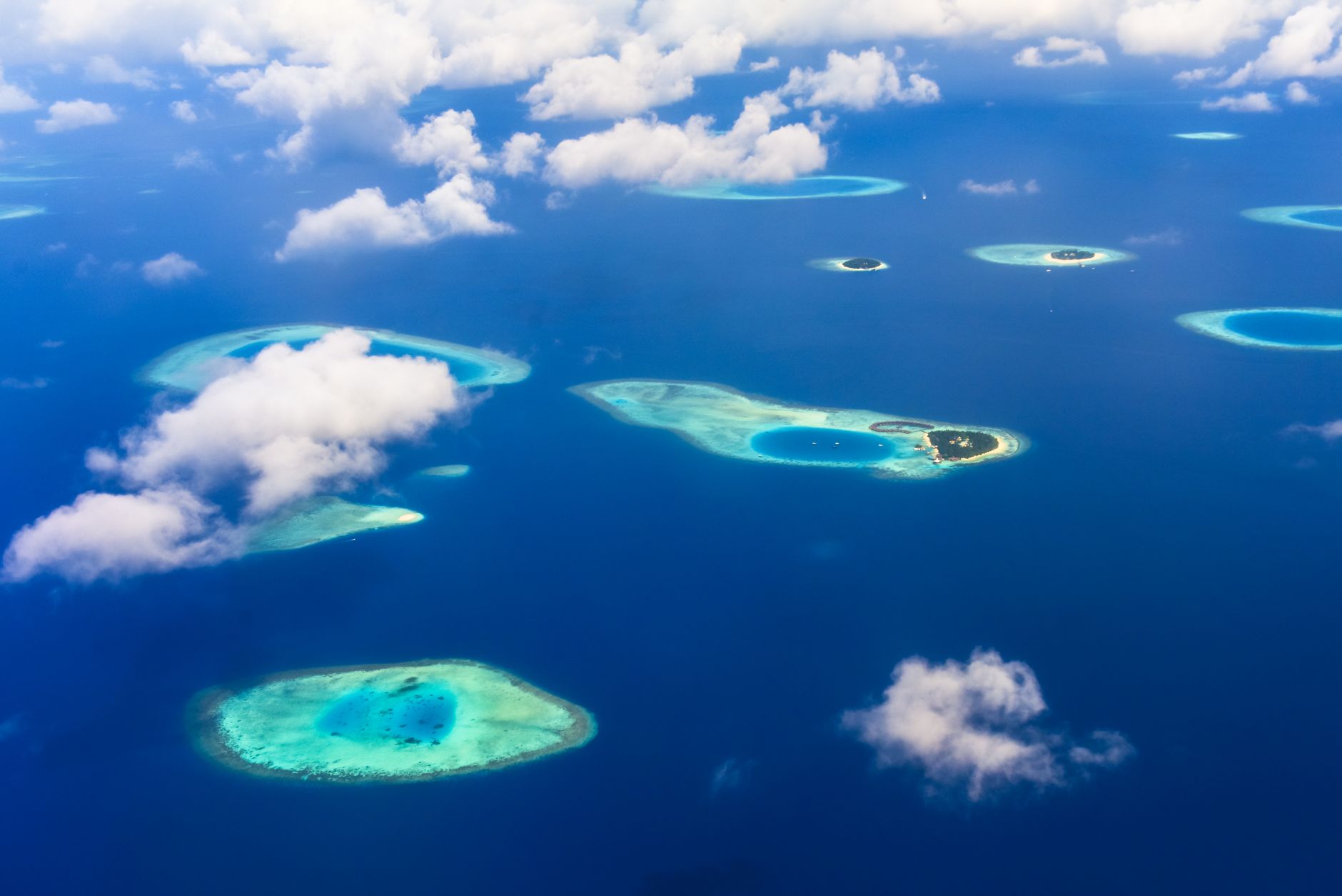
The Mergui Archipelago stretches across roughly 36,000 square kilometers of the Andaman Sea, encompassing more than 800 islands. The vast majority have no permanent tourist infrastructure whatsoever – no beach bars, no longtail boat taxis, no Instagram-optimized viewpoints. Access requires a liveaboard dive vessel or a dedicated charter, both of which depart from Kawthaung, the southernmost town in Myanmar, reachable by speedboat from Ranong in Thailand. The logistics alone filter out casual visitors, which is precisely why the islands look the way they do.
What greets the travelers who do make it is a coastline that Phuket looked like before the 1980s. Limestone karsts draped in dense jungle rise directly from flat turquoise water. Beaches of powdered white coral stretch for kilometers without a single footprint. The water clarity in dry season – roughly November through April – allows visibility down to 30 meters in places, making the Mergui one of the more compelling dive sites in Southeast Asia without any marketing apparatus around it at all.
The region only opened to foreign visitors in 1997, and Myanmar’s political instability since the 2021 military takeover has added another layer of complexity to travel there. Tourism numbers, never high to begin with, dropped sharply. Some liveaboard operators based in Thailand suspended Mergui routes entirely during the most uncertain periods. A number have quietly resumed departures, operating with reduced schedules and careful attention to evolving travel advisories – but the political situation remains a real and serious consideration for anyone planning a trip.
That friction is also, paradoxically, what keeps the archipelago in the condition it is. There is no mass market here. The Moken sea nomads, who have lived across the Andaman islands for centuries moving between seasonal fishing grounds, still maintain communities throughout the archipelago. Their presence is not a tourist attraction staged for visitors – it is simply life continuing as it has across generations, occasionally intersected by a passing dive boat.
What Separates Mergui From Every Other “Hidden Gem” in the Region
The term “hidden gem” gets applied to virtually every destination that isn’t Bali or Phuket, draining the phrase of any real meaning. Mergui earns a different description: structurally inaccessible. The barriers to entry are not just marketing gaps or language challenges. They involve government permits, specific entry points, limited vessel options, and a geopolitical environment that requires real research before booking. For travelers who want somewhere that cannot be overrun next season simply because a travel blogger posts about it, that structural friction is the actual asset.
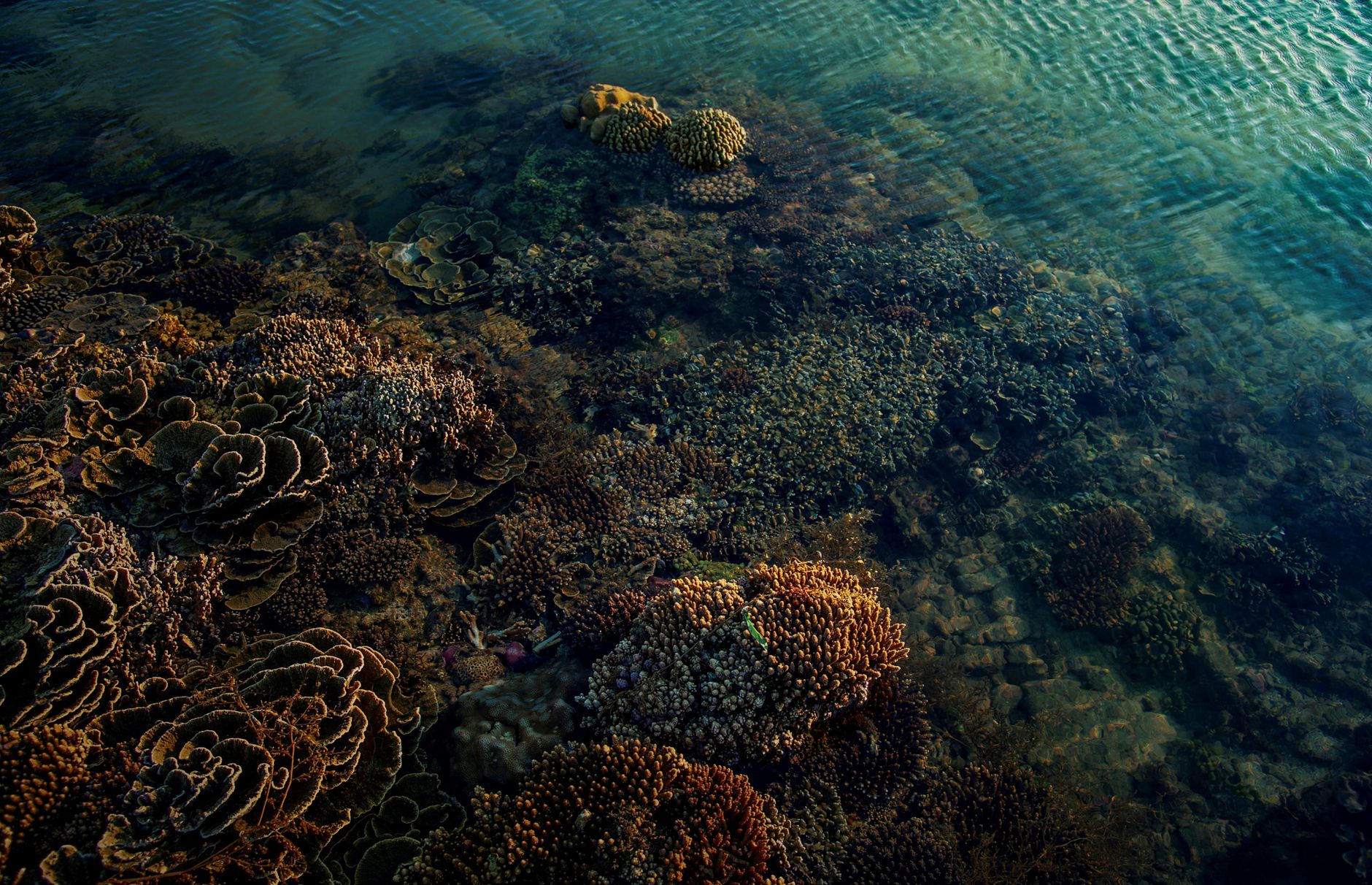
Beneath the surface, the marine ecosystem around Mergui reflects what protected reef systems look like when they are left largely alone. Whale sharks pass through seasonally. Manta rays aggregate at certain cleaning stations. Shallow reef systems show coral health that Southeast Asian dive sites closer to population centers have largely lost to bleaching events and anchor damage. Snorkelers working the surface can watch species that divers elsewhere pay premium prices to spot on guided night dives.
Above the waterline, the islands themselves vary enormously. Some are low-lying and fringed with mangrove channels that function as nurseries for juvenile fish and provide kayaking routes completely hidden from open sea. Others rise steeply into forested peaks with no trail systems, no rangers, and no facilities – just terrain that has not been altered to accommodate tourism. Bird life is dense and largely undisturbed, with hornbills audible from the water on quiet mornings.
Accommodation options are essentially binary: sleep aboard your charter vessel, or camp on a beach with gear you brought yourself. There are no boutique resorts, no private island hotels accepting walk-in bookings. A small number of very basic bungalow operations exist on islands closer to Kawthaung, but they are rudimentary by any measure. For travelers accustomed to the standards of Phuket or the Maldives, the adjustment is significant. For travelers who find value in having a beach entirely to themselves after dinner, the tradeoff is obvious.
The liveaboard operators who run Mergui routes – most based out of Khao Lak or Ranong in Thailand – tend to run small vessels with eight to sixteen guests maximum. Some focus purely on diving with multiple daily dives, surface intervals, and guided night dives. Others operate as general exploration charters that combine snorkeling, kayaking, island hikes, and fishing. Prices for a seven to ten day route typically run higher than equivalent Thai liveaboards, reflecting the permitting complexity and the smaller vessel economics.
Practical Considerations for Travelers Weighing the Route
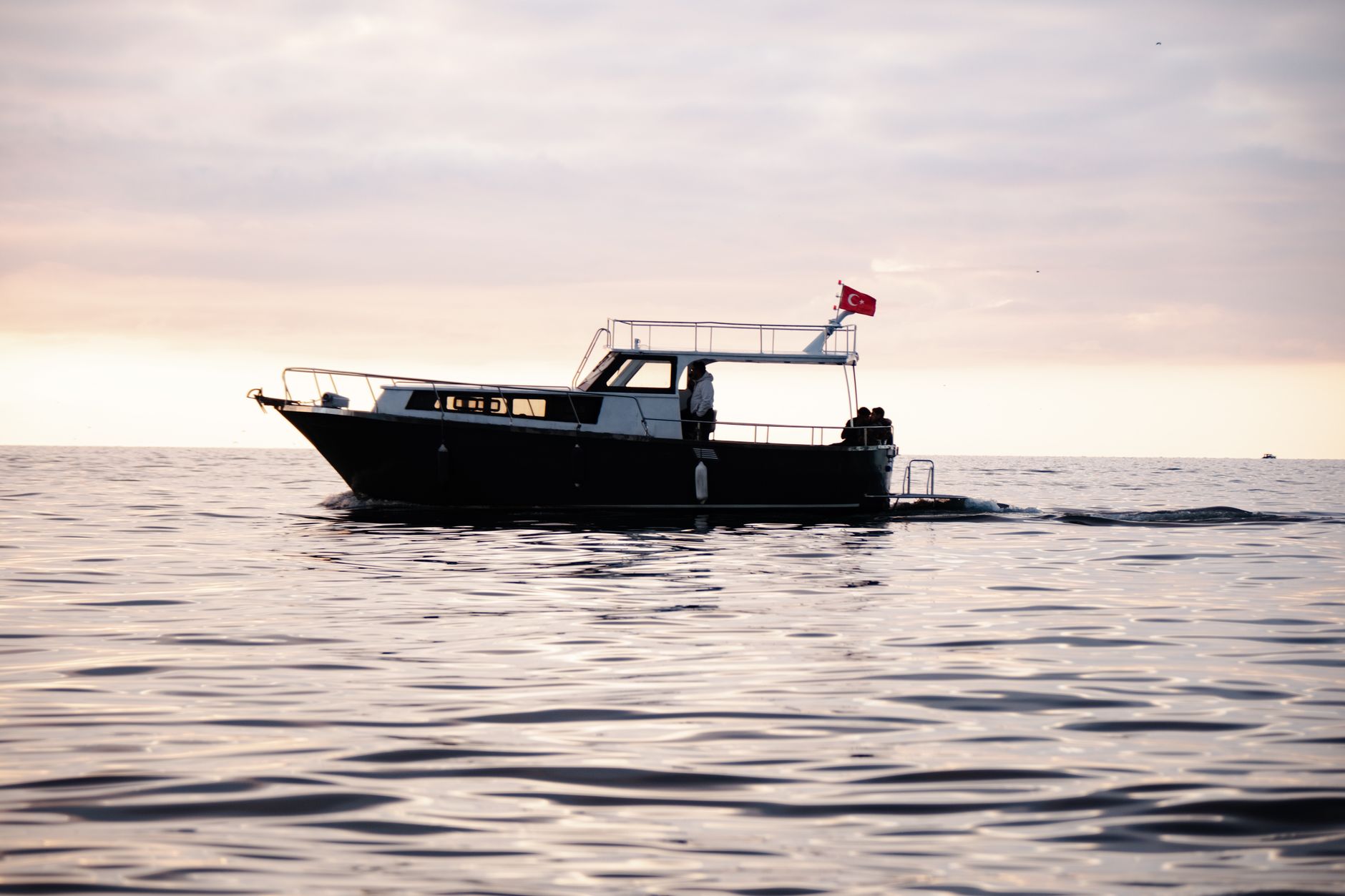
Any serious planning for Mergui requires checking current Myanmar travel advisories through your government’s official channels before booking anything. The situation has shifted repeatedly since 2021, and no travel article – including this one – is a substitute for current government guidance. Operators who know the region well will be transparent about the current access situation; any operator who is not forthcoming about it is worth avoiding. That said, for travelers who have done that research and are comfortable with the risk profile, the logistics are manageable: fly into Bangkok or Phuket, connect to Ranong by domestic flight or road, cross by speedboat to Kawthaung for the permit process, and board the vessel.
The dry season window matters enormously here. Between May and October, the southwest monsoon turns the Andaman unpredictable and rough, and most operators suspend Mergui departures entirely. November through April is the target window, with January and February offering the calmest conditions and clearest water. Booking a full year in advance for peak months is not overcautious – it is simply how the small-vessel market here works, with each boat holding fewer than twenty guests and departures running perhaps twice a month at most. The islands will not be any less empty when you arrive. The boat, however, will.