Namibia’s Mudumu National Park Quietly Rivals Bwabwata for River Wanderers

The Quiet River That Safari Crowds Keep Missing
Bwabwata National Park in Botswana commands the conversation whenever someone mentions the Okavango-Linyanti river system. Tour operators build itineraries around it, wildlife documentaries use it as shorthand for southern Africa’s wild interior, and the lodges book up months ahead. Meanwhile, directly across the Namibian border, Mudumu National Park sits on the same river corridor – drawing a fraction of the visitors, charging a fraction of the price, and offering wildlife encounters that are functionally indistinguishable from what Bwabwata delivers.
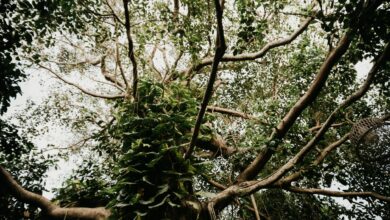
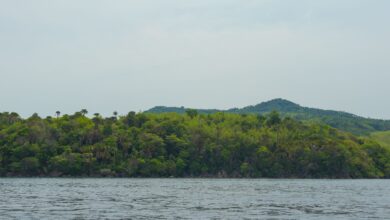
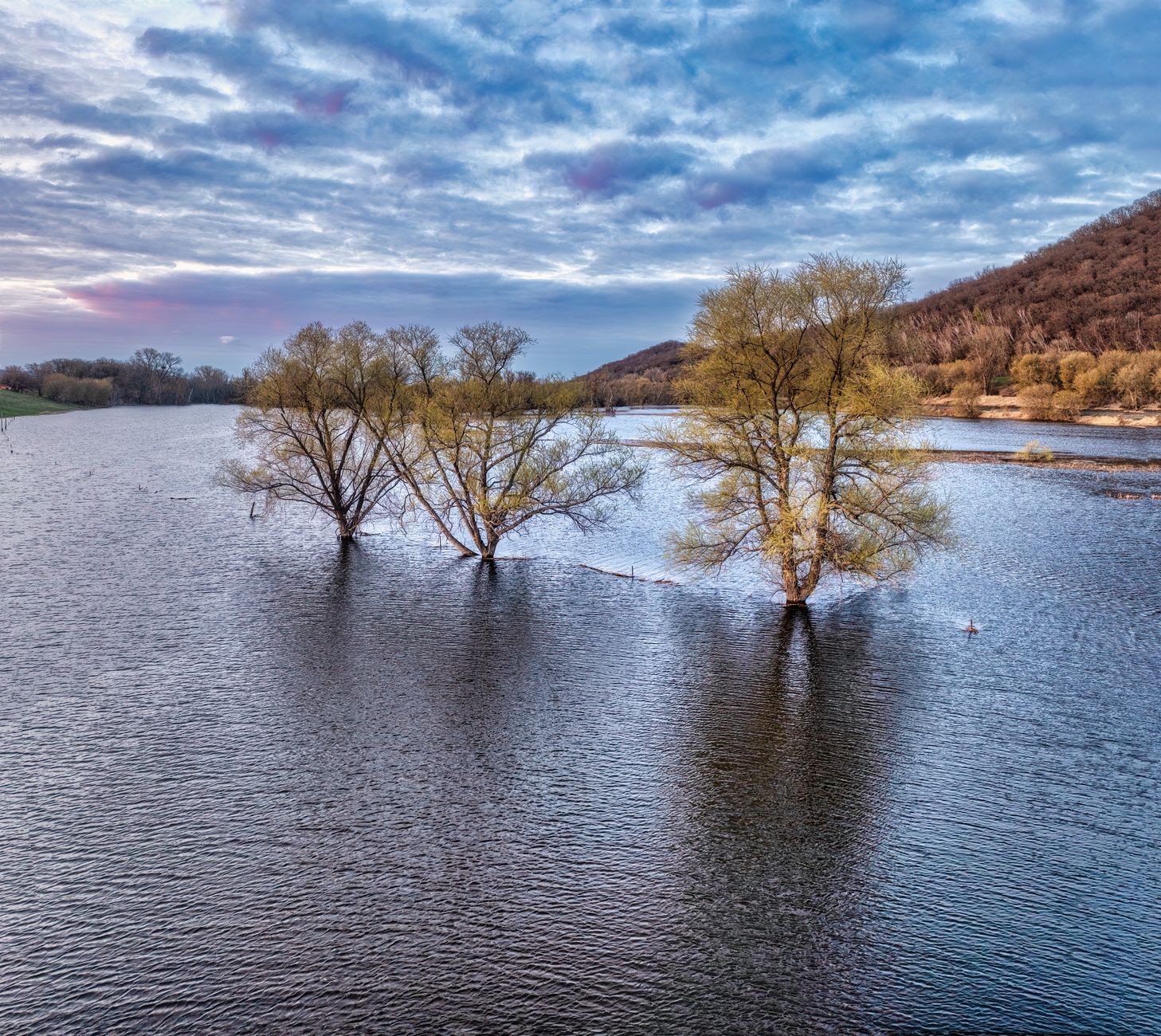
Mudumu is tucked into Namibia’s Caprivi Strip, that narrow finger of territory that reaches east toward Botswana, Zimbabwe, and Zambia. The Kwando River forms its western boundary before it becomes the Linyanti further downstream, and the park’s floodplains, dense riverine forest, and interior woodland make it one of the more ecologically complete parks in the region. The silence that greets most visitors at the gate is not a warning sign. It is the point.
What the River Actually Offers
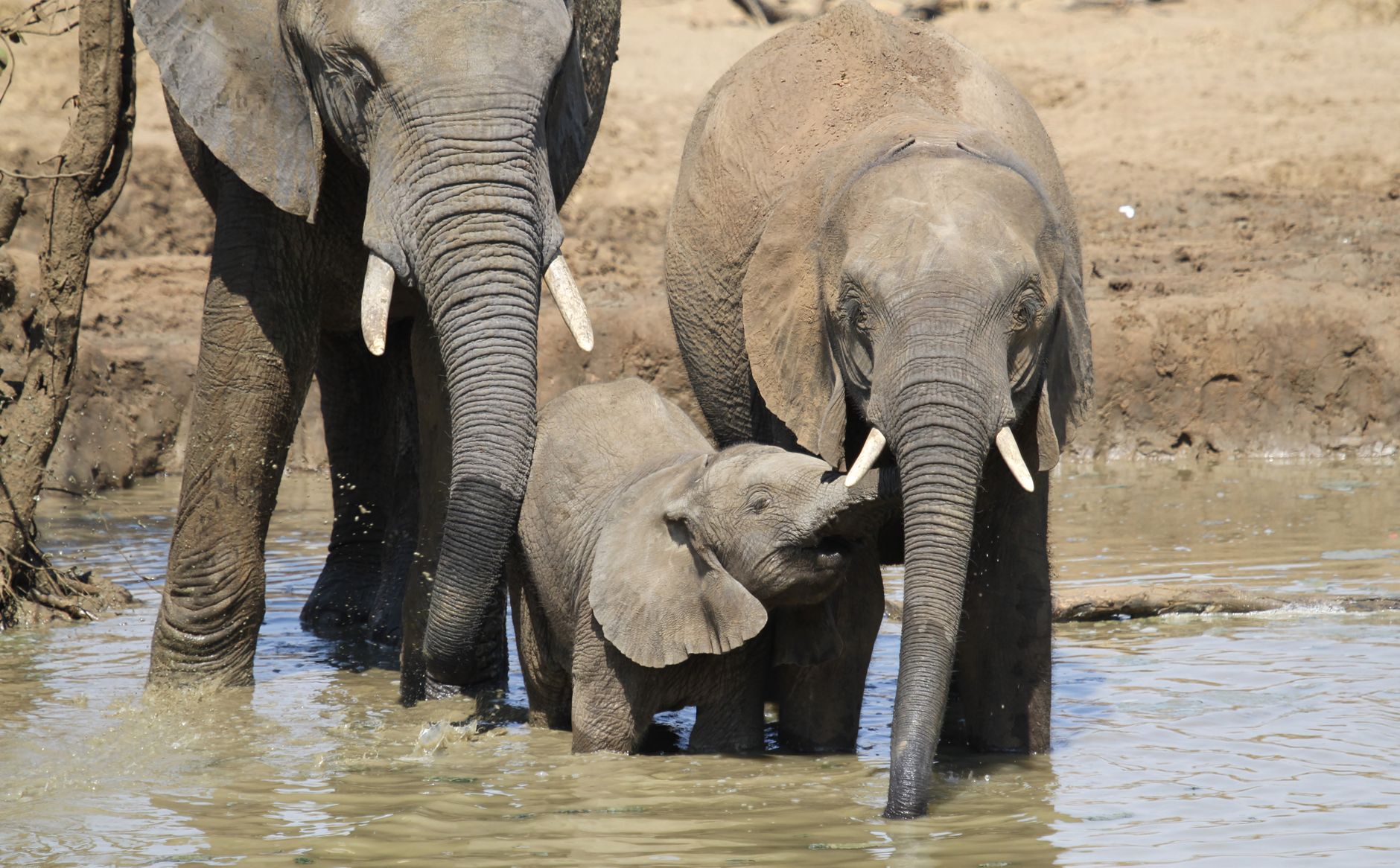
The Kwando River draws elephant herds year-round, and Mudumu sits inside one of the largest elephant corridors on the continent – the Kavango-Zambezi Transfrontier Conservation Area, a cross-border wildlife zone spanning five countries. Elephant numbers in this corridor are genuinely staggering, and Mudumu’s stretch of the Kwando sees regular movement from herds that drift between Namibia and Botswana depending on season and water levels. A morning on the river bank can mean watching fifty or sixty elephants drink, cross, and disappear into the reed beds without a single other vehicle in sight.
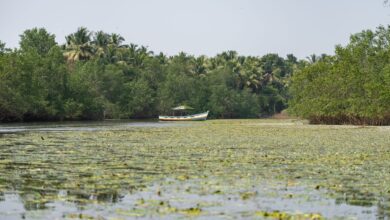
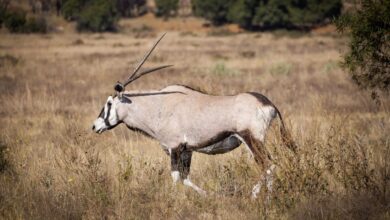
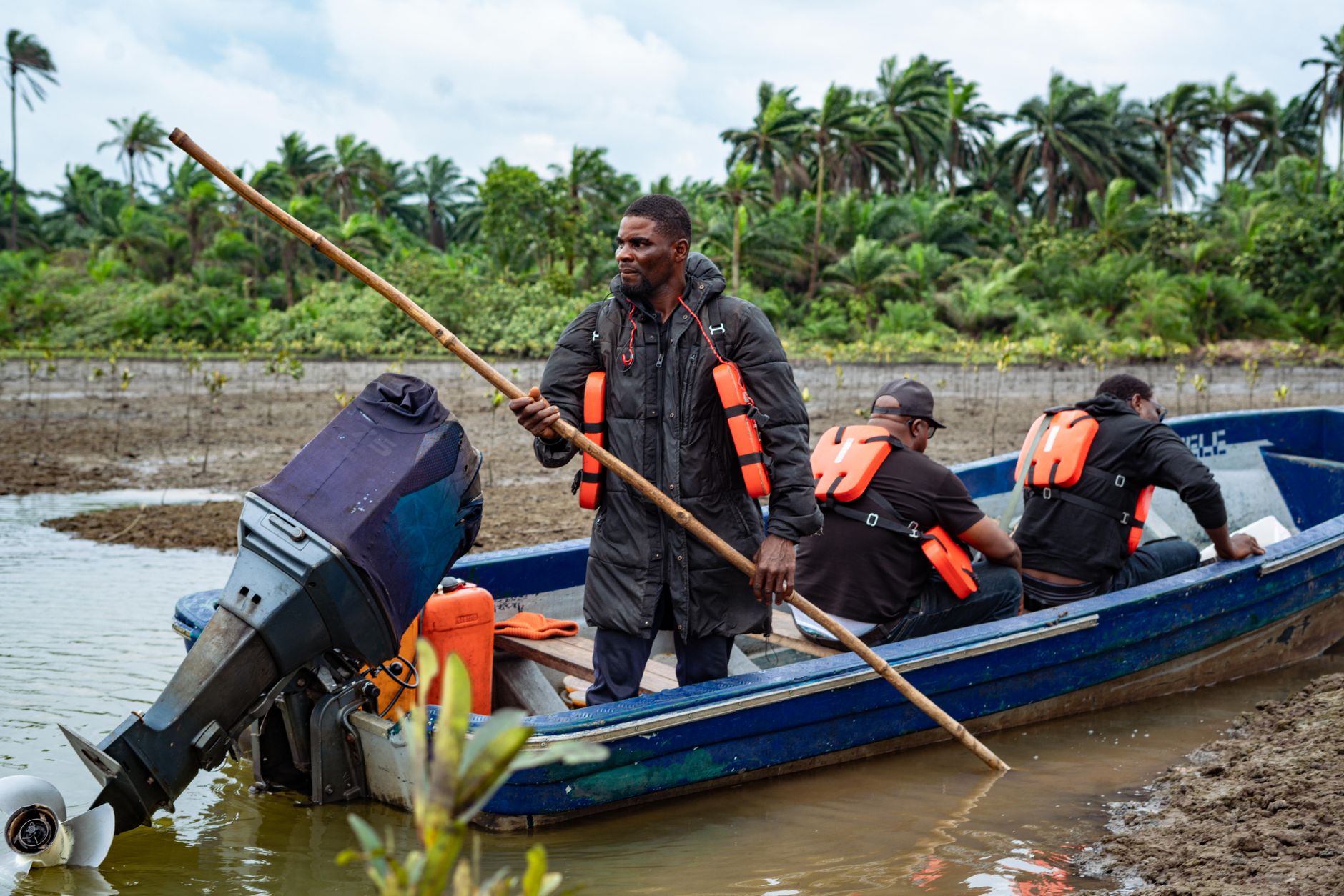
Beyond elephant, the park holds healthy populations of hippo, crocodile, buffalo, roan antelope, and sable – the latter two being species that many more famous parks struggle to offer with any consistency. The birding along the floodplain margins is genuinely exceptional: African skimmers, Pel’s fishing owl, pygmy geese, and a rotating cast of waders that follow the water levels through the seasons. Boat-based game viewing along the Kwando works here in the same way it does in Botswana’s Chobe, just with fewer boats.
The Infrastructure Question – and Why It Actually Works in Mudumu’s Favor
Mudumu is not a polished destination. The park has a limited number of campsites and a small number of lodge options concentrated near its northern edge, and the interior tracks can become genuinely impassable during the November to April rainy season. A self-drive visitor needs a capable 4×4, a reliable navigation setup, and the kind of flexibility that allows for unplanned stops when a track washes out. These are real constraints, not minor inconveniences.
That friction is also the direct reason wildlife density relative to visitor numbers stays so high. Bwabwata draws visitors who want the full guided, catered, fly-in experience, and Botswana’s tourism model specifically prices that market in. Mudumu attracts overlanders, self-drive safari travelers, and the kind of wildlife photographer who wants empty sightlines more than cold drinks on arrival. The park’s campsite fees are low enough that a week along the Kwando costs less than a single night at a comparable Botswana lodge.
The lodge options that do exist near Mudumu – particularly those positioned along or near the river – maintain a standard that comfortably exceeds basic. Some offer guided boat trips and walking excursions led by local guides with serious field knowledge, and the guide-to-guest ratio at these properties tends to favor genuine attention rather than the group dynamics common at higher-volume destinations. A guest who wants a three-hour conversation about roan antelope ecology can have it.
Access logistics run through Katima Mulilo, the regional capital of the Zambezi Region, which has a functional airstrip with connections to Windhoek. From Katima, the drive to Mudumu’s northern boundary takes under two hours on tar road, transitioning to gravel as you move south into the park. Fuel and supplies should be secured in Katima – the park interior has none. This is the kind of logistical preparation that rewards travelers who read destination guides carefully and punishes those who assume southern African national parks come with roadside amenities.
Why Mudumu Stays Under the Radar
Marketing has a geography problem in southern Africa. Botswana invested heavily and early in positioning itself as a premium, low-volume, high-value destination, and that strategy paid off in international name recognition that now perpetuates itself. Namibia’s Caprivi Strip – officially renamed the Zambezi Region in 2013, though the old name persists in most travel writing – never received equivalent attention despite holding comparable ecosystems and, in some stretches, better access than Botswana’s more remote river camps.
Part of the gap is a marketing artifact. Part of it is that Namibia’s better-known drawcards – Sossusvlei, Etosha, Fish River Canyon – sit far to the south and west, pulling visitor itineraries away from the country’s northeastern corner. A traveler who flies into Windhoek and builds a standard Namibia circuit will often never reach the Caprivi. The strip requires commitment: it sits at the far end of a long drive or a specific flight, and that distance acts as a filter. The travelers who make it through that filter tend to be experienced enough to know what they are looking at when the elephants come down to drink.
Mudumu is also in direct proximity to other underappreciated parks. Nkasa Rupara National Park – sometimes called Mamili – sits to the south and covers a vast area of permanent swamp and seasonal floodplain that functions as Namibia’s answer to the Okavango Delta, again with a fraction of the visitor count. The two parks together form a contiguous block of wilderness that a traveler could spend two weeks inside without covering the same ground twice.
The more relevant question for anyone planning a southern Africa river trip right now is whether the window of low visitor pressure stays open. Conservation investment in the Kavango-Zambezi area has been increasing, and more tour operators are beginning to build Caprivi itineraries into their programs. The lodges along the Kwando are not a secret among people who run overland routes between Namibia and Zimbabwe. Once a few more fly-in options come online and the road access improves in places, the calculation that makes Mudumu feel like a private river today may look different.
Frequently Asked Questions
Is Mudumu National Park suitable for self-drive visitors?
Yes, but you need a capable 4×4, supplies from Katima Mulilo, and flexibility for rough tracks, especially during the rainy season from November to April.
How does Mudumu compare to Bwabwata National Park in Botswana?
Both parks share the same river corridor and wildlife base. Mudumu offers similar encounters – large elephant herds, hippo, rare antelope – at significantly lower cost and with far fewer visitors.