Namibia’s Mudumu National Park Quietly Rivals Chobe for Elephant Wanderers

Where the Elephants Actually Go
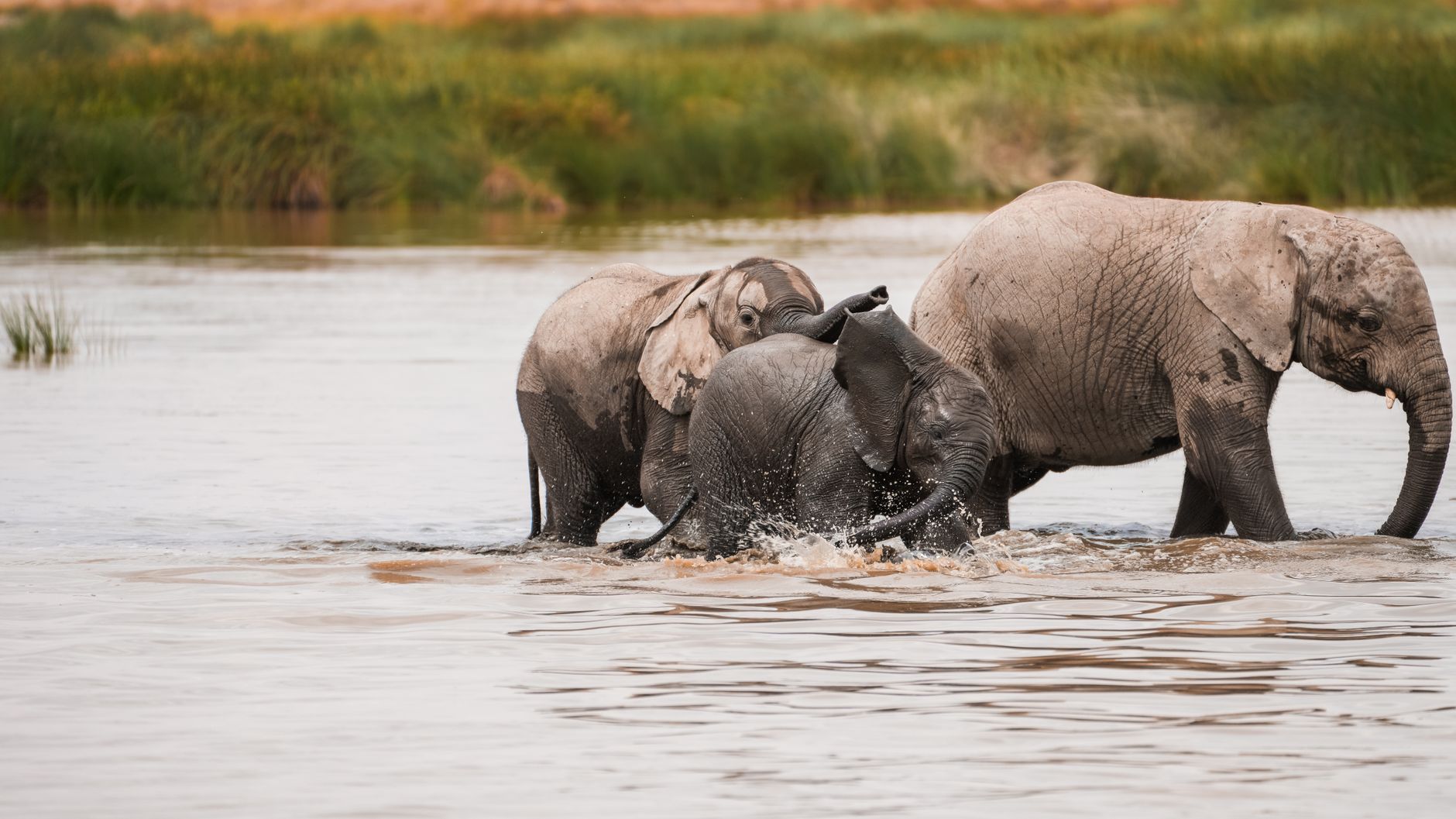
Chobe National Park in Botswana gets the headlines, the safari operators, and the sunset cruise bookings. Its elephant population – reportedly the largest concentration of African elephants anywhere on the continent – draws visitors from every corner of the world who want to watch herds of a hundred animals wade through the Chobe River at golden hour. That spectacle is real, and it delivers. But directly across the border, tucked into Namibia’s Caprivi Strip, Mudumu National Park offers something Chobe increasingly cannot: the feeling that you found the elephants yourself.
Mudumu sits in the Bwabwata-Mudumu-Nkasa Rupara conservation corridor, a sprawling trans-frontier system that allows wildlife to move freely between Namibia, Botswana, Zambia, and Zimbabwe. The elephants in this region do not read park boundaries. They cross the Kwando River when the season shifts, they follow ancient migration routes that predate every fence and road in the area, and they show up at Mudumu’s waterholes in numbers that would stop any seasoned safari-goer cold. The park just does not advertise it.
The Geography That Makes It Work
The Caprivi Strip – officially the Zambezi Region since 2013 – is the narrow finger of Namibia that stretches east between Angola, Botswana, Zambia, and Zimbabwe. It is ecologically unlike the rest of Namibia, which most travelers associate with red dunes, desert silence, and the stark geometry of Sossusvlei. The Caprivi is wet, green, and laced with river systems. The Kwando, the Linyanti, and the Chobe rivers all define or border the region, and that water draws wildlife year-round. Mudumu sits between the Kwando and the Linyanti, which means it is essentially flanked by two of southern Africa’s most productive wildlife corridors.
What keeps Mudumu quieter than its neighbors is infrastructure – or the deliberate lack of it. The park has limited lodge options, no major chain operators running mass-market packages, and a road network that rewards patience over speed. Getting there involves either flying into Katima Mulilo and driving south, or committing to an overland journey through one of the least-trafficked stretches of tarmac in southern Africa. That friction filters the crowd. The people who arrive at Mudumu’s waterholes in the early morning generally chose to be there specifically, not because it appeared on a discounted package deal.
What You Actually See on the Ground
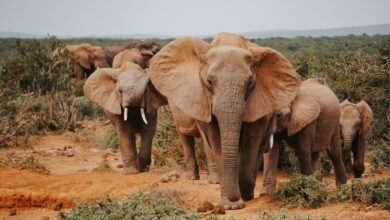
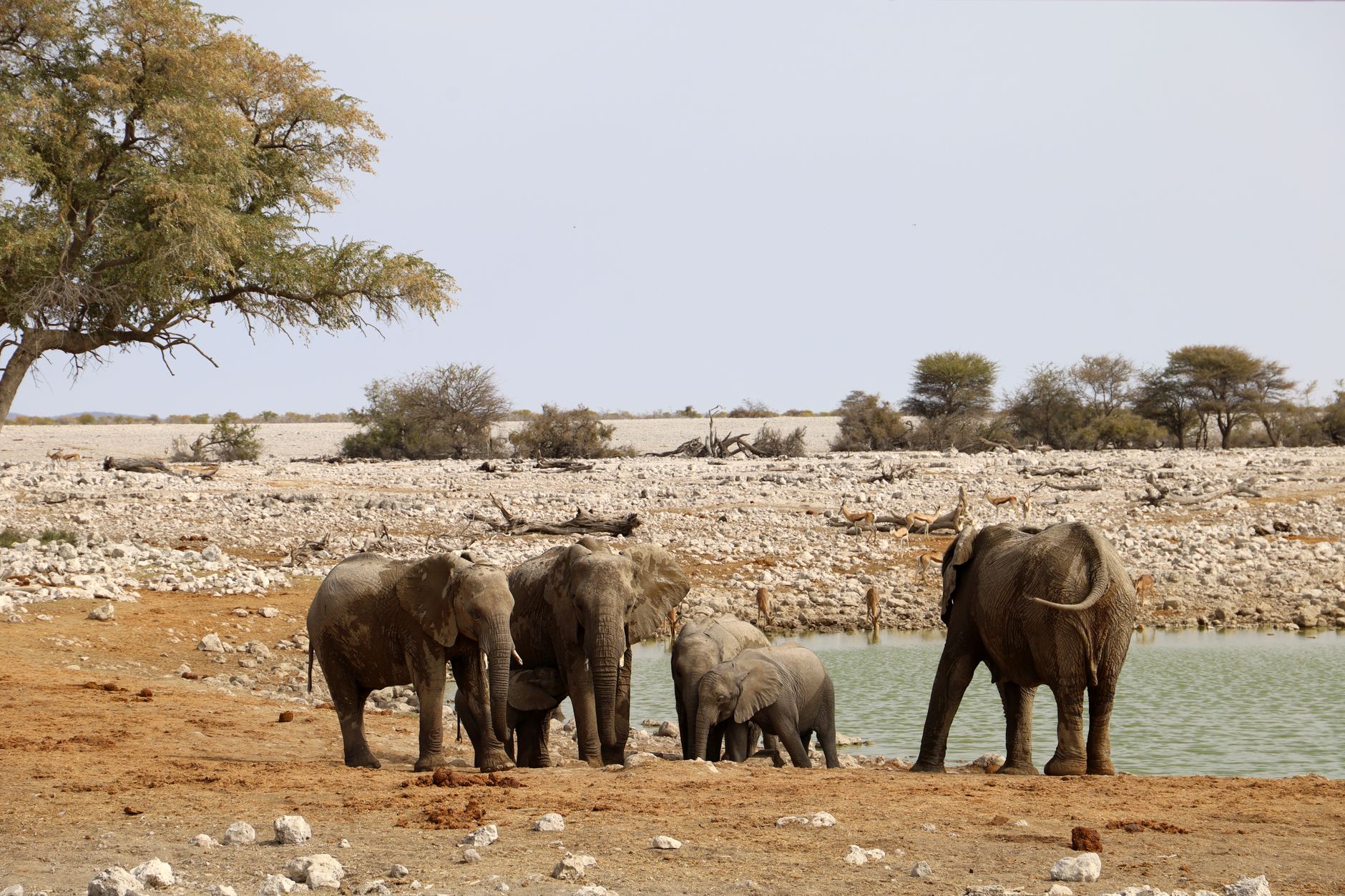
Elephant sightings at Mudumu are not a matter of luck so much as timing and positioning. The dry season – roughly May through October – concentrates wildlife around permanent water sources, and Mudumu’s floodplains become a gathering point for herds moving between Botswana and Namibia. Visitors who spend two or three days at the park’s lodges typically encounter elephant groups daily, sometimes in herds exceeding fifty animals, browsing through the mopane and marula woodland that borders the river channels.
The park also holds healthy populations of hippo, buffalo, and crocodile along its waterways, with leopard present but elusive – as they always are. Sable antelope, roan antelope, and red lechwe appear with regularity in the grassland and floodplain sections, species that many visitors familiar only with East African safari circuits have never encountered in the wild. The birdlife is exceptional by any measure: Pel’s fishing owl, African skimmer, and Bradfield’s hornbill are all recorded in the area, making it a serious destination for birders who have already worked through East Africa’s usual lists.
What separates the Mudumu experience from Chobe is scale and proximity. On the Botswana side, some operators run boats carrying twenty or more passengers along the Chobe River during peak season, and the parade of vehicles at major sightings can reach double digits. Mudumu’s limited lodge capacity means game drives rarely involve more than two or three vehicles at the same location. When you find a breeding herd at a waterhole with one other Land Cruiser present, the encounter lands differently. The animals behave differently too – less habituated to the noise of large tourist operations, which makes some sightings feel genuinely unscripted.
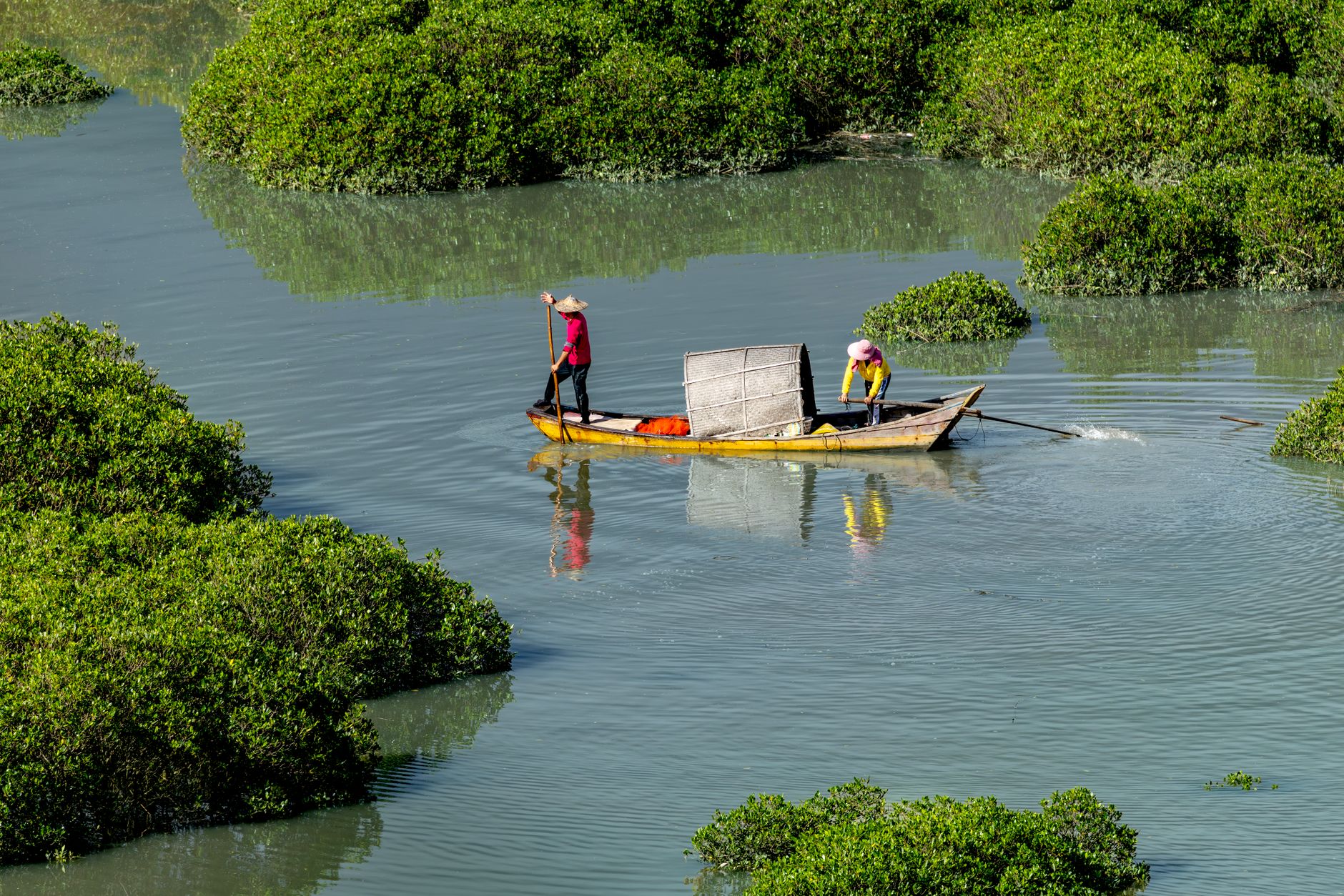
Water-based activities along the Kwando River add a dimension that strictly land-locked parks cannot offer. Mokoro excursions – the flat-bottomed dugout canoes associated with the Okavango Delta – are available through several local operators, and drifting quietly past a pod of hippos or watching a fish eagle hunt from a low branch without the sound of an engine running creates a kind of stillness that defines what many people are actually searching for when they plan an African safari.
Logistics and Practical Realities
Mudumu National Park is managed by Namibia Wildlife Resorts and is open to self-drive visitors with appropriate permits, though the road conditions inside the park require a high-clearance 4×4 during and immediately after the rainy season. The town of Kongola serves as a practical gateway, positioned on the B8 highway that runs the length of the Caprivi Strip. Fuel and basic supplies are available there, though anyone planning an extended stay should carry reserves. The park does not have the petrol-station-and-supermarket infrastructure that visitors to more developed safari destinations take for granted.
Lodge options within and adjacent to Mudumu tend toward intimate, owner-operated properties that keep guest numbers deliberately low. Some operate on an all-inclusive model that covers game drives, meals, and boat activities, which simplifies budgeting considerably. Prices are generally lower than comparable lodges on the Botswana side of the border – not dramatically, but enough to matter over a seven- or ten-day itinerary. The Namibia Dollar is pegged to the South African Rand, and the exchange rate from US Dollars or Euros has historically favored the traveler, though that fluctuates.
Combining Mudumu with Chobe is genuinely straightforward. The border crossing at Ngoma connects Namibia’s Caprivi Strip directly to Botswana’s Chobe District, and the drive between Mudumu’s main lodge area and Kasane – Chobe’s main town – takes under two hours in normal conditions. Many travelers who discover Mudumu do so precisely because they were already planning a Chobe trip and added a few days across the border on someone’s recommendation. The sequence usually goes the same direction: Chobe first, Mudumu after. Those who do it that way rarely describe it as an afterthought.
The Question of Timing
Mudumu rewards visitors who arrive during the dry season, when wildlife concentrates and the dirt tracks inside the park are navigable without four-wheel drive drama. The wet season – November through April – transforms the floodplains into genuine wetlands, and some areas become inaccessible entirely. That seasonal closure is not a flaw; it is what maintains the ecosystem that makes the dry-season spectacle possible. The flooding deposits nutrients, drives fish breeding cycles, and ultimately sustains the elephant population that draws visitors in the first place.
The sweet spot most experienced safari travelers identify is late July through September, when the dry season is well established, temperatures are manageable, and the elephant herds have been congregating around permanent water long enough that their daily patterns become predictable. Book a lodge with a resident guide who has spent multiple seasons in the park, and those patterns – which waterhole the big breeding herd visits before noon, which stretch of riverbank the bulls favor at dusk – become the backbone of every morning’s game drive plan. That kind of local knowledge is not available on a Chobe river cruise with forty passengers aboard.
Frequently Asked Questions
Is Mudumu National Park good for elephant sightings?
Yes. Mudumu sits inside a trans-frontier wildlife corridor where elephant herds move freely between Namibia, Botswana, Zambia, and Zimbabwe. Dry-season sightings of large herds are common, often with very few other vehicles present.
How do you get to Mudumu National Park from Chobe?
The Ngoma border crossing connects Namibia’s Caprivi Strip to Botswana’s Chobe District. The drive between Mudumu’s main lodge area and Kasane takes under two hours in normal road conditions.