
Where Rust Meets Sand and the Atlantic Swallows Ships Whole
Botswana gets the safari headlines. The Okavango Delta, the elephant herds, the luxury tented camps with plunge pools facing floodplains – it is a well-marketed dream, and it delivers. But for a certain kind of traveler, the ones drawn less to abundance and more to ruin, Namibia’s Skeleton Coast is doing something entirely different. It is offering wreckage, literally, as the main attraction.
The Skeleton Coast stretches roughly 500 kilometers along Namibia’s northwestern Atlantic shoreline, from the Ugab River mouth in the south to the Kunene River at the Angolan border. It is a place where cold Benguela Current waters crash against one of the world’s oldest deserts, where fog rolls in thick enough to disorient ships, and where the bones of whales and the hulls of vessels have been bleaching on the sand for centuries. The San people called it “The Land God Made in Anger.” Portuguese sailors called it “The Gates of Hell.” Both names stuck for a reason.
Shipwreck tourism is not a niche invented by Instagram.
A Graveyard That Earns Its Name
The coast’s reputation for maritime disaster predates modern navigation aids by several hundred years. Vessels attempting to round the Cape of Good Hope were frequently dragged off course by the Benguela’s powerful northward push, and the fog – dense, persistent, arriving without warning – made visual navigation useless for days at a stretch. Ships that came too close simply didn’t leave. The wrecks that resulted were not always accessible by land, which meant survivors who made it ashore often died of thirst in the desert before rescue arrived. The name “Skeleton Coast” refers as much to those human remains as to the whale bones that once carpeted the beaches during the height of the whaling industry.
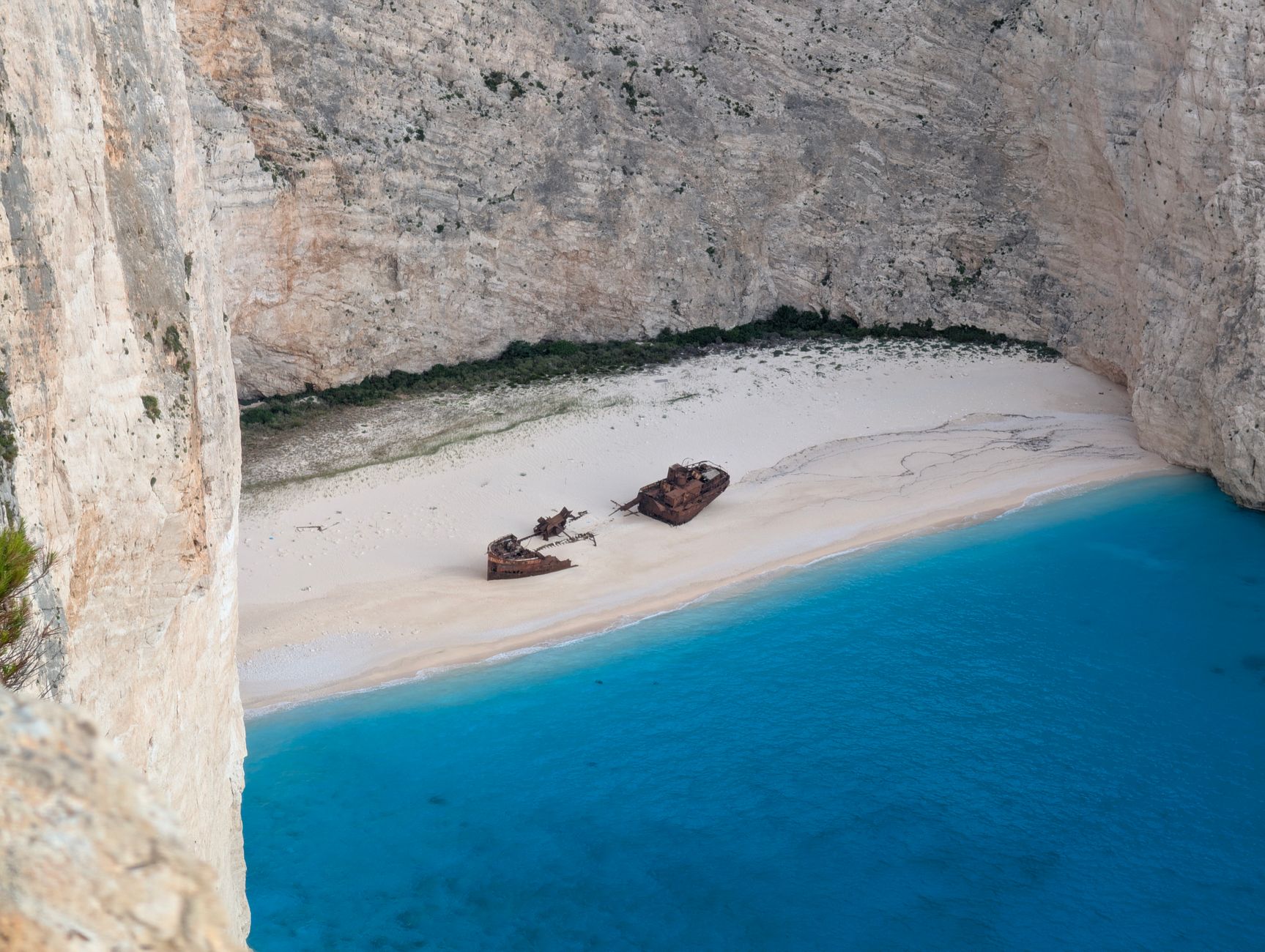
Today, a handful of these shipwrecks remain visible and reachable, and they have become the centerpiece of fly-in safari itineraries that have little in common with the Botswana model. The Dunedin Star, a British cargo vessel that ran aground in 1942 during a wartime supply run, sits rusted and half-buried near the Angolan border. Getting there requires either a chartered light aircraft or a multi-day 4×4 expedition through terrain that is actively hostile to casual tourism. The Eduard Bohlen, grounded in 1909, has arguably become the coast’s most photographed wreck – a massive iron freighter now sitting hundreds of meters inland from the current shoreline because the desert has simply grown around it over the decades. Walking up to it feels less like visiting a historic site and more like stumbling across something that the landscape swallowed and forgot to finish digesting.
Access to the northern section of the coast, designated as the Skeleton Coast National Park, is tightly restricted. The southern portion allows some self-drive access, but the north requires permits and, practically speaking, a licensed operator. That restriction is precisely what keeps the experience intact. The wrecks have not been roped off, signposted, or turned into gift shop fodder. They sit exactly where they landed, slowly becoming part of the coastline itself.
Why This Coast Is Gaining Ground Among Serious Travelers
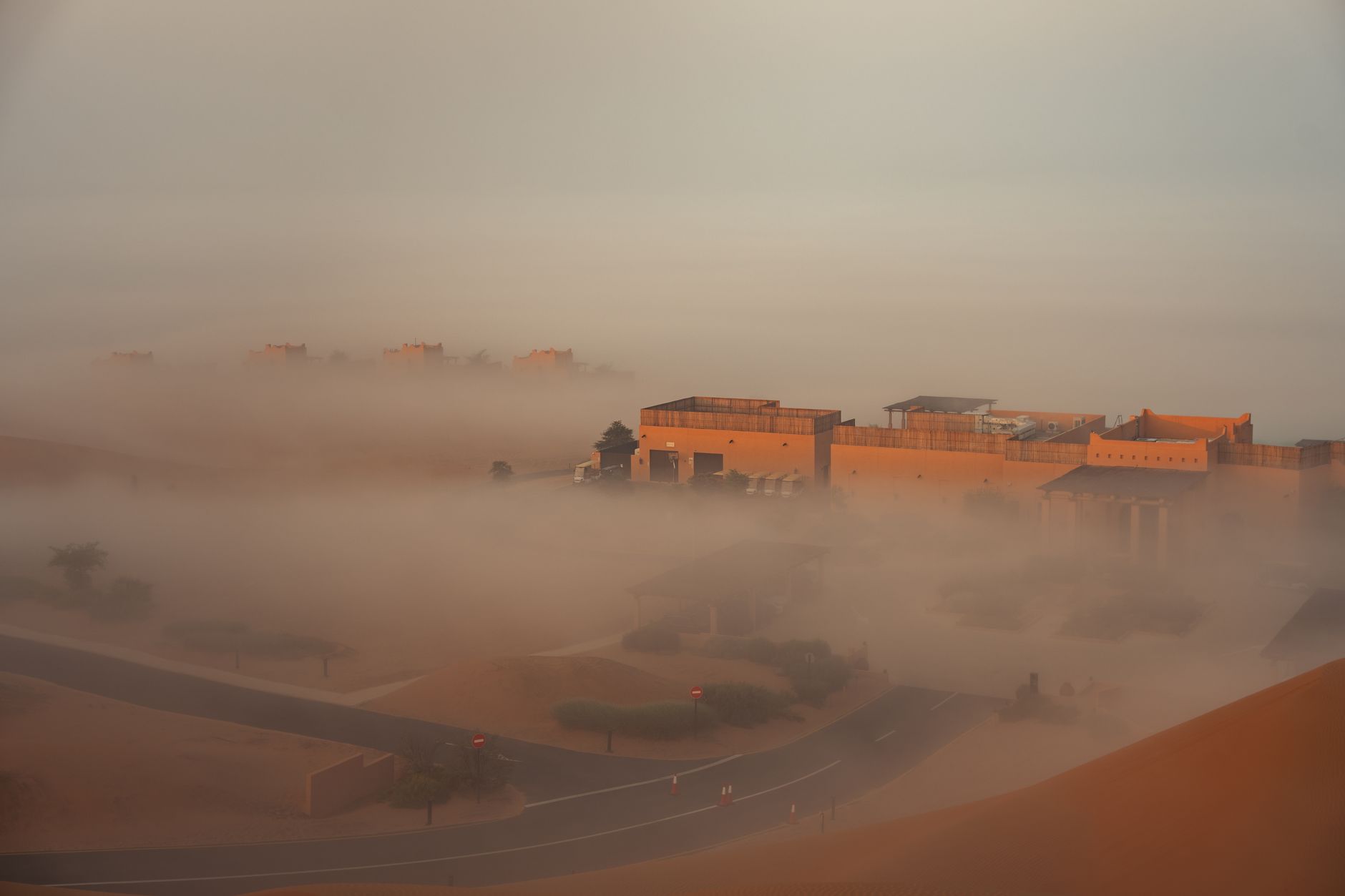
The traveler profile shifting toward the Skeleton Coast is not the first-time Africa visitor. These are people who have already done Botswana, who have tracked gorillas in Rwanda, who have stood on Kilimanjaro’s summit and are now looking for something with less infrastructure and more psychological weight. The Skeleton Coast delivers on both counts. There is no five-star lodge overlooking a shipwreck. There are remote camps, some of them genuinely isolated, where the wind is loud enough at night to make conversation difficult and where the nearest other human being might be hours away by vehicle.
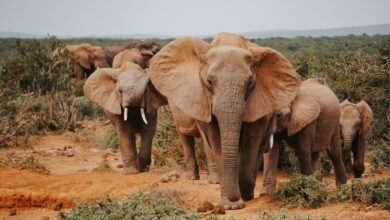
The wildlife dimension is real but different in character from eastern or southern African safari destinations. Colonies of Cape fur seals number in the hundreds of thousands at places like Cape Cross, drawing black-backed jackals and brown hyenas down to the waterline to scavenge. Desert-adapted lions have been documented moving through this landscape, hunting the seal colonies, representing a behavioral adaptation that exists almost nowhere else. Desert elephants and black rhinos are present in the arid interior just east of the coast. None of it is guaranteed, and the operators who work this area will tell visitors directly that the draw is not wildlife density – it is the totality of a landscape that feels like it operates completely outside human convenience.
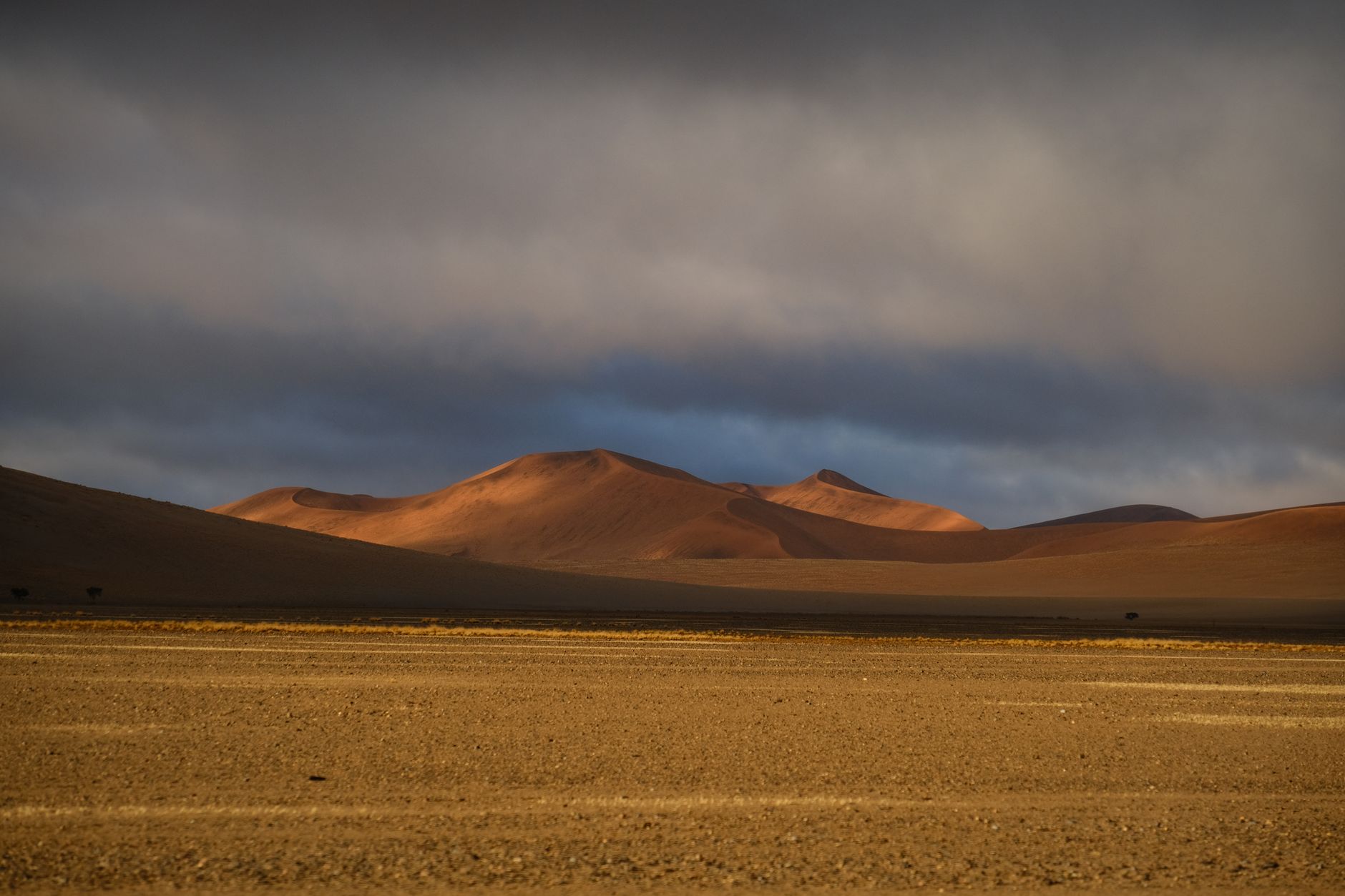
A growing number of operators are now building itineraries that combine the Skeleton Coast with Namibia’s other extreme environments – the red dunes of Sossusvlei, the wildlife-rich Etosha Pan, the colonial architecture of Luderitz. The logic is that Namibia rewards those willing to move through it rather than settle into one postcard view. The Skeleton Coast is the chapter of that journey that most travelers remember longest, not because it was comfortable, but because it asked something of them.
The Quiet Case for Choosing Rust Over Reputation
Botswana is not going anywhere, and neither is its appeal. But the Skeleton Coast represents a genuinely different proposition – one where the primary experience is not wildlife abundance or luxury accommodation, but the disorienting confrontation with scale, decay, and a coastline that has never particularly welcomed human presence. The Eduard Bohlen sits in the sand, 500 meters from the water that wrecked it, and the desert is still growing toward the sea at its own pace, unbothered by the distinction between what was a ship and what is now just another piece of the landscape.