
Where the Atlantic Swallows Ships and Silence Rules
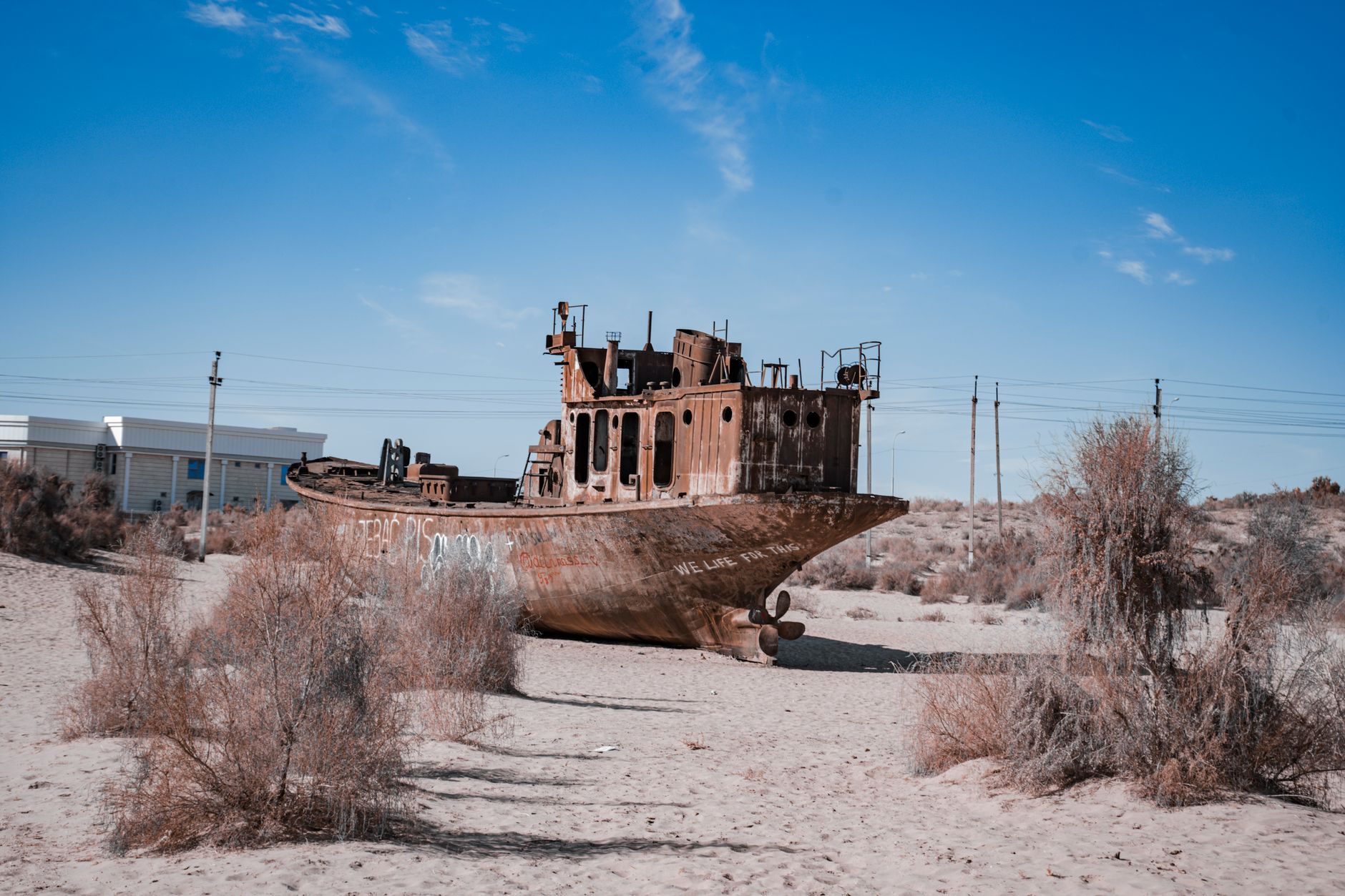
Most travelers who book a Namibia safari have one name circled on the map: Etosha. The pan, the elephants, the waterholes at dusk – it is a well-worn circuit that delivers exactly what it promises. But running parallel to that fame, along 1,500 kilometers of fog-draped coastline where the cold Benguela Current collides with the Namib Desert, the Skeleton Coast has been quietly accumulating its own mythology. Rusted hulls half-swallowed by sand. Seal colonies loud enough to hear from a kilometer away. Bleached whale bones scattered like dropped furniture. This is not a destination built for comfort-seekers.
For a specific kind of traveler – one drawn to wreckage, emptiness, and landscapes that feel genuinely indifferent to human presence – the Skeleton Coast does not merely rival Etosha. It makes Etosha feel polished and curated by comparison. The Bushmen of the region called it “The Land God Made in Anger.” Portuguese sailors named it “The Gates of Hell.” Both descriptions remain accurate.
The Shipwrecks That Define the Shore
The wrecks are the obvious draw, and they earn every word written about them. The Eduard Bohlen, a cargo steamer that ran aground in 1909, now sits roughly half a kilometer inland from the current waterline – the desert has swallowed that much ground in just over a century. You approach it across a flat expanse of sand that was once the seafloor, and the scale of the thing only registers once you are standing beneath the hull. No ropes. No guides. No interpretive panels. Just iron, rust, and the wind moving through the frame like breath through a ribcage.
Further north, near Henties Bay and beyond, other wrecks punctuate the shoreline at intervals that keep the drive from ever becoming routine. Some are identified; others are not, their names lost with the ships’ logs. The fog that rolls in off the Benguela Current was responsible for most of these disasters – it can drop visibility to near zero within minutes, and it does so without warning even on days that started clear. The coastline earned its name from both the shipwrecks and the whale bones left by 19th-century hunters, a landscape so hostile that survivors who made it to shore often died of thirst before reaching help. That history sits beneath every photograph taken here.
What the National Park Actually Requires of You
The Skeleton Coast National Park is divided into a southern section, accessible to self-drive visitors with the right permits, and a northern section – the area above the Hoanib River – that is restricted to licensed operators. Getting permits for the southern section requires advance planning, and the road conditions mean a 4×4 vehicle is not optional. It is also worth being honest about distances: the nearest fuel stop can be 200 to 300 kilometers from where you park for the night. Travelers who treat this like a conventional game reserve have a bad time.
The northern section is another matter entirely. Access there is limited to a handful of fly-in safari camps, which keeps visitor numbers low and the landscape genuinely undisturbed. The trade-off is cost – these camps sit at the premium end of the market – but the exclusivity is not theatrical. The desert lion populations that roam this stretch of coast are among the rarest in the world, adapted over generations to a diet that includes seals and the occasional beached whale. Sightings are not guaranteed, and operators are clear about that. The lions have hundreds of kilometers to move through.
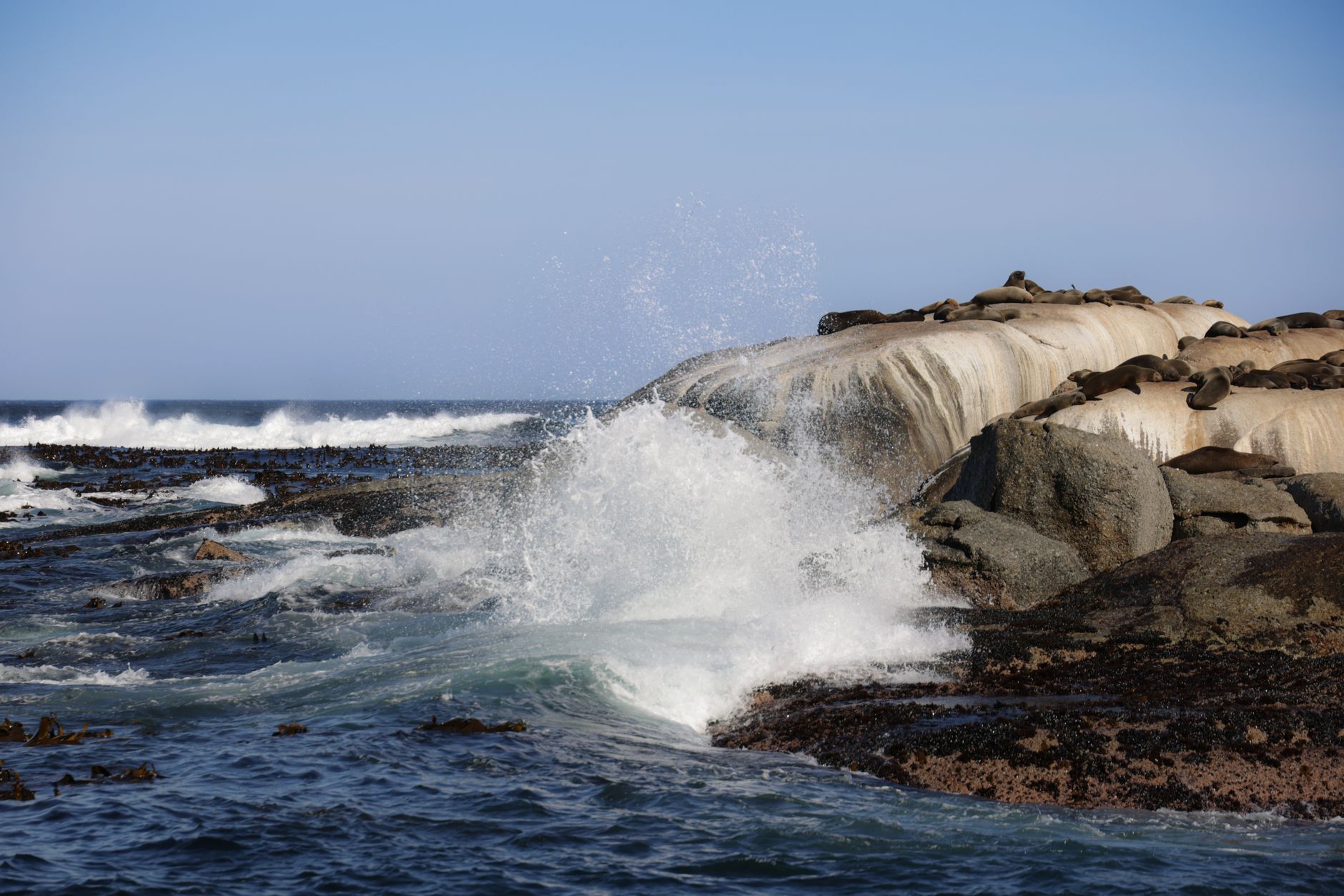
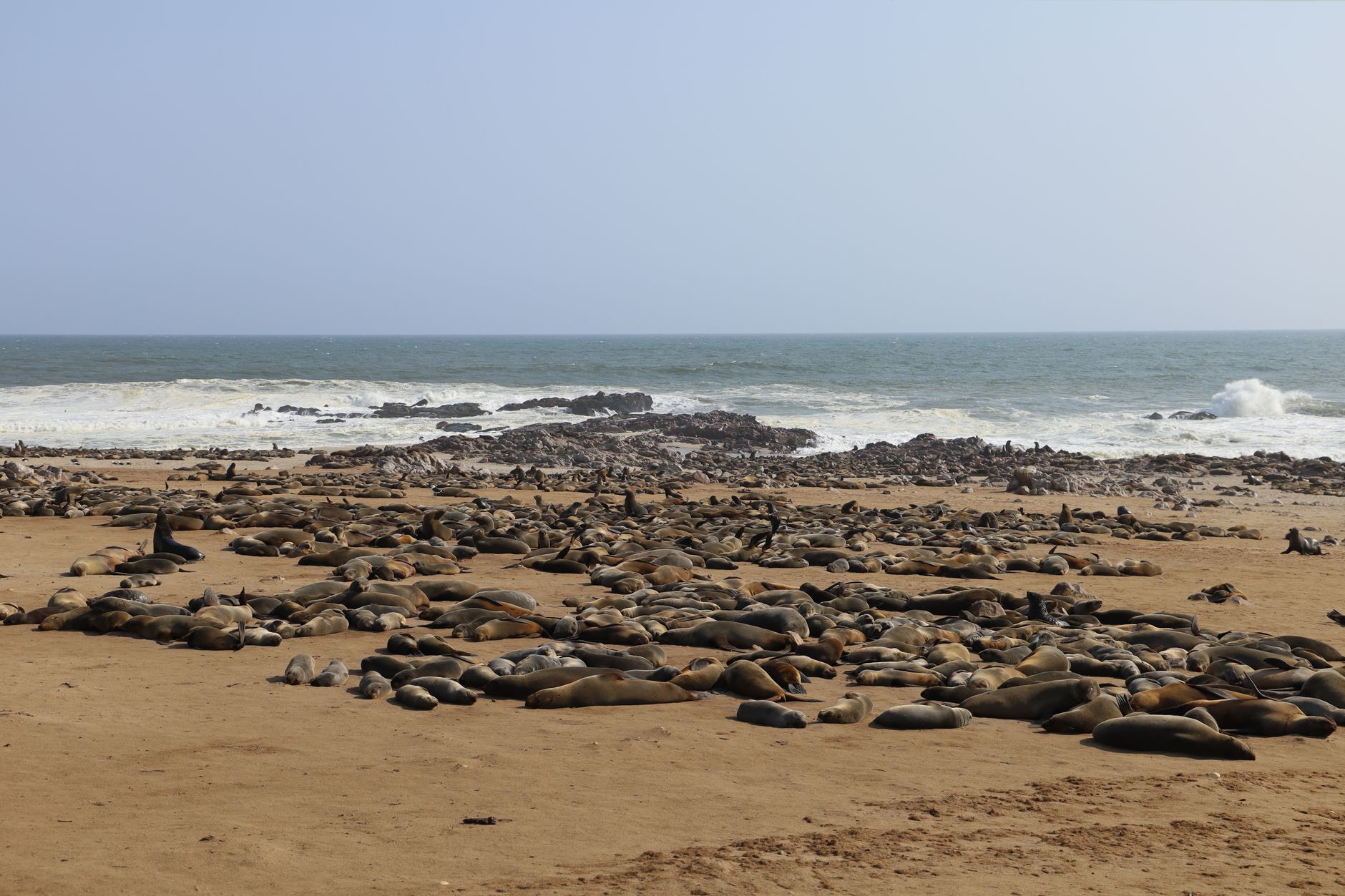
Wildlife beyond the lions includes brown hyenas, black-backed jackals, and the Cape fur seal colony at Cape Cross, which numbers in the hundreds of thousands. Cape Cross is accessible from the southern section and is frequently described as one of the more overwhelming sensory experiences in Africa – the smell reaches you well before the colony comes into view. Birding along the coast is serious business, with large concentrations of coastal and migratory species using the Benguela upwelling as a food source.
The Skeleton Coast also connects, further inland, to the communal conservancies of Damaraland, which gives a longer itinerary the chance to layer desert culture and geology on top of the coastal experience. Rock engravings at Twyfelfontein, desert-adapted elephants moving through dry riverbeds, Himba communities running their own tourism operations – the region rewards travelers willing to slow down and stay more than two or three nights.
How It Compares to Etosha Without Diminishing Either
Etosha is a masterclass in efficiency. The waterholes are productive, the distances between camps are manageable, and a first-time visitor can see the Big Five in three days without any particular luck. The Skeleton Coast offers none of those assurances. There are no waterholes to stake out, no central pan to orient yourself by. The experience is lateral rather than cumulative – you follow the coast, stop where the landscape demands it, and accept that the reward is mood and texture rather than checkable sightings.
That distinction matters for trip planning. Etosha and the Skeleton Coast are not substitutes for each other – they answer different questions. Etosha asks what you want to see. The Skeleton Coast asks what you are willing to feel. Combining both in a single itinerary, as many operators now structure it, gives a trip enough range to satisfy both instincts without shortchanging either.
Getting There and Timing the Visit
The southern entry to the park is most easily reached from Swakopmund, a coastal town that functions as the practical base for this part of Namibia. Swakopmund has lodges, gear rental, and the permit offices travelers need before heading north. From there, the C34 coastal road runs up through Henties Bay toward the park gate at Ugab River – a drive that is striking enough on its own to count as part of the experience.
The best months to visit depend on what you are prioritizing. The fog is most dramatic between June and September, which also brings cooler temperatures and active seal colonies. The austral summer months push heat inland while the coast stays relatively temperate. Desert lion activity, such as it is, does not follow a predictable seasonal pattern – the animals move according to prey and water, not the tourism calendar.
Fly-in access to the northern section typically routes through Windhoek’s Hosea Kutako International Airport, with light aircraft transfers to private airstrips inside the park. Most camps in the north operate on a fully inclusive model, covering all meals, activities, and guiding fees in the rate. The cost per night at these properties reflects both the logistics of operating in a remote restricted zone and the deliberate cap on visitor numbers – and there are no volume discounts for staying longer. If anything, the north of the Skeleton Coast actively resists the idea of being made convenient.