
Nepal’s Hidden Wildlife Corridor
Chitwan National Park gets the brochures, the bus tours, and the Instagram posts of tourists on elephant-back watching rhinos graze at golden hour. It deserves the attention – but it has also become, in many respects, a managed wildlife experience, polished for high visitor volume and predictable sightings. The Karnali region in Nepal’s far west operates on a different frequency entirely: fewer roads, fewer lodges, and a wilderness that genuinely resists easy consumption.
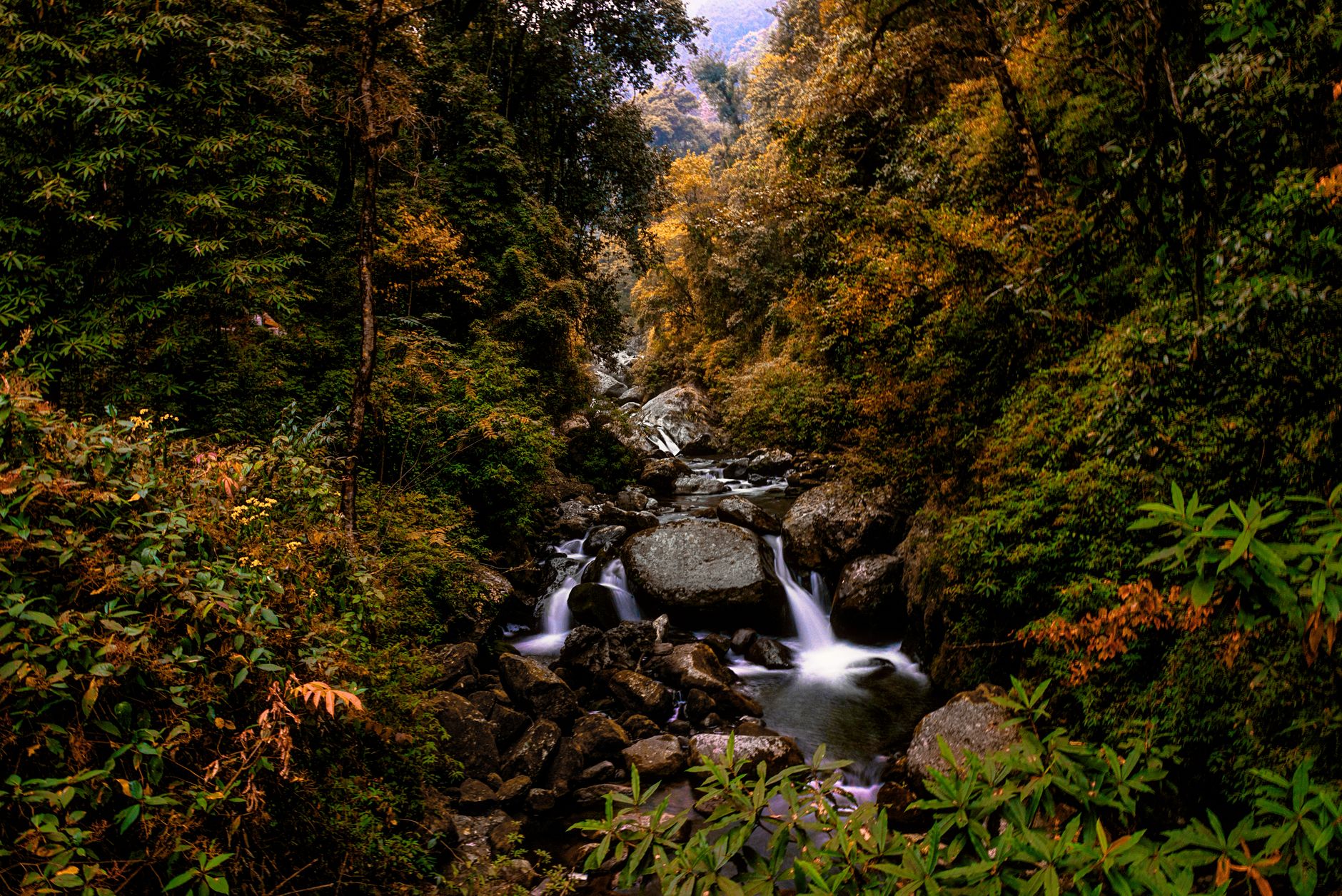
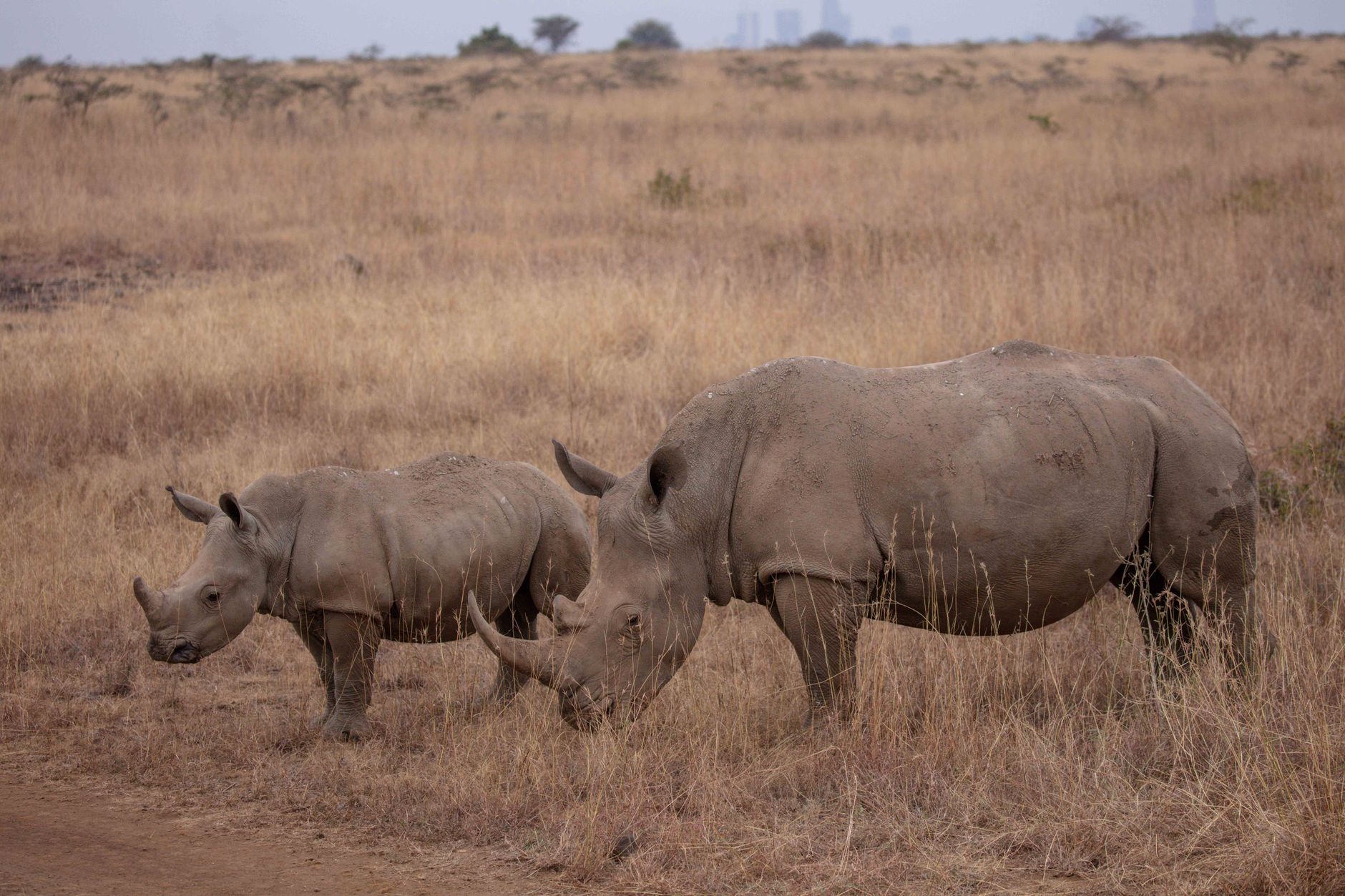
Bardiya National Park sits at the heart of Karnali’s wildlife appeal, covering roughly 968 square kilometers of sal forest, grassland, and riverine habitat along the Karnali River. It protects one of the largest populations of wild Bengal tigers in Nepal, alongside significant numbers of greater one-horned rhinoceroses that were reintroduced after local extinction. What Bardiya offers that Chitwan increasingly cannot is the sensation that you are not on a circuit – that the animals you encounter have not been sighted from the same viewpoint a hundred times that week.
What the Wildlife Actually Looks Like Here
Tiger sightings at Bardiya are not guaranteed, and that matters. In wildlife travel, the absence of a guarantee is often the mark of authentic habitat. The park’s tigers hold genuinely wild territories across dense forest corridors, and tracking them requires multi-day efforts with experienced naturalist guides rather than a two-hour jeep loop. When sightings do happen – often near the Karnali and Babai rivers at dawn – they tend to be raw encounters, not managed viewings from a waiting vehicle.
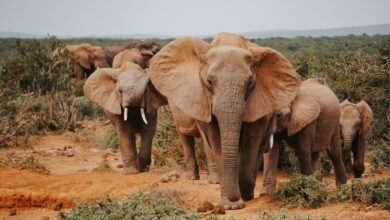
Bardiya also holds one of Nepal’s strongest populations of Gangetic dolphins in its river systems, a species that rarely features on wildlife itineraries but delivers an extraordinary spectacle when spotted rolling through fast-moving water. Gharial crocodiles – critically endangered and rarely seen elsewhere – bask along the Karnali’s sandy banks in the dry season. Elephants move through the park in small herds, and the grassland edges produce consistent sightings of swamp deer and spotted deer in numbers that rival anything in Chitwan’s open areas.
For birders, the Karnali region is genuinely underexplored. The floodplain forests and wetlands support Bengal florican, a globally threatened bustard species, along with giant hornbills, fishing eagles, and a rotating cast of migratory species during spring and autumn. Birding guides in the area tend to have deep knowledge and light client loads – the combination that produces the best days in the field.
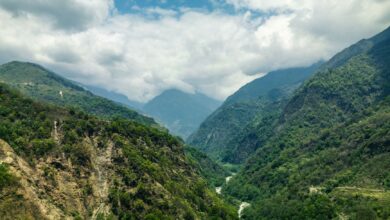
The landscape itself deserves mention as a wildlife driver. The Babai Valley, accessible from Bardiya’s interior, is a wide-open bowl of grassland framed by forested ridges, with almost no tourist infrastructure inside. Walking safaris through the valley with armed park rangers produce the kind of proximity to wildlife – on foot, at ground level – that jeep-based tourism simply cannot replicate.
Getting There and When to Go
Karnali’s main barrier is distance from Kathmandu. The journey by road runs roughly 12 to 14 hours on increasingly improved highways, and the experience of western Nepal’s towns and terai flatlands along the way is part of the trip’s value for travelers with time. Flights from Kathmandu to Nepalgunj cut travel time significantly, with onward connections to Surkhet and road transfers from there. Neither route is effortless, which is precisely why Bardiya’s visitor numbers remain a fraction of Chitwan’s.
The best season runs from October through April, when monsoon floodwaters recede and wildlife concentrates around rivers and remaining water sources. February and March offer ideal conditions – temperatures are comfortable, vegetation thins enough for visibility, and animals are active throughout the day rather than only at dawn and dusk. April pushes toward the hot season, but tiger activity near water can actually increase, making it a preferred month for serious wildlife photographers.
Where to Stay and How to Experience It
Accommodation in the Karnali region runs from basic community guesthouses in Thakurdwara village – the main gateway to Bardiya – to a handful of well-run jungle lodges positioned on the park boundary. The better lodges operate on full wildlife safari packages that include guided walks, canoe trips on the Karnali River, and community visits to Tharu villages, whose indigenous culture in this stretch of the terai has been preserved with considerably less tourist-driven erosion than in areas closer to Chitwan.
Tharu communities have deep historical ties to the forests of western Nepal, and cultural walks organized through responsible lodges offer direct engagement with that history – traditional dance performances, agricultural demonstrations, and home-cooked meals using regional ingredients like black-eyed peas, wild greens, and freshwater fish from the Karnali. This is not performance tourism staged for bus groups. In villages near Bardiya, the encounters remain genuinely reciprocal.
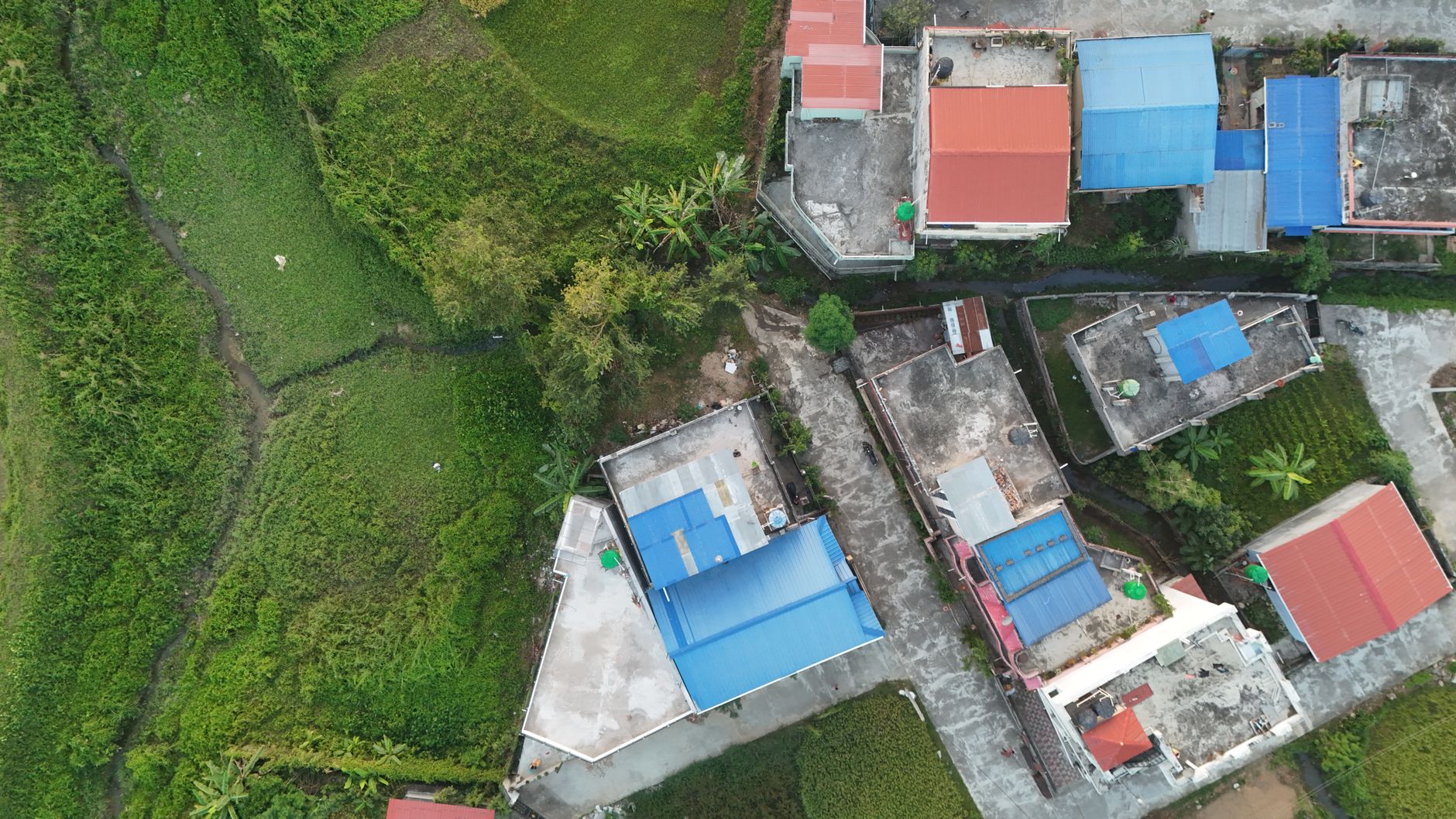
Responsible travel infrastructure in the region has improved steadily. Community forest user groups operate buffer zone areas around the park, generating income that feeds back into anti-poaching efforts and habitat management. Several lodges operate direct employment programs for local Tharu staff, and the park’s conservation outcomes – particularly for tigers and rhinos – are tracked closely by wildlife organizations working in the region. Choosing a lodge with documented community ties directly funds the habitat that makes the wildlife experience possible.
One practical note that rarely appears in travel writing: the Karnali River itself is a serious draw beyond wildlife. The upper Karnali is internationally regarded as one of the finest whitewater rafting rivers in Asia, with multi-day expeditions running from the hills above Surkhet down through gorges that open onto the terai near Bardiya. Some travelers combine a river expedition with a park stay, entering the region from the water and exiting through the forest – an itinerary that makes Bardiya feel less like a destination box to tick and more like the endpoint of a genuine expedition.
Frequently Asked Questions
Is Bardiya National Park better than Chitwan for tiger sightings?
Bardiya offers a more authentic wild tiger experience with less tourist traffic, though sightings require more effort and are less predictable than at Chitwan.
How do you get to Bardiya National Park from Kathmandu?
You can travel by road in roughly 12-14 hours or fly to Nepalgunj and take an onward connection, followed by a short road transfer to Thakurdwara village.