Nepal’s Mustang District Quietly Rivals Everest Base Camp for Ancient Wanderers

The Kingdom Nobody Talks About
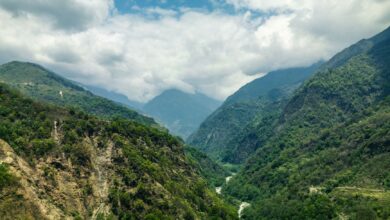
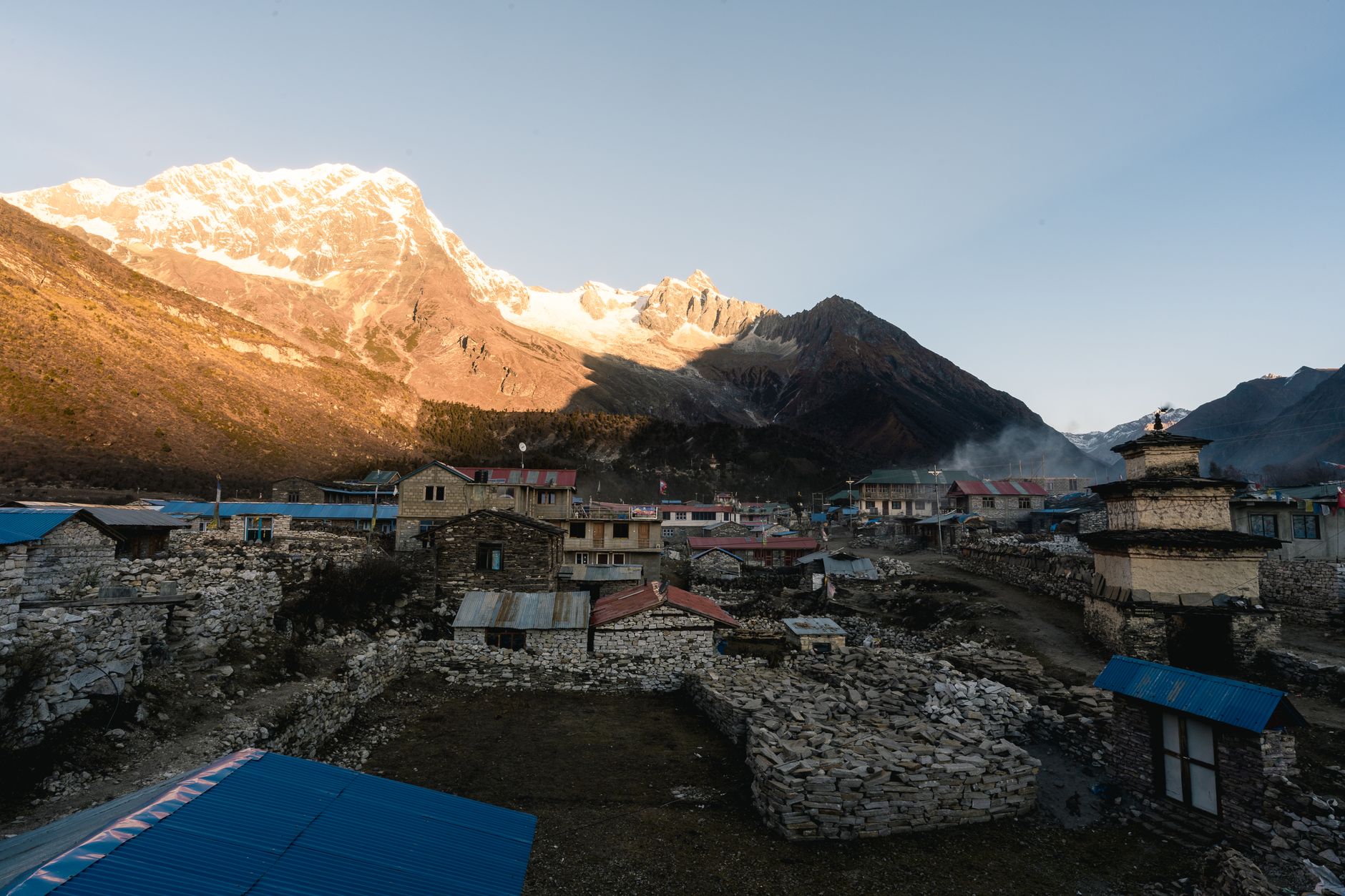
Most trekkers planning a Nepal trip fixate on altitude records and the bragging rights that come with reaching Everest Base Camp. The trail to EBC is well-worn, well-staffed, and well-documented – which is exactly why a different region of Nepal has been quietly drawing a more curious kind of traveler. Mustang, a remote district tucked against the Tibetan border in the Himalayas’ rain shadow, offers something the Everest corridor cannot: an entire ancient kingdom that survived the 20th century largely intact, its mud-brick monasteries and cave cities still holding the colors of a civilization that most of the world has never seen.
The region was closed to foreign visitors until 1992.
That isolation is not a footnote – it is the reason Mustang exists the way it does. While Nepal’s more accessible valleys absorbed tourism infrastructure, roadside commerce, and the gradual erosion of traditional architecture, Mustang kept its walled towns, its sky-burial sites, its centuries-old thangka paintings, and its oral Tibetan dialect largely undisturbed. The district is split into Lower and Upper Mustang, and it is Upper Mustang – requiring a special restricted-area permit – that holds the most extraordinary concentrations of pre-Buddhist and early Buddhist heritage anywhere in the Himalayas.
Lo Manthang and the Living Walled City
The capital of Upper Mustang, Lo Manthang, is a walled city of roughly a thousand residents who still observe the calendar of a feudal kingdom. The King of Mustang, whose lineage stretches back to the 15th century, remains a respected cultural figure even after the Nepali government formally abolished the monarchy’s political authority in 2008. Walking through Lo Manthang’s narrow alleys – white and ochre walls pressing close on either side, prayer flags snapping against a bone-dry blue sky – feels less like travel and more like a quiet intrusion into a living archive.
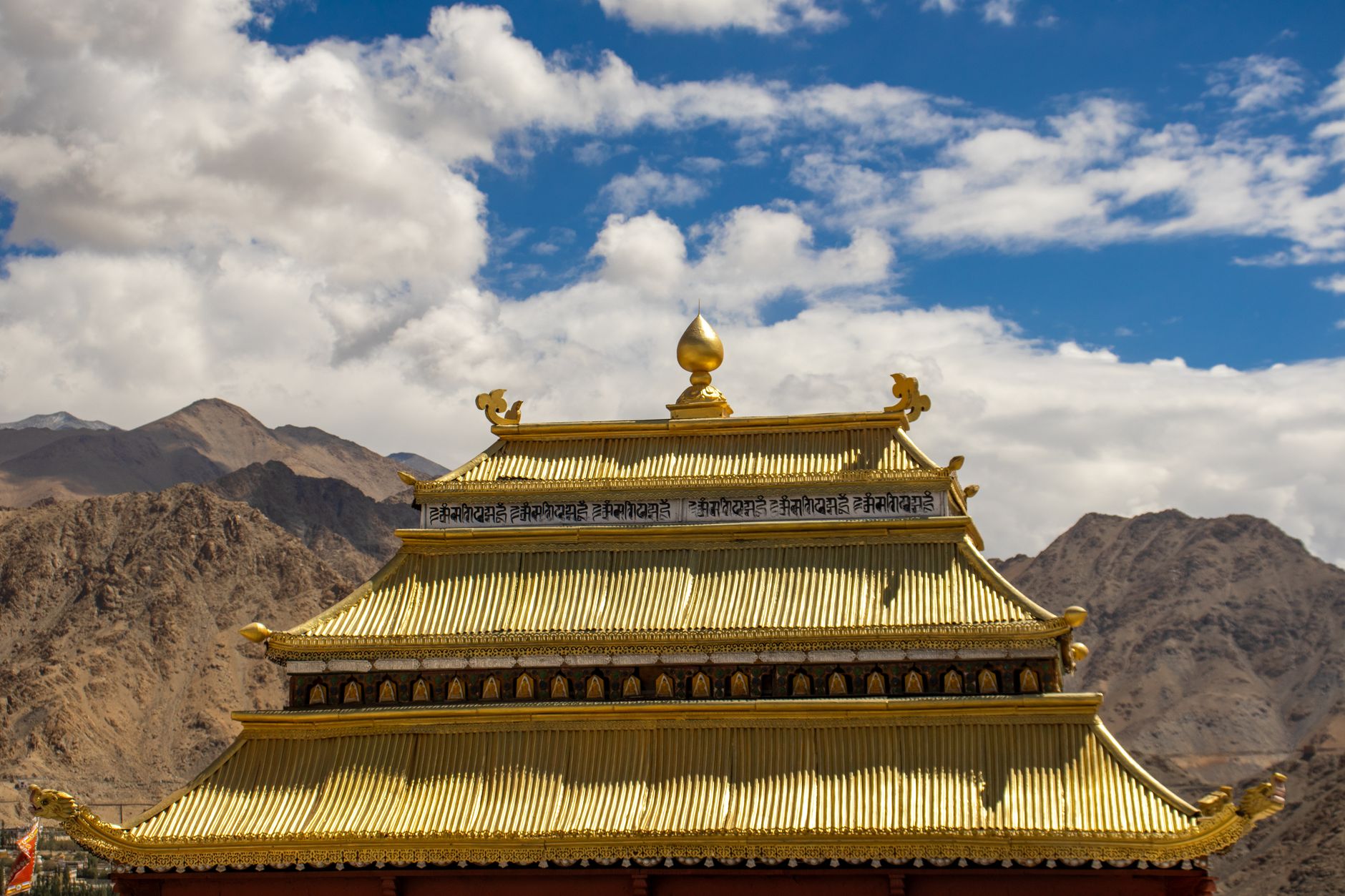
Inside the city walls are four major monasteries, including Thubchen Gompa, a 15th-century assembly hall with floor-to-ceiling murals that required a years-long restoration effort by conservationists working alongside Tibetan Buddhist monks. The paintings depict figures from the Kagyu tradition in colors that have held – deep indigo, burnt orange, jade green – despite centuries of altitude, cold, and dust. No glass barrier separates visitors from the frescoes. You walk among them.
Beyond Lo Manthang, the landscape opens into something almost surreal. The Kali Gandaki gorge – one of the deepest on earth – cuts through the district, and the wind that tears through it daily by mid-afternoon shaped the local schedule for centuries. Villages like Kagbeni and Chuksang are built against cliff faces, their rooftops used as communal terraces, their streets connecting at angles that predate any urban planner. The rock formations shift from rust to grey to chalk-white depending on the hour and the position of the sun.
The Caves, the Permits, and the Practical Reality
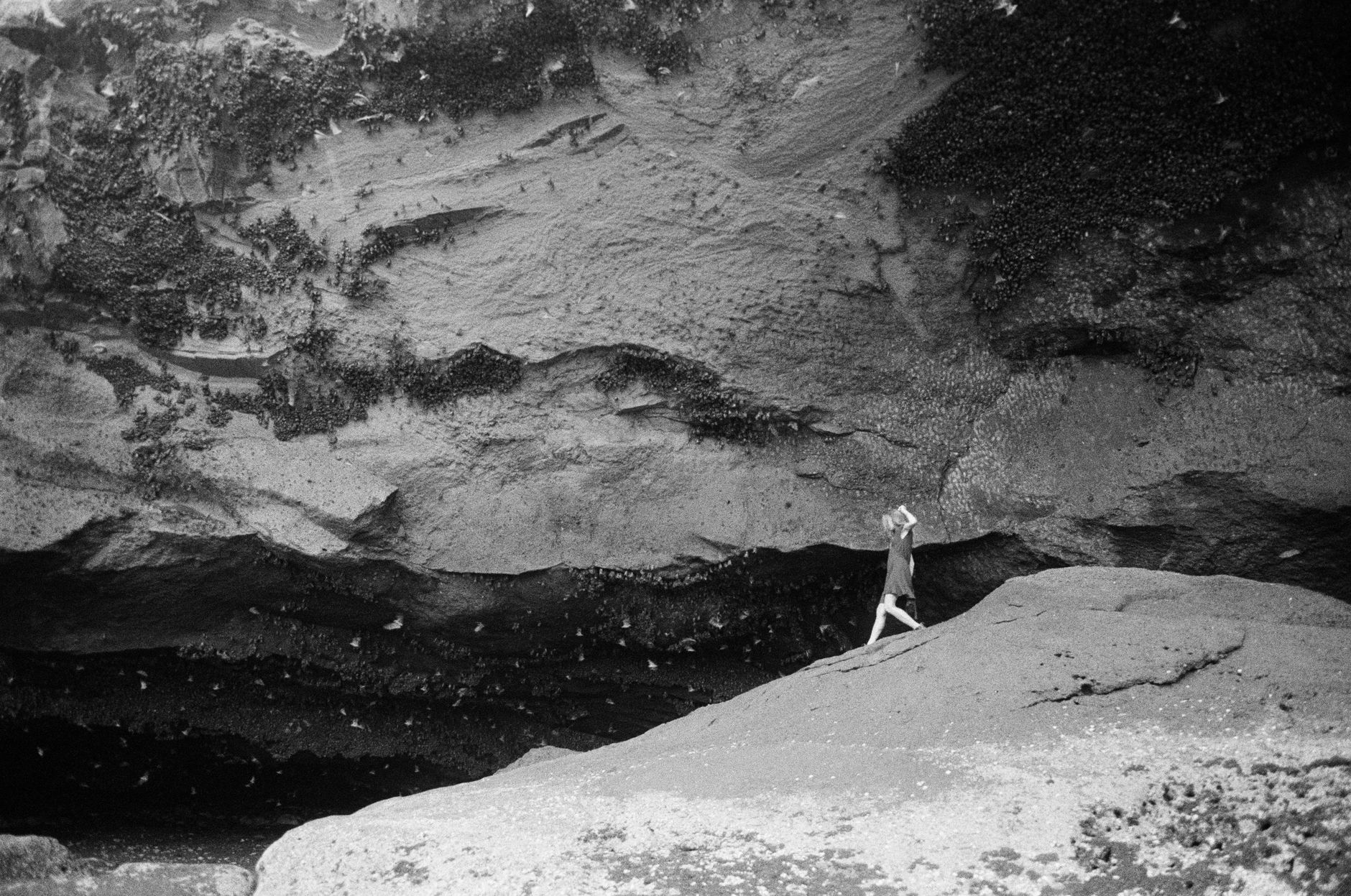
Mustang’s most astonishing and least-visited feature is its cave systems. Thousands of man-made caves are carved into the district’s cliff faces, some clustered hundreds of feet above the valley floor with no obvious access route. Archaeological excavations have uncovered human remains, manuscripts, ritual objects, and murals dating back more than two thousand years, suggesting these cliffs served as burial sites, meditation retreats, and possibly early monastic communities long before the current settlements were established. Many caves remain unexcavated and unstudied.
Access to Upper Mustang requires a restricted-area permit currently priced at $500 USD for the first ten days, with an additional daily fee thereafter. The permit must be arranged through a registered Nepali trekking agency, and solo travel without a guide is not permitted. These conditions add cost and logistical complexity, but they also enforce a natural cap on visitor numbers that has so far kept the region from the infrastructure pressures that have strained parts of the Annapurna and Everest circuits. The Jomsom-Mustang road now connects parts of the route that were once pure trekking, which means some travelers enter by jeep rather than foot – a trade-off that divides opinion among long-term visitors to the region.
The best windows for travel are April through June and September through November. Monsoon season is actually less brutal in Mustang than elsewhere in Nepal – the Tibetan plateau blocks most of the rainfall – but summer dust storms can make the road impassable. Winter temperatures at altitude are extreme. Accommodation in Lo Manthang ranges from basic guesthouses to a small number of heritage lodges operated within renovated traditional buildings, where meals lean on local staples: tsampa barley porridge, buckwheat pancakes, yak butter tea.
Why Ancient Wanderers Choose This Over Base Camp
The Everest Base Camp trek is a physical challenge framed around a single iconic destination. Mustang is a different kind of journey – slower, stranger, and harder to summarize at a dinner party. The reward is not a view of a summit. It is the disorienting experience of walking through a place that developed on its own terms, where the architecture, the spiritual practice, the cuisine, and the social rhythms all point back to a Tibetan Buddhist world that no longer exists in Tibet itself. In that sense, Mustang holds something politically complicated and historically irreplaceable: it is, for better or worse, more Tibetan than Tibet currently is.
Travelers drawn to rock-hewn heritage sites and cliff-carved civilizations – the kind who make the trek to Ethiopia’s Tigray region for its own extraordinary cave churches – often find Mustang scratches the same itch, but at higher altitude and with a more stringent permit process. The $500 entry cost keeps casual visitors out. Whether that remains true as the road improves and the region’s reputation spreads is the question nobody in Lo Manthang particularly wants to answer.