
The Valley That Stayed Hidden on Purpose
Mustang gets the glossy magazine spreads, the permit stampedes, and the pilgrim caravans that have made it a fixture on every serious Buddhist trekker’s list. Tsum Valley, tucked into the Himalayan borderlands of northern Gorkha District, has managed to avoid nearly all of that. Opened to foreign trekkers only in 2008, it sits within the Manaslu Conservation Area and requires a special restricted area permit on top of the standard trekking paperwork – a bureaucratic hurdle that filters out casual visitors before they even lace their boots.
What remains inside that filter is one of the most intact Tibetan Buddhist landscapes left accessible to outsiders anywhere in the Himalayas.
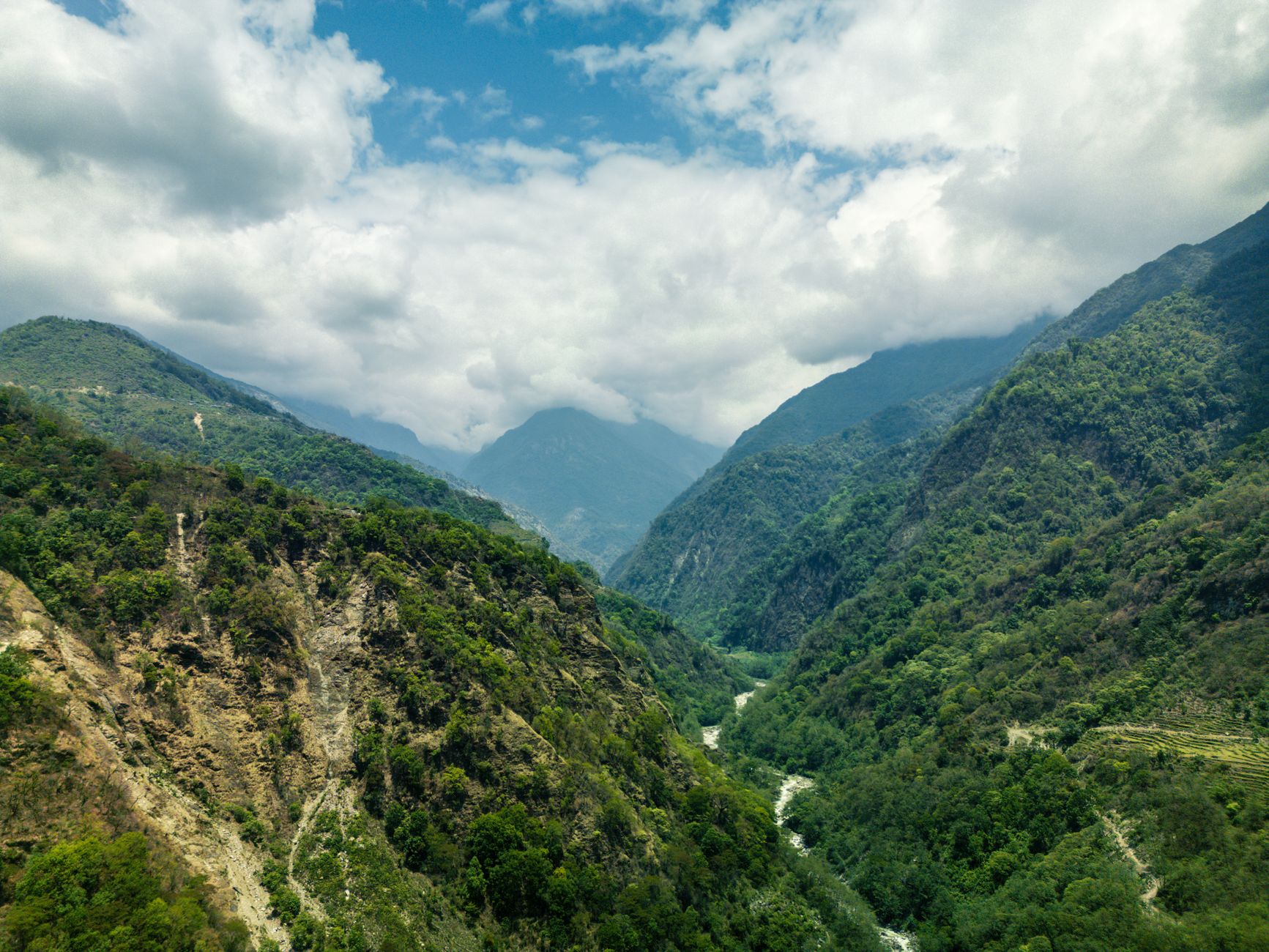
The valley follows the Budhi Gandaki River north toward the Tibetan border, rising through terraced fields, pine forests, and eventually the high-altitude settlements of Chhekampar and Nile. The people here – the Tsumbas – practice a form of Tibetan Buddhism that has absorbed animist traditions far older than any monastery wall. Their religious calendar still drives the rhythm of village life, and their hospitality toward pilgrims, whether Nepali or foreign, is a social obligation, not a tourism strategy.
What the Valley Actually Looks Like
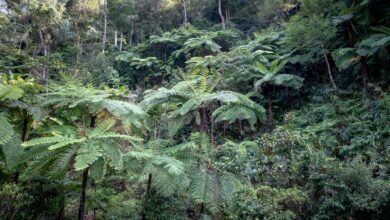
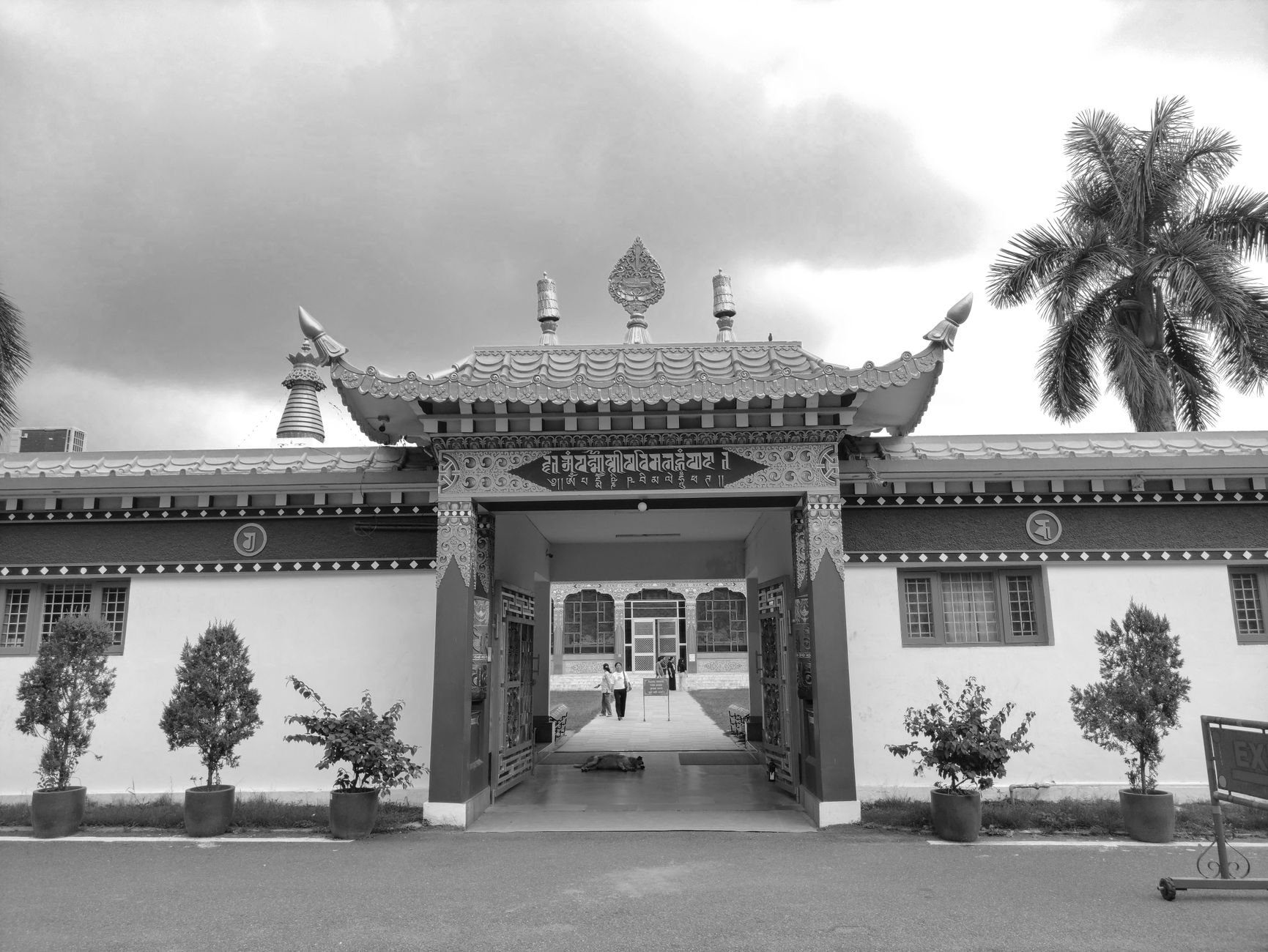
The approach from Soti Khola or Machha Khola takes trekkers through subtropical gorges dense with rhododendron and fern before the landscape opens dramatically around Lokpa and Dumje. The shift is abrupt – suddenly you are walking through mani walls that stretch for hundreds of meters, carved with prayers in Tibetan script, worn smooth at the edges by centuries of hands and weather. The walls are not decorative. They are functional religious infrastructure, and locals walk them clockwise without thinking about it.
Above Chhekampar, the valley splits. The eastern arm leads toward Mu Gompa, a monastery perched at roughly 3,700 meters that dates back several centuries and still houses an active community of monks and nuns. The western arm climbs toward Rachen Gompa, which is predominantly a nunnery and arguably the more architecturally striking of the two. Both sit against backdrops of glaciated peaks along the Nepal-Tibet border – Ganesh Himal to the south, the Sringi and Boudha ranges closer in – and both operate as living religious institutions rather than heritage sites managed for visitors.
This is where Tsum separates itself from the Mustang comparison most clearly. Upper Mustang, for all its extraordinary medieval streetscapes and cave monasteries, has seen enough tourism and Tibetan diaspora investment to give parts of Lo Manthang a slightly curated quality. Tsum has not reached that stage. The monasteries here still feel like places you are visiting rather than places prepared for your visit.
Permits, Timing, and Logistics
Getting into Tsum Valley requires a Restricted Area Permit, which as of recent years runs around USD 35 per week and must be arranged through a registered Nepali trekking agency – independent trekking is not permitted. Trekkers also need the Manaslu Conservation Area permit and the standard Annapurna Conservation Area permit if their route connects to that circuit. The requirement to use a registered agency is not merely administrative; guides here are genuinely necessary for navigation in the upper valley, where trails are unmarked and teahouse infrastructure thins considerably above Chhekampar.
Timing matters more in Tsum than in more developed trekking corridors. The valley is best approached in spring (late March through May) or autumn (October through November). The monsoon between June and September closes many of the higher trails and makes the lower gorge sections genuinely hazardous. Winter brings snow to the upper settlements and effectively cuts access to Mu Gompa for weeks at a time. Spring has the additional draw of the Tsum New Year festival, when the monasteries host ritual dances and the villages fill with people who have walked in from surrounding settlements over several days.
Accommodation throughout the valley is basic by design. Teahouses in the lower sections offer reasonable comfort; above Chhekampar, expect sleeping on wooden platforms with thin mattresses and meals that run to dal bhat, noodle soup, and not much else. This is not a complaint worth making – it is exactly the kind of place where that simplicity is part of the point.
Why This Valley Rewards Patience
Tsum does not deliver its best moments on a schedule. A morning where low cloud fills the valley and clears over Mu Gompa just as the monks begin their puja, or an afternoon when a herder waves you into a stone house for butter tea without any transaction involved – these are the experiences that stay with people. They are also the experiences that disappear quickly once a place develops the infrastructure designed to guarantee them.
The valley’s religious culture is genuinely distinctive even within Tibetan Buddhism. The Tsumbas observe the concept of beyul – a hidden, sacred land protected by its geography and spiritual significance – and this shapes everything from how they manage their forests to how they speak about the mountains around them. Outside pilgrims visiting Mu Gompa will notice that the monastery functions on its own calendar, and that waiting an extra day for a ceremony you weren’t expecting is simply part of how travel here works.
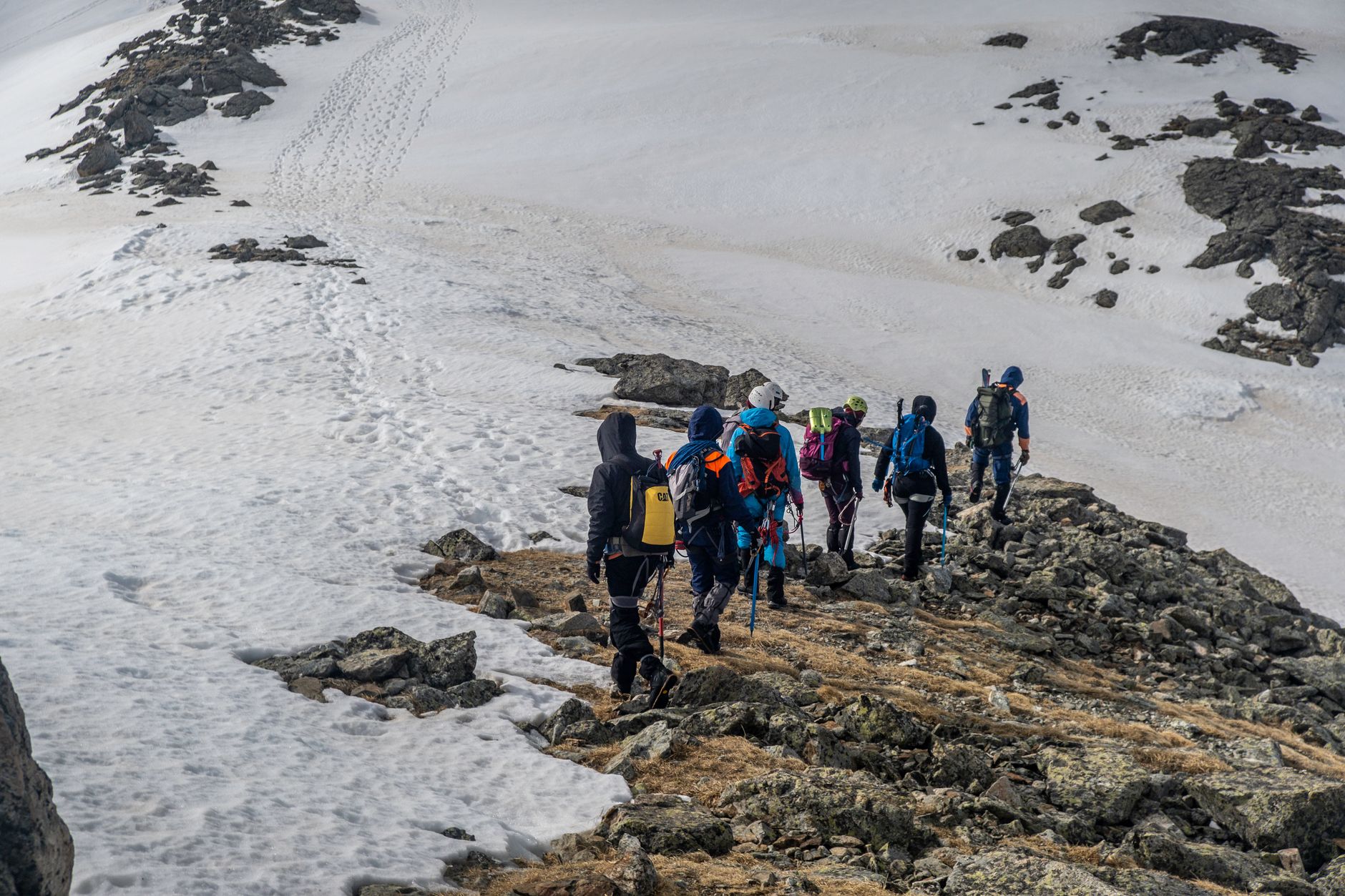
Tsum Valley’s permit numbers remain low enough that you can walk for a full day in the upper valley without seeing another foreign trekker – something that stopped being reliably true in Upper Mustang years ago, and that will eventually stop being true here too, once the word fully spreads.