
Where the Arabian Peninsula Turns Green
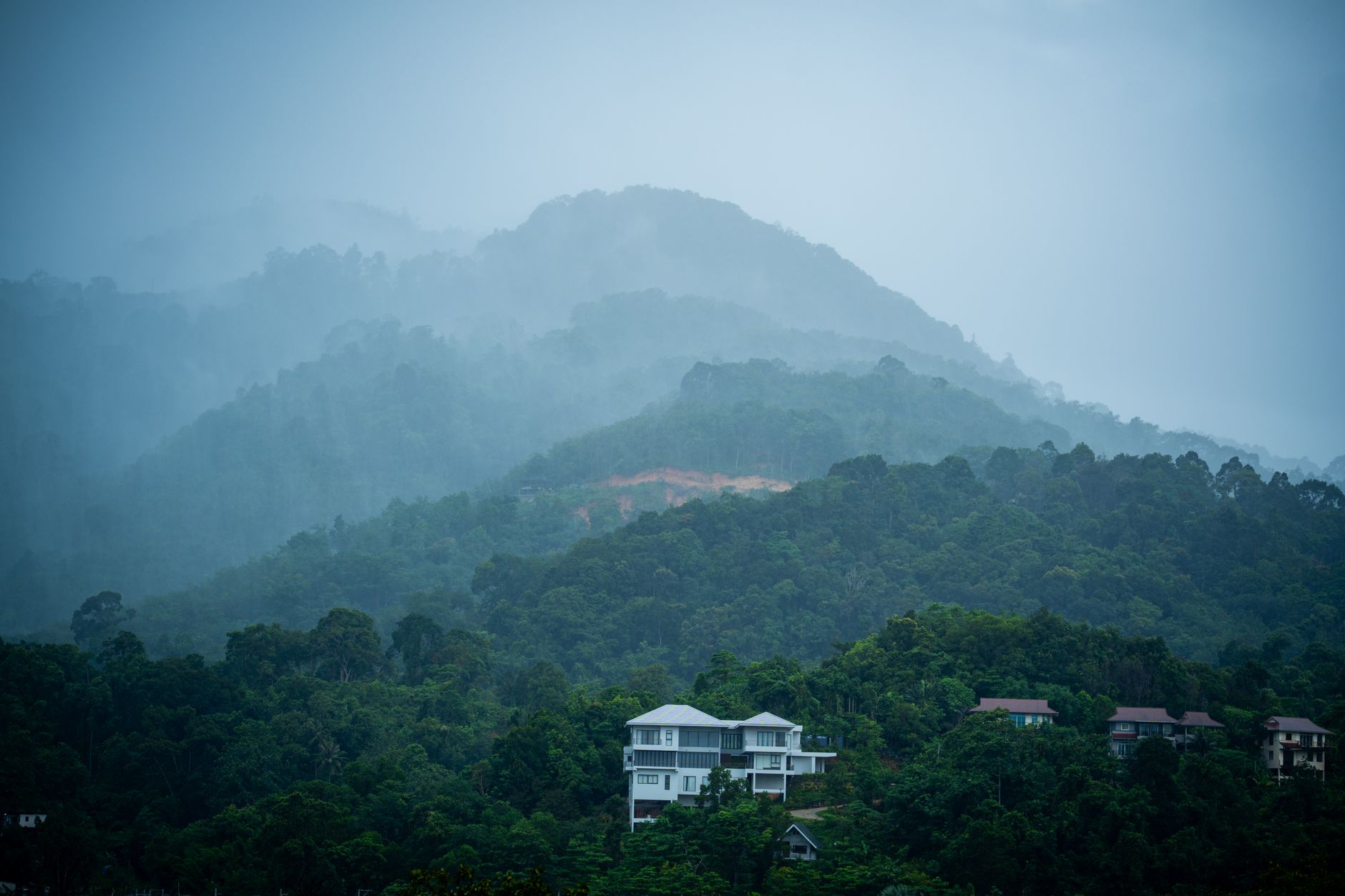
Every June, something strange happens to southern Oman. The sky doesn’t just cloud over – it delivers. The Khareef, the monsoon season that rolls in from the Indian Ocean between June and September, transforms the Dhofar region from sun-baked plateau into a landscape of fog, drizzle, and improbable green hills that look borrowed from the Scottish Highlands. Travelers who stumble into it for the first time often describe a kind of disorientation, as if the Arabian Peninsula forgot what climate zone it belongs to.
Meanwhile, Muscat – Oman’s polished, increasingly international capital – continues to draw the bulk of the country’s visitors year-round. Its souqs, forts, and waterfront promenades are well-documented on every travel shortlist. But a quiet migration is happening. Travelers who’ve done the capital are heading south, toward Salalah, Dhofar’s main city, not because of any particular attraction, but because the Khareef itself is the destination.
What the Khareef Actually Feels Like
The monsoon that hits Dhofar is a softer, more diffuse version of what South Asia experiences. There are no cyclonic downpours, no flooding streets. Instead, a persistent mist descends across the Qara Mountains, temperatures drop to the mid-20s Celsius, and the entire regional palette shifts. Coconut groves appear along roadsides. Waterfalls that don’t exist in October run openly off limestone cliffs. The camels – a constant presence across Oman – graze on grass, which feels almost surreal in an Arabian context.
The effect on the land is fastest near Wadi Darbat, a seasonal lake-and-gorge system east of Salalah where, during Khareef, water fills depressions in the rock and birds crowd the reeds at the water’s edge. The wadi is accessible by road, and local families treat it as a weekend park – setting up portable kitchens, letting children wade in, and watching the mist move through the valley floor. This is not a managed tourist experience. It functions more like a civic ritual tied to the season.
North of the coastal plain, the Dhofar mountains carry the monsoon influence even more intensely. The road from Salalah up to the plateau passes through zones of dense fog where visibility drops to a few meters, then opens suddenly onto high ground with panoramic views back toward the Arabian Sea. This drive alone – roughly an hour from the city – captures something most visitors to Oman’s capital never encounter: genuine topographic drama, delivered quietly.
Salalah as a Base, Not a Destination
Salalah itself is a functional, unpretentious city. It doesn’t have Muscat’s architectural ambition or its restaurant scene, and it doesn’t try to. The souq near the old city center sells frankincense – Dhofar has historically been one of the world’s primary sources – in quantities that suggest the trade hasn’t wound down as much as history books imply. A traveler can spend an afternoon navigating stalls of raw resin, silver jewelry, and dried fish before heading back toward the coast without any structured itinerary whatsoever.
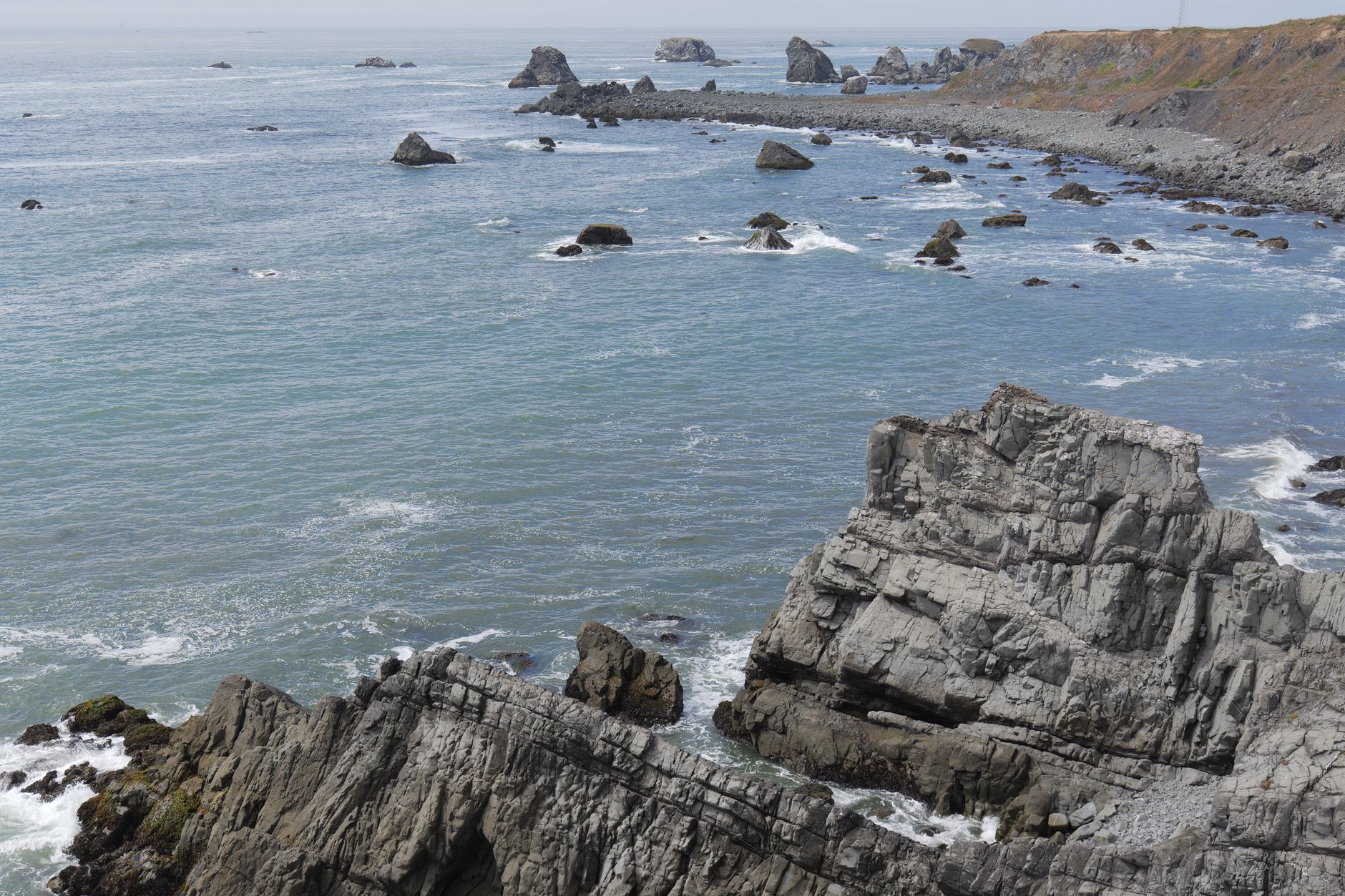
The beaches west of Salalah, particularly around Al Mughsail, take on a specific quality during Khareef. The sea is rougher and colder than the Gulf of Oman, and swimming isn’t the draw. What exists instead is a coastline of blowholes in the limestone cliffs that spray seawater skyward when swell hits correctly, and a long, mostly empty beach backed by hills that have turned green. The visual contrast – rough sea, fog, green hills, white spray – is the kind that doesn’t translate well to photographs but tends to stay with people who see it in person.
The Frankincense Trail and What It Connects
Dhofar’s deeper historical identity sits in its role as the origin point of the ancient frankincense trade routes that once connected the Arabian Peninsula to Egypt, Rome, and India. The UNESCO-listed archaeological site of Sumhuram, on a promontory above Khor Rori, gives travelers a physical entry point into that history. The site was a trading port, active roughly two thousand years ago, and the ruins – stone walls, a harbor entrance, storage structures – sit above a lagoon where flamingos gather during the Khareef months. The combination of ancient commerce and present-day birdlife is quietly unnerving in the best way.
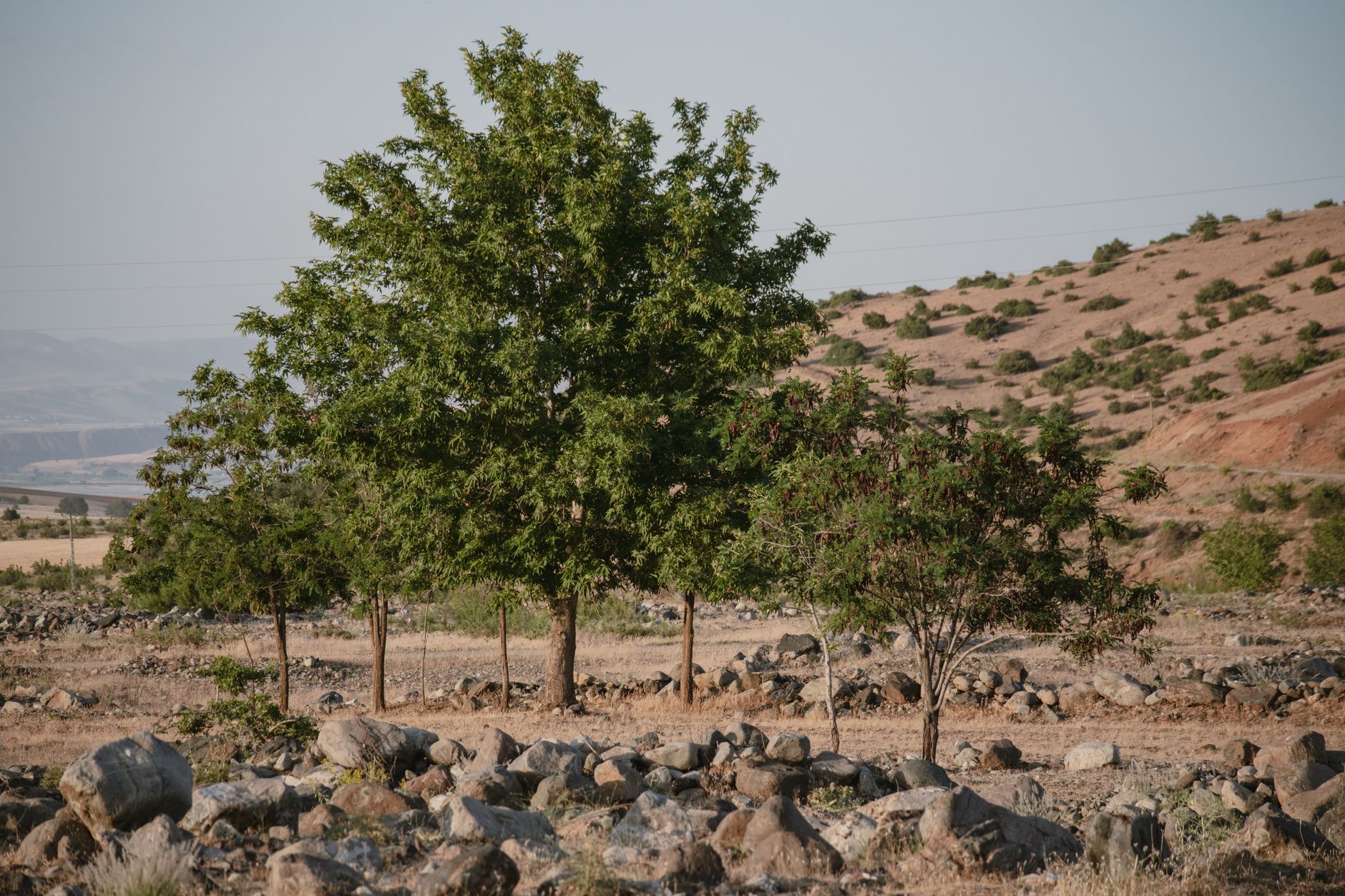
Nearby, the Land of Frankincense UNESCO site at Wadi Dawkah protects a grove of wild Boswellia sacra trees – the species that produces the resin. During Khareef, the trees carry their small white flowers, and the grove is accessible by a short walking path. The trees themselves look unremarkable, almost scrubby, which makes the weight of their historical significance harder to process on the ground. This is frankincense in its unprocessed, uncommercialized form: a tree in a wadi that happens to have shaped regional economies for millennia.
The frankincense connection also pulls Dhofar into a broader conversation about monsoon-season destinations across the region. Travelers drawn to Sri Lanka’s Knuckles Range for its mist-wrapped landscapes are often the same travelers who gravitate toward Dhofar – not for any constructed tourism product, but for the sensation of weather as landscape. Both regions offer a version of travel that rewards patience and penalizes fixed expectations.
What distinguishes Dhofar in this conversation is the rarity of the climate event itself. The Arabian Peninsula receiving monsoon conditions – even a peripheral version – is meteorologically unusual. The Qara Mountains act as a barrier that traps moisture from the Indian Ocean, producing localized green conditions in a region that receives almost no rainfall the other eight months of the year. Travelers who arrive expecting a typical Arabian Gulf experience and instead find themselves walking through fog and mud on a mountain plateau often describe the season as one of the more disorienting pleasant surprises of their traveling lives.
Oman’s tourism infrastructure in Dhofar is lighter than Muscat’s – which is itself a draw for travelers who’ve found Muscat comfortable but predictable. Hotel options in Salalah range from a handful of international properties to smaller guesthouses without international branding. The airport connects to Muscat and a small number of regional hubs, meaning most visitors fly into Salalah directly rather than making it a long road trip south. The drive from Muscat, for those who attempt it, takes close to eleven hours across the Rub’ al Khali’s edge – a journey that is itself an experience in scale and emptiness. The question of whether Dhofar stays this way – accessible but not crowded, seasonal but not themed – is one the region hasn’t yet had to answer.