
Where the Arabian Peninsula Turns Green
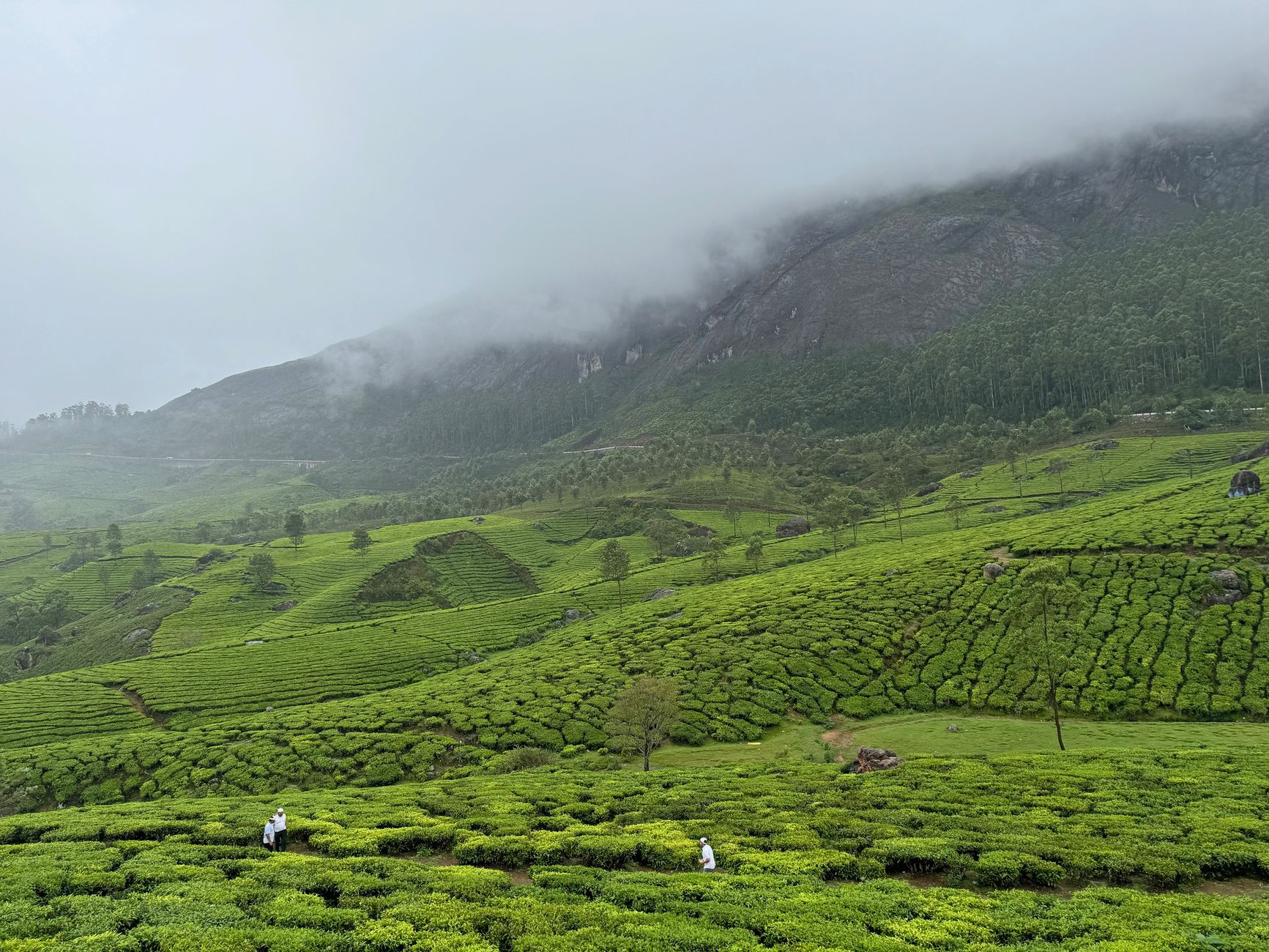
Every June, something strange and quietly spectacular happens to the southern tip of Oman. The Dhofar region, normally sun-baked and spare, receives the tail end of the Indian Ocean monsoon – a weather system locals call the khareef – and transforms into something that looks less like Arabia and more like the Scottish Highlands draped over a desert coastline.
The Khareef Season: Oman’s Best-Kept Calendar Secret
The khareef runs roughly from late June through September, blanketing Dhofar’s Qara Mountains in mist and turning the surrounding wadis lush with running water and wildflowers. Salalah, the regional capital, becomes a magnet for Gulf tourists who drive or fly in specifically for the cool, grey weather – a near-surreal novelty in a part of the world where summer temperatures elsewhere regularly push past 45 degrees Celsius. The city’s population can feel like it doubles during peak weeks, yet the broader region remains remarkably uncrowded.
What makes Dhofar different from better-known monsoon destinations is the abruptness of the contrast. Thirty kilometres inland, the landscape shifts from tropical-looking escarpments to open limestone plateau where frankincense trees grow in dry, rocky soil. That tree – Boswellia sacra – has made this corner of Oman significant for millennia. The ancient incense trade routes that once connected Dhofar to the Mediterranean world are still visible in the form of the UNESCO-listed ruins at Shisr, Khor Rori, and Al-Baleed, all within easy reach of Salalah.
Muscat gets the lion’s share of international visitor attention, and for understandable reasons – the capital has world-class infrastructure, the Grand Mosque, and easy flight connections from Europe and Asia. But it gets no khareef. During the same months that Muscat bakes under cloudless skies, Dhofar is cool enough to sit outside comfortably after dark, watch waterfalls that only exist three months a year, and walk through frankincense groves without any sense of urgency. That seasonal inversion is the whole point.
The practical case for visiting during khareef is strong. Salalah has its own international airport with direct connections from several Gulf cities, and domestic flights from Muscat run frequently. Hotel rates, while not cheap during peak monsoon weeks in August, are still considerably lower than comparable Muscat properties. The city’s infrastructure is solid without being overbuilt – there are proper hotels, good seafood restaurants along the corniche, and enough tourism familiarity that visiting independently is straightforward.
What the Region Actually Offers Monsoon Wanderers
The centrepiece natural attraction is Wadi Darbat, a wide green valley where a seasonal waterfall cascades into a lake surrounded by grazing camels and acacia trees. During khareef, the scene is genuinely cinematic – layers of mist moving across limestone cliffs while the water below runs brown and fast. The wadi sits about 40 kilometres east of Salalah and takes around an hour to reach by car. Most visitors arrive in the morning and stay until the light goes flat, which happens quickly when the clouds roll in from the coast.
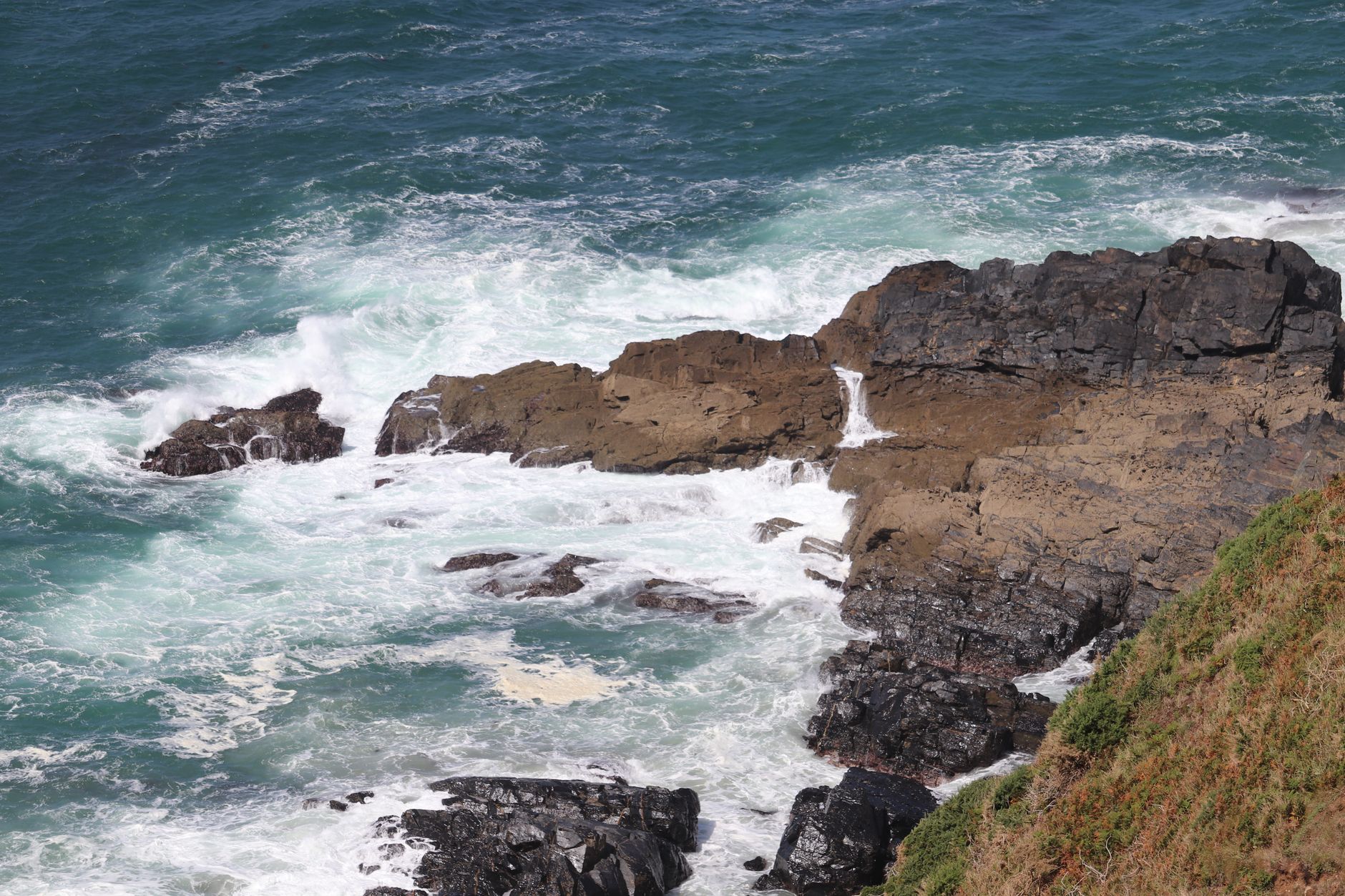
Further east, Mughsail Beach offers something that few places on Earth can: a long arc of pale sand pounded by heavy monsoon surf, backed by cliffs punctured with blowholes that shoot salt spray high into the grey air. Swimming is dangerous during khareef – the currents are serious – but walking the beach while the Indian Ocean throws itself at the shoreline is an experience that stays with you. The drive along the coastal road between Salalah and Mughsail is itself worth the trip, a stretch of highway where green cliffs drop almost vertically into churning surf.
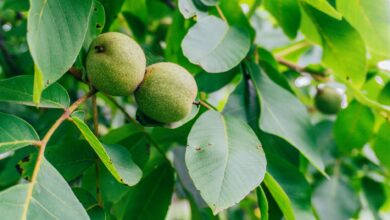
The frankincense trees deserve more attention than they typically receive in travel coverage. Growing at elevations between 900 and 1,500 metres on the Dhofar escarpment, they look scrubby and unremarkable until you understand what they are – some of the very trees that supplied temples, courts, and burial chambers across the ancient world for thousands of years. Local vendors sell raw frankincense resin in Salalah’s Al Husn souk in grades ranging from basic cooking-quality pieces to pale, translucent chunks that fetch high prices for use in religious ceremonies. Buying directly from the market, rather than packaged in tourist shops, costs a fraction of what the same product sells for abroad.
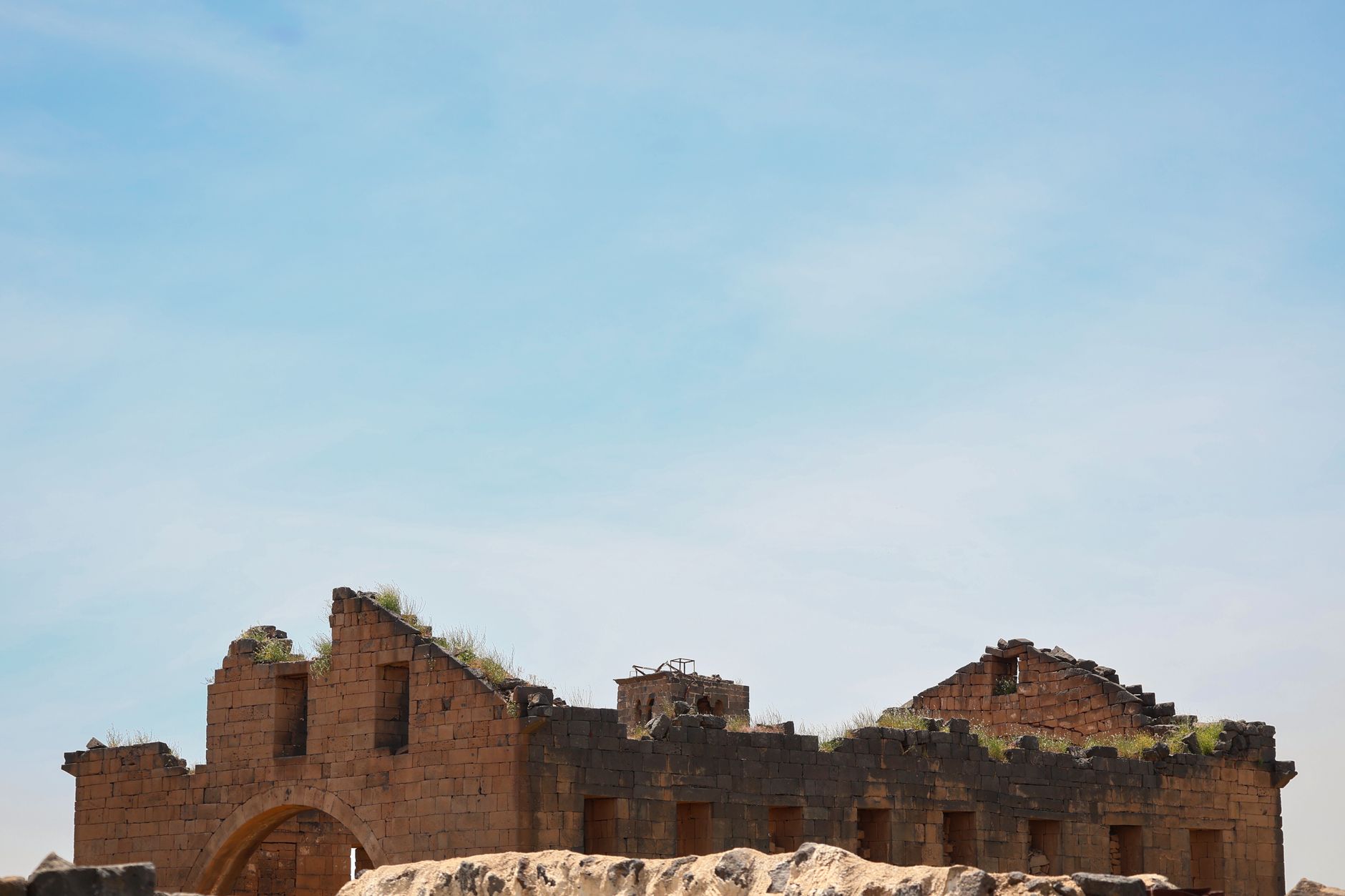
For the kind of traveler drawn to lesser-known sacred landscapes over headline destinations, Dhofar has a particular appeal – it carries genuine historical weight without the interpretive infrastructure that sometimes flattens meaning at more visited sites. The ruins at Khor Rori, ancient Sumhuram, sit on a headland above a lagoon where the monsoon waters run dark green. There are few signs. There is almost nobody else. You can stand at the edge of a 2,000-year-old trading port and hear nothing but wind and birds.
Inland, the Nejd plateau stretches north of the mountains into emptiness – a high desert that most khareef visitors never reach because it requires more time and a willingness to drive unmarked roads. Those who do make the effort find a landscape of extraordinary silence, scattered Bedouin settlements, and occasional herds of Arabian oryx that were reintroduced to Oman after being extinct in the wild. The Jaaluni sanctuary, while not always open to independent visitors, represents one of the most successful wildlife conservation projects in the Arabian Peninsula.
Planning the Visit Without Getting It Wrong
The single biggest mistake khareef visitors make is arriving in early July expecting full monsoon drama and finding only light drizzle and partly cloudy skies. The season builds slowly – mid-August to early September is when the mist is thickest, the waterfalls fullest, and the valleys greenest. The trade-off is that this is also the busiest period, particularly with Gulf and Saudi visitors on summer holidays. Booking accommodation at least six to eight weeks out is necessary if you want anything near the coast.
What nobody tells you before you arrive is that khareef weather is genuinely unpredictable on a day-to-day level. A morning that looks like dense fog can clear by noon into something pale and beautiful, or it can stay grey and wet all day. Building flexibility into the itinerary – avoiding the trap of scheduling specific sites on specific days – is what separates visitors who leave satisfied from those who feel they missed something. The region rewards patience in a way that heavily curated destinations simply cannot.