
Where the Arabian Peninsula Turns Green
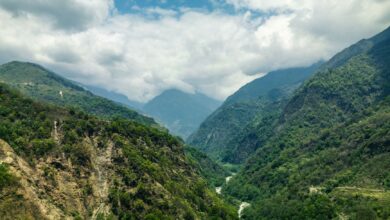
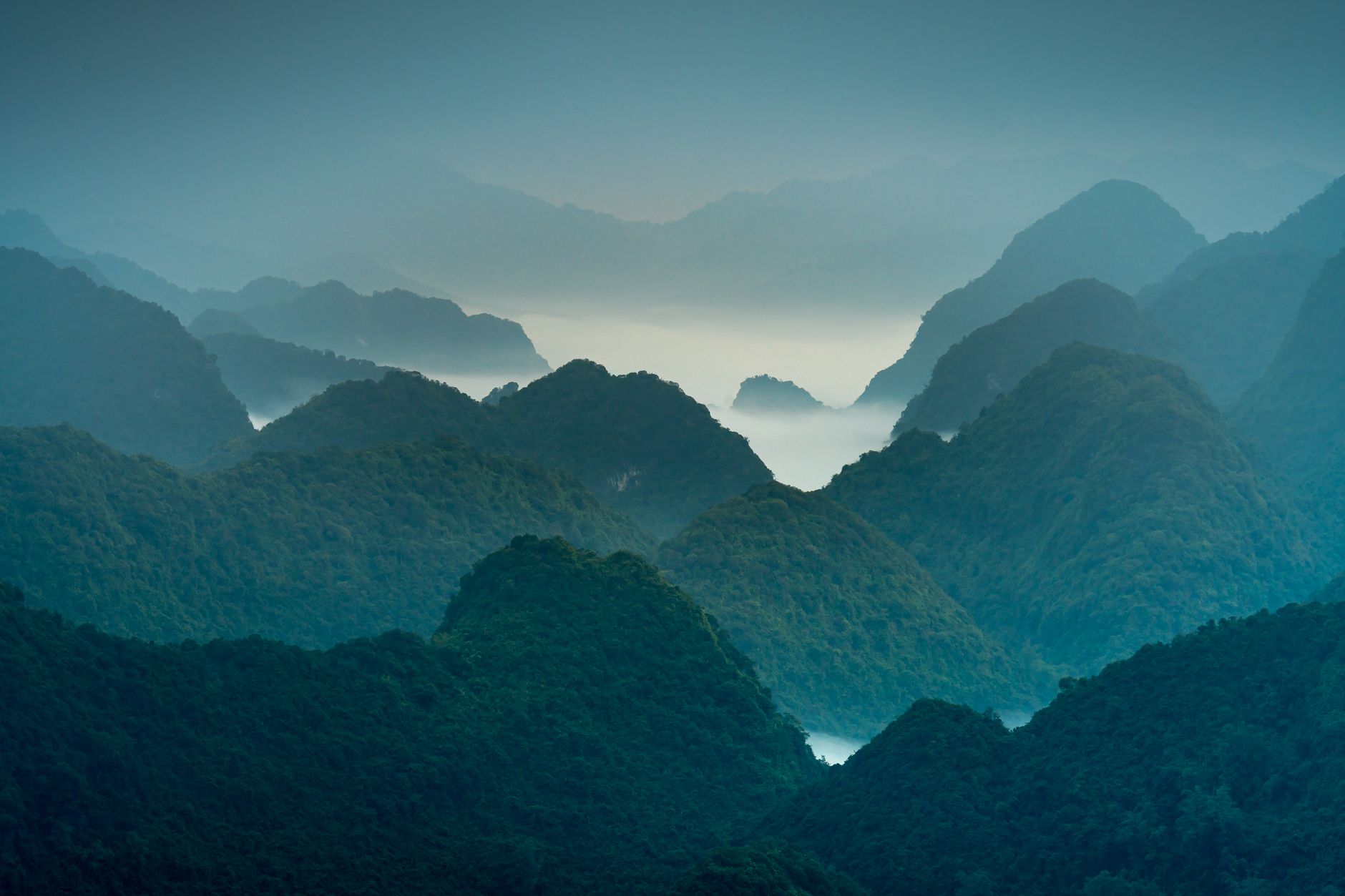
Every June, something strange happens to the southern tip of Oman. The khareef – the seasonal monsoon that rolls in off the Indian Ocean – wraps the Dhofar region in a thick, cool mist and turns its limestone plateaus a deep, almost implausible shade of green. The mountains around Salalah, Dhofar’s capital, absorb the moisture like a sponge, and the landscape that spent most of the year looking like the rest of the Arabian Peninsula suddenly looks nothing like it. Waterfalls appear where there were none. Cattle graze on hillsides. The air smells like wet grass and frankincense trees.
Muscat gets the flights, the five-star resorts, and the international marketing budgets. Dhofar gets the rain. For a growing number of travelers who have already worked through the obvious Gulf itineraries, that trade-off is starting to look like the better deal. The khareef season, running roughly from late June through early September, draws visitors from across the region – particularly from the UAE and Saudi Arabia, who drive or fly south specifically to escape the punishing heat of the Gulf summer. What they find is a version of Oman that most international travel guides have not caught up with yet.
What the Khareef Actually Delivers
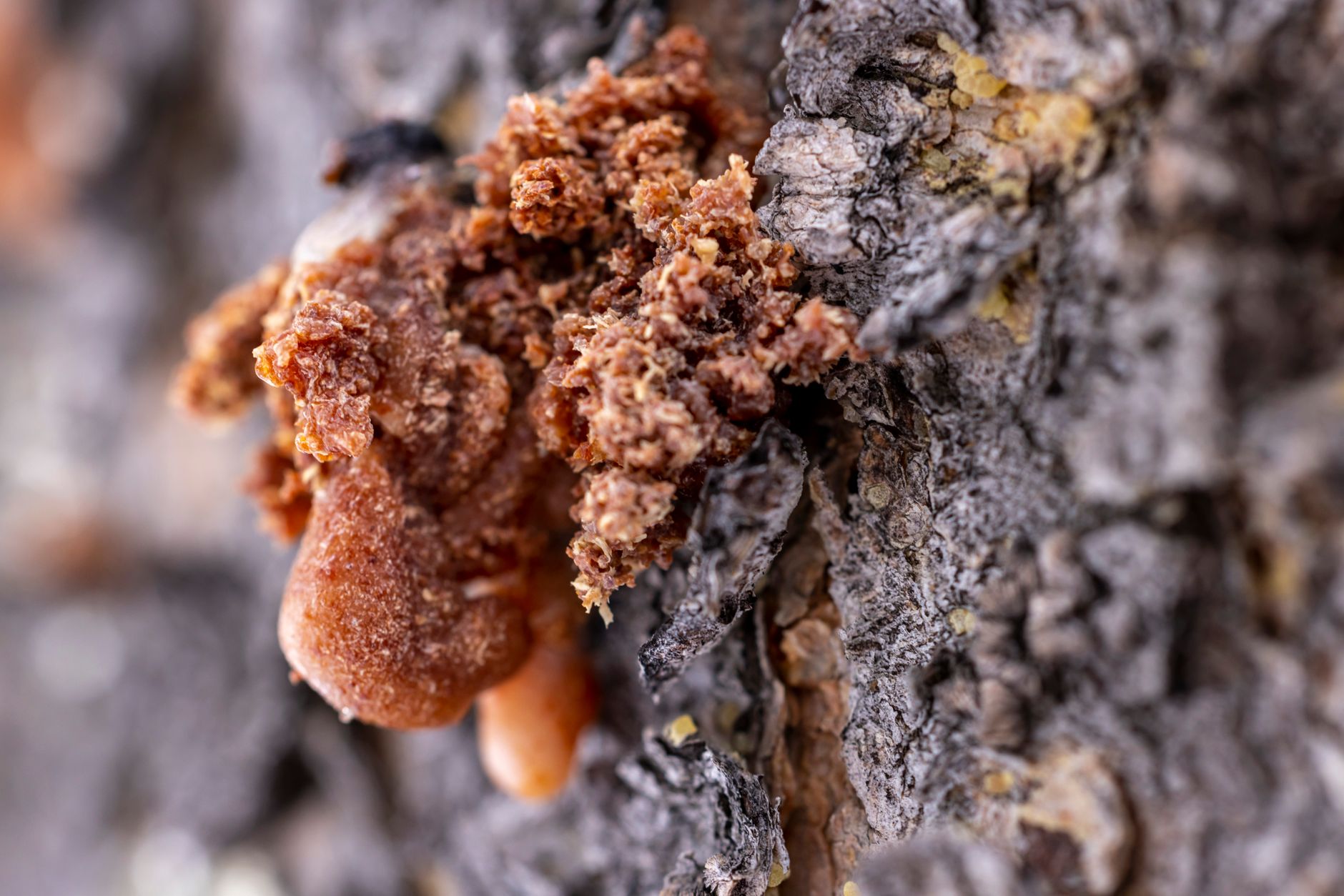
The monsoon does not arrive with the dramatic violence of a South Asian storm. It creeps in – low clouds first, then drizzle, then days of steady soft rain that turns the wadis into rushing streams. The Jabal Al Qamar mountains, which run along the coast west of Salalah, catch the bulk of the moisture, and the resulting microclimate supports vegetation that simply does not exist elsewhere on the peninsula. Dragon blood trees grow here. Wild frankincense trees – Boswellia sacra – dot the hillsides, some of them hundreds of years old, their resin still harvested and traded as it has been for millennia.
Ayn Khor and Ayn Razat, the natural springs east of Salalah, become legitimately beautiful during the khareef, feeding pools surrounded by palms and ferns. The drive along the coastal road toward the Yemeni border passes through scenery that routinely stops first-time visitors cold – not because it is manicured or constructed for tourism, but because it is genuinely unexpected. A mountain range covered in mist. A beach with no one on it. Frankincense smoke drifting out of a roadside stall where an older man sells resin by the kilo, the same way his grandfather did.
The town of Mirbat, about 70 kilometers east of Salalah, holds another layer of appeal for travelers interested in history. Its crumbling Portuguese-era fort sits on a headland above a fishing harbor, and the surrounding old quarter has the quiet, sun-bleached character of a town that has not yet been renovated for visitors. The fish market in the early morning is worth the drive alone.
The Infrastructure Gap – and Why It Works in Your Favor
Salalah does have an international airport, and direct routes connect it to several Gulf cities. The hotel options range from a handful of large beach resorts – clustered along Al Mughsail beach road – to small guesthouses in Salalah city itself. But the honest picture is that Dhofar has not been built out the way Muscat has. There is no sprawling waterfront development, no cluster of rooftop bars, no Instagram-optimized souk selling mass-produced lanterns.
That absence is exactly the point. Travelers who need a dense activity schedule with guaranteed entertainment within walking distance will find Dhofar frustrating. Travelers who want to rent a car, drive into the mountains with no particular plan, and spend three hours at a roadside viewpoint watching clouds pour over a limestone escarpment will find it close to ideal. The region rewards patience and a loose itinerary in a way that few Arabian destinations still can.
Frankincense, Archaeology, and the Land of Punt
Dhofar’s history runs deeper than its landscape. The ancient city of Sumhuram, near the modern town of Taqah, is a UNESCO World Heritage Site that served as a major frankincense trading hub during the first millennium BCE. The ruins sit on a hill above Khor Rori, a lagoon that once functioned as a harbor, and walking through them during the khareef – when the surrounding hills are green and the light is soft – produces an atmosphere that Muscat’s reconstructed forts simply cannot replicate. The site is rarely crowded.
The broader UNESCO designation here covers the Land of Frankincense, a collection of sites across the Dhofar governorate that documents the ancient trade routes connecting southern Arabia to the Mediterranean world and India. Al Baleed Archaeological Park, on the outskirts of Salalah, contains the ruins of a medieval port city and houses a genuinely well-curated museum covering the region’s maritime and commercial history. The collection includes artifacts recovered from the trade routes – Chinese porcelain, Indian textiles, East African goods – that remind you how global this supposedly remote corner of Arabia actually was.
The frankincense trade is not purely historical, either. Salalah’s Al Husn Souq sells fresh resin in quantities large enough to fill a suitcase, at prices that bear no resemblance to what a small vial costs in a European perfume shop. Burning it is not a tourist affectation here – it is a daily domestic practice, and the smell of it moves through neighborhoods in the evening the way woodsmoke moves through other places. That sensory continuity between ancient trade and present-day habit gives Dhofar a texture that is difficult to find on a well-worn tourist circuit.
The practical question for international travelers is timing. The khareef is Dhofar’s defining attraction, but it is also the season when regional tourism peaks, meaning hotel prices along the beach road rise sharply and the scenic spots closest to Salalah can fill with Gulf families on weekend drives. The weeks immediately before the monsoon breaks – mid to late June – and the tail end of September, when the rain thins but the hills are still green, offer a quieter version of the same experience. By October, the plateau has started to dry, the waterfalls slow to trickles, and the magic retreats for another year. Whether that narrow window justifies rerouting a trip away from Muscat is the question every traveler arriving in Oman has to answer for themselves – and most who make it south end up wishing they had come sooner.
Frequently Asked Questions
When is the best time to visit Dhofar, Oman?
The khareef monsoon runs from late June through early September, turning the region green. Late June and late September offer the experience with fewer crowds.
How do you get to Dhofar from Muscat?
Salalah has an international airport with direct flights from Muscat and several Gulf cities, making it accessible without a long overland journey.