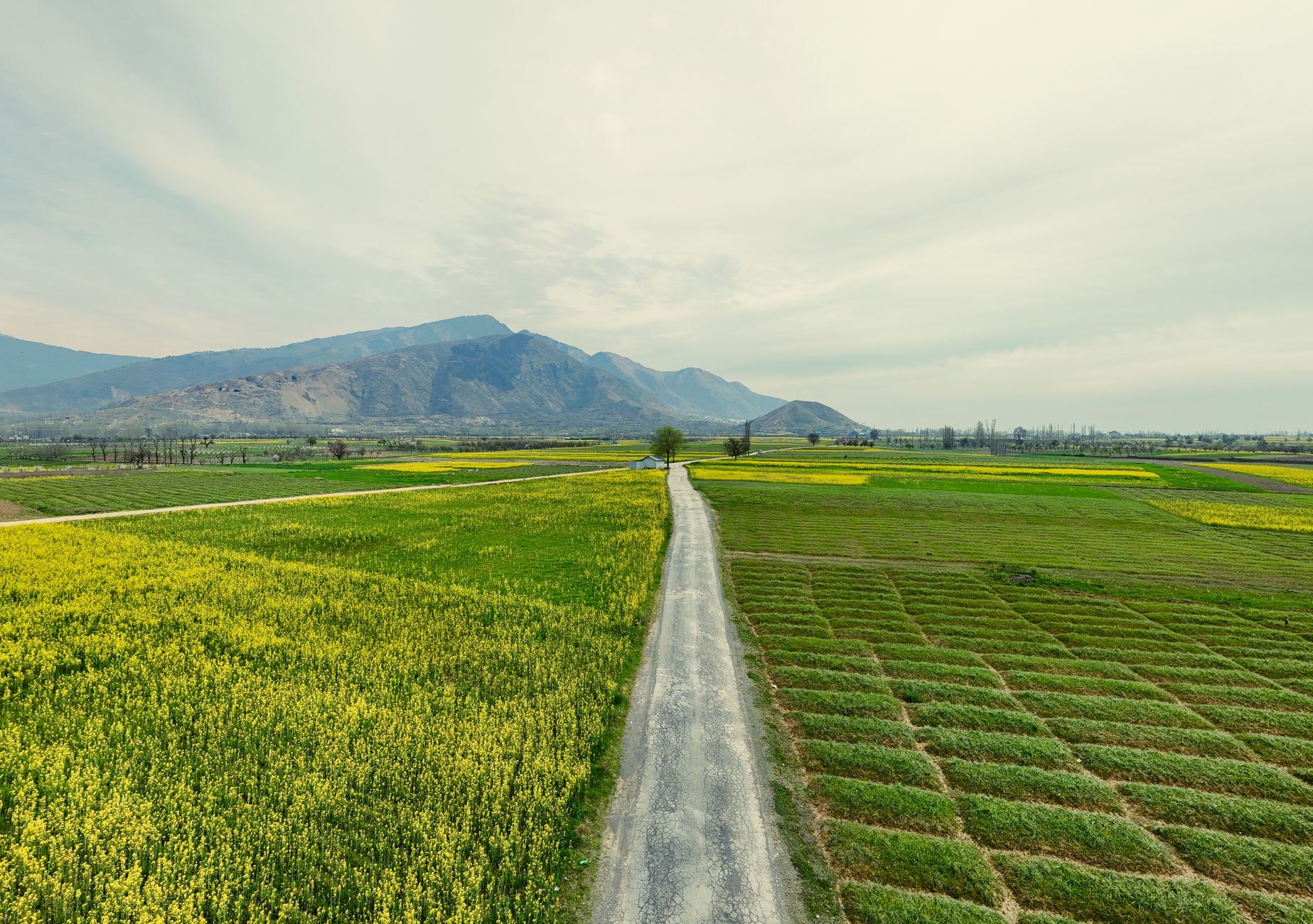

Where the Old Gods Still Have Names
Tucked into the folds of the Hindu Kush, three narrow valleys in northwestern Pakistan – Bumburet, Rumbur, and Birir – have sustained a culture that most of the world has never heard of and cannot quite explain. The Kalash people, numbering fewer than 4,000, practice a polytheistic religion rooted in ritual, seasonal ceremony, and a cosmology that researchers trace back thousands of years. They wear handmade black robes and elaborate headdresses adorned with cowrie shells and buttons, and they dance at festivals that predate Islam in the region by centuries. Nobody is entirely sure how they got here.
Hunza Valley, a few hours north, draws the bulk of Pakistan’s adventure tourists – the apricot orchards, the Karakoram views, the Instagram backdrop of Rakaposhi draped in cloud. But the Kalash Valleys offer something Hunza cannot: a living, breathing belief system that has survived against sustained pressure, geographic isolation, and the slow erasure that tends to follow when a small culture meets a large one. For travelers who care more about meaning than scenery, the calculus shifts considerably.
Getting There Requires Commitment
The nearest city is Chitral, accessible by air from Islamabad or Peshawar on small propeller aircraft, weather permitting. From Chitral, shared jeeps or private 4×4 vehicles navigate rough mountain roads into the valleys – the drive into Bumburet, the largest and most visited of the three, takes roughly an hour but demands focus on roads that hug cliff faces above fast river channels. There is no train, no tourist bus, no app that will simplify the logistics. That friction is part of the filter.
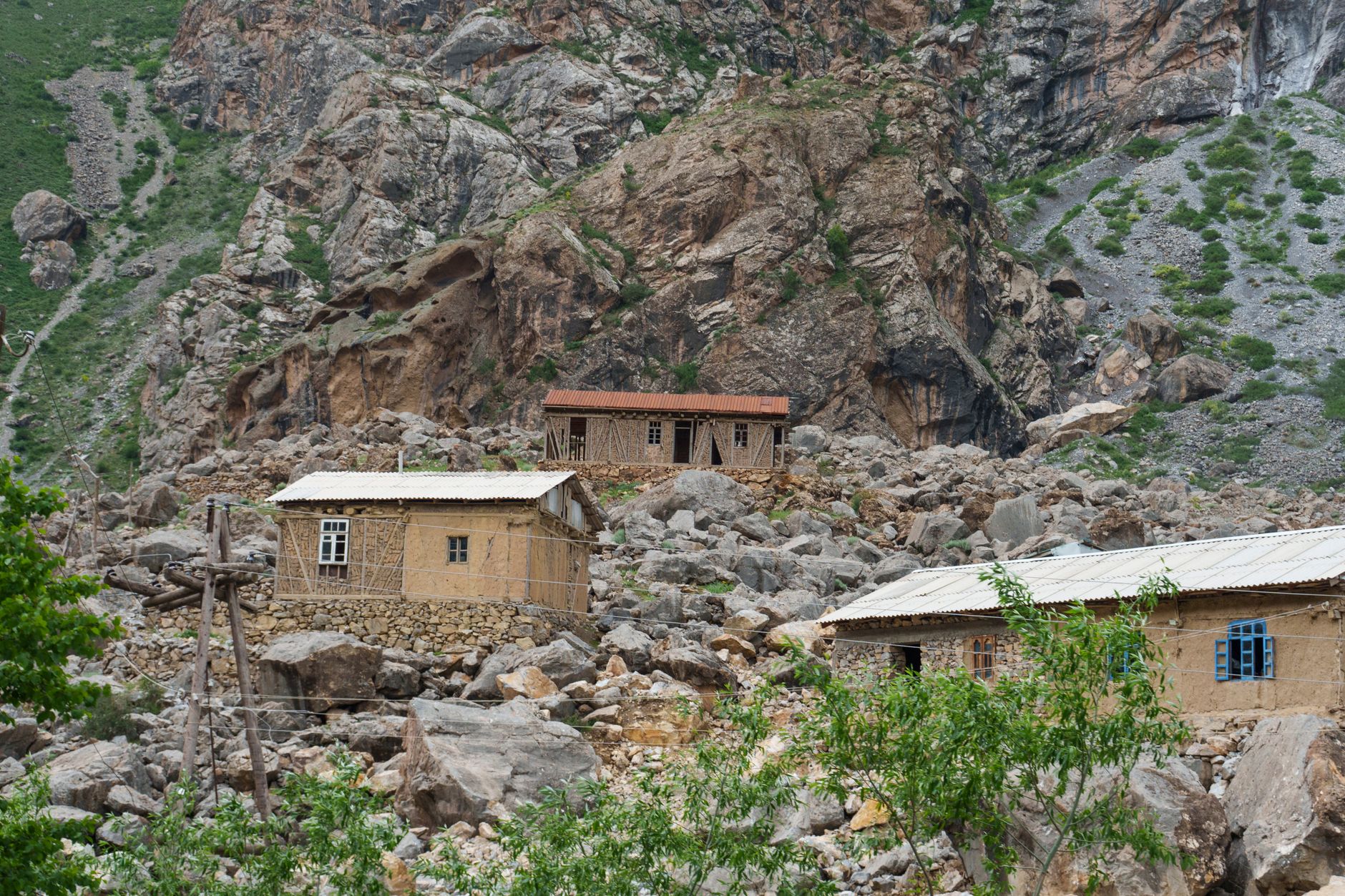
Accommodation inside the valleys ranges from basic guesthouses to homestays with Kalash families, the latter being the far richer option for anyone serious about understanding the culture. Some guesthouses near Ayun, the gateway town, are modest but clean. Electricity is intermittent. Mobile signal is sporadic. The right frame of mind is one of patience rather than expectation, and travelers who arrive with that disposition tend to find the valleys give back generously.
Foreign visitors are required to register with local authorities in Chitral before entering the valleys. Pakistan’s tourism infrastructure has improved steadily over the past several years, and the country now issues tourist visas more readily than it once did, but travelers should verify current entry requirements through official government sources before booking anything. Seasonal timing matters too – the window between late spring and early autumn is the most practical, with the festivals of Chilam Joshi in May and Uchal in August drawing concentrated visitor interest.
What a Festival Actually Looks Like
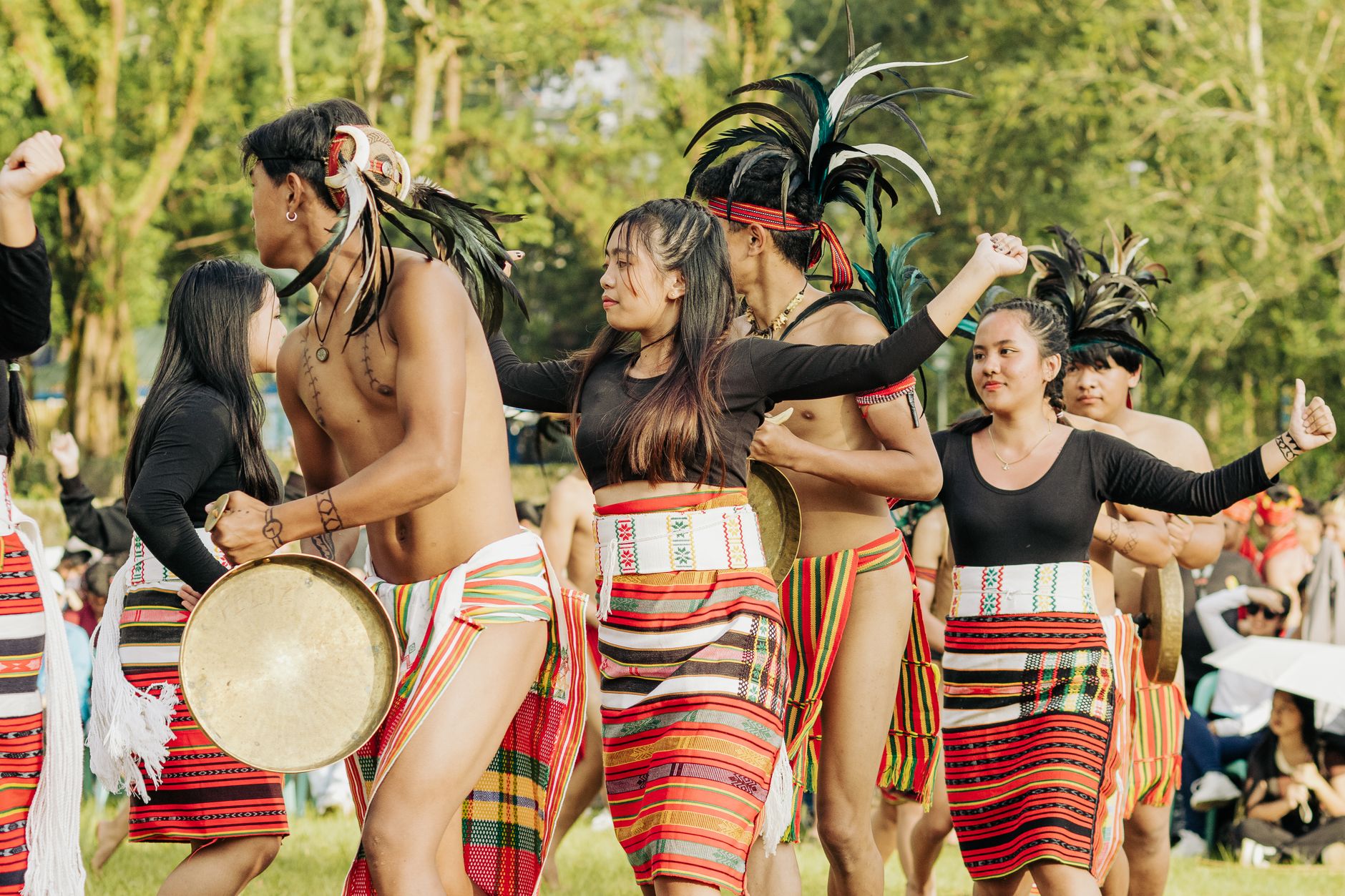
Kalash festivals are not performances staged for cameras. They are functional religious events, carried out with seriousness and joy in equal measure, and visitors who attend them are doing exactly that – attending, as guests, not as an audience. Chilam Joshi, the spring festival marking the arrival of warm weather and new milk, fills the valley with drumming, group dancing in spiral formations, and offerings made to Kalash deities at wooden shrines called jeshtak han. Women and girls wear their finest headdresses. Older men pour libations. The atmosphere is festive but purposeful.
Uchal, the summer festival, and Chaumos, the winter solstice celebration in December, each carry their own specific rituals. Chaumos is considered the most sacred and the most restricted to outside attendance – some elements of it are not open to visitors at all, and that boundary is worth respecting without needing to understand every reason for it. The Kalash are generous hosts, but their hospitality does not require them to open everything.
The Culture Under Pressure
The Kalash population has been declining for decades. Conversion to Islam, which has accelerated in periods of outside influence, has reduced the community from figures that some historical accounts put in the tens of thousands to the small number that remains today. Each conversion is a personal choice, and the community navigates this tension without external commentary being especially useful. What is observable, though, is that the culture that remains is fiercely maintained by those who hold it.
The Kalash language – an Indo-Aryan language unrelated to the regional Khowar and distinct from Urdu – is spoken by all community members but has no widely used written form, which makes its transmission entirely oral. Linguists and anthropologists have worked with Kalash speakers to document the language, but preservation efforts remain fragile. Language is where cultures lose ground last, and often fastest.
What sustains the community partly is tourism revenue, and this creates its own complications. Some families have opened guesthouses and souvenir stalls selling wooden crafts and embroidered cloth; others find the commercialization uncomfortable. The tension between economic need and cultural integrity is not unique to the Kalash – travelers familiar with Ethiopia’s Omo Valley, where similar dynamics play out among tribal communities, will recognize the pattern immediately. There is no clean answer, and anyone who claims otherwise has not spent enough time in these places.
Responsible travel in the Kalash Valleys means spending money locally – in family guesthouses, with local guides who are Kalash themselves, at the small shops run by community members rather than outside vendors who have moved in to capture tourist spending. It means not photographing people without explicit permission, not entering sacred spaces uninvited, and not treating ritual events as content. A growing number of travelers are arriving with exactly that orientation, which is doing more for the community than any policy or program has managed so far. The valleys are still quiet enough that a single traveler’s choices carry real weight – and that may not be true for much longer.
Frequently Asked Questions
When is the best time to visit the Kalash Valleys in Pakistan?
Late spring through early autumn is most practical. The Chilam Joshi festival in May and Uchal in August are the most accessible for visitors.
Do you need a special permit to visit the Kalash Valleys?
Foreign visitors must register with local authorities in Chitral before entering the valleys. Standard Pakistani tourist visa rules apply, but requirements should be verified through official sources before travel.