
Where the Pre-Islamic World Survived
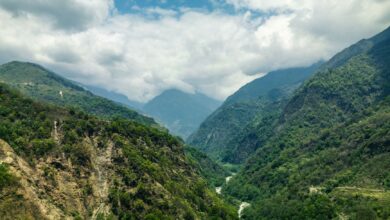
Tucked into three narrow valleys cut deep into the Hindu Kush mountains of northwestern Pakistan, the Kalash people have held onto a way of life that predates Islam’s arrival in the region by centuries. Their valleys – Bumburet, Rumbur, and Birir – sit just a few hours’ drive from Chitral, yet feel entirely removed from the country surrounding them. While Hunza has become the poster destination for Pakistan’s mountain tourism, the Kalash Valleys offer something Hunza no longer can: genuine remoteness paired with a living, breathing culture that hasn’t been softened for visitor consumption.
A Culture That Refused to Disappear
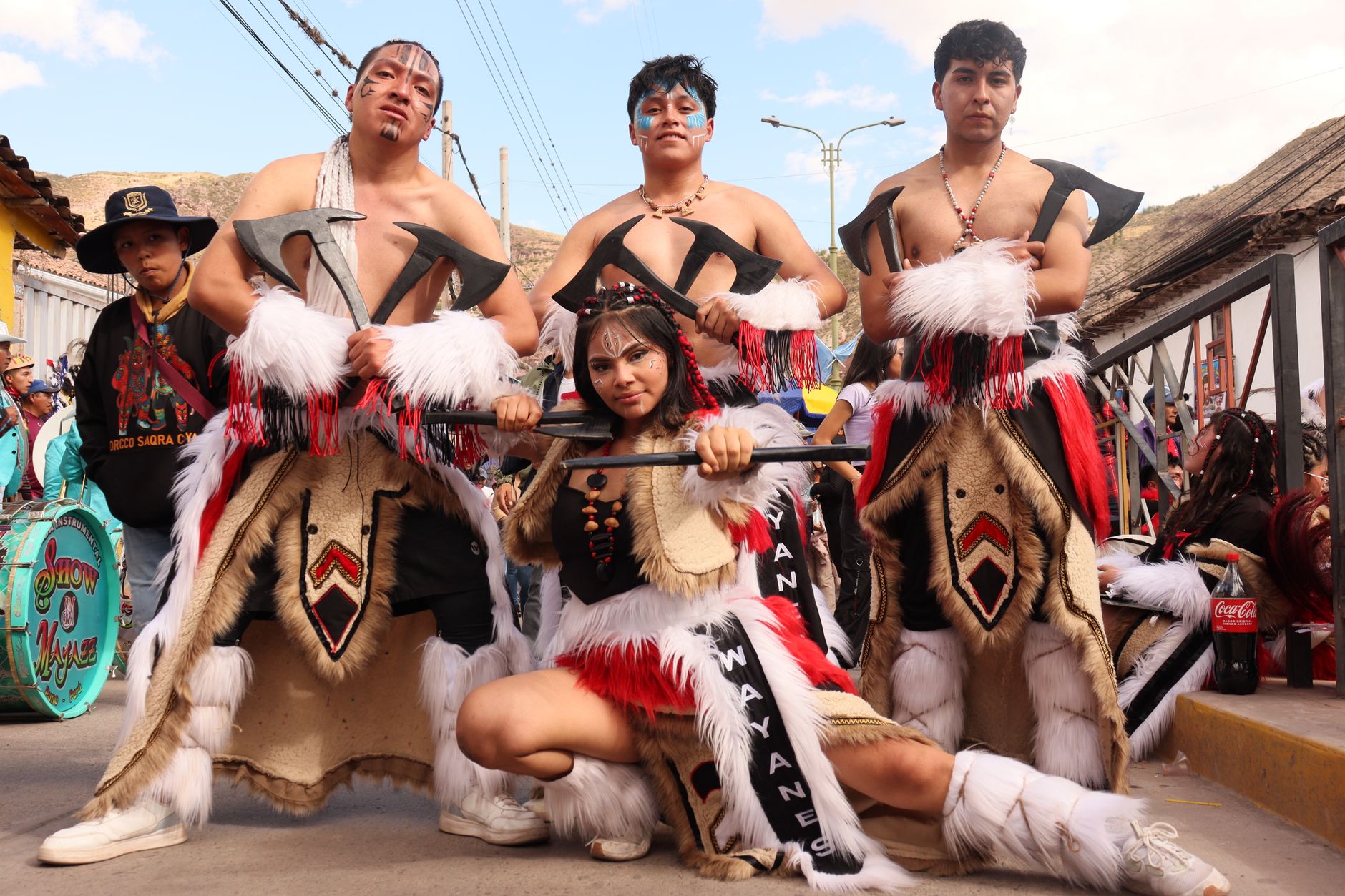
The Kalash are polytheists in one of the world’s most devoutly Muslim nations. They worship a pantheon of deities, maintain a calendar built around seasonal festivals, and observe rituals involving fire, wine, music, and elaborate ceremonial dress. Their women wear striking black robes and tall headdresses decorated with cowrie shells and colorful pompoms. Their men play flutes and drums at festivals that have no equivalent anywhere else in South Asia. This is not a reconstructed tradition performed for tourists – it is daily life, observed whether visitors are present or not.
The community numbers somewhere around 4,000 people, and their population has been shrinking for generations as some families convert to Islam and leave the valleys. That demographic pressure makes the culture feel genuinely fragile in a way that adds weight to a visit. You are not watching something preserved by a government cultural ministry. You are witnessing something that survives through sheer communal will, maintained by elders who remember when the population was larger and by younger Kalash who have made a deliberate choice to stay.
The two major festivals – Chilam Joshi in May and Uchal in August, with the largest being Chaumos in December – draw the most dramatic gatherings. Chaumos, the winter solstice festival, involves purification rituals, all-night singing, and celebrations that last more than a week. Outside of festival periods, the valleys are quiet and deeply rural: wooden houses stacked up steep slopes, walnut orchards, and goat herds picking through terraced fields. The pace of a non-festival visit is slow and unscripted, which suits travelers who are tired of itineraries.
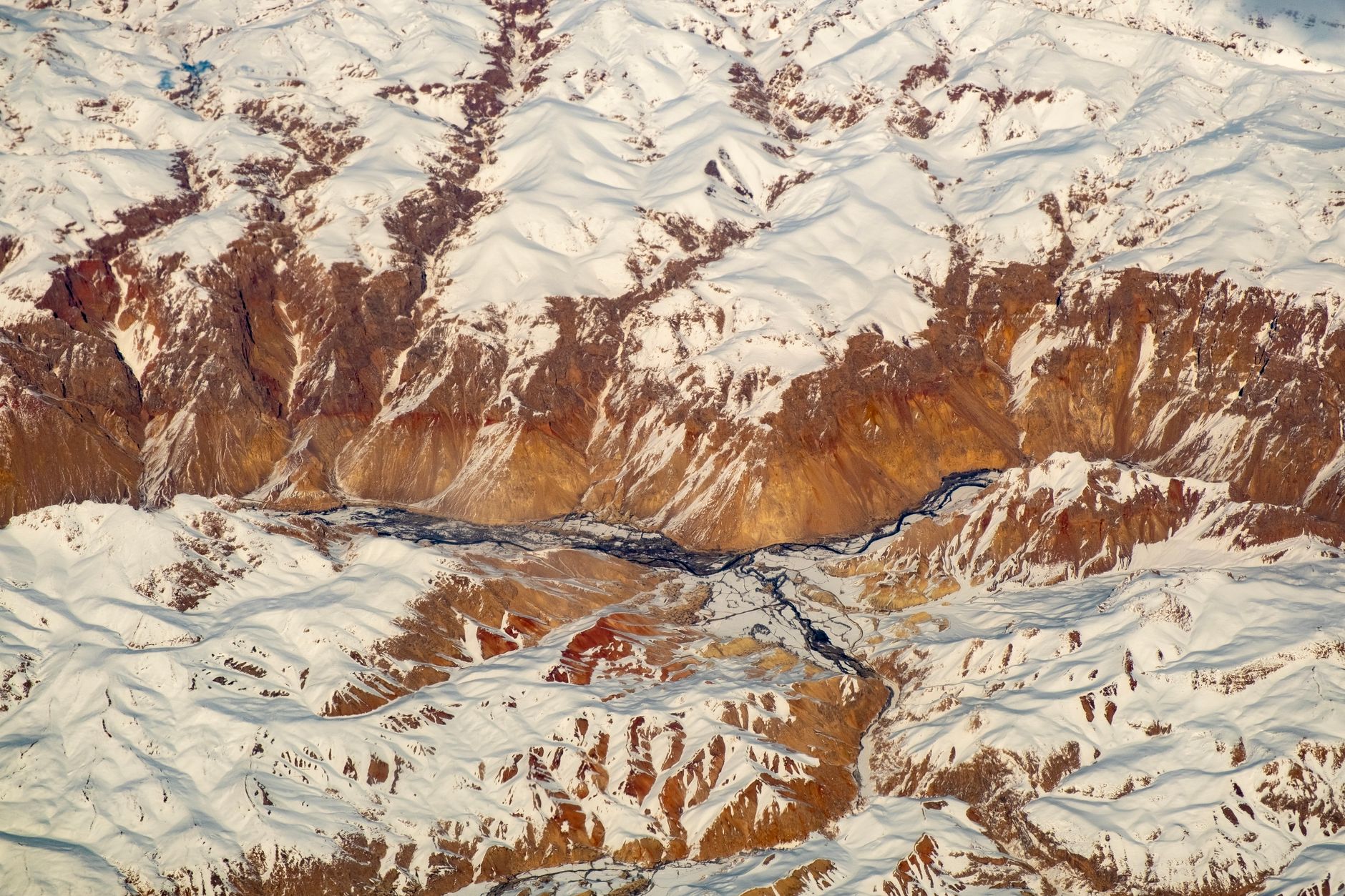
What the Kalash Valleys share with remote corridor routes like Tajikistan’s Wakhan Corridor is a quality of cultural survival against geographic isolation – places where the mountains themselves did the work of preservation. The valleys are accessible by jeep from Chitral, but the roads are narrow and the journey is not comfortable. That friction is a feature. It filters arrivals and keeps the place from accumulating the infrastructure that eventually neutralizes a destination’s character.
Getting There Without a Package Tour
Reaching the Kalash Valleys independently is entirely possible, though it requires patience and some tolerance for logistical uncertainty. The standard route starts with a flight from Islamabad or Peshawar to Chitral – a short flight that dramatically reduces overland travel time. Chitral itself is worth a night or two: the fort, the bazaars, and the surrounding landscape give you a sense of scale before you descend into the valleys. From Chitral, shared jeeps and private hires run regularly to Bumburet, the most visited and most accessible of the three valleys.
Bumburet is where most guesthouses are concentrated, and it functions as a reasonable base for day trips into Rumbur and Birir. Rumbur is quieter and slightly more conservative in how it receives outside visitors. Birir is the most isolated and the least visited, which means interactions there feel less rehearsed. None of the three valleys have hotels in any conventional sense – accommodation means simple guesthouses, often family-run, with basic meals provided. Electricity is intermittent and Wi-Fi is scarce. Pack accordingly.
The best time to visit is either during a festival or in the shoulder months of April-May and September-October when the weather is mild and the valleys are green. Summer brings Pakistani domestic tourists in larger numbers – the Kalash Valleys have become a curiosity destination for urban Pakistanis as well as foreign visitors, and peak summer weekends can feel crowded relative to what the infrastructure is designed to handle. Winter visits outside Chaumos are extremely quiet and cold but offer a completely different atmosphere: snow on the peaks, empty trails, and a chance to sit with a family and talk at length.
Foreign travelers require a No Objection Certificate from Pakistani authorities to visit certain areas near the Afghan border, and regulations shift periodically. Checking current requirements through the Pakistani embassy or a local tour operator in Chitral is essential before arrival. The security situation in Khyber Pakhtunkhwa province has improved considerably over the past decade, but it still warrants current research rather than assumptions based on old guidebooks. That said, travelers who have made the trip consistently describe the reception from both Kalash and non-Kalash locals as warm and genuinely hospitable.
Spending money in the valleys directly benefits the community when funneled through Kalash-owned guesthouses and local guides rather than outside tour operators who absorb the margin. Kalash craft production – particularly the wooden work and embroidered textiles – is a legitimate income source, and buying directly from makers rather than intermediaries is straightforward in the villages. The economic fragility of the community is real, and how visitors spend matters more here than in a destination with a diversified economy.
Why This Place Stays Under the Radar
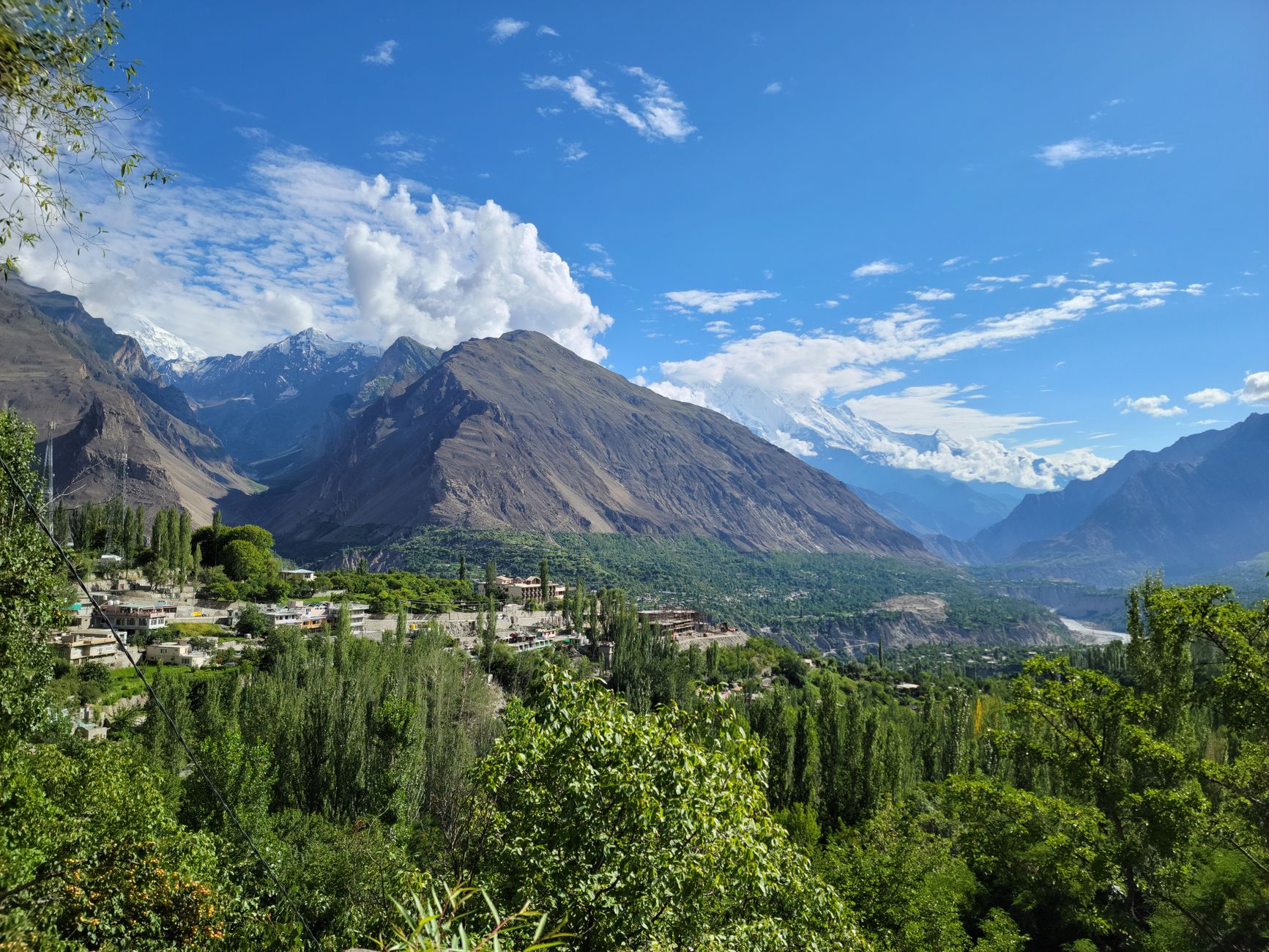
Hunza receives the bulk of Pakistan’s adventure tourism attention because it sells easily: dramatic scenery, photogenic villages, well-developed guesthouses, and a road network – the Karakoram Highway – that has been famous for decades. The Kalash Valleys require more explanation. The appeal is cultural and anthropological rather than purely scenic, and it draws a narrower type of traveler: people interested in living history, religious diversity, and the particular texture of a small society navigating enormous pressure from outside.
That narrowness is also the valleys’ best protection. The Kalash communities have been studied, documented, and debated by anthropologists for generations – questions about their origins, their possible connections to ancient Greek settlers, and the sustainability of their traditions remain genuinely unresolved. The mythology around Alexander the Great’s army has been largely dismissed by serious scholarship, but it illustrates how unusual the Kalash appear even to outsiders who know the region well. A community this distinct, this small, and this geographically contained shouldn’t still exist on its own terms in the 21st century. The fact that it does – contentiously, imperfectly, and with real internal debate about how to engage with modernity – is precisely what makes arriving there feel like it costs something.
Frequently Asked Questions
Is it safe to visit the Kalash Valleys in Pakistan?
Security conditions have improved significantly in recent years, but travelers should check current entry requirements and any travel advisories before visiting, as regulations near the Afghan border can change.
When is the best time to visit the Kalash Valleys?
April-May and September-October offer mild weather and smaller crowds. The Chaumos winter solstice festival in December is the most dramatic cultural event but requires preparation for cold conditions.
Do you need a special permit to visit the Kalash Valleys?
Foreign travelers typically need a No Objection Certificate for areas near the Afghan border. Requirements shift periodically, so verify current rules through the Pakistani embassy or a local Chitral-based operator before travel.