Papua New Guinea’s Sepik River Quietly Rivals Komodo for Tribal Wanderers

Where the River Is the Road
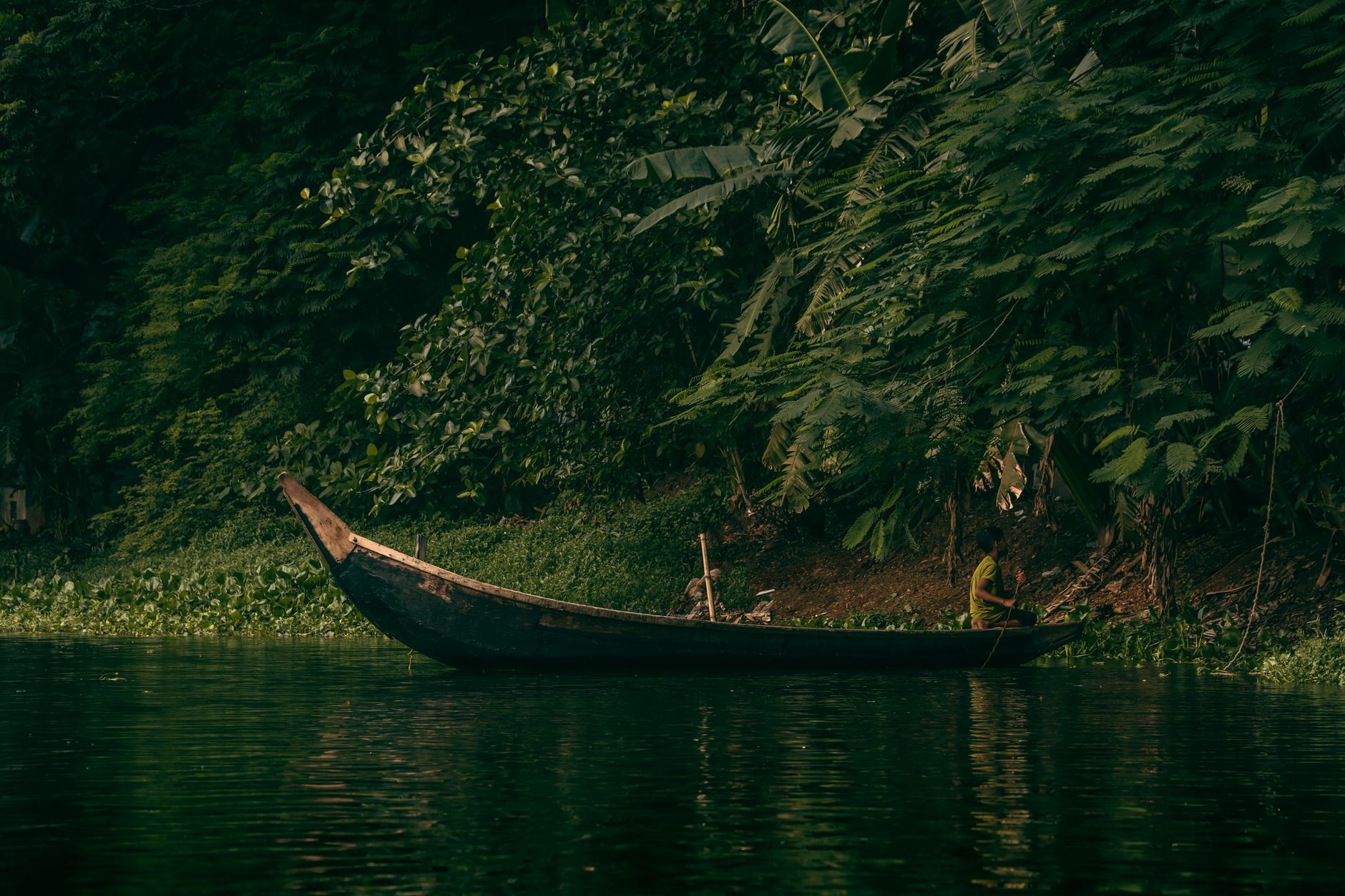
Komodo gets the wildlife documentaries, the Instagram reels, the bucket-list checkbox. But deep in the northwest of Papua New Guinea, the Sepik River runs for nearly 1,100 kilometers through lowland jungle and ox-bow lakes, threading together dozens of villages that have maintained ceremonial traditions – spirit house carvings, initiation rites, crocodile worship – with almost no interruption from the outside world. The tourists who do make it here are few enough that local communities still treat arrival by dugout canoe as a genuine event.
This is not a destination that forgives poor planning. There are no resort clusters, no ferry timetables, and no app for this. What the Sepik offers instead is something increasingly rare in adventure travel: cultural immersion that has not yet been packaged for mass consumption. For travelers who measure a trip by the depth of encounter rather than the efficiency of the itinerary, this river corridor deserves serious attention.
The Spirit Houses That Anchor Everything
The haus tambaran – the spirit house – is the architectural and spiritual center of Sepik village life. These towering structures, some rising fifteen meters or more, are built exclusively by men using traditional methods, and their facades are covered in carved totemic figures representing ancestral spirits. Entry by outsiders is governed by complex protocols that vary from village to village. In some communities, women are prohibited entirely; in others, guests may enter during specific ceremonial periods with the blessing of village elders. Understanding this before you arrive is not optional – it is the baseline of respectful travel in this region.
The artistic tradition surrounding the haus tambaran has produced what many anthropologists consider the most sophisticated wood-carving culture in Oceania. Masks, hooks, canoe prows, and slit drums from the Sepik appear in major museum collections across Europe and North America, and yet the living context that produced them – the ceremonies, the initiations, the social hierarchies – remains largely intact along the river. Traveling the Sepik means encountering art not as artifact but as active practice. A carved figure hanging above a doorway is not decoration; it is protection, negotiation, and identity compressed into wood. For travelers who appreciate living craft traditions – whether in Pakistan’s Kalash Valleys or the highlands of West Africa – the Sepik operates at a comparable intensity of cultural density.
Villages like Palimbei, Kanganaman, and Yentchen are frequently cited by those who have made the journey as particularly well-preserved examples of Sepik ceremonial life. Each has its own artistic dialect – subtle differences in the way crocodile motifs are rendered, or how ancestral faces are abstracted into geometry. A knowledgeable local guide can read these differences the way a wine professional reads terroir. Without that context, a visitor risks seeing beautiful objects without understanding their grammar.

Logistics Without Illusions
Getting to the Sepik River region requires flying into Wewak, the provincial capital of East Sepik, and then arranging onward transport by road and river. Wewak has basic accommodation options and functions as the practical staging point for most expeditions. From there, travelers either hire a motor canoe independently or join a guided tour through one of a small number of operators based in Port Moresby or Wewak itself. The journey upriver to the main cultural villages can take anywhere from a few hours to several days depending on your starting point, the season, and river levels.
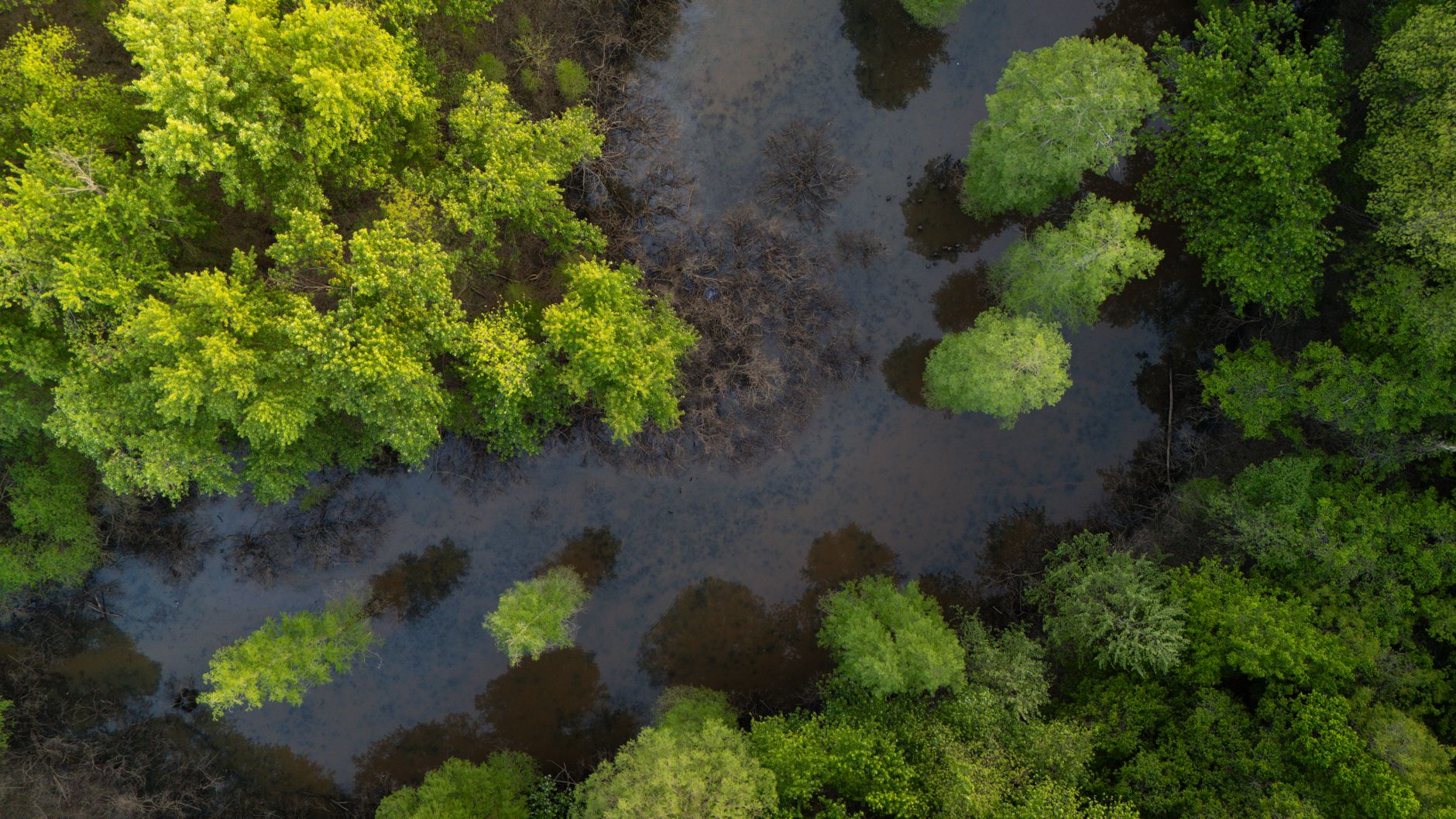
The dry season, running roughly from May through October, is generally preferred for river travel because water levels stabilize and unpaved tracks become more passable. However, the wet season brings a different kind of spectacle – flooded forests, mirror-still ox-bow lakes, and a density of birdlife that makes the region a serious destination for ornithologists. Papua New Guinea hosts more than 700 bird species, including multiple birds of paradise, and the Sepik lowlands are among the country’s most productive birding environments. Travel during the wet season demands higher tolerance for difficult conditions, but the visual payoff is real.
The Crocodile at the Center of the Culture
No single animal shapes Sepik identity more directly than the saltwater crocodile. It appears in carvings, in ceremony, in the names of clans, and in the initiation rituals that mark a boy’s passage to manhood. In some communities, young men undergo scarification – incisions made on the chest, back, and arms to create raised keloid patterns that are said to represent crocodile skin. This is not a performance for visitors. It is a deeply serious cultural practice that has been observed continuously for generations. Travelers who witness any aspect of ceremonial life here should operate with the same discretion they would apply to attending a religious service in an unfamiliar faith.
The crocodile also has an economic dimension. Sepik communities have farmed crocodiles for hide export since the mid-twentieth century, and this industry has created a complicated relationship with conservation. Wild crocodile populations fluctuate depending on enforcement of hunting regulations, and the balance between cultural use, commercial farming, and wildlife protection is an ongoing tension that local communities navigate largely on their own terms. Travelers should be aware that purchasing crocodile products – teeth, skin items, carved bones – in the villages can feed into unregulated trade chains, regardless of how the sale is framed.
Beyond the crocodile, the Sepik River system supports extraordinary aquatic biodiversity. Freshwater species found nowhere else, extensive wetland habitat, and seasonal fish migrations have sustained river communities for thousands of years. The relationship between the river’s ecology and its human culture is not metaphorical – it is structural. The flooding cycles determine planting calendars, the fish runs determine ceremonial timing, and the movement of water through the ox-bow lakes determines which villages can be reached and when. Travel here is an education in ecological dependency that most urban visitors have never encountered in such unfiltered form.
For those accustomed to destinations where infrastructure absorbs the difficulty of travel, the Sepik will require recalibration. Accommodation in villages ranges from basic guesthouses to sleeping arrangements in community buildings, with food sourced locally and sanitation facilities that reflect rural PNG rather than any tourist standard. Guides with genuine cultural knowledge and language skills are not uniformly available, and the quality of the experience depends heavily on who accompanies you and what relationships they hold with the communities along the river. That guide relationship is, arguably, the single variable that most determines whether this trip becomes something extraordinary or simply something hard.
Frequently Asked Questions
Is the Sepik River safe to visit as a tourist?
Travel is possible but requires careful planning. Hiring a reputable local guide and traveling with an established operator significantly reduces risk and improves community access.
What is the best time of year to travel the Sepik River?
The dry season from May to October offers easier river navigation and road access. The wet season brings flooded forests and exceptional birdlife but demands tougher travel conditions.