Papua New Guinea’s Sepik River Quietly Rivals the Amazon for Mask Wanderers

Where the River Is the Road
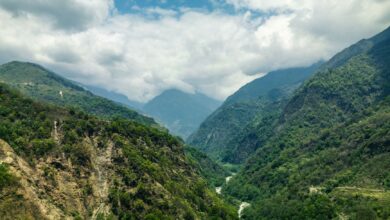
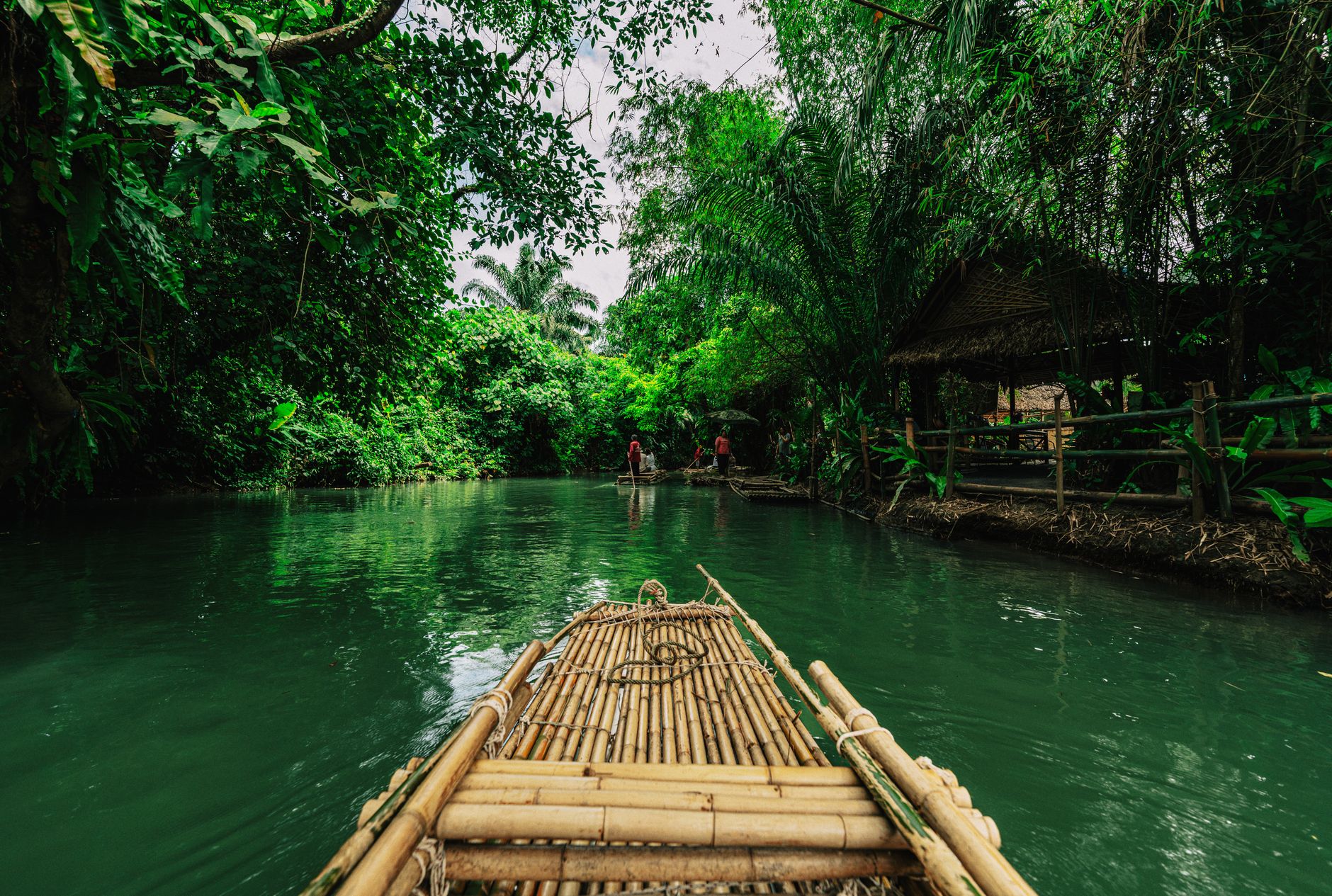
The Amazon gets the documentaries, the conservation headlines, and the bucket-list billing. But deep in the northwest of Papua New Guinea, the Sepik River runs for nearly 700 miles through lowland rainforest, swamp, and sago palm country without a single dam, no paved road running parallel to it, and almost no tourist infrastructure to soften the edges. For travelers who collect ceremonial art, study ritual culture, or simply want to sit inside a longhouse while a thunderstorm drowns out everything else on earth, the Sepik is not a consolation prize. It is the destination.
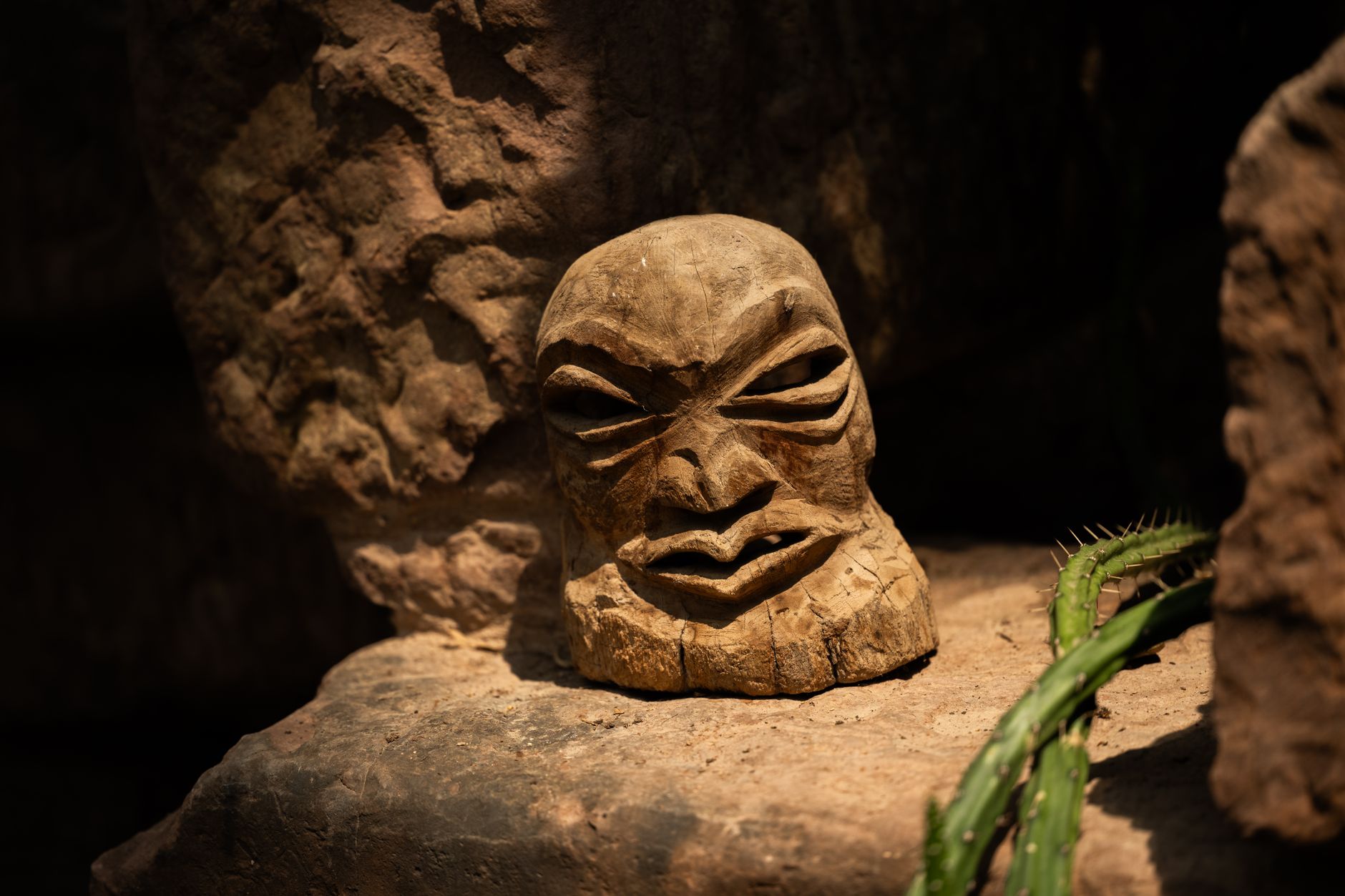
What makes the Sepik genuinely different from other remote waterways is the density and continuity of its living artistic tradition. The river communities – Iatmul, Sawos, Chambri, and dozens of smaller groups – have been producing ceremonial masks, carved ancestor figures, and woven spirit hooks for generations. These are not curios made for export. Many still serve active ritual functions, stored in spirit houses, brought out for initiation ceremonies, and handled only by those with the right to touch them. For a mask collector or a serious student of Melanesian art, that distinction matters enormously.
Getting There Without a Script
Papua New Guinea is not a destination that rewards passive planning. Flights from Port Moresby to Wewak – the gateway city for the Sepik – operate on schedules that local weather and logistics regularly renegotiate. From Wewak, travelers typically arrange onward transport by road to Pagwi or Angoram, the two most common entry points to the river system, before boarding a motorized canoe or a chartered longboat. There are no Booking.com listings for most of what happens next.
Small expedition outfitters operating out of Wewak can arrange multi-day river journeys, and a handful of simple guesthouses exist along the river, some run by local families and some by returning diaspora who wanted to bring low-key tourism to their home villages. The honest advice is to contact operators months in advance, accept that itineraries are flexible by necessity, and carry cash in smaller denominations. ATMs do not exist on the river, and they are unreliable in Wewak.
The dry season, roughly May through October, is the preferred window for river travel. Water levels drop enough to make navigation clearer and the heat slightly more tolerable. Humidity is a year-round condition, not a seasonal inconvenience. Malaria prophylaxis is non-negotiable, and most experienced travelers to the region also carry a personal medical kit and travel insurance that includes medical evacuation. This is not a destination where you gamble on being fine.
The Spirit Houses and What They Hold
The haus tambaran – spirit house – is the architectural and spiritual center of Sepik village life. These tall, elaborately carved structures serve as ceremonial gathering spaces, repositories for sacred objects, and the physical location where male initiation rites are conducted. Entry for outsiders is not automatic, and in some villages it is not permitted at all. Where it is offered, it usually comes through an introduction arranged by a local guide with existing relationships in the community. The transaction is not just logistical. It is social, and it takes time.
Inside a spirit house, the density of objects is staggering. Masks hang in tiers, carved wooden figures lean against interior posts, woven fiber pieces cover wall sections, and the smell of smoke and old wood creates an atmosphere that no museum has ever quite replicated. Some objects are available for sale to serious collectors – pieces made specifically for that purpose, distinct from the ceremonially active objects that will never leave. A collector with patience, genuine interest in the tradition, and willingness to spend days in conversation before any transaction is discussed will find access that a rushed tour group will not.
The Sepik’s artistic tradition differs stylistically from region to region along the river. Upper Sepik masks tend toward elongated forms with bold geometric painting. Middle Sepik work, particularly from Iatmul villages, features more complex narrative carving and the iconic crocodile motif that runs through much of the region’s cosmology. Chambri Lake, accessible from the main river channel, produces distinctive pottery and fiber work that is softer in form compared to the monumental wood carving elsewhere. A single river journey can pass through four or five completely distinct visual traditions.
That stylistic range is part of what draws serious collectors who have already covered the better-known circuits. Oceanic art markets in Paris, Brussels, and New York have maintained active interest in Sepik material for decades, but supply from legitimate sources is genuinely limited, and the work does not circulate in the casual way that tourist art does. Pieces that arrive through auction houses tend to come from older private collections or estates rather than recent acquisitions – which says something about how rarely serious collectors make it to the river in person.
Village Life Along the Water
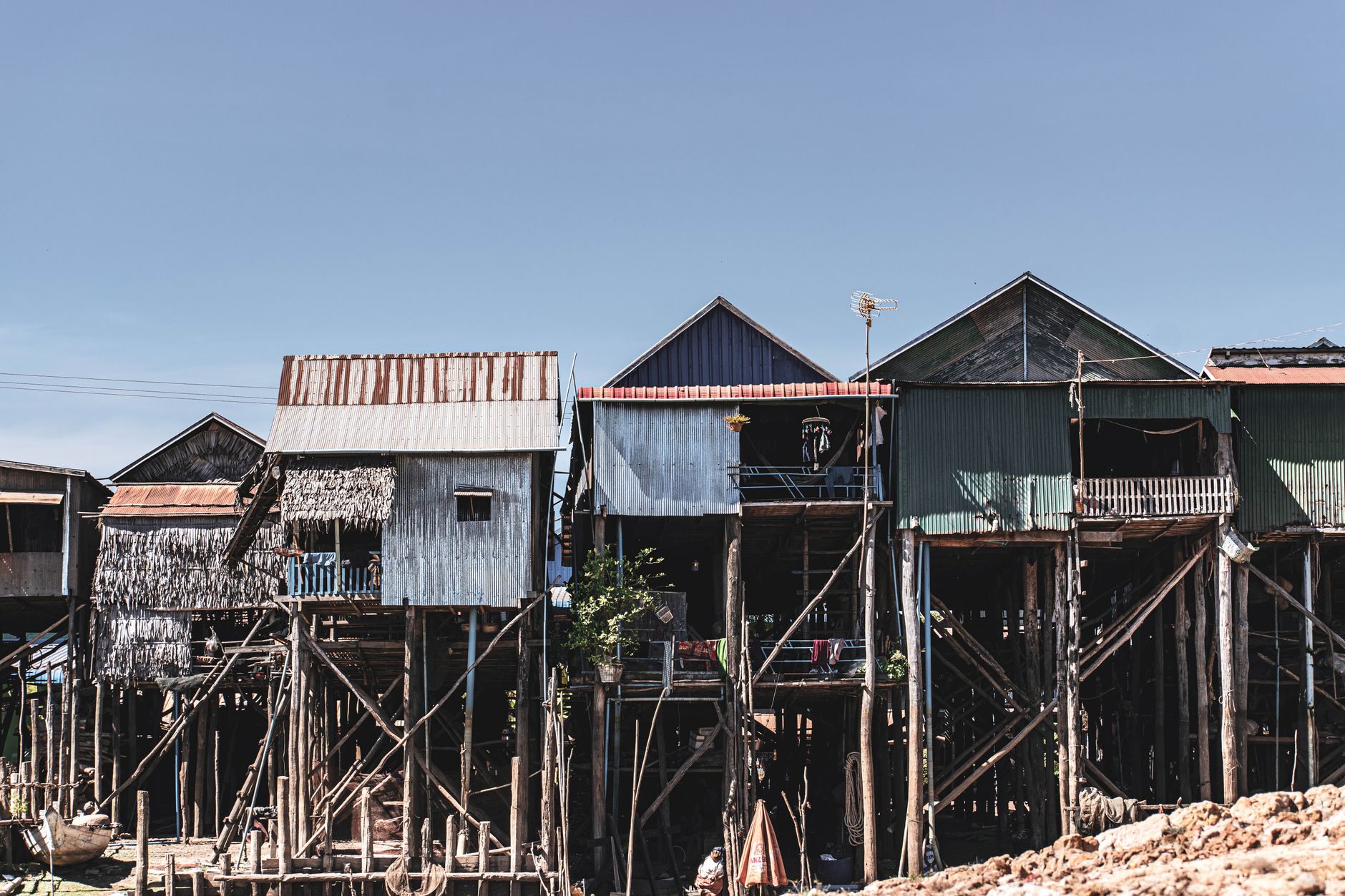
The Sepik’s villages are built on stilts above water or mud, connected to each other by canoe routes that the communities have navigated for centuries. Daily life on the river has a rhythm that resists romanticization and also resists easy summary. Women manage sago processing, fishing nets, and garden plots on higher ground when the water levels allow. Men handle the larger carved canoes, the ceremonial responsibilities, and in many villages, the management of relationships with outsiders.
Children swim in the same water that carries crocodiles, which are not a tourist feature but a genuine ecological and occasionally dangerous reality. The Sepik has one of the highest wild crocodile populations in the world, and saltwater crocodiles can reach sizes that make the river’s brown water feel different at dusk than it does at midday. Guides know the safer swimming locations from the less advisable ones. Travelers who follow that guidance have much better trips than those who do not.
The food along the river runs toward sago – processed from the palm into flat cakes, porridge, or cooked in bamboo – supplemented by fish, shellfish, and whatever garden vegetables the season offers. It is filling, honest food with very little variety. Travelers who come with dietary requirements that cannot flex will find the river harder going than those who eat what is offered and mean it when they say thank you. That attitude – toward the food, toward the pace, toward the uncertainty – is not just etiquette. It is the practical difference between a trip that opens and one that closes.
The Sepik does not have a PR strategy. Its villages are not optimized for the kind of travel that produces clean Instagram narratives. What it has instead is an art tradition still embedded in a living ceremonial world, a river system so intact that biologists working there regularly document species new to science, and the particular quality of quiet that comes from being genuinely far from wherever you usually are. The question serious mask collectors have begun asking each other is not whether the Sepik is worth it – that answer has been settled – but how much longer the river stays this far outside the main circuit before that changes.
Frequently Asked Questions
Is the Sepik River safe to visit as a tourist?
With proper preparation – including malaria prophylaxis, a reputable local guide, and travel insurance with medical evacuation – the Sepik is manageable, though it demands flexibility and basic wilderness awareness.
Can visitors buy authentic ceremonial masks on the Sepik River?
Yes, but only pieces made specifically for sale, distinct from active ritual objects. Building trust with communities over several days is typically required before any serious transaction is discussed.